
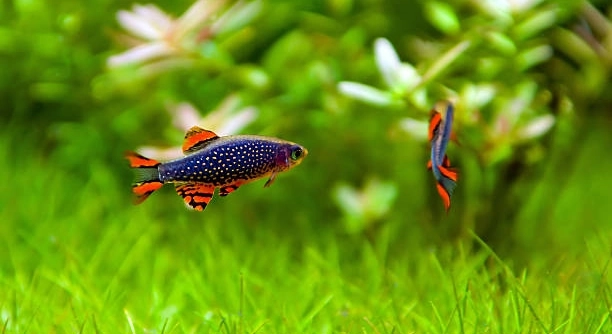
Light can transform ordinary objects into something extraordinary. Certain surfaces and materials reveal hidden color patterns when illuminated, creating subtle effects that often go unnoticed in everyday life, but quietly change the way we perceive our surroundings.
These color patterns emerge due to the interaction between light wavelengths and the structure of surfaces. Refraction, diffraction, and interference cause shifts in appearance, making specific colors visible under particular lighting conditions. Observing these effects requires attention to angle, intensity, and type of light.
Understanding how light interacts with materials reveals details often overlooked, offering insight into natural phenomena and everyday objects’ hidden beauty.
Iridescence in Nature
Iridescence appears when light interacts with surfaces that have multiple layers or fine structures. This effect is common in butterfly wings, beetle shells, and bird feathers. The layers reflect light at different angles, creating shifting colors that change as you move. Even soap bubbles and oil on water show similar effects. The colors are not pigments but optical phenomena caused by interference, reflection, and diffraction. The resulting patterns can be subtle or dramatic depending on the surface and light intensity. Observing these colors up close reveals fine details and variations that are often missed at a distance. It is fascinating to notice how nature uses structure, not just color, to produce these striking visual effects.
Iridescent surfaces are usually more noticeable in bright sunlight or under direct light, as the angle and intensity highlight the color shifts. The effect is strongest when the observer moves relative to the surface.
In nature, these patterns may serve purposes like attracting mates, camouflage, or signaling. Many insects use iridescence for communication or to warn predators. Birds use feather iridescence to stand out during mating displays, while fish may have shiny scales that confuse predators. Even some plants show iridescence on petals to catch pollinators’ attention. Observing these patterns can provide insight into evolutionary adaptations and the subtle strategies organisms employ to survive. These natural optical tricks highlight how light can transform simple surfaces into complex displays.
Diffraction Gratings
Diffraction gratings split light into multiple colors by bending it around fine lines or slits. This principle is seen in CDs, holographic stickers, and certain minerals.
Diffraction gratings occur because closely spaced lines interfere with incoming light waves, separating them into distinct colors. The angle of viewing affects which colors are visible.
The effect of diffraction is often more pronounced under focused or directional light, such as sunlight. The finely spaced grooves on a CD or DVD surface act like tiny prisms, bending light at specific angles to display a spectrum. Holographic materials exploit the same principle, creating shifting rainbow patterns as they move or as the observer changes perspective. In minerals, natural diffraction can produce iridescent or rainbow-like flashes, often adding to the aesthetic appeal of gemstones. By studying diffraction, scientists can analyze light properties and understand material structures. This effect also finds applications in optical devices, spectrometry, and art, demonstrating how simple interactions between light and structure create striking visual patterns.
Polarized Light Effects
Polarized light occurs when light waves align in a single direction, producing unique color patterns on reflective surfaces. This effect is often visible through polarized lenses or certain transparent materials like plastics under stress.
When light passes through or reflects off specific materials at particular angles, the waves align, filtering out other directions. This alignment can create vivid colors that shift with movement. Everyday examples include glare reduction in sunglasses and stress patterns in clear plastic. Artists and engineers sometimes use polarized light intentionally to highlight details invisible under normal lighting. Observing these patterns can reveal hidden textures and tension areas in materials, offering both practical and aesthetic insights.
Polarized light effects are particularly noticeable when interacting with layered or crystalline structures. Thin films, liquid crystals, and some minerals display these patterns vividly. The angle of viewing and the orientation of the light source significantly affect the colors produced, making each observation slightly different. In photography and scientific studies, polarization is a useful tool to reduce glare and enhance contrast, while in nature, certain animal eyes can detect polarization to improve navigation or hunting efficiency. The visual experience combines both scientific principles and subtle beauty.
Fluorescent and Phosphorescent Colors
Fluorescent materials absorb light at one wavelength and emit it at another, creating bright, glowing colors visible under UV light. This effect is common in minerals, paints, and certain plants or animals.
Fluorescence occurs instantly when exposed to UV or high-energy light. Phosphorescence, on the other hand, continues to emit light even after the source is removed, producing a lingering glow. These effects are caused by electrons absorbing energy and then releasing it as visible light. Many biological examples, such as jellyfish or scorpions, use fluorescence for communication or attraction. In materials, the effect adds visual appeal or practical use, like glow-in-the-dark products.
Fluorescent and phosphorescent effects are influenced by chemical composition, energy levels, and environmental conditions. Minerals like fluorite or calcite often fluoresce in distinct colors, while synthetic compounds in paints or textiles are engineered for specific brightness and glow duration. Phosphorescent pigments store energy and release it slowly, creating the lasting glow often seen in emergency signage or decorative items. Observing these effects reveals interactions between light and matter that are both scientifically intriguing and visually striking. The intensity and duration of glow vary, making each display unique.
Thin Film Interference
Thin films create color patterns when light reflects off surfaces with very small thicknesses, such as oil on water or soap bubbles. The reflected light waves combine, enhancing some colors and canceling others depending on film thickness and viewing angle.
The shifting colors appear as iridescent patterns that change with movement. Thickness variations cause different wavelengths of light to interfere constructively or destructively. This effect can be subtle or dramatic, depending on the surface and light intensity. Observing these patterns closely shows intricate details that are often overlooked in everyday life, turning ordinary surfaces into miniature displays of color.
Bioluminescence
Bioluminescence is light produced by chemical reactions in living organisms. Fireflies, some jellyfish, and deep-sea creatures emit this glow to attract mates, lure prey, or communicate.
In organisms, luciferin reacts with oxygen under the influence of the enzyme luciferase, producing visible light. The glow can vary in color, intensity, and duration depending on the species. Bioluminescent signals are often highly controlled, allowing precise communication or camouflage. Observing these patterns in nature reveals a blend of biology and chemistry, showcasing how life uses light in remarkable ways.
Holographic Effects
Holographic surfaces split and reflect light to create three-dimensional color patterns. These patterns shift with movement, producing rainbow-like effects that appear to float above the surface.
Light Scattering
Light scattering occurs when particles or irregularities in a medium redirect light, producing soft, diffuse color effects. It explains phenomena like the blue sky and red sunsets.
What causes these color patterns to appear in certain light?
Color patterns emerge from the interaction of light with surfaces and materials. Light can reflect, refract, diffract, or scatter depending on the structure it hits. Thin films, layered surfaces, and microscopic textures often alter light waves, enhancing some colors while canceling others. The result is visible patterns that can shift with the angle of observation or intensity of illumination. Natural examples include butterfly wings, mineral surfaces, and peacock feathers, while man-made examples are holographic stickers and CDs. Even subtle surface changes, such as scratches or oil layers, can produce noticeable color effects when exposed to light at the right angle.
Are these patterns permanent or temporary?
Some patterns are permanent, while others are transient and dependent on lighting. Iridescence, diffraction, and polarization patterns generally appear only under specific conditions, so movement or changing light can make them fade or change. Thin film interference and oil on water produce patterns that are temporary, disappearing once the film breaks or shifts. Fluorescent effects are visible only under UV or high-energy light, whereas phosphorescent materials continue to glow after the light source is removed, giving a more lasting effect. Permanent patterns, like mineral diffraction or structured iridescence, remain consistent over time, but perception can vary based on light and perspective.
How does angle of observation affect these effects?
The angle between the observer, the light source, and the surface plays a crucial role. Slight movements can dramatically change the colors seen, especially in iridescent or diffractive materials. This happens because light waves interfere differently at different angles, enhancing certain wavelengths while canceling others. Thin films, holographic surfaces, and polarized materials are particularly sensitive. Even in everyday materials like CDs or soap bubbles, tilting or rotating them produces a spectrum of shifting colors. Understanding this relationship helps explain why these patterns are dynamic and can appear unpredictable without careful observation.
Can human-made materials replicate natural effects?
Yes, many synthetic materials mimic natural optical effects. Holographic films, coated plastics, and synthetic crystals are designed to produce iridescence, diffraction, or fluorescence. Artists, designers, and engineers often use these materials for visual impact or functional purposes. For example, security features on currency exploit diffraction and holographic effects to prevent counterfeiting. Fluorescent paints, phosphorescent pigments, and polarized lenses replicate phenomena seen in nature, allowing controlled observation of color patterns. These materials rely on precise surface structures or chemical composition to produce predictable effects under specific lighting conditions.
Do these patterns serve a purpose in nature?
Many natural patterns have functional roles. Iridescent feathers in birds attract mates or signal health. Bioluminescence in marine life lures prey or deters predators. Butterfly wings and beetle shells use iridescence for camouflage or warning signals. Even subtle color shifts in minerals or plant surfaces can influence pollination or animal behavior. These patterns are not random; evolution often shapes them to enhance survival, reproduction, or communication. Observing natural optical effects can reveal the strategies organisms use to interact with their environment in ways invisible under normal lighting.
How can I observe these effects at home?
Simple experiments reveal many patterns using common items. A CD or DVD under sunlight shows diffraction rainbows. Soap bubbles or thin oil films produce shifting interference colors. Fluorescent markers under a blacklight glow vividly, while phosphorescent stickers continue to shine after lights go off. Polarized sunglasses or transparent plastic sheets can reveal polarization patterns. Even household minerals like fluorite fluoresce under UV light. Changing the angle of light and observation allows you to see the full range of effects. These small observations demonstrate how light interacts with structure and surface to create visible color patterns.
Are some effects more visible under certain lighting?
Yes, lighting intensity, direction, and type greatly influence visibility. Sunlight often enhances iridescence and diffraction because of its brightness and broad spectrum. UV light is necessary for fluorescence, while dim conditions reveal phosphorescence more clearly. Directional light highlights thin film interference, and diffuse light reduces sharpness but emphasizes subtle shifts. Even small changes, like moving a lamp or tilting an object, can dramatically alter the colors perceived. Knowing which lighting enhances a particular effect allows better observation and appreciation of these patterns.
Can these patterns have practical applications?
Absolutely. Beyond aesthetic appeal, color patterns have functional uses. Security features on currency and identification cards use diffraction and holography to prevent counterfeiting. Polarized lenses reduce glare for driving or photography. Fluorescent markers highlight important information in labs, and phosphorescent materials provide low-light safety signage. Engineers study iridescence and diffraction to improve optical devices, sensors, and display technology. Nature itself offers inspiration for these applications, showing that understanding optical patterns can lead to innovative solutions while also revealing the subtle beauty inherent in light interactions.
Do different materials produce different patterns?
Yes, material composition and structure largely determine the type and intensity of color patterns. Crystals, plastics, thin films, and biological surfaces interact with light in unique ways. Iridescence is often found on layered or microstructured surfaces, while diffraction requires fine grooves or slits. Fluorescence depends on chemical compounds that absorb and emit light. Phosphorescence requires materials capable of storing energy and releasing it slowly. Even seemingly simple surfaces can display complex patterns if their microscopic structure alters light paths. Observing a variety of materials shows the wide range of effects and how structure and composition create unique visual experiences.
How can I capture these patterns in photography?
Capturing color patterns requires careful attention to light and angle. Use directional or natural light to enhance iridescence and diffraction. Polarizing filters reduce unwanted glare or highlight polarization effects. Macro lenses reveal fine details in thin films, minerals, or biological samples. UV lights can reveal fluorescence, while long exposures capture phosphorescent glows. Positioning the camera and light source at the correct angles ensures patterns are visible and vibrant. Even small movements during shooting can dramatically change results, reflecting the dynamic nature of these optical effects. Patience and experimentation are key to capturing the full range of colors and shifts.
Can patterns be seen in everyday objects without special tools?
Yes, many effects are visible with no more than ordinary light. CDs, DVDs, soap bubbles, thin oil layers, and some plastics show diffraction, interference, or polarization patterns. Fluorescent highlighters glow under blacklight, and glow-in-the-dark items reveal phosphorescence. Sunlight or bright indoor lighting is often enough to highlight iridescent surfaces on feathers, shells, or flowers. Observing from different angles enhances the effect. These everyday examples show that the interactions between light and structure are not limited to labs or rare materials, making optical patterns accessible to anyone who takes the time to notice them.
Do environmental factors affect these patterns?
Yes, temperature, humidity, and surface condition can influence visibility. Moisture on surfaces can enhance thin film interference, while dust or scratches can distort patterns. Light intensity and wavelength distribution also change appearance. Even small environmental variations can alter perceived colors, making patterns dynamic. Observing patterns under varying conditions demonstrates how sensitive they are to external factors. These effects remind us that light interactions are not static, and subtle environmental changes can create new or altered visual experiences. Studying these variations helps understand both the physics behind the patterns and their practical implications in daily life.
The ways light interacts with surfaces create fascinating color patterns that often go unnoticed. From the shimmering iridescence of a butterfly’s wing to the shifting rainbows on a soap bubble, these effects are all around us. They are the result of simple physical principles—reflection, refraction, diffraction, and scattering—working in combination with material structures. Each pattern is unique, shaped by the angle of light, the surface texture, and the composition of the object. Observing these interactions offers a small but meaningful reminder of how complex and intricate everyday objects can be, even in ways we rarely take the time to notice. The beauty of these effects lies in their subtlety. Sometimes a slight change in perspective, a tilt of the head, or a move toward a different light source can reveal hidden colors and patterns that were invisible moments before. Understanding the science behind them adds another layer of appreciation.
Many of these color patterns also have practical applications. Fluorescent and phosphorescent materials are used in safety signs, textiles, and educational tools, while diffraction and holographic effects are incorporated into currency, identification cards, and packaging to prevent tampering or counterfeiting. Polarization plays an important role in reducing glare for photography, driving, and scientific observation. Even the study of natural iridescence and bioluminescence inspires innovation in materials science and optical technologies. Beyond their practical uses, these effects demonstrate how nature and human design both exploit light to create striking visual effects. They combine functionality and aesthetics, showing that optical phenomena can be both useful and beautiful at the same time. Understanding these patterns can make us more aware of the environment around us, helping us see ordinary objects in a new way.
Noticing these patterns in daily life can be a small, personal experience that encourages observation and curiosity. Taking the time to watch a bubble’s surface change colors, a feather shift its hues, or a mineral flash under UV light can make ordinary moments more engaging. These effects are not limited to rare or exotic materials; they appear in many everyday objects, waiting to be discovered. By paying attention to light and its interaction with surfaces, it becomes easier to appreciate the subtle beauty present in the world. Whether through the colors in nature or in man-made materials, these patterns demonstrate the intricate ways light shapes what we see. They remind us that even simple interactions between light and matter can produce extraordinary results, and that careful observation can reveal details that are easy to miss but rewarding to notice.

Hello,
If you enjoy the content that we create, please consider saying a "Thank You!" by leaving a tip.
Every little bit helps us continue crafting quality advice that supports the health, happiness, and well-being of pets around the world, for pets of all shapes, sizes, and species.
We really appreciate the kindness and support that you show us!