
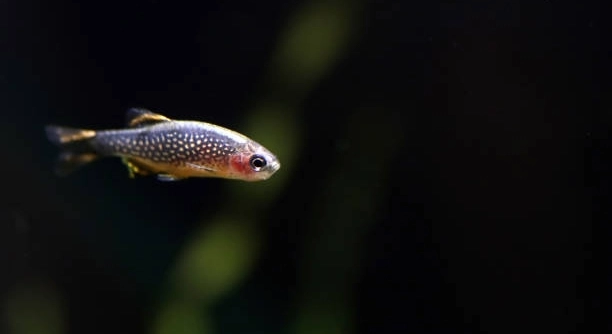
Danios are small, active fish often kept in home aquariums. Observing their behavior can reveal interesting insights, especially when they show signs of readiness to reproduce. These moments are subtle but noticeable to attentive fish keepers.
Danios display interest in breeding through distinct behaviors, including chasing partners, vibrant coloration, increased activity, fin flaring, courtship displays, spawning near plants, and frequent interaction with tank mates. Recognizing these signs helps ensure proper care and breeding success.
Understanding these behaviors can improve your aquarium experience and help support healthy breeding practices for your danios. Paying attention to these cues is rewarding for any fish enthusiast.
Chasing and Nipping
Danios often chase and nip at each other when they are interested in breeding. This behavior can look aggressive at first, but it usually isn’t harmful. Males chase females around the tank, sometimes darting quickly and then stopping suddenly. They may nip lightly at fins to get attention or prompt a response. You might notice this happening near plants or decorations where they feel more comfortable. This behavior tends to increase during early mornings and evenings when the tank is quieter. Watching the patterns closely can help you identify which fish are ready to breed. It’s important to ensure the tank has enough space to avoid stress. Additional hiding spots help reduce tension and allow females to escape if needed. Observing these interactions provides clues about pair bonding and social hierarchies, which can be helpful for planning breeding or adjusting tank arrangements to maintain peace and encourage natural behaviors.
Chasing and nipping are clear indicators that danios are preparing to mate. These actions demonstrate interest and readiness.
Keeping an eye on these behaviors helps you anticipate spawning. Providing proper plants or breeding mats increases the chance of success.
Color Changes
Danios often show brighter, more vibrant colors when they are ready to breed. Males especially display enhanced stripes or intensified hues to attract females. This change signals health and readiness for reproduction, making it easier to identify suitable pairs. Females may also show subtle color changes, though less dramatic, usually appearing slightly more golden or flushed. Environmental factors, such as clean water and stable temperature, can enhance these color shifts. Lighting conditions also play a role in how vivid their colors appear, so observing them under consistent tank lighting gives a better sense of readiness. Color changes are temporary and often return to normal after spawning. Monitoring these changes allows you to track breeding readiness without disturbing the fish. Healthy, well-fed danios exhibit stronger coloration, so a balanced diet contributes to successful mating signals. Noticing these differences can guide when to separate males and females for breeding setups or when to prepare tank plants and spawning mats.
Color changes are a subtle but reliable sign that danios are ready for mating and interaction.
Proper care of the tank environment, diet, and lighting can enhance color vibrancy, making it easier to identify breeding readiness. Male danios will actively display their enhanced colors during courtship, often approaching females directly or positioning themselves near spawning sites. Watching these displays allows you to anticipate behavior changes and prepare breeding areas in advance. Even minor shifts in coloration can indicate hormonal changes signaling readiness, so keeping a log or photo record can help track patterns over time. Observing color shifts alongside other behaviors, like chasing or flaring fins, provides a more complete picture of mating intentions. Ensuring the aquarium provides space and plants for both courtship and spawning will help reduce stress and increase breeding success. This attention to detail encourages natural behaviors, supports healthier fish, and increases the likelihood of eggs being fertilized and successfully developing.
Flaring Fins
Danios flare their fins as part of courtship, making themselves look larger and more attractive to potential mates. Males often spread their dorsal and anal fins fully, signaling strength and readiness. This behavior is most noticeable when a female is nearby.
Flaring fins helps establish dominance and attract female attention. Males may also position themselves side by side with other males, showing off their fins while circling the female. This display reduces physical conflict by letting females choose based on visual cues rather than fighting. The intensity and frequency of flaring can indicate the health and vitality of the male, which is important for successful breeding. Observing these patterns helps identify which males are actively participating in courtship, allowing you to anticipate spawning events. Creating an environment with adequate space and hiding areas ensures the displays don’t stress the fish.
Flaring fins often coincide with chasing or nudging behaviors. This combination signals that danios are actively engaging in pre-spawning activities, making it easier to prepare breeding areas and ensure a calm, supportive tank setup.
Spawning Near Plants
Danios prefer to spawn near plants or other surfaces, which provide protection for eggs and fry. They often hover around dense vegetation, depositing eggs in safe spots rather than open water.
The presence of fine-leaved plants or spawning mats encourages natural egg-laying behavior. Males typically chase females close to these areas, prompting them to release eggs. The eggs stick to plant leaves or substrate, reducing the risk of being eaten immediately. This behavior demonstrates instinctive preferences for secure environments, and replicating this setup in a home aquarium increases success rates. Spawning near plants also helps reduce stress for both males and females, allowing them to focus on reproduction rather than constant evasion from other fish. Monitoring these areas closely can provide insights into breeding patterns and timing, giving you a better sense of when eggs are likely to appear.
Plants also offer shelter for fry once hatched. Dense vegetation ensures that newly hatched fry have hiding spots, increasing survival rates. Regular observation of plant areas can reveal egg deposition patterns and help separate adults if needed. Providing a variety of plant types allows fish to choose preferred spawning sites naturally. This creates a more balanced and stress-free environment, supporting both adult and juvenile danios. Proper plant placement, combined with clean water and stable temperature, maximizes the likelihood of successful breeding and healthy fry development.
Increased Activity
Danios become noticeably more active when preparing to breed. They swim rapidly around the tank, often darting back and forth. This heightened movement signals readiness and draws attention from potential mates.
Increased activity also helps males display strength and vitality. Females respond by moving through the same areas, allowing for interaction.
Nuzzling and Nudging
Nuzzling and nudging are subtle behaviors that indicate mating interest. Males gently push or touch females along their sides or near the vent. This encourages egg release and shows intent without aggression. These actions are repeated frequently during pre-spawning interactions, often near plants or breeding mats.
This behavior is an essential part of courtship and helps synchronize spawning. It ensures the female is in the right position for fertilization, while also giving males an opportunity to assert presence without harm. Watching these interactions closely provides insight into timing and readiness, helping prepare the tank for egg collection or protection.
Pair Bonding
Danios often swim together closely before spawning. Males stay near chosen females, following them and mimicking movements. This bond helps coordinate spawning timing and ensures eggs are fertilized efficiently.
FAQ
How can I tell if my danios are ready to breed?
Danios show readiness through a combination of behaviors. Males chase and nip at females, flare their fins, and display brighter colors. Females may linger near plants or spawning mats. Increased activity and nudging are also signs. Observing multiple behaviors together is more reliable than relying on one alone.
Do all danios display the same breeding behaviors?
While most danios show common behaviors like chasing, flaring fins, and color changes, intensity varies by individual. Some males are more aggressive, while others are subtler. Females may also differ in responsiveness, so monitoring each fish’s habits is important for predicting spawning success.
How often do danios breed?
Danios can spawn frequently, often every few weeks if conditions are ideal. Water temperature, cleanliness, diet, and light cycles all influence frequency. In a well-maintained tank with proper nutrition, active males and receptive females may produce eggs multiple times in a short period.
Do danios need special plants to breed?
They don’t require specific plants, but fine-leaved plants or spawning mats provide safe surfaces for eggs. Dense vegetation offers protection and reduces stress. Fry survival improves significantly when eggs are laid on or near secure areas, allowing them to hide immediately after hatching.
What should I feed danios before breeding?
A varied, protein-rich diet supports health and stimulates breeding behavior. Live or frozen foods like daphnia, brine shrimp, or bloodworms enhance vitality and color intensity. Balanced flake or pellet food can supplement, but high-quality protein helps encourage spawning activity and improves egg quality.
Can danios breed in community tanks?
Yes, but it can be challenging. Eggs may be eaten by other fish, and chasing behaviors can stress tank mates. Separating breeding pairs or providing dense plant cover reduces risks. Observing interactions closely ensures eggs and fry are protected until they grow strong enough to swim freely.
How do I care for eggs and fry?
Eggs require clean, oxygen-rich water and minimal disturbance. Some aquarists use a breeding tank to separate eggs from adults. Fry are tiny and need microscopic or finely crushed food initially. Frequent water changes and gentle filtration help maintain water quality, promoting healthy growth and reducing mortality.
What is the role of water conditions in breeding?
Stable water temperature, pH, and hardness are critical. Sudden changes can stress fish and halt spawning. Slightly warmer temperatures often stimulate activity. Keeping the tank clean, with regular partial water changes, supports both adult health and egg development.
Do danios mate for life?
No, danios do not form permanent pairs. They select partners based on readiness and proximity during spawning periods. Observing repeated pairings can occur, but males and females will breed with different partners in successive cycles. The focus is on reproduction rather than long-term bonding.
How long does spawning take?
Spawning itself is usually brief, lasting minutes to a few hours. Eggs are released gradually as males fertilize them. Observing the behavior can help you determine when most eggs have been deposited, allowing for proper care and, if needed, removal of adults to protect the eggs.
Can I encourage more frequent breeding?
Yes, by maintaining ideal water conditions, providing nutritious food, and ensuring plenty of plants or spawning surfaces. Gradually adjusting light cycles and temperature within safe limits can stimulate natural rhythms, making males and females more likely to engage in repeated spawning events.
Are there signs that eggs are infertile?
Infertile eggs often appear cloudy or fail to develop. They may also be eaten by adults more quickly. Healthy, fertilized eggs are usually transparent or slightly yellow and develop small eyes within a day or two. Removing infertile eggs prevents fungal growth and protects developing fry.
What common mistakes should I avoid when breeding danios?
Avoid overcrowding, sudden water changes, and insufficient hiding spaces. Overfeeding or underfeeding can stress fish and reduce spawning behavior. Mixing incompatible species or neglecting tank cleanliness may result in lower egg survival or aggressive interactions that prevent successful breeding.
How long until fry become free-swimming?
Danio fry usually hatch within 24 to 36 hours and start swimming freely after about three to five days. During this time, they rely on yolk sacs for nutrition. Once free-swimming, they require tiny food suitable for their size and frequent water changes to ensure healthy growth.
Do all eggs survive in a home tank?
Not always. Predation by adults, water quality issues, or fungal infections can reduce survival rates. Providing a separate breeding tank or dense plant cover improves outcomes. Close observation allows timely intervention to protect eggs and give fry the best chance to grow into healthy adults.
Can danios breed in cold water?
They prefer slightly warmer water for spawning. Colder temperatures reduce activity and color intensity, often delaying or preventing breeding. Maintaining a stable, slightly elevated temperature encourages courtship behaviors and increases the likelihood of successful egg fertilization.
How can I tell male and female danios apart?
Males are usually slimmer with brighter colors and more pronounced fins. Females are rounder, especially when carrying eggs, and may appear slightly duller in color. Observing behavior alongside physical traits provides the clearest indication of sex, helping in pairing for breeding.
Is it necessary to remove adults after spawning?
Removing adults prevents them from eating eggs. While some experienced keepers leave eggs with adults, survival rates are much higher when eggs are protected in a separate area. This is especially important in community tanks or when multiple males are present.
What is the best time of day for danios to spawn?
Spawning often occurs in the morning or early daylight hours when activity levels are higher and the tank is calm. Providing consistent lighting patterns helps regulate natural rhythms, making it easier to anticipate spawning and prepare the tank environment accordingly.
Can danios spawn without plants?
Yes, but plants or spawning mats increase egg survival. Bare tanks make eggs more vulnerable to being eaten or disturbed. Providing surfaces for adhesion mimics natural conditions and improves chances of successful hatching and healthy fry development.
How do I know if breeding attempts are successful?
Indicators include observing eggs on plants or mats, increased hiding behavior in females, and fertilized eggs developing eyes. Fry appearing a few days later confirms success. Careful observation and maintenance of tank conditions support survival through hatching and early growth stages.
Observing danios during their breeding period can be both interesting and informative. Their behaviors, from chasing and nudging to flaring fins and color changes, show clear signs of readiness. These actions are instinctive and serve to increase the chances of successful reproduction. Paying attention to these cues helps create a supportive environment that allows natural behaviors to take place. Danios are active, social fish, and understanding how they interact during courtship can make caring for them more rewarding. By noticing patterns in their movements and interactions, you can anticipate when breeding is likely to occur and prepare the tank accordingly, reducing stress for both males and females.
Providing the right environment is essential for successful breeding. Clean, stable water conditions, consistent temperature, and proper lighting all play a role in encouraging natural behavior. Fine-leaved plants or spawning mats give eggs a safe place to develop, while enough swimming space helps reduce stress and prevents aggressive interactions. A nutritious, protein-rich diet supports both the energy levels and coloration of adult fish, which is directly linked to reproductive readiness. Paying attention to these factors ensures that breeding behaviors can be expressed fully and safely, increasing the likelihood of healthy eggs and fry. Even small changes, like adding extra hiding spots or adjusting water flow, can have a noticeable impact on the success of breeding in a home aquarium.
Watching the full breeding process, from initial courtship to the appearance of fry, can be very satisfying. Each stage has unique behaviors and cues, giving insight into the natural instincts of these small, lively fish. Caring for the eggs and fry requires patience, but the effort is rewarding when healthy, active fry begin to grow. Protecting eggs from adults, maintaining water quality, and providing appropriate food for fry are all critical for their survival. Over time, observing repeated breeding cycles allows you to recognize patterns, understand your danios better, and create an environment where they thrive. This attention to detail promotes the health and longevity of your fish while offering a closer connection to their natural behavior and needs.

Hello,
If you enjoy the content that we create, please consider saying a "Thank You!" by leaving a tip.
Every little bit helps us continue crafting quality advice that supports the health, happiness, and well-being of pets around the world, for pets of all shapes, sizes, and species.
We really appreciate the kindness and support that you show us!