
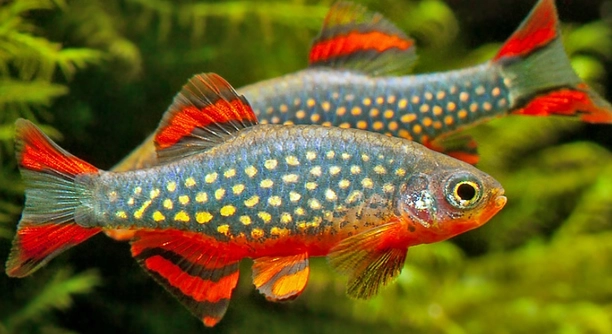
Have you ever brought home new danios and set up a separate tank for their quarantine? Watching them adjust can be exciting, but it’s important to pay attention to their behavior and health from the very start.
During a danio quarantine, there are seven warning signs to monitor closely. These include unusual swimming patterns, loss of appetite, visible injuries, faded coloration, clamped fins, rapid breathing, and abnormal growths. Early detection is essential for proper treatment and survival.
Knowing these signs can prevent bigger health issues and make sure your fish settle safely into their new home. Observing carefully will keep your quarantine process smooth and successful.
Unusual Swimming Patterns
During quarantine, I noticed my danios moving strangely. Some swam in circles, while others hovered near the surface or hid in corners. These odd movements often signal stress or illness. It’s easy to miss at first because they can look playful. However, consistent abnormal swimming is a clear warning. Changes in water temperature, poor water quality, or hidden parasites can all trigger these behaviors. I made sure to test the water daily and keep a close eye on the fish. Feeding habits also reflected their condition—some ignored food entirely, while others nibbled weakly. Observing how they interact with each other is equally important. Aggressive chasing or listlessness can indicate an underlying problem. Recording their behavior can help spot patterns. Immediate action, like isolating the affected fish or adjusting water conditions, can prevent the issue from worsening. Small interventions early on often make a big difference in recovery and long-term health.
Consistent abnormal swimming in danios is a key indicator of stress or disease. Observing patterns early helps prevent severe health problems.
Watching them closely made me realize that even subtle changes matter. Over time, I learned to differentiate normal playful bursts from concerning behavior. This attention helped me address issues before they escalated.
Loss of Appetite
Loss of appetite is easy to spot if you pay attention. A fish refusing food over several days is a warning.
When my danios stopped eating, I immediately checked water quality and temperature. Low oxygen or high ammonia levels often cause appetite loss. I also inspected them for visible signs of disease. Sometimes, stress from the quarantine tank itself can suppress feeding. I started offering small, varied meals to encourage eating. Even gentle hand-feeding can help prompt them. Recording their responses to different foods helped me understand what they preferred. Sometimes, one danio refused food while others ate, showing the problem might be individual. After adjusting the water and keeping the tank calm, most resumed normal eating. Being patient and consistent in care was essential. Noticing appetite changes early can prevent malnutrition and support faster recovery. Regular observation combined with proper water maintenance keeps the fish healthy.
Visible Injuries
Small cuts and torn fins appeared on a few of my danios. These injuries were easy to notice because they stood out against their bright colors. Quick attention helped prevent infections from developing.
I isolated the injured fish to a separate section of the quarantine tank. I also added a mild aquarium salt treatment to reduce stress and aid healing. Injuries often result from sharp decorations, aggressive tankmates, or rough handling. Observing the fish daily allowed me to see if wounds were improving or worsening. I removed anything in the tank that could cause further harm. Feeding gentle, easily digestible food helped maintain their strength while healing. Keeping water clean and monitoring ammonia levels were critical during this time. Over the next few days, the fish gradually regained normal swimming and activity.
The healing process taught me that even small injuries can escalate quickly if ignored. Simple preventive measures, like smoothing decorations and spacing fish properly, significantly reduced further risk. Being consistent with monitoring made me more confident in managing minor injuries effectively.
Faded Coloration
Faded colors appeared gradually on several danios. The change was subtle at first, but it became noticeable within a few days. Stress or illness usually causes this.
I focused on stabilizing water temperature and maintaining optimal tank conditions. Nutritional deficiencies can also dull coloration, so I adjusted their diet to include more variety and color-enhancing foods. Some fish needed a few extra days of quiet and consistent care to recover. Bright lighting and hiding spots helped reduce stress. Regular observation allowed me to identify which fish were improving and which needed additional support. I also ensured the tank was not overcrowded, as overcrowding worsens stress and slows color recovery.
It became clear that color changes are more than cosmetic—they indicate health. Addressing the underlying factors quickly, like water quality and diet, brought most of my danios back to their vibrant colors. Noticing even minor fading early can prevent more serious health problems later on.
Clamped Fins
I noticed some danios holding their fins tightly against their bodies. This made them look smaller and less active than usual. Clamped fins often indicate stress or infection.
Keeping water clean and stable helped most of the affected fish recover. I also avoided sudden movements around the tank to reduce stress.
Rapid Breathing
Rapid gill movement was visible on a few danios, especially after feeding. It usually signals low oxygen levels or gill irritation. I monitored oxygen levels and made sure the filter circulated water efficiently. Adjusting aeration and performing small water changes improved their breathing within a few days.
Abnormal Growths
One danio developed a small lump near its dorsal fin. Abnormal growths can result from bacterial infections, parasites, or tumors. I separated the affected fish and maintained spotless water conditions. Observing the growth daily allowed me to note any changes. Immediate action is essential to prevent spread or worsening.
How long should danios stay in quarantine?
I usually keep new danios in quarantine for at least two weeks. This period allows any hidden illnesses to appear before introducing them to the main tank. Watching their behavior, appetite, and physical condition during this time gives a clear picture of their health. Some minor problems can show up quickly, while others may take longer to notice.
What water conditions are best during quarantine?
Stable water is crucial. I keep the temperature consistent, usually around 24–26°C, and test ammonia, nitrite, and nitrate levels daily. Frequent small water changes prevent harmful buildup, and gentle filtration keeps the water clean without stressing the fish. Stress-free conditions reduce illness risks and support recovery.
How often should I feed quarantined danios?
I feed small amounts twice daily. Overfeeding can quickly pollute the water and worsen stress. Offering high-quality flake or frozen food ensures proper nutrition. I watch which fish are eating and adjust feeding if some refuse food. Patience is key to maintaining both nutrition and water quality.
How can I reduce stress in quarantine?
I provide hiding spots with plants or decorations and avoid sudden movements or loud noises around the tank. Soft lighting helps, and I maintain a quiet environment. Reducing stress supports immune health, encourages normal behavior, and helps the fish recover from minor injuries or illnesses.
What signs require immediate attention?
Any persistent abnormal swimming, clamped fins, rapid breathing, faded color, or visible injuries should be monitored closely. Severe lethargy, loss of appetite for several days, or spreading growths need urgent action. Isolating the affected fish, testing water, and adjusting care helps prevent serious health problems.
Is it necessary to medicate during quarantine?
Medication is only needed if signs of infection appear. I usually try improving water quality and reducing stress first. If a bacterial or parasitic infection becomes evident, targeted treatment helps stop spread. Overuse of medication can harm healthy fish, so careful observation guides my decisions.
Can I introduce quarantined danios to the main tank early?
I avoid early introduction because even subtle illnesses can spread quickly. Keeping them isolated for the full quarantine period ensures they are healthy and reduces stress for both new and established fish. Gradual acclimation helps them adjust safely to the main tank conditions.
What is the best way to handle quarantined fish?
I handle them minimally and gently. Using a soft net and moving fish slowly reduces stress and prevents injuries. Quick, careful handling during water changes or inspections is enough. Overhandling can trigger fin clamping, faded colors, and erratic swimming.
How can I prevent common quarantine problems?
Consistent water monitoring, proper nutrition, and minimizing stress are key. I avoid overcrowding and remove sharp decorations. Observing behavior and appearance daily helps catch problems early. These small actions prevent most common issues, keeping the quarantine period smooth and the fish healthy.
What should I do if multiple fish show warning signs?
I separate affected fish to individual sections if possible. Maintaining water quality and reducing stress remain the priority. If the problem persists, consulting a veterinarian or aquatic specialist ensures proper treatment. Early detection and intervention often prevent serious health issues.
How do I know when quarantine is complete?
When all fish eat normally, swim actively, maintain bright colors, and show no injuries or abnormal signs for at least two weeks, I consider quarantine complete. This period confirms they are healthy and ready for the main tank. Patience is crucial for long-term success.
Can quarantine improve long-term survival?
Yes, it significantly reduces disease risk. I’ve seen healthier fish thrive in the main tank when quarantine is done properly. It also allows time to correct water quality issues, heal minor injuries, and monitor behavior. Proper quarantine is an investment in their long-term health.
How should I monitor fish during quarantine?
Daily observation is essential. I note appetite, swimming patterns, fin condition, and color. Small changes often indicate emerging problems. Recording these observations allows me to respond quickly, adjust care, and prevent issues from worsening. Consistency is more important than constant intervention.
Is quarantine stressful for fish?
It can be if not managed well. I keep the environment calm, provide hiding spots, and maintain consistent conditions. Short-term stress from quarantine is outweighed by the benefits of preventing illness and protecting the main tank’s established fish.
What equipment is essential for a quarantine tank?
A small tank with gentle filtration, stable heater, thermometer, and hiding spaces works well. I keep nets, water testing kits, and basic treatment supplies nearby. Simple equipment makes observation and care easier, improving the chances of successful quarantine.
Quarantining danios is an important step that I have learned not to skip. Keeping new fish separate from the main tank helps prevent diseases from spreading and gives them time to adjust to a new environment. Even healthy-looking fish can carry infections that are not immediately visible, so observing them carefully during this period is crucial. Daily checks for swimming behavior, appetite, fin condition, and color changes allow me to notice problems early. Simple routines like feeding small amounts, keeping the water clean, and ensuring the temperature remains stable make a big difference in their overall health. I also learned that patience is key—trying to rush the process or introducing fish too soon can lead to unnecessary stress or illness.
During quarantine, I focus on creating a calm and safe environment. Providing hiding spots, gentle filtration, and stable lighting reduces stress and encourages normal behavior. I avoid overcrowding the tank because it can lead to aggression and weaken the immune system of the fish. Observing them daily helps me understand their individual behavior and notice small changes before they become serious issues. Even small injuries, color fading, or clamped fins can signal underlying problems that require attention. I make sure to adjust water conditions, offer nutritious food, and isolate any fish showing persistent warning signs. This consistent care ensures that by the time they join the main tank, the danios are healthy, strong, and ready to adapt to their new home.
Quarantine also teaches valuable lessons about fish care and tank management. Paying close attention to water quality, diet, and behavior improves not just the health of the new fish, but also the overall condition of the main tank once they are introduced. I have learned that early intervention is always better than waiting for a problem to worsen. By keeping the quarantine period organized, calm, and closely monitored, most issues can be resolved before they escalate. The process may feel tedious at first, but the benefits are clear. Healthy, active, and vibrant danios are easier to care for and enjoy watching in the long term. Quarantine is not just a precaution—it is an essential practice that helps ensure the well-being and longevity of the fish in my aquarium.

Hello,
If you enjoy the content that we create, please consider saying a "Thank You!" by leaving a tip.
Every little bit helps us continue crafting quality advice that supports the health, happiness, and well-being of pets around the world, for pets of all shapes, sizes, and species.
We really appreciate the kindness and support that you show us!