
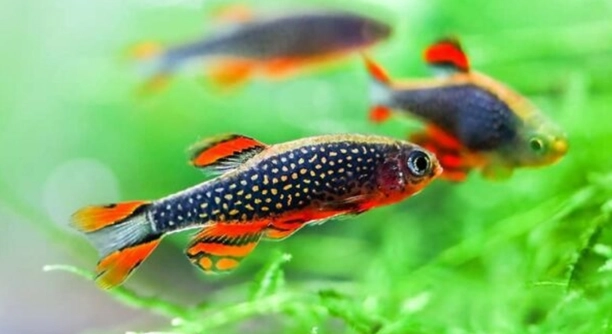
Breeding celestial pearl danios can feel exciting, yet small mistakes often create setbacks for new keepers. A gentle approach helps you understand their needs while avoiding common pitfalls that may disrupt their delicate breeding environment.
The key issues to avoid when breeding celestial pearl danios include overcrowding, poor water quality, and inadequate hiding spaces. These factors increase stress, hinder spawning success, and reduce fry survival, making controlled conditions essential for maintaining an effective breeding setup.
Understanding the basics of care will help you avoid simple mistakes and support healthy breeding conditions for celestial pearl danios.
Avoiding Overcrowding in the Breeding Tank
Keeping celestial pearl danios comfortable during breeding starts with giving them enough room to behave naturally in their tank. When the space feels tight, their stress rises quickly and their breeding patterns become irregular. I have learned that a calm setup with open swimming areas and gentle plant cover makes a noticeable difference in their behavior. Overcrowding can limit their movement, reduce oxygen levels, and make feeding less predictable, which affects the adults and the fry that follow. A lightly stocked tank helps each fish feel secure, and it keeps the environment stable while you monitor their behavior. By maintaining a clean layout with a moderate number of fish, you allow them to settle into a stable routine. This simple step supports better spawning activity and keeps problems to a minimum. It is a small detail that carries real weight when you want consistent breeding results in your setup today.
Keeping stocking levels low prevents stress from building up and keeps the tank balanced. It helps your celestial pearl danios behave naturally while reducing unwanted competition. A simple adjustment in numbers often brings noticeable improvements to breeding activity and general stability within the tank during calmer breeding periods each week.
Giving your fish room to move freely supports consistent spawning behavior and healthier adults. When the tank feels peaceful, celestial pearl danios settle quickly and begin showing more reliable patterns. I have noticed that calm conditions encourage them to explore plants, scatter eggs, and recover without pressure from other fish. This focus on gentle management helps maintain water quality and keeps the environment predictable. With fewer fish competing for shelter and food, you create a safer space for delicate fry. A mindful approach to stocking levels strengthens the entire process and keeps your breeding plans steady through each breeding cycle.
Maintaining Clean and Stable Water Conditions
Clean water supports every stage of breeding for celestial pearl danios. A steady routine of small water changes keeps waste low and oxygen levels stable. This simple habit protects adults, supports eggs, and gives fry a fair chance to grow without unnecessary stress in the tank during their early days.
Stable water conditions are essential when you want your celestial pearl danios to breed reliably and stay healthy through the entire process. Consistent parameters keep stress low and allow both adults and fry to develop without sudden shifts that could disrupt their progress. I have found that gentle maintenance, such as regular partial water changes and careful monitoring, makes a lasting difference in how the fish behave. When ammonia and nitrite remain at zero, their confidence grows, and they begin to explore plants and spawning areas with more comfort. A sponge filter offers smooth circulation that protects tiny fry while keeping debris under control. Avoid using harsh equipment or strong currents because these can disturb eggs or weaken small fish. Paying attention to temperature, pH, and cleanliness builds a steady environment that remains predictable day after day. This stable setting supports safe egg development, stronger fry, and healthier adults. Over time, your care routine becomes a reliable foundation that keeps breeding cycles smooth and reduces avoidable setbacks in your tank. Consistent attention to small details helps each stage progress naturally, giving your fish the support they need for dependable results throughout the breeding season in a calm stable tank always.
Protecting Eggs From Predation
Egg predation happens quickly when adults or other tank mates are left unsupervised. Removing the adults soon after spawning keeps the eggs safe and prevents chasing. Gentle plant cover or mesh also helps create a calm space where eggs stay untouched and stable throughout early development.
Separating adults from the breeding area after spawning gives the eggs the best chance to develop without interference. I have seen how fast eggs can disappear when curious fish linger too long. Using fine plants or spawning mops keeps the eggs out of sight and makes it easier for you to monitor them. A small dedicated container for the eggs works well if you prefer a more controlled setup. Keeping the space clean and still helps ensure that each egg remains stable until it begins to develop into fry.
Monitoring the area during the first few days is important because this stage is delicate. Eggs need clean water, soft circulation, and a peaceful environment. Avoid bright lighting or sudden disturbances because these can cause stress. Once the fry begin to hatch, they benefit from gentle filtration and a quiet space where they can find microscopic food without heavy competition. Careful handling at this point builds a strong foundation for the rest of their growth.
Providing Appropriate Food for Growing Fry
Feeding fry correctly supports fast development and prevents weak growth. Small live foods offer steady nutrition and encourage natural feeding behavior. Starting with tiny options like infusoria keeps the fry active and confident while they learn to seek food throughout the tank space without trouble.
As the fry grow, their needs shift quickly, and adjusting food size helps them develop without setbacks. I have seen how micro foods keep young fish strong and help them develop proper color and shape. Offering freshly hatched brine shrimp or powdered fry foods works well once they are large enough to handle them. Maintaining a regular feeding schedule keeps growth consistent. Gentle cleaning after each feeding prevents waste from building up and protects the fry from sudden dips in water quality. By keeping their meals small and frequent, you support steady development and reduce stress during their earliest stages of life.
Continue the article with the following outline and format. Do not write an intro for each header, get straight to the point. Do not use a greeting. Make it feel slightly personal. Write in a simplistic style. Do not greet the reader.; Outline and Format: ; Header: xxxxxxxxxxxxxxxxxxx; 50 words paragraph; 50 words paragraph; Header: xxxxxxxxxxxxxxxxxxx; 100 words paragraph; Header: xxxxxxxxxxxxxxxxxxx; 50 words paragraph; Note: Skip the intro, get straight to the point. The rest of the headers will be provided later, so do not write them yet. Skip the conclusion, and recap. Respect the given word count for every paragraph.
FAQ
How do I know if my celestial pearl danios are ready to breed?
Mature danios show brighter colors and more active behavior when ready. Males often chase females lightly and display vibrant spots. Females appear rounder in the belly from developing eggs. Observing these signs over several days helps confirm readiness without stressing the fish with abrupt changes in their environment.
What is the best tank setup for breeding?
A small, well-planted tank with soft substrate works best. Include hiding spots like fine-leaved plants or spawning mops. Keep the water clean with gentle filtration and maintain stable temperature and pH. Avoid overcrowding to reduce stress and encourage natural spawning behavior.
How often should I change water during breeding?
Frequent small water changes are better than large ones. Changing 10–20% of the water daily keeps parameters stable and removes excess waste. Sudden large changes can shock both adults and eggs, causing stress or reducing fry survival.
What type of food should I give breeding adults?
High-quality, protein-rich foods help adults prepare for spawning. Live foods like daphnia or micro worms, along with frozen alternatives, encourage natural feeding behavior and improve egg quality. Avoid overfeeding, which can pollute the tank and harm water conditions.
How can I protect eggs from being eaten?
Remove adults after spawning or use a breeding net to separate eggs. Spawning mops and dense plant cover can help shield eggs. Gentle observation ensures that eggs remain safe while water conditions stay stable, supporting healthy development.
How do I care for the fry after hatching?
Fry need tiny food like infusoria for the first few days. Gradually introduce micro foods and baby brine shrimp as they grow. Keep water clean and maintain gentle circulation. Avoid strong light or sudden disturbances, which can stress the young fish.
Why are my eggs not hatching?
Poor water quality, temperature fluctuations, or infertile eggs are common causes. Check ammonia, nitrite, and pH levels, and maintain stable conditions. Make sure adults were healthy and properly fed before spawning, as weak or stressed fish often produce non-viable eggs.
How quickly do fry grow?
Growth varies with feeding and water quality. With proper care, fry begin swimming freely within 3–4 days and start accepting larger food within a week. Regular feeding and clean water accelerate healthy growth and help fry develop strong coloration and size.
Can I breed multiple pairs in the same tank?
It is possible, but I have noticed conflicts arise with more than one pair. Overcrowding increases stress, reduces egg survival, and can lead to aggression. Using separate tanks or compartments often results in higher fry survival and less stress for the adults.
What are the common mistakes to avoid?
Overcrowding, poor water quality, sudden environmental changes, strong currents, and inadequate feeding are the main issues. Each factor increases stress and reduces breeding success. Maintaining calm, clean, and consistent conditions is the simplest way to support successful spawning and healthy fry growth.
How long does it take for fry to reach maturity?
Fry typically reach maturity around 4–6 months with proper care. Growth rate depends on feeding quality, water stability, and tank conditions. Providing a stress-free, clean environment ensures they develop color, size, and behavior suitable for breeding once they mature.
Is it necessary to remove fry from the breeding tank?
Separating fry is not always required if adults are removed after spawning. If adults remain, they may eat the eggs or fry. Using a dedicated rearing tank or breeder box ensures higher survival rates and allows for more controlled feeding and monitoring of growth.
How often should I check water parameters?
Daily monitoring during breeding helps prevent small problems from becoming serious. Tracking temperature, pH, ammonia, and nitrite keeps the tank stable and protects both eggs and fry. Consistent observation reduces stress and supports a smooth breeding process.
What is the ideal temperature for breeding?
A stable temperature between 24–26°C (75–79°F) is usually optimal. Fluctuations can disrupt spawning and slow fry development. I have noticed that maintaining this range encourages consistent breeding behavior and increases the chances of healthy egg hatching.
How can I encourage more frequent spawning?
Feeding high-quality protein foods and maintaining calm, stable conditions helps adults become more active and ready to spawn. Gentle water changes and a quiet environment signal safety. Over time, repeated care and observation allow predictable spawning cycles to occur naturally.
Final Thoughts
Breeding celestial pearl danios can be very rewarding, but it requires careful attention to small details. These fish are delicate, and their success depends on providing the right environment, consistent care, and patience. Overcrowding, sudden changes, and poor water quality are common issues that can reduce breeding success. I have found that keeping a calm, well-maintained tank with enough space for each fish makes a noticeable difference. Adults show more natural behavior when they are not stressed, and the eggs and fry are more likely to survive. Taking the time to observe their habits allows you to notice small signs that indicate readiness to spawn, health issues, or environmental stress. Consistent care during the entire breeding process helps create a stable setup that supports both adult fish and their developing fry, leading to a better overall experience.
The right food and feeding routine are essential for healthy breeding. Adults need high-quality protein to produce strong, viable eggs, while fry require small, suitable foods in their first days. I have learned that starting with tiny live foods like infusoria, then gradually introducing micro foods or baby brine shrimp, supports steady growth. Overfeeding can be just as harmful as underfeeding, as leftover food pollutes the water and stresses the fish. Maintaining a regular feeding schedule and cleaning the tank gently helps keep water parameters stable. These small habits, when done consistently, make a big difference in the long-term health and success of your breeding efforts. Even minor adjustments, like lowering flow rates or adding soft plant cover, can improve fry survival and encourage adults to spawn more reliably. By focusing on simple, steady care, breeding becomes manageable and less stressful for both the fish and the keeper.
Attention to environmental stability is another critical factor. Sudden changes in temperature, lighting, or water chemistry can quickly upset adults and fry. I have seen eggs fail to hatch or fry become weak when conditions fluctuate too much. Using gentle filtration, soft lighting, and small, frequent water changes helps maintain a predictable environment. Keeping a quiet and calm atmosphere around the tank also reduces stress and encourages natural behavior. Protecting eggs from adults or other fish, separating fry when necessary, and monitoring water parameters regularly all contribute to higher survival rates. Breeding celestial pearl danios is a process that benefits from patience, observation, and consistent care. Each careful step, from tank setup to feeding and water maintenance, creates an environment where fish thrive naturally, producing healthy, vibrant fry over time. By focusing on these fundamentals, you can ensure successful breeding while keeping your fish happy and stress-free.

Hello,
If you enjoy the content that we create, please consider saying a "Thank You!" by leaving a tip.
Every little bit helps us continue crafting quality advice that supports the health, happiness, and well-being of pets around the world, for pets of all shapes, sizes, and species.
We really appreciate the kindness and support that you show us!