
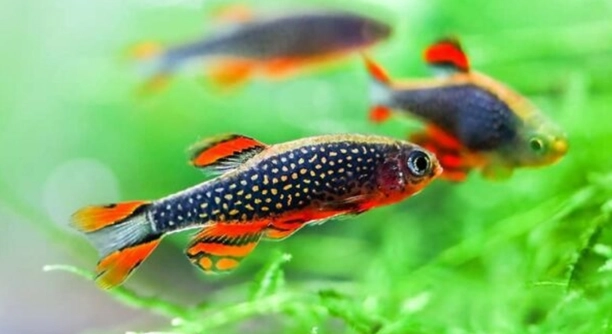
Many aquarists enjoy keeping danios because of their lively nature and graceful swimming patterns. Observing them explore their environment can be calming, yet providing a setup that boosts their confidence is often overlooked in typical tank designs.
Creating plant layouts that enhance danio confidence involves careful consideration of spacing, hiding spots, and plant density. Arranging plants strategically reduces stress, encourages natural swimming behaviors, and supports social interactions, promoting a healthier and more active community of danios.
These layouts go beyond aesthetics, offering real benefits for your fish’s well-being. Simple adjustments can significantly improve how danios feel and behave in their aquarium.
Dense Foreground Planting
Placing dense plants at the front of the tank gives danios a sense of security and reduces stress. When the foreground is filled with low-growing plants, it creates sheltered spaces for them to hide if they feel threatened. This setup mimics natural conditions, allowing fish to explore at their own pace while always having a retreat nearby. Dense planting also encourages natural swimming patterns, as danios weave through the foliage, making the tank more engaging for them. Using species like dwarf hairgrass or small carpeting plants can achieve this effect without overwhelming the tank. Consistent maintenance, including trimming and removing debris, is important to keep the plants healthy and ensure the space remains navigable. Overgrown plants can restrict movement and create water flow issues, so balance is key. Adding a few rocks or small decorations in combination with plants can enhance hiding spots while maintaining visual interest, creating a calm and stimulating environment for danios.
Dense foreground planting offers immediate shelter while improving overall tank aesthetics for both fish and observers.
When foreground plants are abundant but manageable, danios feel more confident and active. They swim more freely, showing natural schooling behaviors without hiding constantly. Proper lighting enhances plant growth, maintaining healthy coverage, and creating a stable environment. Over time, fish establish territories near planted areas, reducing aggressive interactions and fostering peaceful coexistence.
Mid-Tank Vertical Layers
Vertical layering with medium-height plants allows danios to move between open and sheltered spaces. This design gives them options to explore horizontally and vertically, reducing stress in a confined environment. Medium plants like java fern or anubias can be anchored to rocks or driftwood to create structure without blocking the entire tank. Proper spacing ensures water circulation and prevents overcrowding, which can trigger skittish behavior. These layers break the tank into distinct zones, helping fish feel more secure. Vertical layers also add visual depth, making the tank appear fuller while maintaining open swimming areas in the center. Combining vertical plants with a few floating species provides partial shading, which further calms danios and reduces sudden darting movements caused by bright lights. Maintaining these layers requires occasional pruning to prevent dense patches that could hinder movement. Overall, vertical layering balances shelter and open space, fostering healthy activity levels.
Adding mid-tank vertical layers improves habitat complexity, giving danios confidence while swimming through multiple zones.
These layers create a structured environment that supports schooling and natural exploration. Danios can choose sheltered paths along plant stems or open areas for faster swimming. Vertical layers reduce stress, encourage interaction, and make the tank appear lively yet balanced. Proper maintenance ensures growth does not overwhelm open swimming spaces.
Floating Plant Canopy
Floating plants create shaded areas that calm danios and reduce stress. They offer shelter from bright lighting while leaving open swimming space below, encouraging natural exploration and activity without feeling exposed.
These plants, such as duckweed or frogbit, help regulate light penetration and soften the tank environment. Danios use the shadowed areas for brief retreats, which lowers aggression and promotes confidence. Floating plants also aid water quality by absorbing excess nutrients, which helps prevent algae growth. Positioning them evenly across the surface ensures enough light reaches lower plants while providing scattered coverage for hiding spots. Occasional thinning prevents overcrowding, maintaining open swimming areas and easy access to food. Floating plants can also gently sway with water flow, adding movement that stimulates danios’ curiosity while maintaining a sense of safety.
Combining floating plants with mid-height and foreground plants creates a layered, natural habitat. This layout encourages danios to swim through different zones, balance activity with rest, and interact safely, boosting overall confidence in the tank environment.
Background Bushes
Background bushes provide tall, dense cover at the rear of the tank. They give danios a secure boundary, reducing stress from perceived threats while creating a visually pleasing backdrop.
Using plants like vallisneria or rotala along the back enhances depth and structure, allowing fish to weave in and out while exploring the middle and foreground. The tall growth shields them from sudden movements outside the tank and reduces reflections that may startle skittish danios. Proper spacing ensures water flow and circulation, preventing dead zones that could affect oxygen levels. Regular trimming keeps the bushes healthy and prevents them from overshadowing other plants or obstructing the view. Background bushes can also anchor decorations or driftwood, adding more hiding spaces without cluttering the tank. Integrating varying heights and textures in the background creates a dynamic yet secure environment, giving danios multiple options for swimming routes and rest areas.
These rear bushes improve tank structure and visual appeal while promoting confident swimming behavior. Danios feel safe knowing they have a retreat, which supports peaceful social interaction and natural schooling patterns throughout the tank.
Open Swimming Zones
Open swimming areas give danios space to move freely and exercise. Without overcrowding, they can school naturally, reducing stress and promoting active behavior.
These zones should be kept clear of dense plants or decorations. Leaving room in the center allows faster swimming and encourages social interaction, which boosts confidence and overall well-being.
Rock and Driftwood Structures
Strategically placed rocks and driftwood provide hiding spots and break up the tank visually. Danios use these structures to feel safe while exploring, reducing anxiety. Incorporating smooth, rounded surfaces prevents injury and allows fish to navigate easily. Mixing small clusters with larger pieces creates natural swim paths and shelters that feel familiar.
Sloped Substrate
A gentle slope in the substrate adds dimension while offering natural resting areas. It guides water flow, reduces debris buildup, and gives danios varied terrain to explore safely.
FAQ
How do I choose plants that make danios feel confident?
Selecting the right plants is about balancing shelter with open space. Dense foreground plants provide hiding spots while mid-height and background plants create layers for exploration. Floating plants add shade, which reduces stress, and hardy species like java fern or anubias can survive a variety of tank conditions. Avoid overcrowding, and keep spaces clear for swimming.
Can danios feel stressed if the tank is too bare?
Yes, an empty tank can make danios feel exposed. They naturally seek shelter and boundaries in their environment. Without plants or decorations to break up the open space, fish may dart nervously, show signs of aggression, or hide near the corners. Even a few strategically placed plants or driftwood pieces can create security zones that calm them.
How often should I trim plants to maintain confidence-boosting layouts?
Regular trimming is essential to maintain open swimming zones and prevent dense patches from restricting movement. Generally, check plants every two to three weeks and remove excess growth. This keeps the tank visually appealing, maintains water circulation, and ensures danios have multiple paths and hiding spots, preserving their natural behavior.
Do floating plants affect water quality for danios?
Floating plants help improve water quality by absorbing excess nutrients and reducing light penetration, which limits algae growth. They also provide shaded areas that lower stress levels. However, overcrowding floating plants can block light from reaching other plants and hinder water flow. Periodic thinning keeps the tank balanced and healthy for danios.
Are rocks and driftwood necessary for danio confidence?
While not strictly required, rocks and driftwood enhance the environment by creating secure hiding spots and visual boundaries. Smooth, rounded pieces allow fish to swim around safely, while clusters form natural paths that reduce stress. Using these structures in combination with plants maximizes both security and exploration opportunities.
Can substrate shape influence danio behavior?
Yes, a gently sloped substrate helps create natural zones and resting areas. It can guide water flow, reduce debris buildup, and provide variation in terrain. Danios enjoy exploring subtle changes in substrate while feeling safe in both shallow and deeper areas. Keeping it stable and clean prevents stress and supports healthy swimming patterns.
How do I balance open space and plant density?
A confident tank provides a mix of open swimming zones and dense plant areas. Foreground plants offer hiding, mid-height and background plants create layers, and floating plants provide shade. Leaving clear pathways in the center allows schooling and active swimming. Monitoring growth and trimming excess ensures the balance is maintained without overcrowding.
Can social dynamics be affected by tank layout?
Absolutely. When danios have defined zones and hiding spots, aggressive interactions decrease. Open areas encourage schooling, while plants and structures allow shy individuals to retreat when needed. A thoughtfully arranged layout supports natural behaviors, reduces stress, and helps maintain peaceful social interactions among all tank inhabitants.
What’s the easiest way to start a confidence-boosting layout?
Begin with dense foreground plants, a few mid-height vertical layers, and background bushes for depth. Add floating plants sparingly and include a couple of smooth rocks or driftwood pieces. Leave open swimming space in the center, observe how danios interact, and adjust plants or structures as needed to maintain security and movement.
How do I ensure long-term success with these layouts?
Consistent maintenance is key. Trim plants regularly, thin floating species, and clean debris from the substrate. Monitor water parameters, maintain proper lighting, and adjust decorations as the tank matures. By observing fish behavior and responding to their needs, you can keep a healthy, confident environment that encourages natural activity and reduces stress over time.
This FAQ provides practical guidance to help danios feel safe and active, combining plant placement, decorations, and maintenance strategies to create an optimal habitat.
Final Thoughts
Creating a tank that boosts danio confidence is about more than just making it look nice. It requires understanding how these fish behave and what they need to feel secure. Danios are naturally active and social, and they respond to their environment in very obvious ways. A well-planned layout can reduce stress, encourage healthy swimming patterns, and support their social interactions. By including dense foreground plants, mid-height layers, background bushes, and floating plants, you give them multiple options for hiding, resting, and exploring. Rocks and driftwood further add structure and boundaries, making the tank feel safe while also allowing for natural behaviors. Even the shape of the substrate can influence how danios move and where they feel most comfortable. Each component has a purpose, and the combination creates a balanced habitat that benefits the fish physically and mentally.
Maintaining this kind of tank is an ongoing process. Regular trimming of plants prevents overcrowding, ensures open swimming areas remain accessible, and maintains good water flow. Floating plants need occasional thinning to allow light to reach other plants, while background and mid-height plants must be monitored to prevent them from dominating the tank. Cleaning the substrate and checking water quality also play a major role in creating a stable environment. When all these elements work together, danios can display their natural behaviors confidently. Observing how fish interact with each part of the tank provides insight into whether adjustments are needed. Small changes, like repositioning a rock cluster or trimming a dense plant, can make a noticeable difference in how the fish feel. Over time, the tank becomes a living ecosystem where plants, decorations, and fish coexist harmoniously.
The benefits of a confidence-boosting layout go beyond reducing stress. Danios are more active and healthier in a well-structured tank, and their social behaviors improve. Fish that feel secure tend to explore more, swim with purpose, and show less aggression. The tank also becomes visually engaging, with layers of plants, open swimming zones, and natural structures creating depth and interest. This approach helps ensure that both the fish and the environment thrive together. By carefully considering plant placement, structure, and space, you create a tank that is functional, safe, and stimulating. Maintaining it consistently reinforces these benefits, allowing danios to live in a habitat that mirrors their natural tendencies. With patience and attention, a thoughtfully arranged aquarium can provide a home where danios feel confident every day.

Hello,
If you enjoy the content that we create, please consider saying a "Thank You!" by leaving a tip.
Every little bit helps us continue crafting quality advice that supports the health, happiness, and well-being of pets around the world, for pets of all shapes, sizes, and species.
We really appreciate the kindness and support that you show us!