
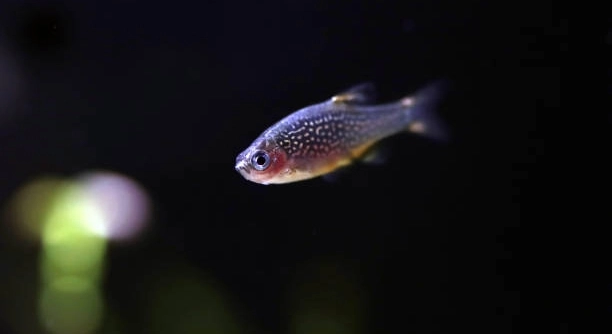
Raising fry in soft water can be a delicate process that requires patience and attention. Observing their behavior, growth, and environment closely helps ensure that each little fish thrives under these conditions. Every detail matters in early development.
Soft water presents unique challenges and opportunities for fry development. It influences growth rates, survival, and health outcomes, requiring careful monitoring of water parameters, feeding schedules, and tank conditions to optimize the early life stages of freshwater fish.
These observations provide essential guidance for anyone caring for fry, helping improve their survival and promoting a healthy, balanced aquatic environment.
Adjusting to Soft Water Slowly
When I first introduced fry to soft water, I noticed immediate changes in their activity and feeding patterns. Soft water lacks the high mineral content of harder water, which can affect their osmoregulation and overall comfort. I made sure to acclimate them gradually, mixing tank water with their original water over several hours. Observing small movements and responses during this process gave me a better understanding of how sensitive fry can be to sudden environmental changes. Some fry were more active than others, while a few stayed near the bottom, seemingly adjusting at their own pace. Maintaining stable water parameters, including temperature and pH, proved essential. Even minor fluctuations caused noticeable stress. I also noticed that gentle aeration helped them adapt more easily, preventing lethargy and encouraging natural swimming behavior. Careful feeding during this period was key, offering tiny portions to avoid water contamination. This slow transition allowed fry to thrive without significant losses.
Acclimating fry gradually prevents shock and supports healthy adaptation, minimizing stress and promoting normal feeding and swimming behaviors.
Slow adjustments to soft water are critical because fry are extremely sensitive to sudden changes. Observing their reactions closely ensures they adapt safely, reducing mortality rates. Keeping water stable, feeding small amounts, and avoiding abrupt shifts in temperature or pH are necessary practices. Additionally, separating weaker fry from more active ones can prevent competition and stress. Over the first week, careful monitoring helped me identify which individuals needed extra attention. Using a small, gentle air source also improved water circulation and oxygenation, supporting their development. Each fry reacted differently, highlighting the importance of patience and consistency in maintaining soft water conditions. By keeping the environment stable and observing closely, I was able to maintain healthy growth and reduce stress-related losses.
Feeding Strategies for Soft Water Fry
In soft water, fry often react differently to food. I observed that some preferred smaller, more frequent feedings rather than larger portions. Overfeeding quickly clouded the water, impacting oxygen levels and overall water quality. Using finely crushed flakes or specialized fry food ensured that every little fish received adequate nutrition without leaving excess waste behind. Live food such as baby brine shrimp or micro worms helped improve activity levels and accelerated growth. I also noticed that fry tended to nibble at surfaces or plants, indicating curiosity and natural foraging behavior. Rotating food types helped maintain interest and ensured they received a variety of nutrients. Patience was important during feeding times, as some fry were timid and slower to approach food. Keeping a consistent schedule minimized stress and allowed me to track growth more effectively. Monitoring leftovers and adjusting portions daily prevented deterioration in water quality, which is crucial in soft water setups.
Feeding fry in soft water requires patience, variety, and careful portion control to maintain healthy growth and water quality.
Proper feeding in soft water involves observing behavior, providing high-quality food, and preventing overfeeding. Fry are sensitive to water quality, and excess food quickly degrades soft water, leading to stress or illness. Offering live food occasionally stimulates natural instincts and improves activity, while powdered or finely crushed food ensures they can eat without competing. Scheduling small, frequent feedings maintains consistent energy levels and supports growth. Observing how fry react to each type of food helps identify dietary preferences and weaknesses, allowing for adjustments. Over time, they develop predictable routines and gain strength, which is especially important in a soft water environment where mineral content is low. Consistency, variety, and careful monitoring together support a balanced diet and minimize risks associated with poor water quality or nutritional deficiencies. By maintaining these practices, fry growth becomes steady, and survival rates improve.
Monitoring Water Parameters
Keeping track of water parameters in soft water is critical. I regularly test pH, ammonia, nitrite, and nitrate levels. Small shifts can stress fry quickly, so consistency is key. Observing behavior often signals early changes that instruments may not catch immediately.
Daily monitoring allows me to notice subtle changes before they become serious. Soft water can fluctuate easily, and even minor deviations in pH or temperature can affect fry activity and growth. I use small test kits to measure ammonia, nitrite, and nitrate levels, ensuring toxins remain low. Temperature is checked twice daily to maintain stability, as fry are sensitive to sudden drops or rises. By observing both water chemistry and fry behavior, I can react quickly, adjusting conditions to prevent stress and encourage steady development.
I also track hardness and mineral content, noting how they influence fry feeding and growth. Some fry respond differently to slight changes in calcium or magnesium levels. Soft water naturally lacks minerals, so I occasionally supplement carefully. Maintaining aeration and gentle filtration helps prevent stagnation and keeps oxygen levels sufficient. Observing bubbles, water clarity, and fry swimming patterns provides insight into overall water quality. Over time, these practices create a stable environment, minimizing losses and supporting healthy fry development. Consistency is essential for long-term success.
Observing Growth Patterns
Fry growth in soft water varies significantly between individuals. I measure and note sizes weekly to track development and spot slower-growing fish.
Tracking growth helps identify trends and potential health issues. In soft water, some fry grow steadily, while others remain smaller for longer periods. Nutrition, water quality, and genetics all play roles. Measuring weekly allows me to adjust feeding and tank conditions if necessary. I also observe body shape, fin development, and activity levels to assess overall health. By recording data consistently, I can compare fry and determine if intervention is needed.
I noticed that fry in soft water often develop slightly slower but remain active and healthy. Differences in growth can appear within a single batch, so separating the smallest individuals ensures they are not outcompeted. Adjusting feeding and monitoring water quality helps even slower-growing fry catch up. Environmental stability, consistent feeding, and careful observation work together to promote balanced development. Over several weeks, even initially smaller fry can reach normal size with proper care. Keeping detailed records of growth patterns allows me to track progress and prevent unnoticed issues, creating a stronger, more resilient population.
Behavior Differences in Soft Water
Fry in soft water often display calmer swimming patterns. They explore slowly and hover near plants or decorations, adjusting gradually to their environment.
Some fry are more cautious, while others remain active near the surface. Soft water seems to encourage slower, deliberate movements that reduce stress and energy use.
Signs of Stress
Stress in fry is often subtle. I watch for clamped fins, reduced feeding, or erratic swimming. These behaviors indicate water conditions or feeding routines need adjustment to prevent long-term health issues.
Tank Setup Considerations
Soft water requires gentle filtration and minimal disturbance. I use sponge filters and avoid strong currents. Live plants provide hiding spots and stabilize water chemistry. Choosing appropriate substrate and maintaining clean, oxygen-rich water supports healthy fry development and reduces stress, allowing them to grow steadily and remain active.
Tracking Survival Rates
Survival rates vary with water quality and feeding consistency. I record daily counts to notice trends and address issues quickly, ensuring fry have the best chance to thrive.
FAQ
How often should I test soft water for fry?
Testing soft water daily during the first few weeks is essential. I check pH, ammonia, nitrite, nitrate, and temperature. Fry are highly sensitive to sudden changes, so frequent monitoring helps catch any problems early. Once the water stabilizes, testing every few days may suffice, but I still observe behavior daily. Small shifts in pH or temperature can stress fry, affecting feeding and growth. Keeping detailed records allows me to compare trends over time and adjust conditions as needed.
What is the best food for fry in soft water?
Small, frequent feedings work best. I use finely crushed flakes, powdered fry food, and occasionally live foods like baby brine shrimp. Live food stimulates natural foraging behavior and encourages activity. Powdered food ensures even the tiniest fry can feed without competition. Rotating food types provides balanced nutrition and keeps fry interested. Overfeeding must be avoided because uneaten food quickly clouds soft water and reduces oxygen. Feeding in small portions several times a day supports growth while maintaining water quality.
How can I reduce stress in soft water fry?
Gradual acclimation is key. I slowly mix tank water with their previous water over hours to prevent shock. Gentle aeration and minimal current help fry adjust comfortably. Observing swimming patterns and feeding behavior allows me to intervene early if stress appears. Consistent feeding schedules and stable temperature further reduce stress. Providing plants or hiding spots also gives fry a sense of security, supporting natural behaviors. Avoiding sudden light or noise changes helps maintain calm conditions. Stress management directly impacts growth, health, and survival.
Why do some fry grow slower in soft water?
Soft water naturally has fewer minerals, which can slow growth in some individuals. Genetics and competition for food also play a role. I separate smaller fry from more active ones to ensure they get enough nutrition. Consistent feeding, water quality, and monitoring growth patterns help slower fry catch up. Over time, with stable conditions, many initially smaller fry reach normal size. Tracking individual growth is important to identify potential nutritional or environmental issues early.
Can I use tap water for soft water fry?
Tap water often needs treatment before use. I test hardness, pH, and chlorine levels. Softening tap water may require reverse osmosis or mixing with distilled water. Conditioning with dechlorinators ensures the water is safe for delicate fry. Sudden changes in water chemistry can stress or kill fry, so careful preparation is necessary. Gradual acclimation to the tank water helps fry adjust. I always monitor behavior and water parameters closely after introducing new water to prevent shock.
How do I know if my fry are healthy?
Active swimming, regular feeding, and clear eyes are good signs. I look for even growth and smooth body shapes. Clamped fins, erratic movements, or lethargy indicate stress or illness. Consistent observation, water testing, and proper nutrition maintain health. Monitoring behavior over time helps detect subtle problems early. Healthy fry also respond to live food and interact naturally with their environment. Maintaining stable water parameters and minimizing stress increases the likelihood of strong, thriving fry.
What should I do if water becomes cloudy?
Cloudiness usually indicates overfeeding or bacterial bloom. I reduce feeding, perform partial water changes, and check filtration. In soft water, fry are sensitive to ammonia and nitrite spikes, so cleaning the tank carefully without disturbing fry is important. Observing behavior during these adjustments helps ensure stress is minimized. Regular maintenance prevents recurring issues and maintains stable conditions. Aeration and gentle filtration support water clarity and oxygen levels, which are crucial in soft water setups.
How often should I perform water changes for soft water fry?
I perform small, frequent changes instead of large ones. Replacing 10-20% of the water a few times a week maintains stability. Large changes can shock fry or alter water chemistry rapidly. Partial changes remove waste and replenish essential minerals without causing stress. I always pre-treat new water and match temperature and pH closely. This routine ensures fry remain in a clean, stable environment, promoting steady growth and reducing health risks.
Is it necessary to use live plants with soft water fry?
Live plants are helpful but not mandatory. I include plants to provide hiding spots, stabilize water chemistry, and improve oxygen levels. Fry often explore and nibble on plants, which encourages natural behavior. Plants also reduce algae growth and contribute to a balanced ecosystem in the tank. Maintaining plant health through proper lighting and trimming supports water quality. Even a few strategically placed plants can improve survival rates and overall fry well-being in soft water conditions.
How do I prevent mold or fungus in soft water tanks?
Maintaining clean conditions is essential. I remove uneaten food quickly and avoid overfeeding. Gentle filtration, regular water changes, and monitoring water parameters prevent mold or fungal growth. Soft water is more prone to rapid bacterial changes, so keeping the tank clean supports fry health. I inspect eggs, uneaten food, and decorations regularly. Treating infected areas promptly prevents spread. By keeping water clear and consistent, I reduce the likelihood of fungal issues and create a safer environment for fry.
Raising fry in soft water requires attention, patience, and consistency. Soft water naturally lacks minerals, making fry more sensitive to changes in their environment. Observing behavior, swimming patterns, and feeding habits closely provides important insight into their health and well-being. Small fry can react strongly to minor fluctuations in pH, temperature, or water chemistry, so monitoring these conditions is essential. Gradual acclimation when introducing fry to soft water helps prevent stress and allows them to adjust safely. Maintaining a stable environment, including gentle filtration, proper aeration, and minimal disturbance, supports steady growth and reduces risks of illness or mortality. Over time, careful observation and management allow fry to develop naturally while avoiding common problems that arise in soft water setups. Even small details, such as providing hiding spots or adjusting feeding frequency, can have a significant impact on fry survival and development.
Feeding plays a crucial role in the growth of fry in soft water. Offering small, frequent portions ensures all fry receive adequate nutrition without compromising water quality. Live foods such as baby brine shrimp or micro worms encourage natural foraging behaviors and improve activity levels. Powdered or finely crushed dry food ensures that the tiniest fry can feed efficiently. Rotating food types provides a balanced diet, supporting healthy growth while reducing competition among fry. Monitoring leftovers and removing uneaten portions prevents water contamination, which is particularly important in soft water environments. By combining careful feeding practices with consistent observation, fry can develop steadily even under the challenges presented by low-mineral water. This approach ensures that both active and slower-growing fry have the opportunity to thrive, resulting in a healthier population overall.
Maintaining water quality and tracking fry development are equally important for success in soft water setups. Daily testing of pH, ammonia, nitrite, and nitrate levels allows for early detection of potential problems. Partial water changes, gentle filtration, and stable temperatures all contribute to a balanced environment. Observing individual growth patterns and adjusting care for smaller or weaker fry ensures even development. Over time, attention to these details reduces stress, supports survival, and promotes healthy growth. While raising fry in soft water requires careful planning and ongoing management, it is rewarding to see them gradually adapt, grow, and thrive. Consistency, patience, and observation form the foundation of successful fry care in soft water, creating conditions that allow them to develop naturally and reach their full potential.

Hello,
If you enjoy the content that we create, please consider saying a "Thank You!" by leaving a tip.
Every little bit helps us continue crafting quality advice that supports the health, happiness, and well-being of pets around the world, for pets of all shapes, sizes, and species.
We really appreciate the kindness and support that you show us!