
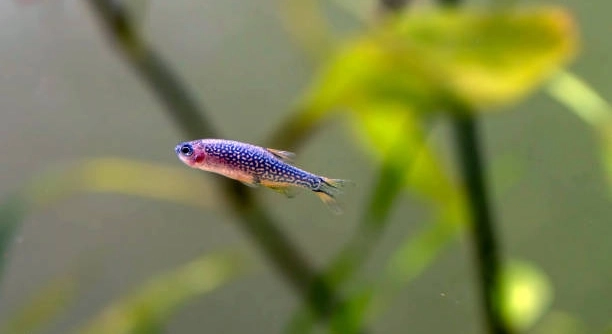
Have you ever wanted to improve your danio tank without risking your fish’s safety? Adding small, safe features can make your tank more engaging and visually appealing. Simple changes can enrich your fish’s daily environment.
The safest DIY additions for a danio tank include live plants, smooth rocks, gentle water currents, floating decorations, hiding spots, soft substrate, and non-toxic ornaments. Each element supports natural behaviors and ensures the health and comfort of the fish.
Understanding these additions can make your tank a healthier, more stimulating home for your danios, enhancing both their activity and your enjoyment of the aquarium.
Live Plants
Adding live plants to a danio tank provides both aesthetic appeal and functional benefits. Plants improve water quality by absorbing nitrates and offer hiding spots that reduce stress for your fish. Popular choices include Java moss, Anubias, and Java fern because they are hardy and easy to maintain. When planting, ensure roots are gently covered without crushing them, and trim overgrown leaves to keep the tank tidy. Live plants also encourage natural behavior such as exploring and grazing. Position taller plants at the back and shorter varieties near the front for a balanced look. Lighting should support plant growth without overheating the tank. Avoid adding too many plants, as this can reduce swimming space and impede water flow. Regularly check for decaying leaves to prevent water quality issues. Live plants can transform a simple tank into a more dynamic, healthier environment for your danios, making maintenance simpler and more rewarding.
Plants can provide oxygen, shelter, and a sense of security while enhancing the overall tank appearance naturally.
By carefully selecting plants suited for danio tanks, you create areas for exploration and resting. Floating plants can offer shade, while rooted plants give vertical space and natural hiding spots. A mix of textures encourages fish to interact and move around. Plants also reduce algae growth by competing for nutrients, making maintenance easier. With proper care, these additions can last months or even years, sustaining a balanced ecosystem. They can also improve the overall mental stimulation of your fish, reducing boredom and stress. Small adjustments like adding plant weights or anchors prevent uprooting, keeping the layout stable. Over time, your danios may show more active swimming patterns and even display natural schooling behaviors. Monitoring plant health and trimming dead parts ensures the tank stays clean and visually appealing. Live plants are both functional and decorative, contributing to a harmonious and lively aquatic habitat that supports the health of your fish.
Smooth Rocks
Smooth rocks can enhance the natural feel of your tank while providing structure for danios. They should have no sharp edges to prevent injuries. Rocks also serve as resting spots and promote exploration.
When choosing rocks, pick sizes that fit the tank and won’t crowd swimming space. Wash rocks thoroughly to remove dust or residues before placing them in the tank. Avoid rocks that can alter water pH unless you are monitoring levels carefully. Arranging rocks in clusters or along the edges can create natural paths and hiding areas without limiting swimming space. Smooth rocks also support biofilm growth, which can be a minor supplemental food source. Combining rocks with plants or small ornaments can make the tank visually balanced and interesting. Regular inspection prevents algae build-up or debris accumulation in crevices. Over time, these simple additions can provide a structured, comfortable environment, encouraging fish to swim actively and interact naturally with their surroundings. Smooth rocks are a low-maintenance, durable, and visually pleasing way to enrich a danio tank.
Floating Decorations
Floating decorations add variety to a danio tank and provide shade in bright lighting conditions. Lightweight items like floating plants or foam logs can move naturally with the water, creating a dynamic environment without taking up swimming space.
Floating decorations create vertical layers in the tank that danios often enjoy swimming under or around. These additions break up the open water, giving the fish a sense of security and reducing stress. They also offer temporary hiding spots during feeding or when fish feel threatened. Floating plants, in particular, can help absorb excess light and support natural behaviors. Lightweight ornaments should be positioned carefully to prevent collisions with the glass or other decorations. Over time, the movement of these decorations adds a subtle rhythm to the tank, encouraging active swimming patterns and interaction with the environment. They are low-maintenance and can be easily cleaned or repositioned without disturbing the tank.
Maintaining floating decorations is simple: gently rinse them during water changes to remove algae and debris. Avoid heavy or sharp items that could harm the fish. Consistent placement ensures a stable swimming environment while still providing visual interest. Floating decorations can be combined with planted areas or rocks to create a layered, stimulating tank design. Regularly check for wear and replace items as needed to maintain safety and aesthetics. Over time, these simple additions enhance the overall appeal of the aquarium while supporting healthy fish activity and interaction.
Hiding Spots
Hiding spots reduce stress for danios by offering shelter from light or dominant fish. Caves, tubes, or dense plant clusters give fish a safe retreat. These areas are crucial for maintaining a calm, balanced tank.
When arranging hiding spots, distribute them evenly throughout the tank to prevent territorial conflicts. Each spot should be large enough for a fish to enter fully but not so small that it traps them. Materials must be smooth and non-toxic to avoid injury or chemical contamination. Hiding areas can be natural, like hollow logs, or synthetic, such as resin caves. Ensure there is sufficient swimming space between hiding spots to encourage natural schooling behavior. Regular cleaning prevents debris from accumulating inside shelters, which can impact water quality and fish health. Strategically placed hiding areas improve confidence and activity levels in danios, supporting their overall well-being in the aquarium.
Hiding spots can also enhance breeding behaviors and mimic natural habitats. Fish may explore or retreat at different times of day, creating a more dynamic environment. Over time, consistent hiding places reduce aggressive interactions and allow shy individuals to thrive. These additions complement other decorations, like rocks and plants, to form a cohesive, functional tank layout. Selecting a variety of shelter types encourages exploration while providing security. Monitoring the condition of hiding spots prevents wear or sharp edges from forming, maintaining safety. When integrated thoughtfully, hiding spots make the tank a more engaging, comfortable home for danios.
Soft Substrate
A soft substrate protects danios from injuries while they swim near the bottom. Sand or fine gravel is ideal, reducing the risk of scraping their delicate fins and bodies.
Soft substrate also makes cleaning easier. Debris settles on top and can be siphoned without disturbing the fish. It supports plant growth and allows burrowing behavior, giving the tank a more natural feel.
Non-Toxic Ornaments
Non-toxic ornaments provide visual interest without risking water contamination. Materials like ceramic, resin, or aquarium-safe plastic are safe choices for danios. Decorations should have smooth edges to avoid cuts or scratches.
Ornaments can be arranged to create caves, arches, or small barriers, encouraging exploration. Avoid overcrowding the tank, leaving enough open space for swimming. Periodically check for wear or algae growth to maintain safety and cleanliness. Combining ornaments with live plants and rocks can enhance both aesthetics and functionality, making the aquarium more engaging while keeping fish healthy.
Gentle Water Currents
Gentle water currents improve oxygen circulation and encourage active swimming. Small, adjustable filters or air stones can create movement without stressing danios.
Currents should be monitored to prevent strong flows that may tire the fish. Proper placement ensures water is evenly circulated while maintaining calm areas for resting.
FAQ
What type of plants are safest for a danio tank?
Hardy plants like Java moss, Java fern, and Anubias are ideal for danios. They can withstand moderate water movement, require minimal care, and provide natural hiding spots. Avoid fragile plants with thin leaves, as danios may nibble on or damage them.
How many hiding spots should I include?
A good rule is to have at least one hiding spot per fish. More shy individuals benefit from multiple areas to retreat to, especially in a tank with active or larger tankmates. Distribute them evenly to reduce territorial conflicts and stress.
Can rocks affect water quality?
Yes, certain rocks can alter pH or hardness. Smooth, inert rocks like slate or river stones are safest. Wash them thoroughly before adding them to prevent dust or debris. Avoid limestone or shells unless monitoring water chemistry carefully.
Are floating decorations safe for danios?
Lightweight floating plants or foam logs are safe and can provide shade, but ensure they do not block swimming space or overcrowd the tank. They also reduce light intensity in bright tanks, which can benefit fish and plants.
How do I clean soft substrate?
Use a gentle siphon during water changes to remove debris without disturbing the substrate too much. Avoid aggressive stirring, which can stress fish. Soft substrates support plant roots and provide natural textures for bottom-dwelling activity.
What is the benefit of non-toxic ornaments?
Non-toxic ornaments prevent harmful chemicals from entering the water. Smooth surfaces reduce the risk of cuts, while creative shapes encourage exploration and schooling behavior. Combining ornaments with plants and rocks creates a more natural and stimulating environment.
Do gentle water currents benefit danios?
Yes, gentle currents mimic natural stream conditions and encourage swimming and activity. Adjustable filters or air stones create safe water movement. Strong flows should be avoided, as they can exhaust fish or interfere with feeding.
Can live plants reduce algae?
Live plants compete with algae for nutrients, helping limit growth. Floating or rooted plants absorb nitrates, which keeps the water cleaner. Regular trimming of dead leaves prevents decay and additional algae buildup.
How often should decorations be inspected?
Check decorations every few weeks for algae, sharp edges, or wear. Smooth and clean surfaces prevent injuries and maintain aesthetics. Replace or clean items as needed to ensure a safe environment for the fish.
Are these DIY additions suitable for all danio species?
Most additions like plants, smooth rocks, and soft substrate are safe for common danio species like zebra danios. Always consider tank size, fish behavior, and water parameters when adding new features. Adjust placement and quantity according to species activity and schooling patterns.
Do hiding spots improve fish behavior?
Yes, shelters reduce stress and encourage natural behaviors. Fish may explore, rest, or even spawn in these areas. Multiple hiding spots allow shy individuals to thrive alongside more active fish, promoting a balanced and healthy tank community.
How can I combine these additions effectively?
Distribute plants, rocks, and ornaments evenly to create zones for swimming, resting, and hiding. Floating decorations provide shade, while soft substrate and gentle currents maintain comfort. A thoughtful combination encourages natural movement, reduces stress, and enhances overall tank appearance.
Can I move or rearrange decorations?
Yes, but do so gradually to avoid stressing the fish. Rinse decorations before moving and ensure the new arrangement maintains swimming space and hiding areas. Regular updates can refresh the tank without compromising safety.
What maintenance is required for floating plants?
Trim overgrown leaves, remove decaying material, and rinse lightly during water changes. Proper placement ensures even light distribution and avoids overcrowding the water surface. Floating plants add shade and reduce nutrient levels that can feed algae.
Are there risks with overcrowding the tank with decorations?
Overcrowding reduces swimming space, increases stress, and can limit water flow. Always leave open areas for schooling and active movement. Balance decoration density with tank size and fish activity to maintain a healthy, stimulating environment.
Do these additions support breeding behavior?
Yes, live plants, hiding spots, and gentle currents create favorable conditions for spawning. Fish feel secure and have areas to deposit eggs or establish territories. Proper setup increases the likelihood of observing natural reproductive behavior in the tank.
How long do DIY additions last?
Live plants can last years with proper care. Non-toxic ornaments and rocks are long-lasting if maintained. Floating decorations and soft substrates may require periodic cleaning or replacement to ensure safety and functionality.
Can these additions improve tank aesthetics?
Yes, combining plants, rocks, ornaments, and floating elements creates a layered, dynamic appearance. Thoughtful placement highlights natural textures and colors, making the tank visually appealing while also enhancing the environment for danios.
How do I balance decorations with tank size?
Smaller tanks require fewer decorations to maintain swimming space, while larger tanks can accommodate more features. Prioritize open areas for movement, scattering hiding spots and plants without creating congestion. Monitor fish behavior to adjust the balance as needed.
Are these DIY additions beginner-friendly?
Yes, most additions require minimal setup and maintenance. Live plants, soft substrates, smooth rocks, and safe ornaments are easy to manage, making them suitable for first-time aquarium keepers. Regular care ensures a safe, healthy tank environment for danios.
Can I combine all seven additions in one tank?
Yes, with careful planning. Distribute plants, rocks, hiding spots, soft substrate, floating decorations, non-toxic ornaments, and gentle currents to create a balanced, stimulating habitat. Avoid overcrowding and monitor fish behavior to maintain comfort and activity levels.
Final Thoughts
Maintaining a healthy danio tank requires careful attention to both the fish and their environment. Adding DIY features can make the aquarium more comfortable and visually appealing, but each addition should be safe and suited to the species’ needs. Live plants, smooth rocks, and soft substrates create a natural habitat that supports daily activity and reduces stress. These elements also provide hiding spots and resting areas, allowing fish to feel secure while swimming. A well-thought-out tank setup encourages natural behavior such as schooling, exploring, and grazing, which is important for both the physical and mental health of the fish. Regular observation and adjustments ensure that the tank remains a balanced environment, preventing overcrowding or other issues that could negatively affect the danios.
Floating decorations and gentle water currents further enrich the tank, offering shade and movement that mimic natural conditions. Floating plants reduce light intensity and provide temporary cover, while air stones or filters create mild water flow that encourages swimming without exhausting the fish. Non-toxic ornaments add visual interest while remaining safe for daily interaction. Each feature, when chosen carefully, contributes to a stimulating and comfortable environment that supports healthy growth and activity. Periodic cleaning and maintenance of plants, substrate, and decorations are important to preserve water quality and overall tank aesthetics. With consistent care, these additions make a tank more engaging for both the fish and the keeper, creating a balanced space that is enjoyable to maintain.
When designing a danio tank, it is important to consider the size of the aquarium and the number of fish. Overcrowding decorations or fish can lead to stress and limit natural behavior, while a well-planned layout ensures sufficient swimming space and access to hiding spots. Combining plants, rocks, ornaments, and soft substrates allows for a visually pleasing and functional setup. Monitoring fish behavior and adjusting the placement of decorations ensures that each addition enhances the environment without causing harm. By focusing on safety, comfort, and natural stimulation, a danio tank can thrive as a healthy, dynamic habitat. Thoughtful DIY additions can transform a basic aquarium into a well-balanced, lively space where fish remain active, healthy, and content. Regular attention, careful selection of materials, and proper arrangement of features all contribute to long-term success in maintaining a vibrant danio tank.

Hello,
If you enjoy the content that we create, please consider saying a "Thank You!" by leaving a tip.
Every little bit helps us continue crafting quality advice that supports the health, happiness, and well-being of pets around the world, for pets of all shapes, sizes, and species.
We really appreciate the kindness and support that you show us!