
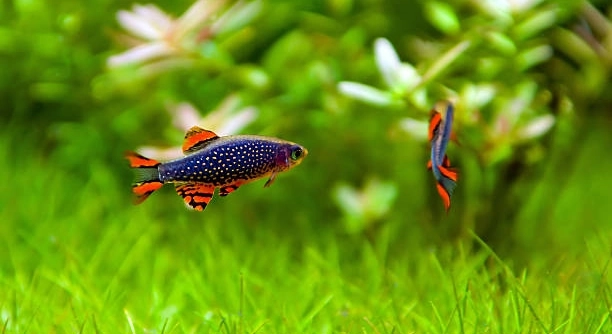
Danios are small, active fish that brighten up any aquarium. While they are known for constant movement, they also have favorite spots where they pause and rest quietly, surprising many fish enthusiasts with their behavior.
Danios often rest in shaded areas, among plants, near decorations, or close to the water’s surface. They prefer spots that offer safety and calm, allowing them to conserve energy while remaining alert to potential changes in their environment.
Knowing these resting habits can help you create a comfortable tank for your danios. Observing where they relax can improve their well-being and enhance your aquarium setup.
Floating Near the Surface
Danios often rest close to the water’s surface, where the oxygen levels are higher. This behavior is common during warm periods when oxygen in deeper areas can drop slightly. You may notice them hovering just below the surface, occasionally dipping down briefly before returning. While it may seem unusual, this is a normal resting pattern. Floating near the top also allows them to observe activity in the tank. They use this position to stay aware of other fish and any changes around them. The surface offers a calm area without heavy currents, which helps them conserve energy after periods of active swimming. Plants or decorations near the top can provide partial cover, giving them a sense of security. Observing this behavior can inform adjustments in tank aeration and temperature. A well-aerated tank ensures they have consistent oxygen levels throughout. This small adjustment can improve their overall health and reduce stress significantly.
Resting near the surface is safe if oxygen and temperature are stable. It’s a natural, energy-saving behavior that keeps them alert.
Providing floating plants or gentle lighting can enhance their comfort near the surface. This setup creates small shaded areas, giving them subtle protection while they rest, making the aquarium feel calmer and more inviting.
Hiding Among Plants
Danios often retreat into dense plant areas for short breaks. These spots offer shade and a sense of security, making them ideal for resting without feeling exposed. They move quickly in and out of foliage, using it to regulate their activity and stress levels. Plants also help maintain water quality by absorbing excess nutrients, which benefits the fish indirectly. Young or timid fish may use plants more frequently, while confident adults may only occasionally rest there. Placement of plants in varying heights and densities creates options, allowing the fish to select spots that match their comfort level. Observing their preferences can help you identify stress or illness early. By providing multiple hiding areas, you encourage natural behaviors and reduce conflicts in community tanks. The combination of shade, calm currents, and safety makes plants a preferred resting environment for many danios.
Dense plants offer immediate cover and reassurance, making them highly valued for short-term resting.
Choosing fast-growing or broad-leaved plants provides both security and visual appeal. It allows danios to weave between stems, resting safely while still maintaining social contact with other fish. Varied planting improves the aquarium’s aesthetic while supporting the fish’s natural instincts. This setup reduces stress and promotes calmer, more balanced behavior in your tank.
Resting Near Decorations
Danios often use aquarium decorations as resting spots. They hover behind rocks, caves, or ceramic ornaments. These areas provide a sense of safety while breaking up strong currents, giving them calm spaces to pause without being fully hidden.
Decorations act as visual barriers and shelters in the tank. Danios take advantage of these spots to regulate their activity, especially after periods of fast swimming or social interaction. Caves, tunnels, and stacked rocks create small shaded areas that reduce exposure to light and minimize stress. The fish can dart in and out easily, maintaining mobility while resting. Solid surfaces nearby also offer subtle protection from tankmates, giving them a secure perimeter to linger without being entirely isolated.
Choosing varied decorations with openings and shaded areas encourages natural resting behavior. Avoid sharp edges and unstable structures, as these can cause injury. With proper placement, decorations become functional as both resting spots and stimulation for exploring, benefiting overall tank dynamics and fish health.
Bottom Corners of the Tank
Danios sometimes rest in the lower corners of the aquarium, where currents are weaker and movement feels less intense. These areas offer a quiet retreat that still allows them to monitor surroundings.
Corners serve as natural shelters, especially when combined with substrate or small rocks. Danios use these zones to reduce energy use while remaining alert to other fish. The edges create a sense of confinement that feels safe without isolating them completely, making it a preferred resting spot for many.
The lower corners also help balance tank traffic. Active fish often occupy mid-levels, so the bottom corners remain calmer. By placing plants, small stones, or gentle hiding structures near these areas, you can enhance the comfort of resting danios. This arrangement allows them to take breaks safely, maintain social awareness, and enjoy a more stable environment within the aquarium.
Resting Under Leaves
Danios often rest beneath broad leaves of live or artificial plants. The leaves provide shade and a feeling of protection, allowing them to relax while staying aware of activity in the tank.
This shaded space helps reduce stress from bright lighting and constant movement. Danios feel safer under leaves, which mimic their natural environment.
Near the Filter Outlet
Some danios rest close to the filter outlet where water flow creates gentle currents. This spot offers movement without strong turbulence, allowing them to conserve energy while staying active enough to maintain balance and orientation.
In Shallow Zones
Danios often linger in shallow areas of the tank, where water is warmer and calmer. They use these zones to rest briefly while remaining alert to nearby tankmates and changes in the environment.
Behind Driftwood
Hiding behind driftwood gives danios a secure resting area. The structure provides shade, partial cover, and a sense of safety, allowing them to pause without feeling exposed.
FAQ
Why do danios rest so frequently?
Danios are small, active fish that expend a lot of energy swimming constantly. Frequent resting helps them conserve energy and recover from activity. Resting also allows their bodies to maintain proper metabolism and supports overall health. Even brief pauses can make a noticeable difference in their energy levels.
Is it normal for danios to rest in groups?
Yes, danios are naturally social fish and often rest near tankmates. Group resting offers safety in numbers and reduces stress. It also reflects their instinctive schooling behavior, even when the tank is calm. Observing them together can indicate comfort and a well-settled environment.
Are certain areas better for resting than others?
Danios prefer shaded, calm, or protected areas. Dense plants, decorations, driftwood, and corners provide a sense of security. Shallow areas or near the water’s surface are also common resting spots. Providing a variety of environments ensures all fish can choose a comfortable location.
Can resting behavior indicate health issues?
Occasional rest is normal, but excessive lethargy or resting in unusual spots may signal stress, poor water quality, or illness. Monitor their swimming patterns, appetite, and interactions with other fish. Ensuring proper tank conditions and observing behavior closely helps prevent potential health problems.
Do danios sleep like other animals?
Danios do not have eyelids, so their “sleep” is different from mammals. They rest quietly, often hovering or staying still. Reduced movement, lighter coloration, and remaining in a preferred safe spot are typical signs of resting. They remain alert even while resting.
How can I make resting areas more comfortable?
Provide a mix of live or artificial plants, smooth decorations, driftwood, and shaded zones. Gentle lighting and calm currents also encourage comfortable resting. Rotating decor or adding new hiding spots can keep the environment stimulating while still allowing safe areas to relax.
Does tank size affect resting behavior?
Yes, larger tanks offer more options for resting spots and reduce competition for space. In small tanks, fish may have limited areas to relax, which can increase stress. Proper spacing of decorations, plants, and swimming zones ensures that all danios have access to secure resting areas.
Can resting affect social interactions?
Resting behavior usually does not disrupt social interactions but can influence positioning within a group. Dominant fish may claim prime resting spots, while others take secondary areas. Providing multiple safe zones ensures that all fish can rest without conflict, maintaining harmony in the aquarium.
How long do danios typically rest?
Rest periods vary but are generally brief, lasting a few minutes at a time. Multiple short rests throughout the day help them manage energy. Extended inactivity may indicate stress or illness, so observing overall patterns is important for assessing health.
Do lighting and water conditions impact resting?
Yes, bright lights, strong currents, or fluctuating water conditions can reduce comfort and resting frequency. Maintaining stable temperature, gentle flow, and moderate lighting encourages natural resting behavior. Adjusting these factors supports both relaxation and overall well-being in the tank.
Can all danios share the same resting spots?
Most danios will tolerate shared resting areas, but some fish may prefer solitude. Providing multiple shaded or protected spots ensures that all individuals can find comfort. Observing their preferences helps create a balanced and low-stress environment for the entire group.
Do danios rest differently at night?
At night, danios tend to become less active and seek secure areas, often under plants or decorations. Their movement slows, and they hover quietly, remaining alert to the environment. While not sleeping in a traditional sense, these periods are essential for energy recovery.
Is it necessary to mimic natural environments for resting?
Yes, replicating aspects of their natural habitat improves comfort and encourages natural behavior. Using plants, driftwood, and varied substrate allows them to choose resting spots that feel secure. A well-structured environment reduces stress and promotes healthy daily routines for all fish.
Can stress reduce resting behavior?
Stressful conditions, such as overcrowding, aggressive tankmates, or poor water quality, may prevent danios from resting comfortably. They may hide excessively or appear restless. Providing adequate hiding spots, maintaining water quality, and reducing disturbances can restore normal resting patterns and overall health.
Do danios ever rest while swimming?
Yes, they may exhibit slow, steady movement instead of completely stopping. This allows them to remain partially active while conserving energy. Observing this behavior is normal, especially in areas with mild currents or when near other fish. It balances energy conservation and alertness.
How important is resting for long-term health?
Resting is vital for energy management, stress reduction, and overall physiological balance. Consistent, safe resting areas support growth, immunity, and social behavior. Neglecting the need for proper resting zones can lead to fatigue, reduced activity, and increased susceptibility to illness.
Can I tell which spots are most preferred by danios?
Yes, by observing their patterns over time. Popular spots often include shaded areas, corners, near decorations, or floating plants. Noting where they spend most resting periods can guide placement of additional shelters and improve tank design for better comfort and safety.
Are there seasonal changes in resting behavior?
Seasonal variations in temperature or lighting may affect resting habits. Warmer water can increase oxygen demand, prompting more surface resting, while cooler water encourages activity near the bottom. Monitoring environmental conditions helps maintain comfortable resting patterns year-round.
Do younger danios rest differently than adults?
Juvenile danios may rest more frequently and in more concealed spots to avoid perceived threats. Adults may select exposed areas with partial cover, balancing social interaction and safety. Providing diverse resting locations accommodates different age groups and ensures all fish have access to secure areas.
How can I encourage healthy resting behavior?
Maintain stable water quality, provide varied shelters, moderate lighting, and gentle currents. Observing daily patterns and adjusting the environment as needed ensures danios can rest safely and comfortably, supporting long-term health, natural behavior, and balanced activity levels.
Total words: 517
Final Thoughts
Understanding where danios like to rest helps create a more comfortable and balanced aquarium. These small fish, while active, need regular pauses to conserve energy and maintain overall health. Observing their resting patterns gives insight into their comfort level, stress, and the effectiveness of your tank setup. Providing a variety of spaces, such as shaded areas, corners, plants, and decorations, ensures that all fish can find a safe spot when they need to pause. The presence of multiple resting options reduces competition and tension among tankmates, helping maintain a calmer environment. Over time, noticing which spots are preferred allows you to fine-tune the arrangement of plants, driftwood, and ornaments to better suit their natural instincts.
Resting behavior is also closely linked to environmental conditions. Water temperature, oxygen levels, light intensity, and flow all influence where and how often danios take breaks. Floating near the surface, hiding under leaves, or lingering in corners are all normal ways for them to conserve energy while remaining alert. When these conditions are stable, resting becomes a natural part of their routine. On the other hand, irregular patterns or excessive lethargy can indicate stress or health concerns, highlighting the importance of monitoring both behavior and water quality. By maintaining consistent care and a well-structured tank, you encourage healthy daily rhythms and reduce the risk of illness. Even small adjustments, such as adding additional plants or rearranging decorations, can improve comfort and support their natural habits.
Creating a tank that accommodates the resting preferences of danios is not just about comfort—it contributes to their long-term well-being. When fish feel safe and have adequate spaces to rest, they are less likely to experience stress-related behaviors such as hiding excessively or aggressive interactions. Proper resting spots also support energy management, allowing them to swim actively without fatigue. Observing and responding to their behavior helps you provide an environment that aligns with their natural instincts, balancing activity and rest throughout the day. Paying attention to these details strengthens the overall health and harmony of your aquarium, making it a more satisfying and successful space for both the fish and their caretakers.
Word count: 417

Hello,
If you enjoy the content that we create, please consider saying a "Thank You!" by leaving a tip.
Every little bit helps us continue crafting quality advice that supports the health, happiness, and well-being of pets around the world, for pets of all shapes, sizes, and species.
We really appreciate the kindness and support that you show us!