
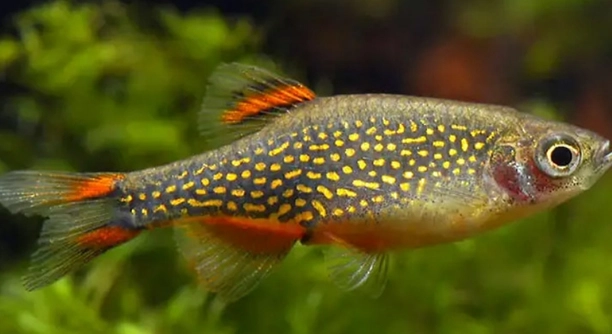
Danio fry require gentle, shaded environments to grow healthy and strong. Providing proper cover in their tank helps reduce stress, encourages natural behavior, and creates a safer space for these tiny, delicate fish to thrive.
Seven fast-growing aquatic plants, such as hornwort, water wisteria, and floating duckweed, provide effective shade for Danio fry. These plants establish quickly, offer shelter from bright light, and contribute to a stable, protective microhabitat within the aquarium.
Learning how these plants can improve tank conditions will help you create a safer and more nurturing environment for your Danio fry.
Hornwort
Hornwort is a resilient and fast-growing plant that quickly provides shade and hiding spaces for Danio fry. Its long, feathery stems float in the water, creating a natural cover that reduces stress for the fry. This plant does not require substrate to grow and can thrive in a wide range of water conditions, making it ideal for beginner aquarists. Hornwort also absorbs excess nutrients, which helps maintain water quality and prevents algae overgrowth. By planting hornwort in clusters or allowing it to float freely, you can create multiple shaded zones in the tank. This gives fry options to move and hide as they feel safe. Additionally, hornwort’s fast growth means it can fill empty spaces quickly, reducing light penetration and providing consistent shelter. Its maintenance is simple—regular trimming prevents overcrowding, and its hardy nature ensures it recovers quickly from pruning.
Hornwort effectively shades Danio fry while improving water quality and offering a safe, low-maintenance environment for small fish.
Adding hornwort to your tank not only protects fry but also enhances the overall aesthetic with its delicate, flowing greenery.
Water Wisteria
Water wisteria grows rapidly and forms dense mats that fry can hide in easily.
This plant anchors in substrate and develops long, lace-like leaves that create natural shelters. It absorbs excess nutrients, which limits algae growth and improves water clarity. Regular trimming encourages fuller growth and maintains space for swimming. Water wisteria thrives in moderate light and is adaptable to different water conditions, making it suitable for most aquariums. Its fast establishment helps new fry feel secure immediately after introduction. By arranging water wisteria in groups, you can create multiple shaded pockets, giving fry areas to explore and retreat to. Its growth rate ensures continuous coverage, reducing exposure to strong light that may stress fry. Beyond protection, water wisteria contributes to oxygenation and overall tank health, making it a multifunctional plant. It also integrates well with other aquatic plants, creating a natural, layered environment. Maintaining water wisteria is straightforward: trim regularly and remove decaying leaves to keep the tank clean and thriving.
Duckweed
Duckweed floats on the water surface, creating a soft shade for Danio fry. Its tiny leaves cover large areas quickly, blocking strong light while allowing water to flow underneath. This makes it perfect for fry tanks that need gentle shading.
Duckweed is one of the fastest-growing aquatic plants, and it can cover the surface in just a few days under good conditions. It absorbs nutrients from the water, which helps reduce algae growth and keeps the tank clean. Fry can hide beneath the floating leaves, feeling safe while exploring. Duckweed also provides a natural food source for some fry species, adding extra benefit to its shading function. Minimal maintenance is required, though periodic thinning prevents it from completely blocking the surface and limiting gas exchange. Its light, delicate appearance makes it visually appealing and practical.
In addition to shading, duckweed improves oxygen levels in the water. It grows densely enough to create small pockets of calmer water, reducing fry stress and promoting natural behavior. Combined with other fast-growing plants, it helps establish a balanced and safe microhabitat.
Java Moss
Java moss attaches to rocks or driftwood and spreads quickly, forming thick, protective layers for Danio fry. Its dense growth creates shaded spots while offering tiny hiding spaces in every nook.
Java moss thrives in various water conditions, including low light and fluctuating temperatures. Its ability to attach to surfaces means it can cover driftwood, decorations, or tank walls, creating a naturalistic environment. The fine, branching structure of Java moss offers excellent refuge for fry, allowing them to rest, feed, or escape from more active tankmates. Beyond shelter, Java moss traps microfauna like tiny worms and infusoria, which can serve as supplemental food for fry. Its slow decomposition ensures water remains clean, and occasional trimming keeps it healthy and prevents overcrowding. Using Java moss with other plants enhances overall tank complexity, making the habitat more stimulating for small fish. Regular care is simple: rinse debris, trim excess growth, and reposition as needed.
Water Sprite
Water sprite grows quickly and provides dense shade for Danio fry. Its finely divided leaves create hidden spaces where fry can feel secure and move freely without stress.
This plant can float or be anchored in the substrate, making it flexible for different tank setups. Its rapid growth helps maintain consistent coverage, reducing light intensity and promoting fry survival.
Anacharis
Anacharis grows tall and bushy, forming thick clusters that fry can hide in. Its long stems filter nutrients from the water, helping to reduce algae and maintain a healthier environment for small fish. The plant adapts well to various light levels and water conditions, making it reliable for shading purposes.
Amazon Sword
Amazon sword plants establish strong roots and broad leaves that provide extensive shade. Their wide foliage reduces light exposure, helping fry feel safe and lowering stress in the tank environment.
FAQ
What is the best plant for shading Danio fry?
Hornwort, water wisteria, and duckweed are excellent choices. These plants grow quickly, provide dense cover, and reduce light penetration. They create hiding spaces that make fry feel secure while also helping maintain water quality by absorbing excess nutrients.
Can fast-growing plants survive in low-light tanks?
Yes, many fast-growing plants like Java moss and water sprite can adapt to low or moderate light. While they may grow slower in reduced lighting, they still provide sufficient coverage and hiding spaces for fry, keeping the environment safe and stable.
How often should I trim these plants?
Trimming depends on growth rate. Duckweed and water wisteria may need weekly thinning to prevent overcrowding, while hornwort and Anacharis can be trimmed every two to three weeks. Regular trimming ensures proper water circulation and prevents decaying plant matter from affecting water quality.
Do these plants affect water chemistry?
Yes, fast-growing plants absorb nitrates and phosphates, reducing algae growth and improving water quality. Some, like Amazon sword, can also release oxygen into the water during photosynthesis, which benefits fry and other tank inhabitants. Maintaining balanced fertilization helps plants thrive without harming water parameters.
Can fry eat these plants?
Fry may nibble on soft plants like duckweed or moss, which can supplement their diet with tiny nutrients. However, these plants are primarily for shelter, so ensure fry have access to proper food like infusoria, micro worms, or finely crushed flake food.
Are floating plants better than rooted plants for shading?
Floating plants like duckweed and water sprite provide immediate surface coverage and diffuse light effectively. Rooted plants like Amazon sword and water wisteria offer structured hiding spaces and long-term tank stability. Combining both types ensures diverse shelter and consistent shade for fry.
How do I prevent these plants from overtaking the tank?
Regular maintenance is key. Remove excess growth, trim stems, and thin floating plants as needed. Monitoring plant spread and balancing fast growers with slower-growing species helps maintain open swimming areas while still offering adequate shelter.
Do fast-growing plants require special nutrients?
Some benefit from additional nutrients, such as liquid fertilizers or root tabs, especially in nutrient-poor substrates. However, many fast growers like hornwort and Anacharis can thrive without supplementation, relying on natural aquarium waste. Monitor growth to ensure plants remain healthy without causing water issues.
Can these plants survive in cold water tanks?
Most fast-growing plants listed tolerate a range of temperatures, including cooler water. Anacharis, hornwort, and Java moss, for example, can adapt to slightly cooler conditions, making them suitable for various Danio species and tank setups.
Will these plants attract algae?
Dense plant growth can actually limit algae by consuming excess nutrients and reducing light penetration. However, decaying plant matter can contribute to algae growth if not removed promptly. Regular trimming and maintenance prevent unwanted algae outbreaks while keeping the tank healthy for fry.
Can I mix these plants together?
Yes, combining multiple fast-growing plants enhances both shade and environmental complexity. Floating plants can cover the surface, while rooted plants create vertical and horizontal shelter. This layered setup maximizes hiding spaces and reduces fry stress, creating a balanced, protective habitat.
How long do these plants take to provide sufficient shade?
Depending on light, nutrients, and water conditions, most fast growers can establish significant coverage within one to three weeks. Duckweed may cover the surface in days, while rooted plants like Amazon sword take longer but provide stable long-term shade for fry.
Are there any risks in using fast-growing plants?
If left unchecked, they can overtake the tank, block filtration, or trap debris. Proper maintenance, periodic trimming, and careful planning of plant placement minimize these risks while ensuring fry receive consistent protection and a healthy environment.
Can I use these plants in a breeding tank?
Yes, these plants are ideal for breeding setups. Dense foliage and floating mats reduce fry predation from adult fish, encourage natural behavior, and provide areas for feeding. They also improve water quality, which is critical for fry survival in delicate breeding conditions.
Do these plants need CO2 supplementation?
Most fast-growing plants for shading fry do not require CO2 injection to thrive. While CO2 can boost growth, species like hornwort, Java moss, and duckweed grow well in standard aquariums, making them practical and low-maintenance choices for beginner and experienced aquarists alike.
Can these plants survive in a community tank?
Yes, they integrate well with other peaceful species. Fast growers provide hiding spaces for fry without interfering with adult fish, and their nutrient absorption helps maintain tank balance. Be mindful of plant selection to avoid overly aggressive growth that may crowd other tank inhabitants.
How do I start planting them in my tank?
Rooted plants can be anchored in substrate or attached to driftwood or rocks, while floating plants can simply be released on the water surface. Ensuring light reaches the lower parts of the tank and occasional trimming encourages healthy growth, creating effective shade and hiding spaces for fry.
Are there any maintenance tips for long-term plant health?
Regular trimming, removing decaying leaves, and monitoring nutrient levels are essential. Cleaning substrate around rooted plants prevents rot, while floating plants should be thinned to maintain light penetration. Consistent maintenance ensures fast-growing plants remain beneficial without disrupting tank balance or fry safety.
Can I use these plants in small tanks?
Yes, but careful selection is important. Floating plants like duckweed and compact rooted plants like Java moss suit smaller tanks, providing shade without overcrowding. Monitor growth closely and trim regularly to maintain swimming space while still offering protective cover for fry.
How do these plants help fry growth?
Shade reduces stress, encourages natural hiding behavior, and prevents fry from being exposed to strong light. Plants also improve water quality, offer microhabitats for food sources like infusoria, and create a more stable environment, all of which contribute to healthier, faster-growing Danio fry.
Fast-growing plants are a simple and effective way to protect Danio fry while improving the overall health of an aquarium. Plants like hornwort, water wisteria, duckweed, and Java moss provide shade, which reduces stress and allows fry to feel secure in their environment. Fry are small and delicate, and exposure to bright light or open spaces can make them more vulnerable. By adding plants that grow quickly, you can create areas where fry can hide, rest, and explore at their own pace. These plants also help maintain water quality by absorbing excess nutrients, which limits algae growth and keeps the tank cleaner. Using a combination of floating and rooted plants ensures both surface coverage and underwater hiding spots, giving fry a variety of options to stay safe.
In addition to providing shade, fast-growing plants contribute to a more natural and balanced aquarium. Many of these plants release oxygen during photosynthesis, which benefits all tank inhabitants. Their dense growth can trap tiny microorganisms, offering an additional food source for fry, while also creating a layered environment that encourages natural behaviors. Maintenance is straightforward, though regular trimming is important to prevent overcrowding and maintain water flow. Floating plants like duckweed need thinning to avoid complete surface coverage, while rooted plants such as Amazon sword or water wisteria require occasional pruning to keep leaves from decaying. By keeping up with this care, the plants remain healthy and continue to provide the shelter and protection that fry need to grow strong.
Ultimately, including fast-growing plants in a fry tank is both practical and beneficial. They offer immediate cover and gradually establish long-term shelter, making the tank a safer and more stable environment. Their rapid growth allows new tanks to develop shaded areas quickly, which is crucial when introducing fry. Over time, these plants create a balanced ecosystem that supports fry development, reduces stress, and enhances overall water quality. Choosing a mix of species that suit your tank size, light levels, and water conditions will provide continuous shade and shelter. By paying attention to plant health and growth, you can ensure that your Danio fry thrive in a secure and well-maintained habitat. This approach is simple, low-maintenance, and effective for anyone looking to give fry the best chance at healthy growth.

Hello,
If you enjoy the content that we create, please consider saying a "Thank You!" by leaving a tip.
Every little bit helps us continue crafting quality advice that supports the health, happiness, and well-being of pets around the world, for pets of all shapes, sizes, and species.
We really appreciate the kindness and support that you show us!