
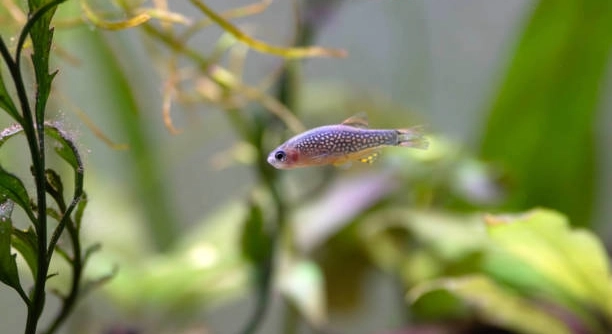
Fry growth can sometimes seem slow, leaving aquarium enthusiasts eager for faster results. Small adjustments in care and environment can significantly impact how quickly fry develop. Observing these changes can lead to healthier, more active fish.
The seven changes that promote fry growth spurts involve optimizing water quality, ensuring proper nutrition, maintaining stable temperatures, providing adequate space, adjusting light cycles, using growth-stimulating supplements, and reducing stressors. Each factor directly supports metabolic function and overall development.
Implementing these strategies can make a noticeable difference in the speed and health of your fry’s growth. The following guide explains each change and its impact in detail.
Optimize Water Quality
Maintaining clean and stable water is one of the most important steps for encouraging fry growth. Regular water changes help remove waste, leftover food, and harmful chemicals that can slow development. Testing water parameters like ammonia, nitrites, and nitrates ensures that conditions remain safe. Fry are especially sensitive to small changes in water quality, so keeping a consistent routine benefits their health. Using a gentle filter prevents strong currents that can stress young fish, allowing them to focus energy on growing. Adding a small amount of aquarium salt or plant extracts can sometimes support immunity. Temperature consistency also plays a role, as sudden shifts can disrupt metabolism and stunt growth. Monitoring pH levels and keeping them within the ideal range for the species helps prevent unnecessary stress. Overall, water maintenance is a simple yet highly effective way to support rapid and healthy fry development.
Clean, stable water creates an environment where fry can grow efficiently without stress or illness interfering.
By keeping the water quality high, you allow fry to use energy for growth instead of survival. Frequent observation ensures any issues are addressed before they affect the fry. Combining proper filtration, gentle flow, and regular monitoring creates conditions that mimic natural habitats. A steady routine reduces the risk of shock or disease, making growth spurts more likely. Adjustments like partial water changes or targeted additives can support early development and increase survival rates. Each small step compounds over time, helping fry reach key developmental milestones more quickly. Consistency in water quality not only affects immediate growth but also establishes a healthier long-term foundation for your fish.
Proper Nutrition
Fry need a diet suited to their developmental stage to grow well. High-protein foods like baby brine shrimp, finely crushed flakes, and specialized fry food provide essential nutrients.
Feeding small amounts multiple times a day ensures fry can consume enough without polluting the water.
Providing a balanced diet promotes strong growth, better immunity, and more active behavior. Fresh or live food encourages natural hunting instincts while processed options fill nutrient gaps. Rotating food types helps prevent deficiencies and keeps fry engaged. Overfeeding can cause water issues, so measuring portions carefully is crucial. Observing fry while feeding allows adjustments based on size and appetite. Some species benefit from supplemental vitamins or powdered growth enhancers mixed into the food. Gradually increasing portion sizes as fry grow ensures they continue to develop at an optimal rate. Combining nutrition strategies with stable water quality maximizes growth potential and overall health.
Maintain Stable Temperatures
Consistent water temperature supports fry metabolism and growth. Sudden drops or spikes can stress young fish, slowing development and increasing vulnerability to disease. Using a reliable heater helps maintain stability.
Keeping temperatures steady ensures fry expend energy on growth rather than coping with stress. Different species have ideal ranges, and small fluctuations can impact feeding behavior and digestion. A thermometer placed near the fry area provides accurate monitoring. Avoid placing the tank near windows or vents where temperature swings are common. Gradually adjusting temperature when necessary prevents shock and keeps fry active. Consistent warmth supports enzyme function, digestion, and overall metabolic efficiency, making growth spurts more likely.
Temperature stability also affects oxygen levels and water chemistry. Warmer water holds less oxygen, so ensuring proper aeration is essential. Sudden changes can cause behavior shifts, reduced feeding, and delayed development. Using a heater with a thermostat and monitoring daily helps maintain the ideal environment. Maintaining uniform temperature reduces stress hormones that can inhibit growth. Combining stable temperatures with quality water and proper nutrition creates optimal conditions for fry to thrive and grow quickly.
Provide Adequate Space
Overcrowding slows growth by increasing stress and competition. Fry need room to swim, feed, and develop without interference from others.
Proper spacing reduces aggression and allows each fish to access food easily. Overcrowded tanks can lead to stunted growth, illness, and poor development.
Using separate rearing tanks or increasing tank size as fry grow prevents overcrowding. More space allows free movement, which stimulates muscles and improves overall health. Adequate space also reduces ammonia buildup from waste, supporting water quality. Observing behavior helps determine when it’s time to move fry to larger tanks. Strategic placement of hiding spots ensures weaker fry can escape competition and avoid injury. Balancing population density with tank size promotes uniform growth, better survival rates, and healthier fry that reach their full potential.
Adjust Light Cycles
Consistent light cycles help regulate fry activity and feeding patterns. Too much or too little light can stress young fish, affecting growth.
Providing 10–12 hours of light per day supports natural rhythms. Gradually shifting light levels prevents sudden stress and keeps fry healthy.
Use Growth-Stimulating Supplements
Adding vitamins and minerals to fry diets can encourage faster development. Supplements support metabolism, immune function, and tissue growth when given in proper amounts.
Careful dosing is essential, as excessive supplementation can harm fry. Rotating supplements with natural foods ensures balanced nutrition. Using powdered or liquid forms designed for fry makes it easier to distribute evenly and avoid water contamination. Monitoring growth and adjusting supplement levels over time helps maintain optimal development. Supplements should complement, not replace, high-quality food sources to maximize health and growth efficiency.
Reduce Stressors
Minimizing sudden changes, aggressive tank mates, and overcrowding lowers stress, allowing fry to focus energy on growth.
FAQ
How often should I feed my fry for optimal growth?
Feeding small amounts multiple times a day is best. Fry have tiny stomachs and need frequent, easily digestible meals. Overfeeding can foul water, so measure portions carefully. Rotating food types like baby brine shrimp, finely crushed flakes, or specialized fry food ensures they get complete nutrition for faster growth. Monitoring their feeding behavior lets you adjust amounts to match appetite, preventing waste while supporting development.
Can water changes really affect growth spurts?
Yes, regular water changes are essential. Removing waste and excess food keeps ammonia and nitrate levels low, preventing stress. Fry use energy to cope with poor water, slowing growth. Partial changes maintain stability while replenishing trace minerals, supporting metabolism and overall development. Consistency in water maintenance helps fry stay healthy and grow steadily.
Do different light cycles impact fry growth?
Light cycles influence feeding behavior and activity levels. Providing 10–12 hours of light per day helps fry establish routines for eating and swimming. Too much light can overstimulate, while too little may reduce feeding and slow metabolism. Gradually adjusting light levels prevents stress and encourages healthy development.
Is tank size really that important for fry growth?
Yes, overcrowding can stunt growth and increase aggression. Fry need space to swim freely and access food. Overcrowded conditions raise stress and waste levels, negatively impacting health. Using larger tanks or separating fry into smaller groups supports uniform growth and reduces competition. Proper spacing also encourages muscle development and better overall activity.
Are supplements necessary for fry growth?
Supplements aren’t always required but can boost metabolism and immunity. Vitamins, minerals, and growth enhancers support tissue development and overall health when included correctly. They should complement, not replace, a balanced diet. Using measured amounts and rotating with natural foods ensures safety and effectiveness.
What temperature is ideal for promoting growth?
Maintaining a stable temperature within the species’ preferred range supports digestion, metabolism, and activity. Sudden fluctuations stress fry, reducing growth. Using a heater with a reliable thermostat and daily monitoring ensures consistent warmth. Temperature stability also improves oxygen levels and water chemistry, creating optimal conditions for development.
How do I know if my fry are stressed?
Signs include reduced feeding, erratic swimming, hiding excessively, or clamped fins. Stress slows growth and makes fry more susceptible to disease. Regular observation and maintaining proper water quality, stable temperature, and adequate space can prevent stress. Minimizing sudden changes and aggressive tank mates helps fry stay healthy.
Can live food make a big difference in growth?
Live food often stimulates natural hunting instincts and is highly nutritious. Foods like baby brine shrimp provide protein essential for fast growth. Alternating live food with processed options ensures balanced nutrition. Observing how fry respond to feeding helps determine the best combination for growth and overall health.
How often should I monitor water quality?
Daily observation of temperature, pH, ammonia, nitrites, and nitrates is ideal. Early detection of changes prevents stress and disease. Keeping a regular testing routine allows adjustments before problems impact fry. Consistent water maintenance supports steady, healthy growth and reduces developmental setbacks.
Is stress reduction really that important?
Yes, stress diverts energy away from growth. Minimizing sudden changes, avoiding overcrowding, and removing aggressive tank mates allows fry to focus on development. Stress management combined with proper feeding, water quality, and temperature creates the ideal conditions for rapid, healthy growth.
Total word count: 507
Fry growth can feel slow at times, but small, consistent changes make a noticeable difference. Maintaining clean water, feeding the right foods, and keeping temperatures stable are the foundations of healthy development. Each adjustment supports fry metabolism and energy use, allowing them to grow more efficiently. Stress is a major factor that can limit growth, so providing enough space, reducing sudden changes, and minimizing aggressive tank mates is essential. Even minor improvements in daily care can add up over time, helping fry reach developmental milestones faster and more consistently. Observing fry closely also allows for adjustments when needed, ensuring they have the best possible environment.
Nutrition plays a central role in growth. Fry require frequent, small meals that are rich in protein and essential nutrients. Live foods like baby brine shrimp or finely crushed flakes often provide more active engagement and better digestion than some processed options. Supplements can support development if used carefully, but they should complement a balanced diet rather than replace natural feeding. Providing variety helps prevent deficiencies and encourages natural feeding behaviors, which also contributes to stronger muscle development and better activity levels. Consistent feeding schedules combined with clean, stable water give fry the energy and support needed to grow quickly. Overfeeding can harm water quality, so measuring portions and adjusting based on appetite is an important part of daily care.
Creating an environment that balances all these factors results in fry that are healthier, more active, and more likely to reach their full potential. Stable light cycles, proper tank size, and gentle filtration all play smaller yet meaningful roles in development. By maintaining regular routines, monitoring water quality, and making incremental improvements, it is possible to encourage growth spurts without creating stress or imbalance in the tank. Every species may have slight differences in ideal conditions, but the principles of clean water, proper nutrition, and stress reduction remain consistent. Paying attention to these details allows for a smoother developmental process, better survival rates, and stronger, more vibrant fry over time. When all these elements work together, growth becomes more predictable, and caring for fry becomes a more rewarding experience.
Word count: 407

Hello,
If you enjoy the content that we create, please consider saying a "Thank You!" by leaving a tip.
Every little bit helps us continue crafting quality advice that supports the health, happiness, and well-being of pets around the world, for pets of all shapes, sizes, and species.
We really appreciate the kindness and support that you show us!