
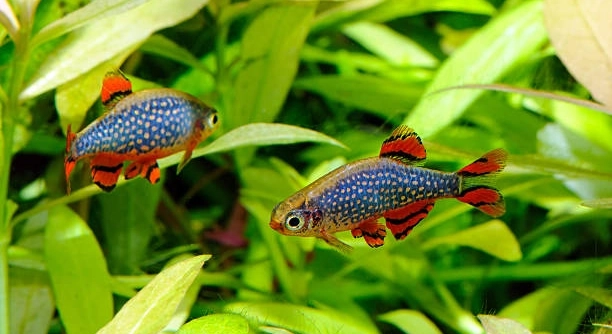
Raising Danio fry can be a rewarding experience, yet it requires careful attention to their environment. A bare-bottom tank simplifies maintenance and allows for easier observation of the fry’s growth and overall health.
A bare-bottom Danio fry tank requires proper filtration, stable water parameters, gentle lighting, suitable temperature, minimal stress, controlled feeding, and regular monitoring. Ensuring these essentials creates an optimal environment that supports healthy development and reduces mortality rates.
Mastering these key elements ensures your fry thrive and grow into strong, healthy adult Danios with minimal complications.
Filtration System
A reliable filtration system is critical in a bare-bottom Danio fry tank. Without substrate to absorb waste, toxins can build up quickly, making water quality unstable. A gentle sponge filter works best because it provides circulation without creating strong currents that could stress or injure tiny fry. Regularly cleaning the filter and replacing media as needed helps maintain a consistent environment. Proper filtration also supports beneficial bacteria, which break down ammonia and nitrites, keeping water parameters safe. Monitoring flow ensures the fry are not swept away, while still removing debris. Adjusting filter placement allows water to circulate evenly, preventing dead spots where waste could accumulate. Maintaining the system reduces the frequency of full water changes and helps the fry grow in a healthy, stable tank.
Proper filtration keeps the tank water clean and safe while supporting the fry’s early development stages.
Consistency in filtration is essential. A gentle sponge filter, placed to ensure even circulation, helps prevent ammonia spikes. Regular maintenance and monitoring ensure water quality remains stable, giving fry the best chance for healthy growth and survival.
Temperature Control
Maintaining a stable temperature is essential for Danio fry health.
Danio fry are sensitive to fluctuations, which can stunt growth or increase susceptibility to disease. Using an adjustable aquarium heater and thermometer helps maintain a steady temperature within the ideal range of 76–78°F. Avoid placing the tank near windows or vents, as drafts can cause sudden shifts. Gradual adjustments are better than rapid changes to reduce stress. Monitoring both water and room temperature regularly ensures fry remain in a comfortable, stable environment.
Temperature directly affects metabolism, feeding, and development rates. Consistency helps fry digest food properly and maintain energy levels. Sudden drops or spikes can lead to illness or mortality. Using reliable equipment and checking readings daily ensures the tank remains within the optimal range. Small adjustments can prevent major problems, making care much easier. Proper temperature management combined with stable water parameters creates an environment that encourages healthy growth and activity. Paying close attention to heating, insulation, and placement allows the fry to thrive without unnecessary stress or fluctuations that could compromise development.
Lighting
Proper lighting supports fry growth without causing stress. Too bright can be overwhelming, while too dim affects visibility and feeding.
Using low-intensity LED lights or positioning the tank in indirect natural light works well. Consistent day-night cycles of 10–12 hours mimic natural conditions. Avoid sudden changes in lighting, which can startle fry and reduce feeding activity. Light placement should allow even illumination across the tank to prevent dark corners where fry may hide excessively. Timers help maintain a stable cycle without daily adjustments. Observing how fry respond to lighting allows subtle tweaks to improve comfort. Balanced lighting encourages active swimming and feeding while supporting healthy development.
Fry thrive under steady, gentle lighting that mimics natural cycles and prevents stress.
Even lighting also benefits algae and microfauna, providing supplementary nutrition. Ensuring the tank is neither too dark nor too bright keeps fry active and helps monitor growth. Using a timer ensures regularity, which reduces stress and supports healthy behavior patterns. Positioning lights to avoid hot spots or glare allows fry to move freely, and careful observation helps identify if adjustments are needed. Consistent lighting reinforces a natural rhythm, encouraging feeding and reducing aggression or lethargy among fry.
Feeding Practices
Feeding small amounts frequently prevents overfeeding and maintains water quality.
Danio fry require finely crushed or powdered foods. Newly hatched brine shrimp and high-quality fry powders are excellent choices. Feed multiple times a day in controlled portions to ensure all fry get access. Remove uneaten food promptly to avoid contamination, which can lead to ammonia spikes. Varying food types supports balanced nutrition and promotes healthy growth. Observe feeding to ensure no fry are being left behind, adjusting portion sizes as they grow. Proper feeding encourages consistent energy levels and supports the immune system.
Overfeeding is a common issue that affects water clarity and fry health. Controlled, frequent feedings prevent waste accumulation and promote steady growth.
Introducing live or microfoods encourages natural hunting behavior, improving activity and development. Small, manageable portions prevent food from decaying on the bare bottom, which helps maintain stable water conditions. Consistency in feeding timing and quantity ensures fry receive sufficient nutrition without stressing the filtration system. Gradually increasing portion size as fry grow allows for continued growth without impacting water quality. Observing fry during feeding provides insights into their health, allowing adjustments before problems arise, keeping the tank balanced and the fry thriving.
Water Quality
Regular water testing ensures safe conditions for fry. Maintaining proper pH, ammonia, nitrite, and nitrate levels prevents stress and illness.
Frequent partial water changes help keep the tank clean without shocking the fry. Using dechlorinated water at the same temperature minimizes disruption. Monitoring water quality daily allows quick corrections and keeps the environment stable.
Gentle Aeration
Aeration helps maintain oxygen levels without creating strong currents. Sponge filters or air stones with low output work best.
Proper aeration promotes healthy swimming and prevents oxygen depletion. Adjusting flow to avoid stressing fry ensures they can feed and develop normally.
Tank Space
Providing enough space reduces competition and stress among fry. Overcrowding slows growth and increases the risk of disease.
Adequate tank size and careful stocking allow fry to swim freely and establish small territories. Regularly assessing growth and adjusting populations helps maintain a balanced environment.
Observation
Daily observation is key to catching early signs of illness or stress.
Noticing changes in swimming, feeding, or appearance allows timely interventions to keep fry healthy and thriving.
FAQ
How often should I perform water changes in a bare-bottom Danio fry tank?
Performing small, frequent water changes is best. Replacing 20–30% of the water twice a week helps maintain stable water parameters without shocking the fry. Using water that matches the tank’s temperature and is properly dechlorinated ensures the fry remain healthy. Overdoing changes can stress them, so consistency is more important than large amounts.
What type of filter is ideal for fry?
A gentle sponge filter is ideal. It provides necessary filtration and aeration without creating strong currents that could sweep fry around. Sponge filters also support beneficial bacteria, which help break down ammonia and nitrites. Placement should allow even water flow across the tank, avoiding stagnant areas where waste can build up.
Can I use live plants in a bare-bottom tank?
Yes, but choose hardy plants. Floating plants or those anchored to decorations work well, as they offer hiding spots without trapping debris. Live plants can improve water quality by absorbing nitrates, but they require some maintenance to prevent decaying leaves from contaminating the water. Avoid dense planting that reduces swimming space.
How much should I feed the fry?
Feed small amounts multiple times a day. Fry have tiny stomachs and require frequent feeding to grow properly. Uneaten food should be removed promptly to prevent ammonia spikes. Gradually increasing portion sizes as fry grow ensures they get sufficient nutrition without overloading the tank with waste. Using a mix of powdered foods and live microfoods supports balanced growth.
What temperature is best for Danio fry?
A stable range of 76–78°F is ideal. Sudden changes in temperature can stress fry and affect growth. Use a reliable aquarium heater and thermometer to monitor conditions. Avoid placing the tank near windows or vents, as drafts can cause fluctuations. Gradual adjustments are safer than sudden shifts to maintain stability.
How do I prevent disease in fry?
Maintaining clean water, proper temperature, and gentle aeration are key. Avoid overcrowding, and observe the fry daily for changes in behavior or appearance. Quarantine new fish or plants before adding them to the tank. Removing uneaten food promptly and performing regular water tests helps reduce the risk of illness.
When should I move fry to a larger tank?
Once fry grow large enough to swim actively and occupy more space, usually after 4–6 weeks, consider moving them. Ensure the new tank has stable water parameters and gentle filtration. Gradually acclimate the fry to avoid stress from temperature or pH differences. Proper spacing reduces competition and supports healthy growth.
Can I mix fry with other fish?
It is best to keep fry separate until they are larger and stronger. Other fish may eat or stress them, impacting survival rates. Once fry are more developed and able to compete for food, careful introduction to a community tank can be considered. Monitor closely for aggression or bullying during this transition.
What signs indicate stress in Danio fry?
Signs include sluggish swimming, hiding excessively, poor feeding response, or abnormal coloration. Stress can result from poor water quality, overcrowding, strong currents, or temperature fluctuations. Early detection allows for adjustments in care, preventing illness and supporting healthy development.
How long does it take for Danio fry to grow into adults?
Growth rates vary but generally reach juvenile size within 6–8 weeks. Full adult size may take 3–4 months depending on feeding, water quality, and tank conditions. Providing optimal care, consistent feeding, and stable water parameters helps ensure fry develop into strong, healthy adult Danios.
This FAQ covers common concerns and practical guidance to maintain a thriving bare-bottom Danio fry tank, emphasizing consistent care, monitoring, and gentle maintenance to support healthy growth and survival.
Raising Danio fry in a bare-bottom tank can be a manageable and rewarding experience when the essential elements are carefully maintained. Focusing on proper filtration, stable water parameters, controlled feeding, and gentle aeration creates a safe environment where fry can thrive. A bare-bottom tank simplifies cleaning and allows close observation of growth, making it easier to notice early signs of stress or illness. By ensuring the tank is not overcrowded and that each fry has adequate space, you reduce competition and provide conditions for healthy development. Paying attention to these basic needs, from water quality to temperature consistency, forms the foundation for successful care. Consistency is key, and even small adjustments made regularly can prevent larger problems later, ensuring the fry grow steadily into strong adult Danios.
Monitoring the fry daily is just as important as maintaining equipment. Observing swimming patterns, feeding responses, and overall appearance helps catch potential issues early. Stress from sudden changes, poor water quality, or aggressive tankmates can hinder growth or cause illness, so it’s essential to act promptly when something seems off. Feeding small portions frequently supports proper growth and helps maintain water quality. Choosing appropriate fry foods, including powdered options and live microfoods, ensures balanced nutrition. Similarly, gentle lighting that mimics natural day-night cycles supports healthy behavior without overwhelming the fry. These small but consistent actions, when combined with proper temperature control and aeration, create a stable environment that reduces mortality and promotes vigorous growth.
A bare-bottom tank, though simpler to maintain than substrate tanks, still requires dedication and careful attention. By following the key practices outlined—filtration, temperature stability, feeding, aeration, lighting, tank space, and regular observation—you can create an environment that supports healthy, thriving fry. Adjustments should be made gradually, and equipment should be checked frequently to ensure proper function. While there will always be challenges in raising fry, focusing on these fundamentals provides the best chance for success. A carefully managed tank not only encourages growth but also allows you to enjoy watching the fry develop into strong, active adult Danios. With patience, attention, and consistent care, raising fry in a bare-bottom tank can become a smooth, fulfilling process that lays the groundwork for healthy fish in the future.

Hello,
If you enjoy the content that we create, please consider saying a "Thank You!" by leaving a tip.
Every little bit helps us continue crafting quality advice that supports the health, happiness, and well-being of pets around the world, for pets of all shapes, sizes, and species.
We really appreciate the kindness and support that you show us!