
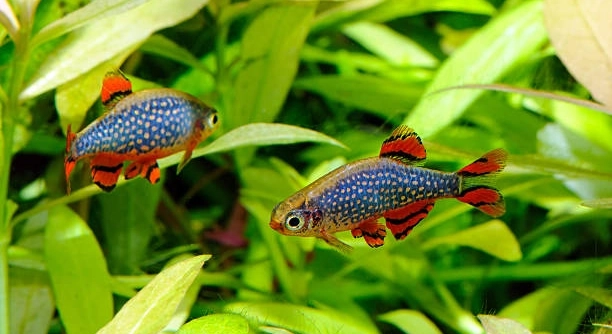
Do you notice subtle changes in your danio groups that seem unusual or out of the ordinary? Small shifts in behavior or appearance can indicate that these lively fish are experiencing stress in their environment.
Rising stress in danio groups is often indicated by changes in swimming patterns, decreased appetite, increased aggression, fin damage, abnormal coloration, clamped fins, and heightened sensitivity to environmental changes. Recognizing these indicators is essential for maintaining optimal health and welfare.
Identifying these signs early allows you to support your fish and maintain a balanced and healthy aquarium environment for them to thrive.
Changes in Swimming Patterns
When danios begin to swim erratically, dart excessively, or spend more time near the surface or bottom, it is often a sign of stress. These changes can result from overcrowding, sudden shifts in water temperature, or poor water quality. Observing swimming patterns regularly can help you detect problems before they worsen. Even minor disruptions, like a new decoration or sudden noise near the tank, can temporarily affect behavior, but prolonged erratic swimming should be addressed. Providing stable conditions, such as consistent temperature, proper filtration, and adequate space, allows fish to feel secure. Over time, subtle adjustments to tank layout or group composition can significantly improve swimming consistency. Keeping a small log of daily activity may help spot patterns or triggers that cause stress, giving you actionable insights to maintain a calm environment. Regular monitoring is a practical way to prevent stress from escalating and affecting overall health.
Swimming behavior offers an immediate indicator of the fish’s comfort. Quick responses to changes help prevent long-term stress.
Tracking patterns over weeks helps identify recurring triggers, allowing proactive adjustments to environment and social dynamics to support healthy, stable groups.
Decreased Appetite
A noticeable decline in appetite is often one of the earliest signs that danios are under stress. Fish may ignore food or take longer to eat, which can affect growth, energy levels, and immune function. Stressors such as sudden environmental changes, chemical exposure, or conflicts within the group can influence feeding behavior. Regular observation during feeding times allows you to detect subtle differences in consumption. Changes may appear gradual, so consistency in feeding schedules is crucial. Adjusting feeding portions, removing uneaten food, and monitoring water quality can help improve appetite. In some cases, temporarily isolating a stressed individual for careful monitoring and controlled feeding ensures they receive proper nutrition without competition. Maintaining a balanced diet and stable conditions can reduce stress-related appetite loss. Recognizing early signs enables intervention before prolonged nutritional deficiencies impact overall health, promoting a resilient and thriving danio group.
Appetite changes often reveal stress before physical signs appear, giving an early opportunity to address issues effectively.
Monitoring feeding habits alongside other indicators ensures a holistic approach to stress management and helps maintain a healthy, active group dynamic.
Increased Aggression
Stress can trigger sudden aggression among danios, leading to chasing, nipping, or territorial disputes. Even peaceful groups may show unusual fights when environmental conditions or social dynamics are disrupted, signaling the need for intervention.
Aggressive behavior often arises from overcrowding, lack of hiding spaces, or unstable water conditions. When danios are stressed, their tolerance for each other decreases, and minor irritations can escalate quickly. Ensuring proper tank size, adding plants or decorations for cover, and monitoring group ratios can help reduce tension. Stress-related aggression may also appear after introducing new fish or rearranging the tank, so gradual changes are essential. Keeping a close eye on interactions and separating overly aggressive individuals temporarily can prevent injuries and promote harmony. By addressing environmental and social factors, you create a calmer, safer habitat that supports natural behavior and reduces stress-triggered conflicts.
Observation is key to catching aggression early. Adjusting tank conditions promptly helps maintain group stability and prevents long-term injuries or stress escalation.
Fin Damage
Damaged fins often indicate stress or aggression, as fish may bite each other or scrape against rough surfaces. Poor water quality can also weaken fins, making them more prone to tearing.
Fin damage can result from physical harm or infections exacerbated by stress. Stress weakens the immune system, leaving fins susceptible to fungus or bacterial growth. Sharp decorations, aggressive tankmates, or overcrowding increase the likelihood of tears or fraying. Maintaining clean water, balanced diet, and proper tank conditions supports fin recovery and prevents further injury. If a fish shows signs of fin rot, early treatment with appropriate medications or salt baths can help restore health. Observing how fins change over time provides insight into both stress levels and general health.
Keeping fins intact requires both environmental stability and careful monitoring. Regular checks allow you to intervene before damage becomes severe, protecting the overall well-being of the group.
Abnormal Coloration
Stress can cause danios to lose brightness or develop dull patches on their bodies. Changes in color often reflect poor health or environmental strain.
Prolonged stress may lead to permanent color fading or uneven patterns. Adjusting lighting, water quality, and diet can help restore natural coloration.
Clamped Fins
Clamped fins, where fins are held close to the body, are a clear stress signal. This posture reduces movement efficiency and is often paired with lethargy or hiding. Stress relief through stable water conditions and minimal disturbance can encourage fins to spread normally again.
Heightened Sensitivity
Danios under stress may react strongly to small movements, sounds, or changes in light. This heightened alertness indicates discomfort and anxiety.
Environmental Triggers
Sudden changes in water temperature, poor filtration, or introduction of aggressive tankmates can trigger stress. Maintaining consistent conditions and monitoring tank dynamics is essential to prevent recurring stress episodes.
How can I tell if my danios are stressed?
Stress in danios is usually visible through changes in behavior and appearance. Watch for erratic swimming, decreased appetite, aggression, clamped fins, abnormal coloration, and heightened sensitivity. Even small deviations from normal patterns can indicate stress, so daily observation is important. Maintaining a calm and stable environment helps minimize these signs.
What are the main causes of stress in danio groups?
Stress often comes from overcrowding, poor water quality, sudden changes in temperature, or the introduction of aggressive tankmates. Environmental factors such as strong currents, insufficient hiding spots, or abrupt lighting changes can also trigger stress. Social stress is common when group dynamics shift unexpectedly. Keeping conditions consistent and monitoring interactions reduces these risks.
How can I improve water conditions to reduce stress?
Regular water testing for pH, ammonia, nitrite, and nitrate levels is essential. Performing partial water changes weekly prevents toxins from building up. Using a reliable filtration system and avoiding overcrowding helps maintain oxygen levels. Gradually adjusting temperature and avoiding chemical fluctuations will support stable, healthy conditions that reduce stress.
Should I isolate stressed fish from the group?
In some cases, temporarily isolating a stressed or injured fish can prevent further harm and reduce stress from aggressive tankmates. Isolation allows for controlled feeding and careful observation. Ensure the isolation tank matches temperature and water quality conditions of the main tank to avoid additional stress. Gradually reintroduce the fish once recovery is noticeable.
Can diet affect stress levels in danios?
Yes, providing a balanced diet rich in nutrients helps strengthen the immune system and improve overall resilience. Feeding high-quality flakes, pellets, and occasional live or frozen foods can reduce stress. Avoid overfeeding, as leftover food can deteriorate water quality and contribute to stress. Consistency in feeding schedules also promotes stability.
How long does it take for stressed danios to recover?
Recovery time varies depending on the severity of stress and environmental conditions. Minor stress may resolve within days after improvements in water quality and tank setup. More severe or prolonged stress can take weeks. Continuous monitoring, maintaining stable conditions, and reducing disturbances accelerate recovery.
Are some danios more prone to stress than others?
Individual temperament, age, and health influence stress susceptibility. Younger or weaker fish may show stress signs earlier. Aggressive personalities within the group can trigger stress in others. Observing social interactions and adjusting group composition helps reduce tension. Ensuring adequate space and hiding areas supports all fish.
How can I prevent stress from recurring?
Consistent water quality, proper tank size, balanced diets, and careful introduction of new fish reduce recurring stress. Monitor behavior regularly and address issues promptly. Environmental enrichment, such as plants and decorations, provides security and reduces conflicts. Minimizing sudden changes and maintaining stable conditions keeps danios comfortable and healthy.
What should I do if stress leads to disease?
Stress weakens the immune system, making danios more susceptible to infections. Early identification of symptoms like fin rot, fungal growth, or lethargy is key. Treat promptly with appropriate medications while maintaining excellent water quality. Addressing both the cause of stress and the illness is crucial for recovery.
Can tank setup influence stress levels?
Yes, tank layout affects stress. Crowded tanks, lack of hiding spots, or sharp decorations can increase tension. Providing sufficient swimming space, gentle water flow, and natural hiding areas reduces anxiety. Observing how fish use the space allows you to make adjustments that support calm, healthy behavior.
Is monitoring group behavior enough to prevent stress?
Monitoring is necessary but not sufficient alone. Proactive care, such as water testing, proper feeding, and environmental stability, complements behavioral observation. Identifying triggers early and making adjustments prevents stress before it escalates. Regular checks create a safe and stable environment that promotes group well-being.
Can lighting affect danio stress?
Sudden changes or excessively bright lighting can cause stress. Gradual light transitions and maintaining a consistent day-night cycle help keep fish calm. Using plants or shaded areas allows danios to retreat when needed. Proper lighting also supports natural behavior and reduces anxiety within the group.
How important is tank maintenance in stress prevention?
Routine maintenance is critical. Cleaning the tank, performing water changes, and checking filtration systems prevent toxin buildup and maintain stability. Even minor lapses can create stress triggers. Consistent attention to cleanliness and equipment function ensures the aquarium remains a safe and comfortable environment for all danios.
Are social interactions important for stress management?
Yes, danios are social fish, and balanced group dynamics reduce stress. Overcrowding or incompatible combinations can increase aggression. Ensuring proper group size and observing behavior helps maintain harmony. Providing hiding spaces and minimizing disturbances encourages natural, stress-free social interactions.
What signs indicate long-term stress?
Chronic stress may show as persistent fin damage, faded coloration, continuous hiding, or repeated aggressive encounters. Long-term appetite loss or lethargy can also appear. Early detection of these signs is essential to prevent severe health issues and maintain the overall well-being of the group.
Monitoring danio groups for signs of stress is an essential part of maintaining a healthy aquarium. Stress can show in many ways, from changes in swimming patterns to decreased appetite or aggression. By paying close attention to these subtle shifts in behavior, you can detect problems early and take steps to correct them. Simple actions like maintaining proper water quality, providing enough space, and offering a balanced diet go a long way in keeping fish healthy. Even small adjustments, such as adding plants or decorations for hiding, can help reduce tension in the tank and improve overall comfort for the fish. Consistency in daily care routines allows fish to feel secure and minimizes the likelihood of stress-related issues arising unexpectedly.
Understanding the environment and social dynamics of danios is equally important. Stress is often linked to overcrowding or conflicts within the group, so observing interactions regularly is key. Some fish may be more dominant or aggressive, while others may be timid or sensitive. Making sure there is enough room for everyone to swim freely and enough hiding spaces for more vulnerable fish can prevent disputes and reduce chronic stress. Stable water conditions are also critical, as sudden changes in temperature, pH, or chemical levels can cause anxiety and weaken the immune system. Monitoring these environmental factors and making incremental changes when necessary helps maintain a calm, balanced aquarium that supports healthy growth and behavior.
Addressing stress promptly not only protects the physical health of danios but also enhances their quality of life. Chronic stress can lead to faded coloration, fin damage, or susceptibility to disease, so taking early action is crucial. By learning to recognize the signs of stress and understanding the factors that contribute to it, you can create an environment where danios thrive. Regular observation, consistent maintenance, and careful attention to group dynamics make it possible to prevent or reduce stress before it causes significant harm. Supporting their well-being fosters stronger, more active fish and a more enjoyable aquarium experience overall, making stress management an integral part of responsible fish care.

Hello,
If you enjoy the content that we create, please consider saying a "Thank You!" by leaving a tip.
Every little bit helps us continue crafting quality advice that supports the health, happiness, and well-being of pets around the world, for pets of all shapes, sizes, and species.
We really appreciate the kindness and support that you show us!