
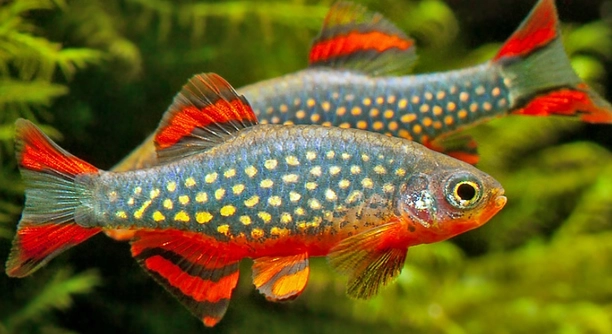
Do your Danios seem unsettled even in a well-kept tank? Sometimes small changes in their environment can disturb their usual calm behavior and leave you wondering what went wrong. Observing these shifts can help maintain a peaceful aquarium.
Several shifts can disrupt a calm Danio tank, including sudden changes in water temperature, incorrect pH levels, overcrowding, abrupt lighting changes, noisy surroundings, introduction of aggressive tank mates, and inconsistent feeding schedules. Monitoring these factors is essential for stability.
Recognizing these subtle changes can help you maintain a serene tank environment and support your Danios’ natural behavior. Proper care and attention will keep your aquarium calm and enjoyable for both fish and keeper.
Sudden Changes in Water Temperature
Danios are sensitive to water temperature fluctuations. Even a few degrees difference can cause stress and make them swim erratically. If the tank is near a window, heater, or air conditioner, rapid shifts can occur without notice. I’ve noticed my Danios become jittery when the heater malfunctions or when I replace a large portion of water too quickly. Consistency is key, so it’s important to check the thermometer daily and make small adjustments gradually. Avoid pouring cold or hot water directly into the tank, as sudden changes shock the fish and weaken their immune system. Stress can lead to illness or decreased appetite. Using a reliable heater and performing partial water changes with water at the same temperature helps maintain calmness. Observing the fish for unusual behavior can indicate if temperature adjustments are necessary. Over time, a stable environment keeps Danios active, healthy, and less prone to sudden panic.
Maintaining consistent water temperature prevents stress, supports immune function, and encourages normal behavior in Danios. Gradual adjustments are safer than abrupt changes for overall tank stability.
Small measures like checking the thermometer and acclimating new water slowly make a noticeable difference. Over time, Danios will swim calmly, eat well, and remain healthier. Ensuring steady water temperature creates a peaceful and balanced tank environment.
Incorrect pH Levels
Danios thrive in slightly acidic to neutral water. A sudden pH swing can cause stress and unusual behavior. Regular testing is necessary to maintain the right balance.
Incorrect pH affects metabolism, respiration, and overall health. Even small shifts can make Danios hide or dart around. Using test kits and buffering agents can prevent drastic changes. Over time, keeping pH stable encourages active, healthy fish. Introducing new water slowly and monitoring tap water helps avoid shocks, and consistent maintenance keeps the tank calm. Stability in pH allows Danios to interact normally, feed well, and reduce stress-related illnesses. Paying attention to these details strengthens tank health, ensuring a serene environment where fish thrive naturally. Consistent observation and careful adjustment prevent long-term problems, making daily tank care simpler and more effective.
Overcrowding
Overcrowding can make Danios stressed and aggressive. Too many fish in a small tank limit swimming space, increase waste, and disturb the peaceful balance.
When the tank is packed, water quality deteriorates quickly, and fish compete for food. I’ve noticed my Danios become more skittish when the tank is too full. Crowded conditions lead to higher ammonia levels and reduced oxygen, which affects their overall health. Regular monitoring and limiting the number of Danios per tank size prevents stress. Adding more plants and hiding spots helps, but proper population control is essential. Providing enough space allows them to swim freely and behave naturally, keeping the tank calm and visually pleasant.
Overcrowding also increases the risk of disease spreading among fish. When one becomes sick, the illness can move rapidly in tight spaces. By maintaining an appropriate fish-to-tank ratio, I ensure my Danios stay active, eat regularly, and show normal social behavior. Monitoring their interactions helps me notice early signs of stress and make adjustments quickly.
Abrupt Lighting Changes
Sudden bright lights can startle Danios and make them hide or dart around. Consistency in lighting is important for their well-being.
Rapid changes affect sleep patterns, feeding schedules, and behavior. I once switched on a strong lamp directly above the tank, and my Danios froze or rushed to corners. Gradually adjusting lighting, using dimmers, or covering the tank temporarily helps avoid shocking them. Regular light cycles simulate a natural day-night rhythm, keeping them calm. Proper lighting supports healthy plant growth and encourages natural swimming patterns.
Danios rely on predictable lighting for their internal clocks. Abrupt changes can increase stress hormones, making them more susceptible to disease. A stable light schedule improves activity, feeding behavior, and coloration. Using timers reduces human error, while dimming lights slowly before turning them off mimics dusk. Observing how Danios respond allows adjustment to prevent panic and maintain a peaceful environment. Consistency benefits both fish and plants, creating a balanced ecosystem where the tank remains a calm, enjoyable space.
Noisy Surroundings
Loud noises from outside the tank can startle Danios. Sudden bangs or vibrations make them swim erratically and hide.
Even normal household sounds can stress them over time. I noticed my Danios flinch whenever someone closed a door too hard. Keeping the tank in a quieter area reduces constant stress and supports calmer behavior.
Aggressive Tank Mates
Introducing aggressive fish can disrupt the harmony of a Danio tank. Territorial or larger species often chase or nip at Danios, causing constant stress.
Aggressive tank mates increase competition for food and space. In my experience, even one aggressive fish can change the entire tank dynamic. Removing or separating such fish restores calm behavior and allows Danios to swim and feed without fear, maintaining a peaceful environment where they can thrive naturally.
Inconsistent Feeding
Irregular feeding times confuse Danios and may trigger frantic swimming or overeating when food appears. Maintaining a consistent schedule supports their health and daily rhythm.
FAQ
Why do my Danios swim frantically at the surface?
Danios often swim frantically at the surface when oxygen levels are low or water quality is poor. I noticed this happening when I delayed a water change. Checking the filter, performing partial water changes, and adding an air stone usually resolves the problem. It’s important to test for ammonia, nitrites, and nitrates regularly. Maintaining clean water and proper aeration helps them swim calmly and eat without stress.
Why are my Danios hiding more than usual?
Hiding is often a response to stress. Sudden temperature shifts, aggressive tank mates, or overcrowding can make them retreat. I’ve seen my Danios hide when I introduced a new, slightly larger fish. Providing plants, caves, or other hiding spots allows them to feel secure. Observing which factors trigger hiding helps adjust the environment and restore comfort. Consistent routines also reduce anxiety, so fish swim openly and feed normally.
Why do Danios stop eating?
Loss of appetite usually signals stress or illness. Inconsistent feeding, poor water conditions, or sudden changes in tank setup can cause this. When my Danios stopped eating, testing water parameters and returning to a regular feeding schedule helped. Offering a variety of foods, including flakes, frozen, or live options, encourages eating. Stress reduction, stable conditions, and gradual changes in diet or environment support a healthy appetite.
Why are my Danios swimming in circles or darting suddenly?
Erratic swimming often indicates stress, poor water quality, or sudden environmental changes. I noticed my Danios darting when the heater malfunctioned and water temperature dropped. Checking for ammonia spikes, correcting temperature, and ensuring enough space for swimming usually resolves this behavior. Proper tank setup and minimal disturbances promote calmer activity.
Why are some Danios chasing others aggressively?
Chasing can be a result of overcrowding, lack of hiding spots, or dominance behavior. When I added too many fish to a small tank, dominant Danios started chasing others constantly. Reducing the number of fish or adding decorations to break lines of sight helps. Adequate space and a balanced number of fish reduce tension and encourage natural social interactions.
Why do Danios sometimes appear pale or lose color?
Pale coloration often signals stress, poor nutrition, or illness. I noticed my Danios losing vibrancy when water quality declined. Regular water testing, maintaining proper diet, and avoiding sudden changes in environment restore natural coloration. Stress reduction and consistent care improve their overall health and bright colors.
Why do my Danios jump out of the tank?
Jumping is usually due to stress, poor water conditions, or attempts to escape. I once had a Danio jump when the tank was overcrowded. Using a secure lid, keeping water quality high, and providing enough space prevents this. Minimizing sudden disturbances and maintaining calm surroundings also reduces jumping incidents.
Why are Danios schooling less than usual?
Danios school naturally, and reduced schooling may indicate stress, illness, or disruption in the tank. I observed this when new aggressive fish were introduced. Removing stress factors, maintaining proper temperature, and keeping compatible tank mates encourage natural schooling behavior. Over time, they regain coordinated swimming patterns and social balance.
Why do some Danios develop fin damage or nipped tails?
Fin damage often occurs due to aggression, overcrowding, or poor water conditions. I noticed minor tail nips when multiple species shared limited space. Providing enough room, removing aggressive fish, and maintaining clean water prevents further damage. Fin care and observing social dynamics are crucial to keeping Danios healthy and calm.
Why do Danios hide immediately after water changes?
Sudden water changes can startle Danios, especially if the new water temperature or pH differs. I noticed this when adding replacement water too quickly. Gradually adjusting temperature and performing partial changes helps them acclimate. Keeping changes small and consistent minimizes stress, allowing them to resume normal behavior quickly.
Danios are lively and beautiful fish, but they are sensitive to changes in their environment. Maintaining a calm tank requires attention to many small details. Sudden shifts in water temperature, pH, or lighting can startle them, while overcrowding and aggressive tank mates can create stress. Even irregular feeding schedules or noisy surroundings can disturb their natural behavior. I’ve noticed that when the tank conditions are consistent, the Danios swim confidently, eat regularly, and display their natural colors. Observing their behavior closely can help identify which changes may be causing stress. Small adjustments, such as adding hiding spots, maintaining proper water conditions, and keeping a steady routine, make a significant difference in their overall well-being.
Providing a stable environment not only keeps Danios calm but also supports their long-term health. Water quality is one of the most important factors to monitor. Ammonia, nitrites, and nitrates can rise quickly in crowded or poorly maintained tanks, which directly affects their health and behavior. Temperature and pH should be checked regularly, and any new water should be added gradually. Introducing new fish or decorations requires careful observation to prevent stress. I have found that keeping a simple maintenance schedule, performing partial water changes, and ensuring proper filtration reduces most common problems. By keeping the tank predictable and stable, Danios are less likely to become frightened or stressed by sudden changes.
Calm Danios make any aquarium more enjoyable and easier to maintain. When fish feel secure, they interact naturally, swim in schools, and feed normally. Stress-free fish also show brighter colors and are less likely to develop illness or injury. I’ve learned that consistency and attention to detail matter more than complicated setups or frequent interventions. Simple steps like steady lighting, adequate space, compatible tank mates, and careful feeding routines go a long way in maintaining a serene tank. Paying attention to their needs and responding to subtle signs of stress helps create an environment where Danios can thrive. Over time, a calm and healthy tank becomes easier to manage, and watching the fish stay peaceful brings a quiet sense of satisfaction.

Hello,
If you enjoy the content that we create, please consider saying a "Thank You!" by leaving a tip.
Every little bit helps us continue crafting quality advice that supports the health, happiness, and well-being of pets around the world, for pets of all shapes, sizes, and species.
We really appreciate the kindness and support that you show us!