
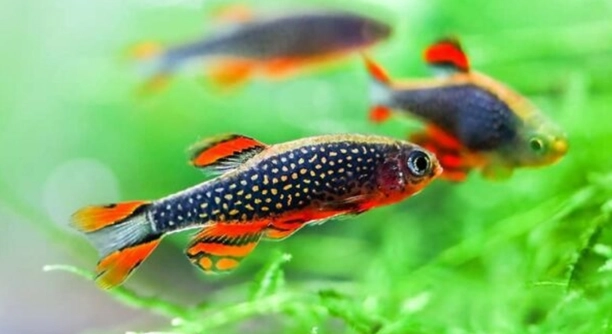
Do you ever find yourself arranging your aquarium plants but notice your danios swimming around them with ease? These lively fish seem to glide through greenery effortlessly, exploring every corner without hesitation or difficulty.
Danios navigate through aquarium plants such as Java fern, Anubias, Amazon sword, Cryptocoryne, Hornwort, Vallisneria, and Water wisteria with minimal obstruction. Their streamlined bodies and agile swimming behavior allow them to move efficiently through dense or tall aquatic vegetation.
Knowing which plants support their natural movement can improve both the aesthetic and health of your tank, creating an environment that feels balanced and comfortable for your fish.
Java Fern
Java fern is one of the easiest plants for danios to swim around. Its long, narrow leaves create open spaces while still providing hiding spots. I have noticed that my danios seem to enjoy weaving through the gaps, sometimes resting near the roots. The plant is hardy and can survive in low-light conditions, making it perfect for beginners or busy aquarium keepers. It attaches easily to rocks and driftwood, which prevents it from floating around. You don’t have to worry about trimming it often, as it grows steadily without overtaking the tank. Its structure allows plenty of room for swimming and does not crowd the surface, keeping the water circulation strong. Overall, it combines beauty with functionality, supporting active fish like danios while enhancing the tank’s visual appeal.
Danios pass through Java fern leaves without stress, using the plant for shelter while still swimming freely in the main water column.
I often watch my danios glide effortlessly through the fern. Their movements feel natural, and the plant seems to encourage exploration without restriction.
Anubias
Anubias grows slowly and has thick, sturdy leaves that danios can swim around easily.
The plant anchors firmly to rocks or wood, creating low-traffic areas for danios. Its leaves are strong enough to resist being uprooted by playful swimming, yet they do not obstruct movement. I have seen my fish use it for brief pauses, darting between leaves before returning to open water. Because it grows slowly, it requires little maintenance and keeps the aquarium balanced over time. The wide leaves provide visual interest without creating dense barriers. It works well in both small and large tanks, maintaining a stable environment while supporting active swimming patterns. Danios seem drawn to its structure, often circling it or resting briefly underneath. The plant’s resilience makes it an excellent choice for lively tanks where fish move constantly. Choosing Anubias helps create a natural, organized layout that is easy to maintain and enjoyable to observe.
Amazon Sword
Amazon sword leaves provide open swimming areas while offering tall cover for danios. The fish move easily between the leaves, using them for brief pauses without getting trapped or restricted.
I have noticed that my danios often swim in loops around Amazon sword plants. Their long, broad leaves create vertical and horizontal spaces that encourage movement and exploration. The roots anchor firmly in the substrate, keeping the plant stable even when the fish dart quickly. This stability prevents disturbance of the substrate and reduces cloudiness in the tank. Amazon swords tolerate a range of water conditions, which makes them reliable companions for active fish. Their height adds depth and structure, allowing danios to feel secure while moving freely. I find that placing these plants near the center or back of the tank works best, letting the fish swim around without obstruction while maintaining a natural look.
The leaves’ strong texture supports danios resting lightly against them. Even with fast movements, the plant stays intact and maintains its shape, enhancing both fish activity and tank aesthetics.
Cryptocoryne
Cryptocoryne creates low to mid-height foliage that danios can navigate comfortably. Its dense base offers subtle shelter while still leaving open water paths.
I keep Cryptocoryne in several sections of my tank, and it always seems to strike a balance between hiding spots and swimming space. Danios often slip between the leaves without hesitation, sometimes pausing near the roots before continuing to explore. The plant adapts well to a variety of tank conditions and grows slowly, which helps maintain a tidy layout. Its smaller leaves prevent overcrowding, allowing active fish to glide naturally. The different leaf shapes and textures make the aquarium visually interesting while supporting movement patterns. I like that it does not require frequent trimming, and it integrates well with other plants like Java fern or Amazon sword. Watching the danios interact with Cryptocoryne, I notice how the plant encourages natural behavior without restricting activity. Its subtle presence adds depth and keeps the tank looking balanced.
Hornwort
Hornwort floats freely or anchors lightly in the substrate, creating loose, open areas for danios to swim. Its fine, feathery leaves allow the fish to move through without obstruction, giving them space to explore naturally.
The plant also provides light cover for brief pauses, letting danios feel secure while maintaining easy movement throughout the tank. Its fast growth keeps the aquarium looking full, and trimming is occasional rather than frequent. Hornwort adapts well to different water conditions, which makes it low-maintenance and reliable for active tanks. I enjoy watching my fish weave through its delicate strands, using it both for shelter and playful activity. Its structure encourages natural swimming patterns without limiting freedom.
Vallisneria
Vallisneria leaves grow tall and ribbon-like, creating vertical columns that danios pass through effortlessly. The fish slip between leaves, which move gently with water flow, giving the tank a dynamic, natural look.
This plant spreads over time, forming dense sections that still allow open swimming lanes. I often position it along the back or sides of the tank. Its roots hold firmly in the substrate, and the flexible leaves bend without breaking. Danios enjoy darting through the tall ribbons, exploring while using the leaves for short rests. Vallisneria thrives in various water conditions and low-light setups, making it easy to care for. Watching the fish interact with the long leaves is calming and reinforces a sense of natural movement in the aquarium.
FAQ
What plants are safest for danios to swim through?
Plants like Java fern, Anubias, Amazon sword, Cryptocoryne, Hornwort, Vallisneria, and Water wisteria are excellent choices. Their leaves and stems create open paths while providing shelter. These plants are sturdy, low-maintenance, and adapt well to most freshwater conditions, allowing danios to swim freely. I often combine several types to create both vertical and horizontal spaces in my tank, which encourages natural exploration and prevents overcrowding. Their varied textures and growth habits also make the aquarium visually appealing without restricting movement.
Can danios damage plants while swimming?
Danios are generally gentle swimmers, so they rarely harm strong, anchored plants. However, delicate or weak-rooted plants may shift if the fish are particularly active. I once noticed a small cluster of floating plants being nudged around during feeding, but the sturdier plants like Anubias and Amazon sword remained untouched. Choosing plants with firm roots or attaching them to rocks or driftwood reduces any potential disruption. Fast-growing plants such as Hornwort or Vallisneria also withstand frequent swimming, making them ideal for active tanks.
How can I arrange plants for easy navigation?
Position taller plants like Amazon sword or Vallisneria at the back or sides of the tank. Place mid-height plants like Cryptocoryne and Java fern in the middle areas and low plants or floating varieties in front. I like leaving clear lanes of open water for my danios to swim freely. Creating a mix of dense clusters and open spaces helps balance activity and shelter, while still maintaining an organized look. This arrangement encourages natural exploration without making the tank feel overcrowded.
Do danios prefer certain plant shapes or textures?
Danios swim easily through long, narrow, or ribbon-like leaves, such as Vallisneria, as well as feathery structures like Hornwort. Broad leaves, like those of Anubias or Amazon sword, provide resting spots without blocking movement. I often watch my danios pause near broad leaves before darting into open water, showing that they appreciate both structure and open lanes. Textured or layered plants offer subtle stimulation, helping the fish interact with their environment while maintaining effortless navigation.
How do plants affect water quality for danios?
Live plants improve water quality by absorbing excess nutrients and producing oxygen, which helps danios stay healthy. I notice that tanks with a mix of fast- and slow-growing plants maintain clearer water and more stable parameters. Rooted plants reduce substrate waste accumulation, while floating or tall plants like Hornwort provide shade and reduce stress. Proper plant care—trimming dead leaves and avoiding overcrowding—ensures that plants support healthy water conditions without disrupting the fish.
Can I mix different plant types in one tank?
Yes, combining plants of varying heights, textures, and growth rates works well. I mix Anubias for sturdiness, Java fern for mid-level structure, and Vallisneria or Hornwort for vertical coverage. This diversity creates an engaging environment for danios, offering both open swimming lanes and areas for temporary shelter. The combination also supports overall tank health, with different plants contributing to oxygenation, nutrient absorption, and visual balance.
Do danios use plants for hiding or resting?
Danios often use plants for brief rests or to feel safe. I see my fish slipping between leaves or pausing near roots, especially during feeding or when startled. While they are active swimmers, these small shelters give them moments of calm without restricting their movement. Choosing plants with both open space and cover, like Java fern and Cryptocoryne, helps meet these natural instincts, keeping the fish comfortable and reducing stress.
How often should I maintain plants in a danio tank?
Maintenance depends on plant type. Fast growers like Hornwort may need occasional trimming, while slow growers like Anubias and Amazon sword require minimal attention. I usually remove dead leaves weekly and check that roots stay anchored. Keeping plants healthy ensures danios continue to navigate freely and the aquarium remains visually appealing and balanced.
Are floating plants suitable for danios?
Floating plants such as Water wisteria or duckweed provide shade and enrich the tank environment. I find they reduce light intensity slightly and create calm areas, which danios enjoy passing under. They also absorb excess nutrients, helping maintain water quality. Floating plants work best when combined with anchored plants, allowing a mix of surface coverage and open swimming space below.
Can plant placement influence danio behavior?
Yes, proper placement encourages natural swimming patterns and reduces stress. I place tall plants at the back, medium plants in the center, and low or floating plants near the surface. This layout creates clear pathways and safe zones. Danios use these structured spaces to explore actively while feeling secure, which promotes healthier, more natural behavior.
Is it okay to change plant arrangements frequently?
Minor changes are fine, but frequent major rearrangements can stress danios. I prefer gradual adjustments, moving one plant at a time. This allows fish to adapt while maintaining open swimming lanes. Consistency in plant layout supports their comfort and encourages natural movement while still letting me refresh the tank’s look.
Do danios prefer planted tanks over bare ones?
Danios are active fish that thrive in both setups, but planted tanks offer stimulation, cover, and water benefits. I notice my fish are more exploratory and appear calmer in tanks with plants like Java fern, Vallisneria, or Hornwort. Plants also reduce aggression and support overall health, making them a worthwhile addition.
How can I prevent plants from overtaking the tank?
Choosing slow-growing species like Anubias or Java fern and trimming faster growers regularly helps maintain balance. I leave open swimming lanes for danios and avoid overcrowding with too many fast-growing plants. Proper spacing and selective pruning keep the tank organized and allow fish to navigate freely.
What is the best substrate for planted danio tanks?
A nutrient-rich substrate works well for rooted plants like Amazon sword and Cryptocoryne. Sand or fine gravel supports plant anchoring and allows danios to swim without disturbance. I mix substrates to provide stability for plants while keeping open areas smooth for the fish. Proper substrate selection promotes plant growth and tank health.
How do I introduce new plants without stressing danios?
I add new plants slowly, placing them in familiar spots and ensuring roots are secure. Danios may inspect the new additions but quickly resume normal swimming. Avoid sudden rearrangements or dense clusters; this keeps the environment calm while letting plants establish themselves safely.
Are artificial plants ever suitable for danios?
Artificial plants can work if live options are difficult to maintain. I prefer soft, flexible types that won’t injure fish fins and allow easy swimming. They provide visual cover but do not improve water quality or oxygen levels. For active tanks, live plants remain the better choice.
How do lighting and plant health affect danios?
Healthy plants under proper lighting create natural shade and open swimming paths. I notice that weak or dying plants reduce shelter and can create debris that stresses fish. Maintaining adequate light supports plant growth, encourages swimming activity, and keeps the aquarium visually balanced.
Can plants help reduce aggression among danios?
Yes, plants provide visual barriers and safe zones, reducing chasing and competition. I place mid-height and tall plants strategically to break sightlines and offer resting spots. This promotes calmer interactions while still allowing active swimming. Plants play a subtle but effective role in maintaining social balance in a danio tank.
How do I choose plants for small versus large tanks?
In small tanks, compact species like Anubias and Cryptocoryne work best to maintain open swimming areas. In larger tanks, taller plants like Amazon sword and Vallisneria add structure without crowding. I arrange plants to create zones for exploration, shelter, and open lanes, regardless of tank size. This ensures danios have space to move freely while enjoying a planted environment.
Can plants grow too dense for danios?
Yes, dense growth can limit swimming space. I trim overgrown areas and leave open lanes for fish. Regular maintenance ensures danios can navigate easily while still benefiting from cover and shade. Balancing density and open areas keeps both plants and fish thriving.
Do certain water parameters favor both plants and danios?
Moderate temperatures, stable pH, and balanced nutrients support plant growth and fish health. I maintain consistent water conditions, ensuring plants grow strong while danios remain active. Healthy water parameters prevent stress, support natural behavior, and sustain an aquarium ecosystem that benefits both flora and fauna.
Are some plants better for breeding danios?
Yes, fine-leaved plants like Hornwort or Water wisteria provide safe spawning areas. I have noticed my danios lay eggs among these plants, giving fry some protection. Choosing plants with delicate foliage helps breeding behavior without obstructing swimming or tank maintenance.
How do I prevent algae from taking over planted tanks?
Proper lighting, balanced feeding, and live plants reduce algae growth. I remove visible algae manually and ensure fast-growing plants absorb excess nutrients. Danios help by occasionally grazing surfaces, but plant density and care are the main control methods. Healthy plants outcompete algae and maintain a clean tank environment.
Can I combine floating and rooted plants together?
Yes, floating plants add surface coverage while rooted plants create mid- and bottom-level structure. I combine Hornwort or Water wisteria with Anubias or Amazon sword to create layered spaces. This arrangement allows danios to swim under floating plants and explore throughout the tank without obstruction.
Do danios interact differently with tall versus short plants?
Danios tend to use tall plants for shelter and short plants for exploration. I see my fish weaving among low Cryptocoryne leaves while occasionally pausing beneath Vallisneria ribbons. This variety encourages natural behavior and keeps the tank engaging. Different heights also prevent overcrowding while providing visual interest.
How important is plant spacing for active fish like danios?
Adequate spacing ensures free movement and reduces stress. I leave open lanes between plants, especially near the center of the tank. Proper spacing allows danios to swim naturally, use shelter effectively, and maintain healthy activity levels, while still enjoying the benefits of planted areas.
What are the easiest plants for beginners with danios?
Anubias, Java fern, and Hornwort are simple to maintain and hard to damage. I recommend starting with these species because they tolerate low light, irregular care, and active fish. Their resilience ensures the tank remains attractive while supporting danio movement and behavior.
How often should I trim plants in a danio tank?
Trim fast-growing plants like Hornwort and Vallisneria every few weeks to prevent overcrowding. Slow growers such as Anubias and Java fern need minimal trimming. I focus on removing dead leaves and maintaining open swimming areas, which keeps the tank healthy and comfortable for danios.
Can live plants improve danio lifespan?
Healthy, well-maintained plants improve water quality, reduce stress, and encourage natural behavior, all of which support longer lifespans. I have noticed that my fish are more active and less prone to illness in planted tanks compared to bare setups. A balanced environment benefits both health and longevity.
Are certain plants better for small danio fry?
Fine-leaved, dense plants like Hornwort or Water wisteria offer shelter for fry. I use these plants to protect young fish while still allowing movement for older danios. Fry can hide safely, reducing predation risk, while adults continue normal swimming and activity.
How do I prevent plants from blocking filter flow?
Position tall or floating plants away from filter intakes. I ensure Vallisneria or Hornwort leaves do not reach the filter area. Proper placement maintains water circulation and prevents debris buildup while allowing plants to provide cover and swimming areas for danios.
Can I use substrate fertilizers with danios?
Yes, root tabs or nutrient-rich substrates are safe if used according to instructions. I place them near rooted plants like Amazon sword or Cryptocoryne, avoiding loose exposure that might disturb fish. Proper fertilization supports plant health and keeps swimming areas clear.
Do plants affect danio coloration or activity?
Healthy plants create shade, reduce stress, and promote natural behaviors, which can enhance coloration and activity. I notice my danios display brighter colors and more confident swimming in a planted tank compared to sparse setups. The right environment supports vitality and visual appeal.
How do I balance plants and swimming space in crowded tanks?
Prioritize open lanes and selectively trim dense clusters. I place tall plants along the back, mid-height plants centrally, and low or floating plants at the front or surface. This layered arrangement maximizes shelter and aesthetic appeal without limiting swimming space for active danios.
Are mosses suitable for danios?
Yes, mosses like Java moss provide soft cover for resting and exploring. I attach moss to rocks or driftwood to prevent uprooting. Its fine texture allows easy navigation and adds natural structure while keeping swimming lanes open.
Can I rotate plants seasonally?
Rotating plants can refresh the tank’s look but should be gradual to prevent stress. I introduce one species at a time and monitor danio behavior. This keeps the environment stable while offering variety without disrupting movement or natural behavior.
What lighting schedule works best for planted danio tanks?
I use 8–10 hours of light per day to support plant growth without encouraging excess algae. Consistent lighting helps plants thrive, provides subtle shading for danios, and maintains natural activity patterns. Light intensity and duration should match plant needs and tank size.
Do floating plants affect oxygen levels?
Yes, floating plants reduce light penetration, which slightly limits photosynthesis of submerged plants, but overall oxygen levels remain sufficient if plants are balanced. I combine floating and rooted plants to maintain healthy oxygenation while giving danios shaded areas.
How do I prevent plant leaves from getting damaged?
Choose sturdy species and place them away from aggressive activity areas. I also avoid sharp decorations that could tear leaves. Proper spacing and resilient plant selection keep foliage intact even with active danios swimming constantly.
Can plants influence danio feeding habits?
Plants create areas for hiding and grazing, which can slow feeding slightly but encourages natural foraging. I scatter food near open lanes and near plant bases, allowing danios to interact with both plants and food naturally. This promotes healthy, active feeding behavior.
Are there seasonal care differences for planted danio tanks?
Plant growth may slow in cooler months, requiring less trimming. I adjust lighting slightly to maintain balance and continue regular water maintenance. Danios maintain activity year-round, but consistent plant care ensures their environment remains comfortable and stimulating.
Do danios rearrange plants themselves?
Active danios may occasionally nudge loose or floating plants but rarely uproot anchored species. I notice small movements when they explore, but overall plant placement remains stable if roots are secure or plants are attached to hard surfaces.
Can plants reduce stress for danios?
Yes, plants offer shelter, shade, and visual barriers, which lower stress. I observe calmer swimming patterns and fewer aggressive interactions in well-planted tanks. The combination of open space and cover provides a secure, stimulating environment that benefits both behavior and health.
Are there any plants to avoid with danios?
Avoid very delicate or thin-leaved plants that can be easily torn. I stay away from soft stemmed species that cannot withstand frequent swimming activity. Choosing hardy, flexible plants ensures they survive in a lively danio tank without constant replacement.
How do plants support natural danio behavior?
Plants provide exploration paths, resting spots, and protective cover. I notice that danios swim, weave, and pause naturally among foliage. This interaction keeps them active, reduces stress, and encourages instinctive behaviors, enhancing both their well-being and the aquarium’s overall liveliness.
What is the ideal plant density for a danio tank?
Moderate density works best. I leave enough open lanes for swimming while clustering plants for cover. Too sparse makes fish feel exposed, too dense restricts movement. Balanced planting supports both safety and natural activity without crowding the tank.
Do plants help with breeding behavior in danios?
Yes, fine-leaved or dense plants like Hornwort provide ideal egg-laying sites. I position these plants strategically so adult fish have space to swim freely while fry or eggs remain protected. This promotes successful breeding without compromising movement or tank accessibility.
How can I mix slow- and fast-growing plants effectively?
I place slow growers like Anubias or Java fern in permanent spots and fast growers like Hornwort or Vallisneria where periodic trimming is easy. This combination maintains open lanes for danios, supports plant diversity, and keeps the tank visually dynamic without constant rearrangement.
Are there signs that plants are hindering danio movement?
If fish frequently bump into leaves, hesitate, or avoid areas, the planting may be too dense. I adjust by trimming or repositioning plants to restore open swimming lanes, ensuring that foliage enhances rather than limits fish movement.
Can plants act as natural filters in danio tanks?
Yes, they absorb nitrates and other nutrients, reducing waste buildup. I notice clearer water in planted areas, which benefits both fish and plants. Healthy plants contribute to a stable, self-supporting ecosystem while keeping swimming areas clear and stress-free for danios.
How do I encourage danios to explore heavily planted areas?
I scatter food near plant bases and leave open entry lanes. My fish gradually explore dense clusters, using plants for brief rests. Creating visual paths and easy access encourages movement through the foliage without causing frustration or blockage.
Do danios prefer native or exotic plants?
They interact comfortably with both, as long as the plants offer open swimming lanes and shelter. I have used a mix of species successfully, focusing more on structure and spacing than origin. The key is movement-friendly arrangements.
Can plants reduce algae growth naturally?
Yes, healthy live plants absorb excess nutrients, limiting resources for algae. I maintain balanced lighting and regular trimming, which allows plants to thrive and prevents algae from taking over. Dense planting with proper care often reduces the need for manual algae removal.
How do plants impact water temperature for danios?
Plants provide shade and reduce direct light exposure, which helps stabilize temperature fluctuations. I notice calmer fish in shaded areas, and the tank maintains more consistent temperatures, which supports both plant health and danio activity.
Are there plants that require special care for danio tanks?
Some sensitive species, like delicate stem plants, need stable water parameters and careful handling. I generally stick to hardy plants that tolerate active swimming and variable conditions, ensuring longevity without constant intervention.
How often should I rearrange plants to keep danios interested?
Occasional minor changes are enough. I move one or two plants at a time to refresh the tank without stressing fish. Frequent major changes can confuse or stress danios, so gradual adjustments work best.
Do plants influence breeding success in danio tanks?
Yes, dense or fine-leaved plants give eggs and fry protection. I notice higher survival rates when Hornwort or Water wisteria are available. Adult fish can swim freely while the young remain hidden, supporting natural reproductive behavior.
Can I use fertilizers safely with danios present?
Yes, if dosed correctly and
Final Thoughts
Choosing the right plants for a danio tank makes a noticeable difference in how the fish behave and interact with their environment. I have found that including a mix of sturdy, slow-growing plants like Anubias and Java fern with faster-growing species like Hornwort or Vallisneria provides balance. The combination creates both open swimming lanes and sheltered areas, which helps danios feel safe while still allowing them to explore actively. When plants are selected carefully, the tank becomes easier to maintain, and the water quality tends to improve naturally. Healthy plants absorb excess nutrients, produce oxygen, and reduce the risk of algae growth, all of which benefit the fish. Even small changes, such as trimming overgrown leaves or repositioning a plant, can have a positive effect on the overall tank environment. I often notice that my danios swim more confidently and show less stress when their tank includes thoughtfully placed plants that do not obstruct movement.
Maintaining an aquarium with live plants requires regular care, but it is rewarding to see how both plants and fish thrive together. I usually check plant health weekly, remove dead leaves, and trim areas that have become too dense. This simple routine ensures that the tank remains functional for active fish like danios. When plants are well-anchored and spaced appropriately, they provide visual interest without crowding the water. Tall plants offer vertical coverage, mid-height plants fill in gaps, and low-growing species add texture along the bottom of the tank. Floating plants, when included, provide shaded areas and further enhance the sense of a natural environment. Over time, this careful balance creates a habitat where danios can display their natural swimming behavior, dart through open areas, and occasionally pause under leaves or near roots without restriction. I have observed that the combination of structure and open water keeps the fish active, healthy, and less prone to aggressive behavior.
Overall, a planted aquarium is not only visually appealing but also supports the physical and mental well-being of danios. I have learned that planning plant placement, considering species characteristics, and maintaining proper care routines are all important for creating a sustainable tank environment. Open swimming lanes, areas for resting, and secure plant anchoring all contribute to the comfort of the fish. By selecting plants that are resilient and compatible with danios’ swimming patterns, the tank remains both attractive and functional. Watching the fish navigate confidently through the plants reinforces the value of including live greenery. In my experience, a balanced mix of tall, mid-height, and low-growing plants provides a dynamic habitat that meets the needs of both the aquarium keeper and the fish. The overall result is a tank where plants and danios coexist harmoniously, creating a lively, natural, and enjoyable aquarium.

Hello,
If you enjoy the content that we create, please consider saying a "Thank You!" by leaving a tip.
Every little bit helps us continue crafting quality advice that supports the health, happiness, and well-being of pets around the world, for pets of all shapes, sizes, and species.
We really appreciate the kindness and support that you show us!