
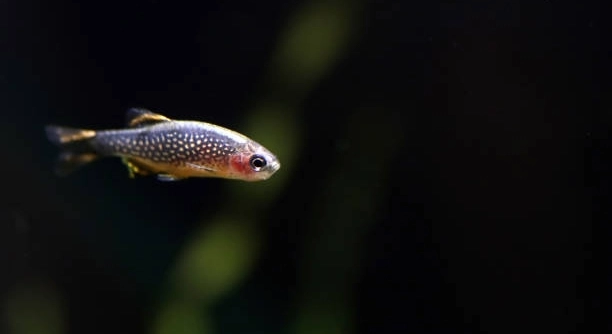
Watching Danios dart and swirl during feeding can be unexpectedly entertaining. Their tiny movements, bursts of speed, and synchronized swimming often reveal personalities and habits that are both charming and engaging for any fish keeper.
Danios exhibit a range of behaviors during feeding, including rapid chasing, surface nipping, and coordinated group movements. Observing these actions provides insight into their social hierarchy, activity levels, and feeding efficiency, which are important for their overall well-being.
Noticing these behaviors can enhance your appreciation of Danios and support a more attentive approach to their care.
Rapid Chasing and Competitive Nips
During feeding, Danios often engage in rapid chasing and quick nips at the food. This behavior is a reflection of their natural instincts and high energy levels. Watching them zoom across the tank, weaving between plants and decorations, can be quite fascinating. Each fish seems to compete subtly for the best bites, yet the activity rarely turns aggressive. Their quick reflexes and constant motion demonstrate strong coordination and alertness. Some Danios may circle the tank repeatedly, making short dashes to reach a floating pellet before another fish intercepts it. These bursts are often accompanied by sudden changes in direction, showcasing their agility. Over time, patterns emerge, revealing which fish are more dominant and which prefer to stay back and wait. Observing these details can help monitor social dynamics and ensure no fish is consistently deprived of food. The lively energy during these moments makes feeding an engaging and insightful part of caring for Danios.
These rapid chases are natural and healthy. They indicate active metabolism and help maintain social order within the tank.
Regular observation of this behavior can help detect early signs of stress, injury, or illness. Noticing differences in speed, aggression, or appetite allows adjustments to feeding routines, such as separating slower fish or modifying food size. Danios that consistently fail to compete may need supplemental feeding or a review of tank stocking density. By understanding these dynamics, owners can maintain a balanced environment that encourages healthy growth, activity, and interaction. Additionally, watching their quick, darting movements can be surprisingly calming, offering small moments of enjoyment while also providing practical insights for better care. Feeding time becomes more than just nourishment; it is a chance to learn each fish’s habits, assess overall health, and make small changes that improve tank life. These observations ultimately support a thriving, active group of Danios that continue to display their energetic personalities daily.
Surface Nipping and Exploration
Danios often nibble at floating food, grazing the surface while investigating their surroundings. This behavior shows curiosity and interaction with the environment.
Surface nipping allows Danios to feed efficiently while scanning the tank for potential threats or opportunities. The act of taking small bites encourages slower, more deliberate consumption, helping maintain balance among all tank members. Fish may pause, hover near the surface, or circle slowly to ensure every pellet is captured. This behavior is especially noticeable in younger or less dominant individuals, who avoid direct confrontations but still access food. Watching these careful nibbles offers insights into their feeding preferences and how they interact with other tank mates. Consistent observation helps determine if adjustments are needed, such as altering food type or distribution method. Surface nipping also promotes exercise and coordination, as the fish must adjust their movements to capture floating particles while maintaining stability in the water. By paying attention to these details, owners gain a better understanding of feeding patterns, nutritional intake, and social dynamics, ensuring a healthier and more balanced aquarium.
Synchronized Swimming
Danios often move together in tight groups during feeding. This behavior reflects their natural schooling instincts and helps reduce stress in the tank.
Synchronized swimming allows Danios to feel secure while feeding. They move in unison, shifting direction rapidly as one, which helps avoid collisions and reduces competition for food. This coordination also shows their awareness of each other’s positions. Dominant fish often lead these movements, while others follow closely, maintaining the rhythm. The patterns of movement can reveal hierarchy and social bonds within the school. Watching them glide together provides insight into group dynamics, energy levels, and individual confidence. Their fluid motion across the tank is not only functional but visually engaging. Observing this behavior regularly can help monitor fish health, as sudden changes in coordination or hesitation may indicate stress or illness. It also encourages a calmer feeding environment, allowing all members of the group to access food safely.
Synchronized movement strengthens the group’s cohesion and ensures that even less assertive fish can find food without constant confrontation.
Schooling during feeding is more than instinct; it helps Danios navigate the tank efficiently. This coordination prevents overcrowding in feeding areas, reduces stress, and maintains balance in energy distribution. Fish adjust their speed and spacing to match the group, which supports healthy growth and reduces aggressive encounters. Leaders may change throughout the session, allowing different fish to take initiative. Observing these patterns can reveal which individuals are thriving and which may need closer monitoring. Over time, these subtle behaviors provide a detailed view of social structure, overall health, and feeding success. Synchronized swimming also encourages exercise and mental stimulation, keeping the school active and engaged while ensuring equitable food access. Maintaining this balance promotes harmony in the tank and supports each fish’s well-being.
Curious Inspection
Danios frequently investigate new food before eating, pecking and circling items cautiously. This behavior highlights their alertness and intelligence.
Inspection helps fish decide what is safe to eat. Danios approach slowly, nipping at unfamiliar food while observing other fish’s reactions. This cautious method prevents ingestion of harmful substances and allows them to gauge interest before fully consuming it. Fish often return multiple times to reassess, adjusting their behavior based on the group’s response. Observing these interactions can reveal preferences and appetite levels.
Repeated inspection provides insight into each fish’s personality and confidence. Less assertive fish may linger, waiting for dominant members to eat first, while bolder individuals claim new items immediately. Monitoring these behaviors helps ensure all fish receive adequate nutrition and are comfortable with feeding routines. It also allows owners to introduce dietary variety safely, knowing which fish adapt quickly and which require gradual exposure. Watching these moments reveals subtle social cues, hierarchy, and curiosity levels, making feeding both informative and engaging. Proper management of inspection behavior encourages healthier eating habits, supports tank harmony, and prevents overfeeding or waste.
Quick Darts
Danios often make sudden, short dashes toward food, showing bursts of energy. These quick movements help them reach floating pellets before others.
The darts also stimulate their agility and reflexes. Observing these bursts can reveal individual speed differences and highlight dominant fish in the group.
Grazing and Pausing
Some Danios alternate between nibbling and short pauses. This grazing allows them to eat steadily without stress, balancing intake and awareness of surroundings.
Group Jostling
During feeding, Danios may gently push or bump each other to access food. This behavior is a natural part of social interaction, establishing hierarchy while preventing prolonged dominance by any single fish.
Surface Skimming
Danios frequently skim along the water surface to collect floating food. This habit maximizes feeding efficiency and encourages constant movement, keeping the fish active and alert.
How often should I feed my Danios?
Danios should be fed small amounts two to three times daily. Overfeeding can lead to water quality issues and obesity, while underfeeding may affect their growth and energy. Providing only what they can consume in a few minutes ensures a healthy diet and prevents waste accumulation.
What types of food are best for Danios?
High-quality flake food is suitable for daily feeding, supplemented with frozen or live options like brine shrimp or daphnia. Variety supports balanced nutrition, promotes activity, and encourages natural hunting behaviors. Occasional vegetable-based foods can also provide essential vitamins. Avoid foods that sink too quickly, as Danios prefer mid-water and surface feeding.
Why do some Danios dart aggressively during feeding?
Darting is natural competition behavior and indicates their energy and social hierarchy. Dominant fish often lead, while less assertive fish may wait to approach. These bursts of speed are healthy when brief and not causing stress or injury to other fish. Observing patterns over time helps understand group dynamics.
Is it normal for Danios to nibble at the surface?
Yes, surface nibbling is a natural feeding technique. Danios often take small bites, hover, and return repeatedly. This method allows careful assessment of new food, reduces competition stress, and engages their instincts to feed actively while remaining alert to the surroundings.
What if some Danios aren’t eating enough?
Less assertive or slower fish may miss out on food during group feeding. Providing supplemental feeding in quieter moments or using a feeding ring can help. Ensuring even distribution of pellets or flakes across the tank also reduces competition, helping all fish get proper nutrition.
Can Danios overeat?
Yes, overfeeding can cause bloating, swim issues, and water pollution. Limiting portions to what they can eat within two to three minutes prevents excess waste and maintains tank balance. Monitoring their behavior and adjusting quantity based on activity helps maintain health and water quality.
Do Danios prefer live food over flakes?
Live food is often more stimulating due to movement, triggering natural hunting instincts. However, high-quality flakes are sufficient for nutrition and easier to manage. Combining both ensures variety and prevents boredom while keeping feeding efficient and balanced.
Why do Danios sometimes pause between bites?
Pausing is part of grazing behavior. They nibble, then hover or circle, which helps them assess their environment and avoid conflict with other fish. It also ensures they eat steadily without stress and maintains social harmony within the group.
How can I tell if feeding behavior is a sign of illness?
Changes in appetite, lethargy, or repeated avoidance of food can indicate health issues. Observing normal darting, nibbling, and social interactions helps establish a baseline. Any sudden decrease in feeding activity or abnormal swimming patterns should prompt closer monitoring and possibly water testing or veterinary advice.
Should I separate Danios for feeding if some are timid?
Separating shy or slower fish occasionally is beneficial. Using a small breeding net or feeding in sections ensures all fish receive proper nutrition. Avoid prolonged isolation, as Danios are social fish and thrive in groups, but short-term adjustments can balance competition and support overall health.
How long should a feeding session last?
Feeding should be brief, around two to three minutes per session. This encourages quick consumption, reduces uneaten food buildup, and keeps water quality stable. Observing fish during this short period ensures all members are eating and prevents dominance issues from escalating.
Can feeding stimulate natural behaviors?
Yes, feeding encourages chasing, darting, surface skimming, and group coordination. These behaviors mimic natural foraging patterns, promote exercise, and provide mental stimulation, which supports healthier, more active fish in a home tank environment.
Is it okay to feed Danios in the evening?
Feeding in the evening is fine if consistent with daily routines. Danios are active and will respond to light levels and tank conditions. Avoid overfeeding at night, as uneaten food can decay overnight, affecting water quality and potentially harming fish.
How can I prevent food from sinking too quickly?
Using flakes or pellets designed for mid-water or surface feeders ensures Danios can access food efficiently. Adjusting portion size and distributing evenly across the tank prevents crowding and allows slower fish to participate without stress. Rotating food types also encourages engagement.
What role does observation play during feeding?
Careful observation helps monitor health, behavior, and social dynamics. Noticing darting, grazing, synchronized swimming, and pauses can reveal individual fish needs, hierarchy, and potential health concerns. Adjusting feeding strategies based on these insights supports balanced nutrition, tank harmony, and overall well-being.
Feeding Danios is more than just giving them food. Watching their movements, interactions, and reactions during mealtime provides insight into their health, energy levels, and social structure. Each fish has its own personality, and observing the small differences in behavior can help identify dominant individuals, shy members, or those that may need extra care. Rapid chases, surface nips, grazing, and pauses are all natural behaviors that reflect their instincts and contribute to a balanced tank environment. By paying attention to these patterns, it becomes easier to maintain proper feeding routines, ensure all fish get enough to eat, and prevent stress or aggression from dominating the group.
A consistent feeding schedule helps Danios develop healthy habits. Offering small portions two to three times daily ensures they consume the right amount without overfeeding, which can lead to water quality issues and digestive problems. Providing a variety of foods, such as high-quality flakes, frozen options, and occasional live treats, promotes proper nutrition while encouraging natural foraging behavior. Even within a group, some fish may need supplemental feeding if they are less assertive or slower. Adjusting portion sizes, dispersing food across the tank, or using small sections for feeding can help all fish access nourishment fairly. Observing closely during these sessions allows you to detect subtle changes in appetite, energy, or behavior that could indicate illness or stress. Regular attention to feeding habits not only supports physical health but also strengthens your understanding of each fish’s unique patterns.
Feeding time also serves as a form of enrichment for Danios. Engaging with the food, darting, nibbling, and coordinating movement with other fish provides both mental and physical stimulation. It reinforces natural instincts and keeps the group active, which is important for long-term well-being. Paying attention to how each fish approaches feeding can reveal preferences, confidence levels, and social dynamics, helping maintain a peaceful and balanced tank. Small adjustments based on these observations can improve nutrition, reduce competition, and encourage harmonious behavior. Overall, focusing on these aspects during feeding enhances not only the health of your Danios but also your appreciation of their behaviors and personalities. Proper feeding, combined with careful observation, creates a more stable and engaging aquarium environment for both the fish and the keeper.

Hello,
If you enjoy the content that we create, please consider saying a "Thank You!" by leaving a tip.
Every little bit helps us continue crafting quality advice that supports the health, happiness, and well-being of pets around the world, for pets of all shapes, sizes, and species.
We really appreciate the kindness and support that you show us!