
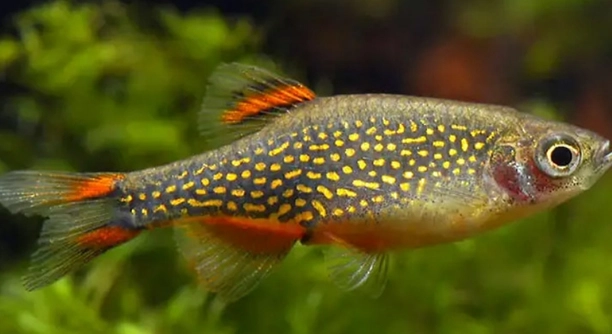
Observing a mature Danio group can reveal fascinating patterns in behavior, social structure, and daily interactions. Over time, these small fish display consistent routines, subtle hierarchies, and unique responses that can surprise even experienced aquarists.
The seven observations highlight the Danios’ social dynamics, activity levels, feeding habits, environmental preferences, interaction patterns, stress indicators, and developmental changes. These findings provide insight into their behavior, promoting better care and understanding of this active and resilient species.
Learning these patterns can improve tank management and enrich the overall experience of keeping Danios in a home aquarium environment.
Social Dynamics in a Mature Danio Group
In a mature Danio group, social interactions are clear and consistent. Some fish naturally take the lead, swimming confidently through the tank, while others follow or stay on the edges. Over time, patterns of dominance and submission become noticeable. These interactions are often subtle, with gentle nudges or positioning rather than aggressive displays. The group tends to maintain cohesion, rarely scattering unless startled. Feeding time reveals the hierarchy most clearly, with dominant fish approaching food first. Observing these patterns allows a deeper understanding of individual personalities and how they fit within the group. Even small changes in tank conditions can affect the balance, causing shifts in behavior or swimming order. Lighting, decorations, and water flow all influence how the Danios interact and move together. Watching the group regularly helps track health and social well-being, providing insight into both physical and mental state. Over months, these social structures remain largely stable, reflecting a mature, balanced community.
The social structure of a Danio group is stable but flexible, adjusting slightly to changes in environment or group composition.
Regular observation of social dynamics allows aquarists to anticipate stress points, ensure equitable access to resources, and promote long-term health. These interactions also inform decisions about tank layout and enrichment to support positive behaviors, reducing conflicts and fostering a balanced environment for all fish.
Feeding Habits and Activity Levels
Mature Danios are highly active and feed multiple times a day. Their energy levels are noticeable as they dart, chase, and explore constantly.
Feeding sessions highlight group dynamics, as some fish consistently reach the food first, while others wait or forage around the edges.
Over time, their activity patterns show a balance between exploration and rest. They often swim in loose schools, maintaining visual contact with one another, and adjust their pace according to the tank’s layout. Feeding is not only nutritional but also social, reinforcing positions within the group. Observing these habits helps in planning feeding schedules and portion sizes to avoid overfeeding or competition stress. The timing of meals influences energy levels and overall mood, making consistent routines important. A varied diet of flakes, pellets, and occasional live or frozen foods supports their vitality. Watching how Danios interact with food provides insight into individual temperaments, health, and potential stressors, allowing adjustments that maintain a harmonious tank environment. Proper feeding contributes to longevity and reduces behavioral issues that may arise from inadequate nutrition or uneven access.
Interaction Patterns
Danios often swim in coordinated groups, mirroring each other’s movements. Some fish act as scouts while others follow closely. Minor nudges or changes in direction signal shifts in group behavior, keeping the school synchronized and alert to environmental changes or potential stressors in the tank.
Their interactions are subtle but consistent. Fish may circle each other briefly, chase, or gently bump during play or establishing hierarchy. These behaviors are repeated daily and indicate both social bonds and health. Over time, individual personalities become noticeable, with some showing more curiosity and others remaining cautious. Observing these patterns helps in understanding the social fabric and predicting responses to environmental changes.
During feeding or when exploring new decorations, the group’s coordination is most evident. Faster fish lead, while slower ones adjust pace. These patterns maintain order and reduce conflict, ensuring all fish have space to move and access to resources. Interaction is both instinctive and adaptive, reflecting their natural schooling behavior.
Environmental Preferences
Danios respond noticeably to changes in tank setup. They prefer open swimming areas combined with hiding spots among plants or decorations.
Consistent water conditions are essential. They thrive in stable temperature, pH, and filtration, avoiding sudden changes that may stress the group. Placement of plants, rocks, or other structures influences swimming routes, resting areas, and interactions, creating a balance between exploration and security. Adequate lighting affects activity levels, with moderate brightness encouraging movement and social behaviors. Observing how fish use space provides insight into comfort zones and preferences, guiding adjustments to promote well-being.
Providing an environment that mimics natural conditions helps Danios maintain health and behavioral balance. Open areas allow schooling, while covered regions offer retreat during stress or rest. Flow from filters or aeration should be gentle, creating subtle currents without overwhelming weaker swimmers. Plant choice matters, with flexible leaves favored over rigid structures to prevent injury. Changes in layout should be gradual to avoid disrupting established patterns. Maintaining water quality, including temperature, clarity, and chemical stability, supports immune function and reduces stress. Thoughtful arrangement encourages natural behavior, social cohesion, and healthy activity, contributing to long-term stability of the group.
Stress Indicators
Danios show stress through changes in color, erratic swimming, or hiding more than usual. Sudden aggression or reduced activity can also signal discomfort. Observing these behaviors early helps prevent illness or long-term health issues, allowing timely adjustments to environment and care.
Water quality, overcrowding, and sudden changes in lighting or decorations often trigger stress. Minor injuries from collisions or aggressive interactions may appear if stress is prolonged. Maintaining consistent routines, monitoring tank conditions, and providing adequate space reduces stress levels. Regular observation ensures signs are noticed early, keeping the group healthy and stable.
Developmental Changes
As Danios mature, physical traits and behavior shift gradually. Older fish may slow down, show subtle color changes, or modify swimming patterns. Tracking these changes over time helps in assessing health, diet effectiveness, and environmental suitability. Adjustments may be needed to support aging individuals, maintaining harmony within the group.
Feeding Competition
Dominant fish consistently reach food first, influencing how others feed. Ensuring even distribution and monitoring intake helps maintain group health.
FAQ
How can I tell if my Danios are healthy?
Healthy Danios are active, alert, and swim consistently throughout the tank. Their colors remain vibrant, fins are intact, and scales are smooth. Regular feeding responses, consistent social interactions, and normal breathing patterns are also indicators. Changes in these behaviors or appearance may signal stress or illness that should be addressed promptly.
What is the best diet for a mature Danio group?
A balanced diet includes high-quality flakes or pellets, supplemented with live or frozen foods such as brine shrimp, daphnia, or bloodworms. Rotating food types ensures they receive necessary nutrients and prevents boredom. Feeding small portions multiple times a day encourages natural foraging behavior and prevents overfeeding.
How many Danios should be kept together?
Danios are social and thrive in groups of at least six. Larger groups encourage natural schooling behavior and reduce stress caused by isolation. Overcrowding, however, can increase aggression and strain water quality, so tank size should be adjusted accordingly. Monitoring group dynamics is essential for maintaining balance.
What tank conditions do Danios prefer?
Stable water temperature, proper filtration, and moderate flow are important. They prefer slightly acidic to neutral pH and consistent water parameters. Adding plants, rocks, or other decorations provides shelter and encourages exploration. Open swimming space is also necessary to support schooling behavior and overall activity.
How do I reduce stress in my Danio group?
Maintaining stable water conditions, avoiding overcrowding, and providing adequate hiding spots reduce stress. Gradual changes in tank setup and lighting help the group adjust. Monitoring for signs of aggression or unusual behavior allows for early intervention, keeping all fish healthy and balanced.
Why do some Danios hide while others are more active?
Individual personality plays a role, with some fish naturally cautious and others bold. Hierarchy within the group also influences activity, as dominant fish may lead or explore while others follow or retreat. Providing sufficient space and hiding spots helps accommodate different temperaments.
How do I prevent disease in a mature Danio group?
Regular water testing, consistent cleaning routines, and quarantine of new fish help prevent disease. Monitoring for early signs of illness, such as discoloration, clamped fins, or lethargy, allows for prompt treatment. A balanced diet and stress reduction further support immune health.
Do Danios change behavior as they age?
Yes, mature Danios may slow down, show subtle color changes, and adjust swimming patterns. Feeding habits may shift, and older individuals might require more accessible food and calmer areas in the tank. Observing these changes ensures appropriate care and supports the group’s overall balance.
How should I arrange decorations and plants?
Decorations and plants should create a mix of open swimming space and hiding areas. Soft-leaved plants are safer than rigid structures. Placement should not obstruct group movement, and gradual changes allow fish to adapt. This setup supports natural behaviors, exploration, and stress reduction.
Can Danios coexist with other fish species?
Yes, Danios can live with other peaceful, active fish of similar size. Avoid slow-moving, long-finned, or aggressive species that may be stressed or targeted. Observing interactions after introducing new tankmates ensures compatibility and prevents conflict within the group.
How often should I feed my Danios?
Feeding two to three small portions per day mimics natural foraging behavior. This prevents overfeeding and allows monitoring of individual consumption. Adjusting portions based on activity level, group size, and age maintains health without compromising water quality.
What signs indicate my Danios are stressed or unhappy?
Erratic swimming, hiding excessively, clamped fins, pale color, or aggression signal stress. Environmental factors, overcrowding, poor water quality, or insufficient food may contribute. Prompt adjustments, such as improving water conditions, providing hiding spots, or reorganizing decorations, help restore balance.
How do I encourage natural schooling behavior?
Keeping Danios in groups of six or more with open swimming areas encourages coordination and group cohesion. Avoid sudden tank changes, maintain stable conditions, and provide moderate water flow to support synchronized movement and reduce stress.
Can I observe social hierarchy in a mature group?
Yes, dominant fish often access food first, lead group movement, and establish preferred positions. Submissive fish adjust behavior, staying on the edges or following others. Observing these patterns provides insight into group dynamics and helps manage feeding and tank layout effectively.
What should I do if one fish becomes sick?
Isolate the affected fish in a separate quarantine tank to prevent disease spread. Maintain optimal water conditions and administer treatment as recommended for the specific illness. Observing the remaining group ensures no further health issues arise.
Are Danios sensitive to lighting changes?
Sudden or extreme changes in lighting can stress Danios. Gradual adjustments or using dimmable lights helps them acclimate. Moderate, consistent lighting encourages normal activity patterns, proper feeding, and social interactions, maintaining overall well-being.
How do I monitor long-term health in my Danio group?
Regular observation of swimming behavior, feeding habits, coloration, and interactions allows early detection of problems. Maintaining consistent water parameters, diet, and tank setup supports long-term health. Documenting changes over time helps track aging, growth, and behavioral shifts for proactive care.
Can Danios recognize individual group members?
Yes, they display recognition through consistent interactions, positioning, and following behavior. Dominant and submissive roles often reflect familiarity. Recognizing these patterns helps in understanding social structure, predicting responses, and ensuring harmony in a mature group.
How do seasonal changes affect Danios?
Seasonal temperature fluctuations, light duration, or water quality changes can influence activity, feeding, and breeding behaviors. Maintaining stable tank conditions mitigates stress from external changes, keeping the group healthy and behavior predictable. Seasonal adjustments may be required to maintain consistent environmental conditions.
What is the ideal tank size for a mature Danio group?
A tank of at least 20 gallons is recommended for a small group, with additional space required as the number of fish increases. Adequate swimming area, hiding spots, and filtration are essential to support social behaviors and maintain water quality in a mature group.
How do I handle aggressive behaviors?
Minor aggression is natural, but persistent chasing or injury requires intervention. Rearranging decorations, increasing hiding spots, or temporarily separating aggressive individuals reduces conflict. Monitoring interactions ensures group stability and prevents stress-related health issues.
Can Danios live for many years in captivity?
With proper care, a mature Danio group can live up to five years or more. Stable water conditions, balanced nutrition, regular observation, and environmental enrichment contribute to longevity and sustained health, maintaining their social structure and activity levels over time.
How do I encourage breeding in a mature group?
Provide slightly warmer water, varied diet, and fine-leaved plants for egg-laying. Maintaining optimal conditions, separating adults from fry, and monitoring interactions encourage successful breeding without disrupting group stability. Observation ensures the health of both adults and offspring.
What should I do if water quality declines?
Test water parameters immediately, perform partial water changes, and adjust filtration as needed. Monitor fish for stress or illness during recovery. Maintaining consistent care prevents long-term health issues and supports social cohesion within the group.
How do I introduce new fish to a mature Danio group?
Quarantine new fish before introduction, then gradually acclimate them to the main tank. Observe interactions closely to prevent aggression. Providing hiding spots and sufficient space helps the group adjust and maintain balance while minimizing stress for all individuals.
What is the best way to clean a Danio tank?
Regular partial water changes, gravel vacuuming, and filter maintenance keep the environment healthy. Avoid complete disruption, as Danios are sensitive to sudden changes. Consistency in cleaning routines supports water quality and reduces stress, allowing natural behaviors to continue uninterrupted.
Can Danios live with live plants?
Yes, live plants improve water quality, provide hiding spots, and encourage natural behaviors. Soft-leaved varieties are preferred to prevent injury. Proper placement balances open swimming areas with shelter, supporting social cohesion, exploration, and overall health of the group.
How often should I check water parameters?
Frequent testing, at least weekly for pH, ammonia, nitrite, and nitrate, helps detect problems early. Maintaining consistent levels reduces stress, prevents illness, and ensures a stable environment for the mature Danio group. Tracking trends over time allows proactive adjustments to tank care.
How do I prevent aggression during feeding?
Distribute food evenly, use multiple feeding points, and provide adequate portions. Observing individual intake ensures submissive fish receive food. Consistent feeding schedules reduce competition, maintain health, and support social harmony within the mature Danio group.
Can Danios recognize feeding routines?
Yes, they quickly learn feeding times and locations. This anticipation affects activity levels and positioning within the tank. Maintaining regular schedules encourages natural behavior, reduces stress, and ensures equitable access to nutrition for all group members.
How important is water temperature stability?
Stable temperature prevents stress, maintains metabolism, and supports immune function. Sudden fluctuations can trigger erratic behavior, increased aggression, or susceptibility to disease. Monitoring and adjusting heaters or chillers ensures a consistent environment that promotes overall health and social stability.
What signs indicate aging in Danios?
Slower swimming, faded color, reduced feeding efficiency, and changes in social interactions signal aging. Adjusting diet, providing accessible food, and ensuring calm areas in the tank help aging individuals remain healthy and integrated within the group. Observation allows timely interventions to support longevity.
Can Danios coexist with bottom-dwelling fish?
Yes, they can share a tank with peaceful bottom-dwellers that occupy different levels. This separation reduces competition and stress. Monitoring interactions ensures all species thrive without interference in swimming patterns, feeding behavior, or social cohesion within the Danio group.
How do I support a mature Danio group during illness?
Isolate affected individuals, maintain optimal water conditions, and provide proper treatment. Observing the rest of the group ensures no secondary infections occur. Adjustments to feeding and tank setup reduce stress while promoting recovery and maintaining group balance.
Are Danios sensitive to noise or vibration?
Excessive noise or tank vibrations can cause stress, hiding, or erratic swimming. Placing the tank in a stable, low-traffic area helps reduce disturbances. Maintaining consistent environmental conditions promotes comfort, normal activity, and social stability for the mature group.
What is the ideal pH range for mature Danios?
A slightly acidic to neutral pH, around 6.5–7.5, supports health and behavior. Maintaining stable pH prevents stress, supports metabolic function, and ensures compatibility with natural behaviors and social interactions within the group.
How do I know if my Danios are breeding successfully?
Presence of eggs, fry, or changes in behavior such as chasing or spawning rituals indicates successful breeding. Monitoring water quality, diet, and environmental conditions ensures fry survival while maintaining group stability. Observing interactions helps prevent stress or aggression during this period.
Can Danios adapt to new tank setups?
Yes, but gradual adjustments are necessary. Introducing changes slowly allows the group to acclimate without stress. Observing behavior, swimming patterns, and social interactions ensures successful adaptation and maintains harmony within the mature Danio group.
How often should I perform water changes?
Partial water changes of 20–30% weekly maintain water quality. Monitoring parameters before and after changes ensures stability. Consistent routines support health, reduce stress, and preserve social structures within the mature Danio group.
What is the best way to observe a mature Danio group?
Regular, calm observation allows monitoring of health, behavior, and social interactions. Watching feeding, swimming, and resting patterns provides insight into individual personalities, stress levels, and overall group dynamics. Minimal interference ensures natural behaviors continue uninterrupted.
How do I encourage natural behaviors in captivity?
Providing open swimming space, hiding spots, varied diet, and gentle water flow encourages schooling, foraging, and exploration. Maintaining stable water conditions and consistent routines supports normal activity, social cohesion, and mental stimulation within the mature Danio group.
Can Danios detect changes in water flow?
Yes, they respond to currents by adjusting swimming patterns and positioning. Gentle, consistent flow encourages movement and exploration, while sudden or strong currents can stress the group. Observation ensures optimal water flow for activity and comfort.
What should I do if one Danio becomes aggressive?
Separate aggressive individuals temporarily or rearrange tank decorations to reduce conflict. Providing additional hiding spots or space can help the group reestablish harmony. Monitoring interactions ensures long-term balance and minimizes stress-related behaviors.
How can I track long-term behavior patterns?
Document swimming routes, feeding behavior, interactions, and activity levels regularly. Tracking changes over time helps detect stress, health issues, or shifts in hierarchy. Consistent observation supports proactive care and maintains stability in a mature Danio group.
Can Danios live with shrimp or snails?
Yes, peaceful invertebrates can coexist as long as they are not disturbed during feeding or territorial interactions. Observing interactions ensures all species thrive, minimizing stress and maintaining harmony in the tank ecosystem.
How do I prevent fin damage in a mature group?
Provide adequate space, avoid sharp decorations, and monitor aggressive interactions. Ensuring proper diet and water quality supports fin health. Promptly addressing injuries reduces infection risk and maintains social balance.
Do Danios recognize feeding locations?
Yes, repeated feeding at consistent points teaches them where to expect food. This reduces stress, encourages natural foraging, and ensures even distribution of nutrition among the group.
How important is tank maintenance for mature Danios?
Regular cleaning, water testing, and equipment checks prevent stress, disease, and behavioral issues. Consistency supports health, activity levels, and social interactions, ensuring a stable environment for the group to thrive.
Can Danios tolerate slight temperature fluctuations?
Small variations are manageable if gradual. Sudden shifts cause stress, disrupt feeding, and increase susceptibility to disease. Maintaining steady, optimal temperatures ensures comfort, activity, and overall well-being.
How do I handle overcrowding in a tank?
Reducing the number of fish or increasing tank size alleviates stress, aggression, and competition for food. Proper space and resource distribution maintain social balance and long-term health of the mature Danio group.
What is the lifespan of mature Danios in captivity?
With proper care, Danios can live five years or more. Stable water conditions, balanced nutrition, and attentive observation support longevity, social stability, and consistent activity patterns throughout their lives.
How do I introduce changes without stressing the group?
Make adjustments gradually, whether in tank layout, lighting, or water conditions. Monitor behavior closely to ensure smooth adaptation. Providing hiding spots and maintaining routines minimizes stress during transitions, keeping the group healthy and balanced.
Are Danios affected by tankmates’ behavior?
Yes, aggressive or slow-moving tankmates can influence swimming patterns, stress levels, and social interactions. Careful selection of compatible species ensures harmonious coexistence and preserves established social structures within the Danio group.
Can Danios recognize individual humans?
They may respond differently to familiar caretakers, showing anticipation during feeding or subtle behavioral changes. While not personal recognition, consistent routines reinforce trust and reduce stress during interactions.
How do I encourage consistent activity throughout the day?
Maintaining stable lighting, temperature, and feeding schedules promotes regular swimming and social behavior. Providing stimulation through plants, decorations, and gentle water flow encourages natural exploration without overwhelming the group.
What are common mistakes in caring for mature Danios?
Overcrowding, inconsistent water parameters, improper diet, sudden environmental changes, and neglecting social dynamics are frequent issues. Addressing these factors ensures health, harmony, and predictable behavior within the group.
How can I detect early signs of illness?
Monitor color changes, fin condition, swimming patterns, appetite, and interactions. Early detection allows prompt treatment, preventing spread of disease and maintaining overall group health and stability.
How do I maintain social harmony in a mature group?
Provide adequate space, consistent feeding, hiding spots, and environmental enrichment. Monitor interactions regularly and address aggressive or stressed individuals. Balanced conditions and observation preserve hierarchy, minimize stress, and support long-term group stability.
Can Danios adapt to different diets?
Yes, they accept flakes, pellets, live, or frozen foods. Gradual introduction prevents digestive upset, encourages feeding, and ensures balanced nutrition while supporting activity levels and social behaviors.
How do I prevent boredom in a mature group?
Varied environment, occasional rearrangement of plants or decorations, and diverse diet encourage exploration and natural behaviors. Providing challenges within the tank keeps the group active and engaged.
What is the role of observation in Danio care?
Daily observation helps detect health issues, stress, hierarchy shifts, and behavioral patterns. It supports proactive adjustments in feeding, environment, and care routines, ensuring a healthy, balanced, and active mature group.
How do I know if tank conditions are optimal?
Fish behavior, activity levels, feeding response, and coloration are indicators. Stable water parameters, clean equipment, and minimal stress show conditions are supportive. Adjustments can be made based on observed patterns to maintain balance.
Can Danios thrive in community tanks?
Yes, with compatible species, proper space, and balanced resources, Danios maintain social cohesion and activity. Observing interactions ensures group harmony and prevents stress or aggression from affecting the tank’s overall health.
How do I encourage calm behavior in a stressed group?
Reduce sudden changes, provide hiding spots, maintain stable water conditions, and avoid overcrowding. Gradual adjustments and consistent routines allow fish to recover and resume natural social and feeding behaviors.
What is the importance of tank layout for mature Danios?
Open swimming areas, hiding spots, and varied plant placement influence activity, social interactions, and stress levels. Thoughtful layout supports schooling, exploration, and hierarchy maintenance while preventing aggression or territorial disputes.
How often should I monitor the group’s behavior?
Daily observation is ideal. Watching feeding, swimming, and social patterns allows early detection of stress, illness, or aggression, enabling timely intervention and promoting long-term health.
Can Danios recognize tank changes over time?
Yes, they notice shifts in decorations, plants, or water flow. Gradual introductions of changes reduce stress and support adaptation, preserving natural behaviors and social cohesion within the group.
How do I manage a mixed-age Danio group?
Ensure younger fish have space and access to food without being outcompeted. Older fish may need calmer areas and easier access to resources. Observing interactions ensures all individuals thrive while maintaining group harmony.
What is the best water flow for mature Danios?
Moderate, gentle flow encourages swimming and exploration without overwhelming weaker individuals. Proper flow mimics natural conditions, promotes activity, and supports schooling behavior while preventing stress.
How do I prevent injury in a mature group?
Provide smooth decorations, adequate space, and monitor aggressive interactions. Balanced feeding and stable water conditions reduce competition and accidents. Prompt care for minor injuries prevents infection and maintains group stability.
Can Danios learn feeding schedules?
Final Thoughts
Observing a mature Danio group offers valuable insights into their behavior, social structure, and overall well-being. Each fish develops a personality that influences how it interacts with the group, responds to food, and explores the environment. Over time, patterns of dominance and submission become clear, revealing the hierarchy within the tank. Some fish consistently lead while others follow, creating a natural balance that maintains order and reduces stress. These interactions are subtle but essential to understanding the group dynamic. Even minor changes in behavior, such as hesitation during feeding or unusual hiding, can indicate health or environmental issues. Paying attention to these small details helps maintain a stable and healthy community. Watching a Danio group regularly allows for early identification of problems, ensuring that all individuals remain active, healthy, and integrated into the social structure. Consistency in tank care, feeding routines, and environmental conditions supports both individual health and group harmony.
A well-maintained environment is critical to supporting mature Danios. Open swimming areas combined with hiding spaces create a balance between exploration and security. Soft plants and decorations provide shelter, while clear swimming routes allow the group to move freely. Stable water parameters, proper filtration, and moderate flow are important to prevent stress and support natural behavior. Feeding routines should be consistent, with small portions multiple times a day to encourage foraging without creating competition. A varied diet including high-quality flakes or pellets, supplemented with live or frozen foods, ensures proper nutrition and keeps the fish active. Observing how each fish responds to food, water conditions, and tank setup allows caretakers to make small adjustments that enhance overall well-being. Gradual changes in the environment are less stressful than sudden alterations, helping the group maintain stability and cohesion. Proper monitoring and care reduce aggression, prevent disease, and allow the fish to display natural behavior patterns, which makes the tank both healthy and visually engaging.
Understanding and supporting the social and environmental needs of mature Danios promotes longevity and a high quality of life. By providing consistent care, appropriate tank conditions, and attention to individual behavior, the group remains balanced and active. Recognizing stress indicators, such as color changes, erratic swimming, or excessive hiding, allows for timely interventions that protect both individual fish and the community. Observing the group closely helps identify shifts in social hierarchy, feeding patterns, and overall health, making it easier to respond to emerging issues. Mature Danios demonstrate predictable behavior patterns when their needs are met, including synchronized swimming, coordinated feeding, and natural resting periods. Maintaining these routines encourages a calm, stable, and resilient group. Ultimately, careful observation, consistent maintenance, and thoughtful adjustments create an environment in which mature Danios thrive, allowing both their natural behaviors and social interactions to flourish in a healthy and balanced aquarium.

Hello,
If you enjoy the content that we create, please consider saying a "Thank You!" by leaving a tip.
Every little bit helps us continue crafting quality advice that supports the health, happiness, and well-being of pets around the world, for pets of all shapes, sizes, and species.
We really appreciate the kindness and support that you show us!