
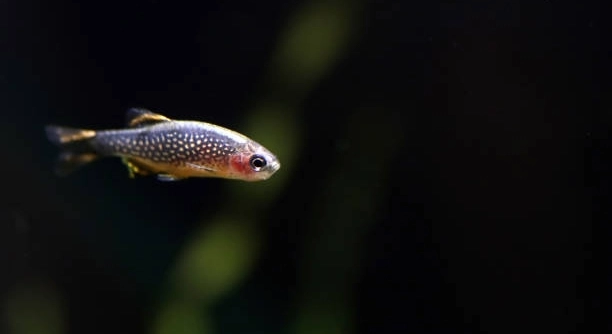
Do your danios swim frantically near the surface or hide under decorations more than usual? Bright lighting can affect their comfort and behavior, making it important to notice subtle changes in your tank environment early on.
Excessive brightness in an aquarium can stress danios, disrupting their natural activity patterns and affecting feeding, coloration, and overall health. Identifying the intensity of light and its impact is crucial for maintaining a balanced and safe habitat.
Recognizing these signs will help you adjust the lighting properly. Keeping your danios comfortable ensures they stay healthy and display natural, vibrant behaviors.
Frequent Hiding and Restlessness
When the tank is too bright, danios often spend more time hiding behind plants or decorations. You may notice them darting quickly across the tank and then freezing, avoiding open areas. This behavior is a response to stress caused by excessive lighting. Over time, constant exposure to bright light can reduce their overall activity levels. It may also affect their feeding patterns, as stressed fish are less likely to approach the surface for food. Observing their daily routines carefully can reveal subtle signs of discomfort. Some danios may change their coloration slightly, appearing paler when stressed. Maintaining a balance between light and shaded areas helps them feel secure. Providing floating plants or darker sections allows them to retreat when needed. Adjusting the lighting gradually can prevent sudden stress. Monitoring these changes closely ensures your danios remain active and healthy, responding naturally to a comfortable environment.
Monitoring behavior closely can prevent long-term stress and support your danios’ natural activity levels effectively.
Providing shaded areas and reducing overall light intensity creates a calmer environment, encouraging normal swimming and feeding behaviors while supporting long-term well-being.
Faded Colors and Reduced Vibrancy
Faded colors in danios can indicate that the lighting is too intense or prolonged. Their natural bright patterns may dull, and even lively individuals can appear washed out. Constant exposure to strong light can stress their systems, impacting not just color but also immune function. Fish rely on a balance of light and darkness to regulate daily rhythms, including feeding and rest. When these rhythms are disrupted, color intensity often diminishes. Adjusting the lighting to a moderate level while providing hiding spots helps restore vibrancy. Observing them at different times of the day can show whether color returns with lower light. Shifting to a softer light, or using dimmers and timers, can make a significant difference. Maintaining natural light cycles encourages healthy pigmentation and reduces stress-induced fading. Color changes are often one of the first visual signs that the tank environment needs adjustment. Gradual modifications can help danios regain their natural, bright appearance.
Loss of Appetite
Danios often eat less when the tank is too bright. Overexposure to light can make them anxious, causing irregular feeding habits.
Reduced feeding can quickly affect their energy and growth. Stress from excessive light leads to lower activity and less interest in food. Fish may hide during feeding times or nibble only occasionally. Over time, this behavior can weaken their immune system, making them more prone to disease. Observing feeding patterns daily helps identify if light intensity needs adjusting. Introducing shaded areas or dimming the lights gradually can encourage normal eating. A consistent routine, with moderate lighting, supports regular feeding and overall health, allowing danios to regain their appetite naturally.
Adjusting tank lighting slowly ensures they resume normal feeding without sudden stress. Watch for gradual improvements in both behavior and interest in food.
Clamped Fins
Clamped fins are a clear indicator of stress in danios caused by bright light. They often keep their fins close to their body instead of spreading them naturally.
When fins remain clamped for long periods, it signals discomfort. This behavior reduces swimming efficiency and may indicate underlying stress or illness. Bright lighting can disrupt their daily rhythm, increasing tension and forcing them to seek shelter constantly. Danios may appear less active and avoid open areas, affecting social interactions with other fish. Creating dimmer sections or using floating plants allows them to relax and display normal fin posture. Gradual adjustments to lighting can restore their natural behavior while minimizing stress. Consistent observation ensures that changes in lighting are effective and beneficial.
Proper lighting balance helps danios maintain fin health and supports overall well-being, keeping them active and confident in their tank environment.
Erratic Swimming
Danios may swim unpredictably when the tank is too bright, darting quickly or changing direction suddenly. This behavior shows they are stressed and uncomfortable.
Erratic swimming often includes sudden bursts of speed, frequent stops, and clinging to tank corners. Reducing light intensity and providing shaded areas helps them regain calm, allowing more natural and relaxed movements.
Hiding Under Decorations
When light is excessive, danios spend more time under rocks, plants, or ornaments. They feel safer in shaded spots and avoid open water.
Restless at Night
Bright lighting can disrupt danios’ natural day-night cycle. They may remain active during times they should rest, showing increased agitation or continuous swimming. This lack of proper rest affects health, feeding habits, and overall vitality, making it important to adjust light duration and intensity.
How do I know if my danios are stressed from too much light?
Signs of stress from bright lighting include hiding frequently, swimming erratically, clamped fins, faded colors, and reduced appetite. Observing these behaviors over several days helps determine if light intensity is the issue. Fish that appear constantly tense or avoid open areas are likely experiencing discomfort.
Can excessive light affect their health long-term?
Yes. Prolonged exposure to intense lighting can weaken immune systems, slow growth, and disrupt natural rhythms. Chronic stress increases vulnerability to illness and reduces overall lifespan. Maintaining moderate light levels is essential to support their health and normal daily activity.
How much light is too much for danios?
Danios thrive under moderate lighting for around 8 to 10 hours a day. Lights that are too bright or left on continuously can stress them. Using timers or adjustable lights helps maintain a stable day-night cycle, mimicking natural conditions.
Will dimming the lights improve their behavior quickly?
Behavioral improvements are often gradual. Some danios may start exploring open areas within a few days, while others take weeks to adjust. Providing shaded zones or floating plants accelerates recovery by offering safe spots and reducing stress. Patience is key when adjusting lighting conditions.
Are certain tank setups better for danios under bright lights?
Yes. A tank with plants, rocks, or ornaments allows danios to retreat from light. Floating plants create shade while natural decorations offer hiding spaces. Open water without cover can increase stress under bright lighting, so a well-structured environment is important.
Can other fish in the tank affect how danios react to bright lights?
Other species may influence danios’ response. Aggressive or territorial fish combined with bright lighting can amplify stress. Observing interactions helps determine if stress comes from both light intensity and social dynamics. Adjusting light levels and tank layout can reduce tension.
Is natural sunlight harmful to danios?
Direct sunlight can overheat the water and increase brightness beyond comfortable levels. While indirect daylight is safe, prolonged exposure to strong sunlight should be avoided. Using blinds or placing the tank away from windows helps maintain a stable environment.
How can I safely adjust the lighting?
Gradual changes prevent shock. Reduce intensity or duration incrementally over several days. Introducing shaded areas and slowly moving plants or decorations can create comfortable zones. Sudden adjustments may increase stress, so patience ensures the best results.
Do danios show signs of recovery once the lighting is corrected?
Yes. Signs include returning to normal swimming patterns, displaying bright colors, resuming regular feeding, and spreading fins naturally. Monitoring daily ensures the tank remains comfortable and that improvements continue steadily.
Are timers necessary for maintaining proper lighting cycles?
Timers are highly recommended. Consistent day-night cycles support natural behaviors, feeding patterns, and stress reduction. Manual adjustments are less reliable, and inconsistent lighting can prolong stress or disrupt normal activity. Timers create a predictable environment that promotes overall health and well-being.
Can adding plants help with bright lighting issues?
Absolutely. Plants provide shaded areas, allowing danios to retreat when the tank is too bright. Floating plants reduce light penetration, while taller plants create vertical zones. This setup helps fish feel secure and decreases stress, supporting healthier activity and natural behaviors.
How long should I monitor my fish after adjusting the lights?
Monitoring for at least two weeks ensures they adjust properly. Observe swimming patterns, feeding, and coloration daily. Continuous observation allows quick detection of remaining stress or other issues, ensuring the tank remains suitable for long-term health.
What if my danios do not improve after lighting adjustments?
If signs persist, consider other stress factors such as water quality, tank mates, or diet. Bright light may be one of several contributing issues. Evaluating the tank environment comprehensively helps identify underlying problems and ensures proper recovery.
Can stress from bright light lead to illness?
Yes. Chronic stress weakens the immune system, making danios more susceptible to fungal infections, fin rot, or other common diseases. Maintaining appropriate light levels, providing shaded areas, and monitoring water conditions minimizes the risk of illness and supports recovery.
Is it better to use LED or fluorescent lighting for danios?
LED lights are preferable because they are adjustable, produce less heat, and allow control over intensity. Fluorescent lights can be harsher and harder to dim, making it easier to overexpose danios. Choosing controllable lighting helps maintain a balanced and safe environment.
How do I balance aesthetics with fish comfort?
Bright lights can make colors pop but may stress fish. Using adjustable or dimmable lights, adding plants, and creating shaded zones balances visual appeal with comfort. Prioritizing danios’ well-being ensures a healthy, active, and visually pleasing aquarium.
Are there signs I might be misinterpreting as light stress?
Yes. Some behaviors, like hiding or pale coloration, could also indicate illness, poor water quality, or aggression from other fish. Always check water parameters and social interactions before attributing changes solely to lighting. Observation over time is key to accurate assessment.
Does tank size affect light stress in danios?
Smaller tanks with intense lighting can amplify stress because danios have fewer shaded areas to retreat. Larger tanks allow for more zones with reduced light, giving them choice and control over exposure. Properly distributing light and decorations improves comfort in any tank size.
Can I combine different types of lighting safely?
Yes, combining ambient and softer accent lights can reduce overall intensity while still highlighting the tank. Using dimmable LEDs or layering light sources creates a comfortable environment without overwhelming danios. Strategic placement of lights ensures natural-looking colors without causing stress.
How often should I review light settings?
Review light settings at least monthly, especially as plants grow or decorations change. Adjusting intensity and duration ensures danios continue to have safe, comfortable conditions. Regular checks prevent stress before it affects behavior or health.
What other environmental factors should I consider alongside lighting?
Temperature, water quality, tank layout, and tank mates all influence how danios react to light. Even moderate lighting can be stressful if other conditions are suboptimal. Maintaining balanced parameters supports resilience and reduces overall stress in the aquarium.
How do I know if the danios are fully comfortable again?
They will resume normal swimming, feeding actively, display bright colors, and explore open areas without hesitation. Regular observation confirms recovery and helps prevent future stress from lighting or environmental changes.
Can adjusting lighting alone solve all stress-related issues?
Not always. While proper lighting addresses stress from brightness, other factors like water quality, diet, and social interactions must also be managed. A holistic approach ensures danios remain healthy, active, and comfortable long-term.
Are there any signs that lighting changes are too abrupt?
Signs include sudden hiding, frantic swimming, or refusal to eat. Gradual adjustments prevent shock, allowing danios to acclimate naturally. Observing behavior daily during changes ensures they tolerate new conditions safely.
Do danios ever prefer very dim tanks?
Danios generally prefer moderate lighting with shaded areas rather than complete darkness. Too little light can reduce activity and affect natural behaviors. Providing varied lighting zones allows choice without compromising their health.
Is light intensity more important than duration?
Both are important. Excessive intensity can stress fish quickly, while prolonged exposure disrupts natural rhythms. Balancing brightness and duration together ensures optimal health and natural behaviors.
Can I simulate natural day-night cycles effectively indoors?
Yes. Using timers and adjustable lighting replicates sunrise, daylight, and sunset patterns. Combining soft lights with shaded areas provides a realistic cycle, helping danios maintain natural activity and rest periods.
Will danios recover fully from previous light stress?
Most will, given proper adjustments and a stress-free environment. Recovery includes normal feeding, vibrant coloration, and relaxed swimming. Continued care ensures long-term comfort and prevents relapse.
Can overwatering or nutrient-rich plants affect light stress?
Indirectly, yes. Dense plants may require higher light for growth, potentially stressing fish. Balancing plant needs with fish comfort is essential. Adjusting lighting and plant placement can reduce stress while maintaining a healthy, visually appealing tank.
Is professional consultation ever needed for light stress?
If behavioral signs persist despite adjustments, consulting an aquarium professional or experienced hobbyist can provide guidance. They can evaluate lighting, tank setup, and overall environment to ensure danios remain healthy.
What is the safest approach to prevent light stress?
Moderate lighting, gradual adjustments, shaded areas, and consistent observation create a safe environment. Combining proper tank layout, lighting schedules, and attentive care prevents stress and supports long-term health and natural behaviors.
The health and comfort of danios depend heavily on the lighting in their tank. Bright or prolonged light can cause stress, leading to behavioral changes such as hiding, erratic swimming, clamped fins, and loss of appetite. Even subtle changes in activity or color may indicate discomfort. Monitoring these signs carefully is important for ensuring their well-being. By paying attention to daily behavior, you can quickly identify when adjustments are necessary. Fish may not always show immediate signs of stress, so consistent observation over time is key to maintaining a balanced and healthy aquarium environment.
Adjusting lighting does not need to be complicated. Moderating the intensity and duration of the light can reduce stress and encourage natural behaviors. Timers and dimmable LED lights allow precise control, ensuring that the tank mimics a natural day-night cycle. Providing shaded areas with plants, rocks, or decorations helps danios retreat when they feel overwhelmed. These adjustments make it possible to create zones of comfort while still maintaining a visually appealing tank. Gradual changes are important because sudden reductions in light can also cause stress. Observation during this process ensures that each adjustment contributes positively to their overall well-being. Over time, these small changes can make a significant difference in activity levels, coloration, and appetite, helping danios thrive in their aquatic environment.
Preventing stress from bright lighting is an ongoing task that requires attention and consistency. Regularly reviewing the tank setup, lighting schedule, and fish behavior ensures that the environment remains comfortable. Other factors, such as water quality, temperature, and social interactions with tank mates, also play a role in how fish respond to light. A balanced approach to tank care supports both their physical health and natural behaviors. By maintaining moderate lighting, providing shaded zones, and monitoring behavior, you create a tank where danios can swim freely, eat regularly, and display their natural, vibrant colors. These steps not only prevent stress but also promote long-term health, making the aquarium a safe and enjoyable space for both the fish and anyone observing them. Over time, a well-managed lighting system ensures that the danios remain active, healthy, and comfortable in their habitat, contributing to a stable and thriving aquatic environment.

Hello,
If you enjoy the content that we create, please consider saying a "Thank You!" by leaving a tip.
Every little bit helps us continue crafting quality advice that supports the health, happiness, and well-being of pets around the world, for pets of all shapes, sizes, and species.
We really appreciate the kindness and support that you show us!