
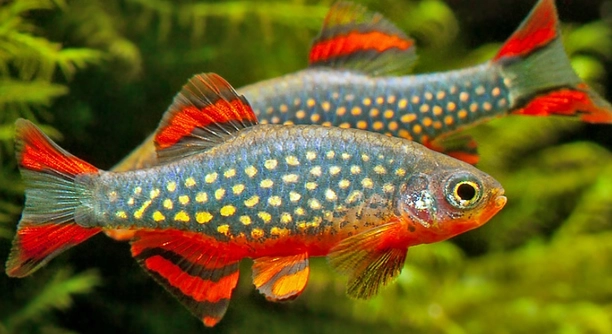
Many aquarium enthusiasts enjoy keeping Danios because of their vibrant colors and active nature. Maintaining a healthy tank requires more than just water and fish. Certain tools can make daily care simpler and more effective.
Essential Danio tank tools include items such as reliable water testers, efficient filters, quality nets, and precise feeders. Each tool contributes to maintaining water quality, promoting fish health, and simplifying routine maintenance for a balanced aquatic environment.
Knowing which tools are truly useful can save time and effort while keeping your fish healthy. The following list highlights practical items every Danio owner should consider.
Aquarium Net
An aquarium net is one of the most basic yet indispensable tools for managing a Danio tank. I always keep a few nets of different sizes on hand because Danios are quick swimmers and can be tricky to catch. Using a fine mesh net helps prevent accidental injury to the fish while moving them for cleaning or treatment. A sturdy handle is also important, especially when reaching into larger tanks. Nets are not just for catching fish; they can also be used to remove uneaten food or floating debris. Over time, I’ve realized that having the right net size makes routine maintenance faster and less stressful for both me and the fish. Even during tank transfers or introducing new plants, a reliable net helps maintain control and minimizes stress on the fish, ensuring they remain healthy. A good net can last years if cleaned and dried after each use, making it a cost-effective addition.
A well-chosen net reduces stress on fish during handling and makes tank maintenance quicker and safer.
Using a net properly involves gentle, slow movements. It’s best to approach the fish calmly and scoop from below rather than chasing them. For small Danios, a fine mesh prevents fins from tearing, which is common with larger or coarser nets. Nets can also assist in partial water changes by removing floating debris or leftover food. Keeping multiple nets allows segregation of fish when necessary, such as isolating sick or new fish. Some aquarists use nets for cleaning delicate plants or ornaments, giving better control than hands alone. Over time, a quality net saves effort, prevents accidental harm, and makes daily maintenance tasks smoother. Selecting a net with a comfortable grip and appropriate size is key for both small and medium tanks.
Water Test Kit
A water test kit is essential for monitoring your tank’s conditions.
Regular testing of parameters like pH, ammonia, and nitrate ensures the Danios live in a healthy environment. It helps prevent stress and disease. Maintaining consistent water quality is easier when results are checked frequently.
Testing water provides clear insight into the tank’s balance. Ammonia spikes or pH changes can be spotted early, allowing quick corrective actions. I check my tank weekly using a liquid test kit, which gives precise readings compared to strips. Kits vary in the number of parameters tested, so I prefer one that covers pH, ammonia, nitrite, and nitrate. Over time, these readings guide adjustments to feeding, water changes, and filter maintenance. Observing water changes alongside test results teaches patterns in tank behavior. For instance, I noticed that after heavy feeding, nitrate levels rise faster, signaling the need for more frequent water changes. Using a test kit regularly builds confidence in maintaining a stable environment and reduces surprises that could harm the fish. Consistent monitoring also allows early detection of contamination or chemical imbalance, preventing health issues before they escalate. Investing in a reliable kit ensures long-term success in keeping Danios active and vibrant.
Aquarium Thermometer
Monitoring tank temperature is crucial for keeping Danios healthy. They thrive in stable temperatures, and sudden changes can stress or even harm them. A reliable thermometer ensures the water stays within a safe range.
I use a small digital thermometer that attaches to the tank glass. It provides constant readings without needing manual checks, which makes maintenance easier. Over the years, I’ve noticed that even minor temperature swings can affect Danio activity and appetite. With the thermometer in place, I can quickly adjust the heater or cooling system when needed. This has prevented several potential problems and kept the fish active and healthy. Knowing the exact temperature also helps during water changes, as adding water that is too hot or cold can shock the fish. A stable environment encourages breeding and supports long-term well-being.
Some thermometers are built into heaters, but I prefer separate units for accuracy. Placement is important; it should reflect the general tank temperature, not just near the heater. Checking readings daily or during maintenance ensures nothing is overlooked. Consistent monitoring reduces surprises and keeps the aquatic environment safe.
Aquarium Gravel Vacuum
Cleaning substrate is necessary to remove debris and prevent water quality issues. A gravel vacuum simplifies this process and keeps the tank clean.
I rely on a siphon-style vacuum that removes waste without disturbing the fish. It’s gentle yet efficient, pulling debris from between gravel particles. Over time, I’ve learned that frequent use prevents nitrate buildup and reduces algae growth. Gravel vacuums also help during water changes by making partial water removal easier and faster. Using one regularly has noticeably improved water clarity and overall tank health, which the Danios clearly respond to by being more energetic and colorful. It also reduces the frequency of deep cleanings, making routine maintenance less labor-intensive. Proper technique is simple: slowly move the vacuum through the substrate, letting debris rise into the siphon without sucking up gravel.
This tool also helps when adding new substrate or rearranging decorations. A vacuum can target specific areas without emptying the tank, which saves time and reduces stress on the fish. With consistent use, it maintains a balanced environment and supports long-term tank stability, making it an essential addition to any Danio setup.
Aquarium Filter
A good filter is essential for keeping water clean and Danios healthy. It removes debris, excess food, and waste while promoting water circulation. I always choose a filter rated for slightly more than my tank size for consistent performance.
Filters also support beneficial bacteria, which break down harmful substances. A properly maintained filter reduces the risk of ammonia and nitrite spikes. Regular cleaning ensures it continues to work efficiently, preventing clogging or reduced flow. I schedule monthly inspections and rinse filter media in tank water to maintain balance without harming bacteria. A reliable filter keeps the tank stable, making life easier for both the fish and me.
Aquarium Heater
Maintaining a stable temperature is vital for Danios, especially in cooler climates. I use a submersible heater with adjustable settings to keep water consistent and comfortable for the fish.
Fish Feeder
Automatic or manual feeders help maintain a consistent feeding schedule. I rely on them to prevent overfeeding and support healthy growth.
FAQ
What size tank is best for Danios?
Danios are active swimmers and need space to move freely. I usually recommend at least a 20-gallon tank for a small group. A larger tank helps maintain water quality, reduces stress, and allows room for decorations and plants. Overcrowding can lead to aggression and higher waste buildup.
How often should I change the water?
Regular water changes are important to maintain healthy conditions. I typically change 20-30% of the water weekly. This removes excess nutrients, reduces nitrate levels, and keeps the environment stable. Smaller, frequent changes are better than large, infrequent ones, as they minimize stress for the fish.
Can Danios live with other fish?
Yes, Danios are generally peaceful and can coexist with other small, non-aggressive fish. I’ve kept them with tetras, guppies, and rasboras successfully. Avoid slow-moving or long-finned fish that may be stressed by Danios’ speed. Always consider the tank size and number of fish when creating a community.
What temperature range is ideal?
Danios thrive between 64°F and 75°F. I keep my tanks within this range using a reliable heater and thermometer. Sudden drops or spikes can stress them and increase susceptibility to disease. Monitoring the temperature daily or during maintenance ensures stability and prevents avoidable problems.
How do I prevent overfeeding?
Overfeeding is a common mistake that impacts water quality. I feed only what my Danios can consume in 2-3 minutes, once or twice a day. Uneaten food should be removed to prevent decay. Using a small feeder or measuring portion sizes helps maintain a healthy routine.
What is the best way to acclimate new Danios?
Acclimation helps reduce stress when introducing new fish. I float the sealed bag in the tank for 15-20 minutes to equalize temperature, then gradually mix small amounts of tank water into the bag over 30-45 minutes. This process allows the fish to adjust slowly to water chemistry differences.
Do Danios need live plants?
Live plants are not required, but they provide hiding spaces and improve water quality. I’ve noticed that tanks with plants keep Danios calmer and less stressed. Plants also compete with algae for nutrients, helping maintain a cleaner tank. If live plants are difficult, silk plants are a safe alternative.
How can I tell if a Danio is sick?
Signs of illness include lethargy, clamped fins, loss of appetite, and unusual swimming patterns. I monitor my fish daily for these behaviors. Quarantining sick fish and testing water parameters helps prevent disease spread. Early detection makes treatment easier and more effective.
Are Danios jumpers?
Yes, Danios can jump, especially when startled. I always keep a tight-fitting lid on the tank to prevent escapes. Even a small opening can allow a fast fish to jump out, which is dangerous. A secure cover also helps maintain stable water conditions and reduces evaporation.
How do I maintain water quality long-term?
Consistent testing, partial water changes, and proper filtration are key. I use a water test kit weekly and adjust care based on results. Avoid overfeeding, remove debris promptly, and maintain filter and heater equipment. A regular schedule keeps the tank stable, reducing stress and promoting healthy, active Danios.
Can Danios breed in a home tank?
Yes, Danios will spawn in home tanks if conditions are right. I provide a separate breeding tank with fine-leaved plants or a spawning mop. Water temperature around 70-74°F encourages breeding. After eggs are laid, removing adults helps prevent them from eating the fry. Proper care of fry ensures survival.
Is it necessary to quarantine new fish?
Quarantining new Danios is essential to prevent introducing diseases. I keep new arrivals in a separate tank for at least two weeks, monitoring their health and behavior. This practice protects the established fish population and reduces the risk of outbreaks that could affect the entire tank.
How often should I clean the filter?
Filters need regular attention, but over-cleaning can remove beneficial bacteria. I rinse filter media in tank water once a month, avoiding tap water with chlorine. Checking the filter for debris or blockages helps maintain proper flow, ensuring water remains clear and healthy for Danios.
Can Danios live without a heater?
In warmer climates, Danios may survive without a heater if the water stays within their preferred range. I still recommend monitoring temperature carefully. Even small fluctuations can cause stress, so a heater adds stability and prevents potential health issues, especially in colder months or air-conditioned rooms.
What is the best diet for Danios?
A balanced diet includes high-quality flake food, occasional frozen or live treats like brine shrimp, and small amounts of plant matter. I rotate foods to provide variety and nutrition. Proper feeding supports vibrant colors, growth, and overall health, while avoiding excess that can foul the tank.
How do I introduce decorations without harming fish?
I add decorations slowly, rinsing everything thoroughly before placing it in the tank. Smooth edges and non-toxic materials prevent injury. Plants and ornaments create hiding spots and enrich the environment. Introducing items gradually helps the fish adjust and reduces sudden stress in the tank.
Are Danios sensitive to lighting?
Danios prefer moderate lighting that mimics natural daylight. Too bright or constant lighting can stress them, while dim light reduces activity. I use a timer to provide a consistent day-night cycle, which also supports plant growth and overall tank balance. Proper lighting encourages normal behavior and reduces aggression.
How can I reduce algae growth?
Algae can be controlled by maintaining balanced feeding, regular water changes, and proper lighting. I avoid direct sunlight and limit the tank’s light period to 8-10 hours daily. Introducing plants or algae-eating snails helps naturally compete with algae for nutrients, keeping it under control.
What should I do if water parameters spike suddenly?
Immediate partial water changes and retesting are crucial. I check the filter, remove debris, and ensure the heater is functioning properly. Sudden spikes in ammonia, nitrites, or nitrates can stress Danios, so quick action prevents long-term damage. Consistent monitoring helps identify causes and prevent recurrence.
How do I handle sick fish safely?
I use a separate hospital tank for treatment, avoiding contamination of the main tank. Tools like nets and siphons are dedicated to the sick fish. Wearing gloves and following treatment instructions carefully reduces stress and increases recovery chances. Isolation protects other Danios and maintains overall tank health.
Can Danios live in a planted tank only?
Yes, Danios do well in fully planted tanks, which provide hiding spots and improve water quality. I balance plant density with open swimming areas to allow activity. Overcrowding with plants can restrict movement, so maintaining some open space is important for their well-being.
How often should I observe my Danios?
Daily observation is key to catching early signs of illness or stress. I watch for changes in swimming, color, and behavior. Frequent checks allow timely intervention for water quality or health issues, keeping the tank stable and the fish active.
Keeping a Danio tank healthy and vibrant takes attention and the right tools. Over the years, I’ve learned that having the basics on hand makes a big difference in daily care. Nets, filters, heaters, and feeders all play important roles in maintaining water quality and ensuring the fish remain active. Regular water testing, proper feeding, and monitoring the tank’s temperature are simple habits that prevent many common problems. Even small actions, like checking a thermometer or rinsing a filter, contribute to long-term stability in the aquarium. Danios are resilient, but they thrive best in an environment that is consistent and well-maintained.
In my experience, planning ahead and using the right equipment reduces stress for both the fish and the keeper. Tools like gravel vacuums and water test kits save time while keeping the tank clean. Observing the fish daily helps detect early signs of illness or environmental issues, which allows quick action before problems escalate. Using a combination of automated tools, such as feeders and heaters, alongside manual maintenance, like water changes and plant care, creates a balanced routine. Even small investments in quality equipment improve the overall health of the tank and make the care process smoother. Over time, these habits build confidence and help ensure the Danios live longer, healthier lives.
A well-kept tank also benefits the aesthetic of the aquarium, making it more enjoyable to watch. Healthy fish are more active, colorful, and engaging, which reflects the effort put into their care. Paying attention to water quality, tank layout, and daily observation supports both the fish’s health and the longevity of the tank environment. Each tool and routine contributes to a reliable system that makes caring for Danios less stressful and more predictable. Consistency and attention to detail create a stable habitat where fish can thrive, and where the keeper can enjoy the satisfaction of a healthy, active aquarium. Maintaining these practices is not difficult once they become part of the routine, and the results are rewarding both visually and in the overall well-being of the fish.

Hello,
If you enjoy the content that we create, please consider saying a "Thank You!" by leaving a tip.
Every little bit helps us continue crafting quality advice that supports the health, happiness, and well-being of pets around the world, for pets of all shapes, sizes, and species.
We really appreciate the kindness and support that you show us!