
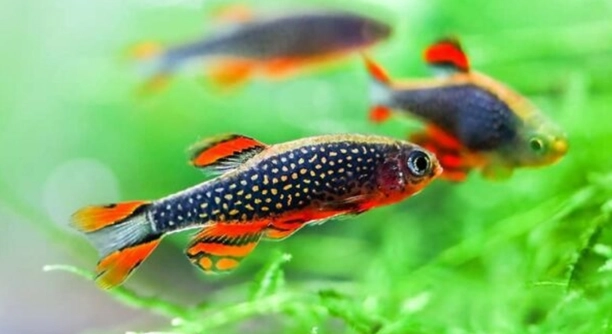
Danios are lively, small fish that can brighten any freshwater tank. Many aquarists often assume they should stick to the usual schooling companions for harmony. However, there are surprising pairings that can thrive together.
Certain unexpected tankmates, such as peaceful corydoras, small rasboras, and pygmy gouramis, can coexist with danios without causing stress or aggression. These combinations maintain balanced social interactions and ensure both species exhibit natural behaviors in a shared environment.
Learning about these unusual pairings can expand your options and help create a more dynamic, healthy aquarium for your fish friends.
Corydoras Catfish
Corydoras catfish are small, peaceful bottom dwellers that pair well with danios. They are active but stay mostly at the bottom of the tank, which prevents conflicts. Their scavenging behavior helps clean leftover food, keeping the tank healthier. They prefer similar water conditions, including a temperature range between 72 and 78°F and a neutral pH. Corydoras are social and should be kept in small groups of three to six, which encourages natural schooling behavior. Danios, being mid- to top-level swimmers, rarely interact aggressively with corydoras. Additionally, their calm nature reduces stress levels for both species. Providing hiding spaces with plants and gentle substrate ensures corydoras feel secure. Their constant movement and playful nature add interest to the aquarium. Over time, their cooperative behavior and lack of territorial disputes make them an ideal pairing with danios. Regular feeding and monitoring water quality maintain harmony between both species.
Corydoras offer peaceful interaction and clean the tank bottom, complementing danios’ activity. Their care requirements are compatible, making coexistence smooth and stress-free.
Adding corydoras can improve tank aesthetics and ecological balance. Watching these fish swim in different levels creates a lively and engaging aquarium scene.
Pygmy Gouramis
Pygmy gouramis are small, calm fish that coexist well with danios. They prefer slow-moving water with plenty of hiding spaces.
Their subtle coloration and gentle swimming reduce competition for attention and food. Pygmy gouramis enjoy floating plants for shelter and feel more confident in calm environments. They are not aggressive and will usually avoid conflict with danios, which are more energetic swimmers. Maintaining consistent water parameters and feeding them a balanced diet helps prevent stress. Danios often swim actively across the tank, while pygmy gouramis stay closer to plants and mid-level areas. This natural separation in swimming zones minimizes territorial disputes. When combined, both species can thrive, creating a visually appealing and balanced tank. Observing their interactions shows a peaceful coexistence that is easy to maintain with routine care and attention. Aquarists who introduce pygmy gouramis alongside danios can enjoy a varied and dynamic tank without significant aggression or competition. Regular monitoring ensures the tank remains harmonious and healthy.
Harlequin Rasboras
Harlequin rasboras are small, peaceful fish that move in mid-level schools, making them ideal tankmates for danios. They are active but not aggressive, which allows both species to coexist comfortably without stress or competition.
These fish prefer similar water conditions as danios, with a temperature range of 72 to 78°F and slightly acidic to neutral pH. Harlequin rasboras are schooling fish, so keeping them in groups of six or more encourages natural swimming patterns. Their vibrant coloration adds visual interest to the tank while their calm behavior prevents clashes with faster-moving danios. Danios tend to occupy mid- to upper-level swimming areas, while rasboras often stay in similar zones, but their peaceful nature ensures harmony. Adding plants and decorations provides hiding spots, which further reduces stress and keeps the tank balanced. Regular feeding and water checks maintain a healthy environment for both species.
Both harlequin rasboras and danios are active swimmers, creating a lively but peaceful tank atmosphere. Their compatible temperaments allow for a visually engaging, low-maintenance aquarium where both species thrive without issues.
White Cloud Mountain Minnows
White cloud mountain minnows are hardy, small fish that tolerate a wide range of water conditions, making them compatible with danios. They swim actively in schools, providing motion and interest throughout the tank.
Their small size and peaceful nature prevent aggression or dominance over danios, allowing for stress-free coexistence. White clouds prefer slightly cooler water but can adapt to temperatures similar to danios, between 68 and 75°F. Their schooling behavior encourages group activity, which complements the natural energy of danios swimming at the top and middle of the tank. Adding floating plants and gentle currents helps white clouds feel secure while encouraging natural movement. Feeding them small flakes or live foods ensures they remain healthy without competing aggressively for food. Observing their synchronized swimming alongside danios highlights a balanced, dynamic aquarium environment. Their low-maintenance requirements and social habits make them an excellent pairing.
Pairing white cloud mountain minnows with danios enhances tank activity and visual appeal. Both species occupy different swimming levels yet interact smoothly, maintaining harmony while supporting each other’s natural behaviors. This combination works well in community tanks with moderate care.
Otocinclus Catfish
Otocinclus catfish are small algae eaters that stay mostly on surfaces, making them peaceful tankmates for danios. They help control algae without disturbing other fish.
Their gentle nature ensures they do not compete with danios for food or territory, creating a calm aquarium environment.
Endler’s Livebearers
Endler’s livebearers are active, colorful fish that pair well with danios. They are small and non-aggressive, thriving in similar water conditions and enjoying mid- to upper-level swimming spaces. Their social behavior complements danios, adding diversity and energy to the tank without causing stress.
Cherry Shrimp
Cherry shrimp are tiny, peaceful invertebrates that clean leftover food while staying out of danios’ way. Their small size and calm nature prevent conflict and allow both species to coexist comfortably in a shared aquarium environment.
FAQ
What is the best tank size for keeping danios with other species?
Danios are active swimmers, so a larger tank is always better to reduce stress and aggression. A minimum of 20 gallons is recommended when pairing them with other small fish like rasboras or corydoras. Providing enough swimming space helps all species maintain natural behaviors.
Can danios live with invertebrates like shrimp or snails?
Yes, many danios coexist peacefully with small invertebrates such as cherry shrimp or nerite snails. It is important to provide hiding spots for the invertebrates and monitor interactions initially. Most danios are curious but rarely aggressive toward tiny tankmates that remain out of their direct path.
How many danios should be kept together?
Danios are schooling fish, so keeping them in groups of at least five or six is ideal. Small groups can lead to stress and timid behavior, while larger schools encourage active swimming and social interactions. Group size also affects tankmate compatibility, as well-fed, social danios are less likely to harass other fish.
What water conditions are suitable for danios and their tankmates?
Danios thrive in temperatures between 70 and 78°F with a neutral pH. Most compatible tankmates, such as harlequin rasboras, pygmy gouramis, and white cloud mountain minnows, share similar water requirements. Regular testing and partial water changes help maintain a stable environment for all species.
Are danios aggressive toward slower-moving fish?
Danios are generally peaceful but very active. They may chase slower fish briefly during play, but with adequate space and hiding areas, this rarely causes harm. Pairing them with calm, non-territorial fish reduces stress and allows everyone to coexist comfortably.
How should I feed danios with different tankmates?
Feed a balanced diet that meets the nutritional needs of all species. Danios enjoy flakes, pellets, and occasional live foods, while bottom dwellers like corydoras prefer sinking pellets. Distributing food in multiple areas ensures all species receive proper nutrition without competition.
Can danios breed in a community tank?
Danios can spawn in community tanks if conditions are favorable, but eggs and fry may be eaten by other fish. Providing a separate breeding tank or dense plant cover increases fry survival rates. Breeding does not usually disrupt tank harmony if monitored carefully.
What are signs of stress when danios are kept with other fish?
Signs of stress include clamped fins, lethargy, hiding, and reduced appetite. Aggression from tankmates or overcrowding can cause these behaviors. Observing interactions regularly and maintaining clean water are key to preventing stress. Adjusting tank size, decoration, or stocking numbers can improve overall health.
Which plants or decorations work best with danios and compatible species?
Floating plants, tall grasses, and gentle hiding spots work well. Danios appreciate open swimming areas, while tankmates like pygmy gouramis or corydoras benefit from cover. Using soft substrate and smooth decorations prevents injury and encourages natural behaviors across all species.
How do I prevent aggression between danios and new tankmates?
Introduce new fish slowly and in groups if possible. Rearranging tank decorations before adding newcomers can reduce territorial behavior. Monitor interactions for the first few days and be ready to separate individuals if conflicts arise. Choosing compatible species with similar temperaments is the most effective prevention.
Can danios adapt to slightly different water parameters than their tankmates?
Danios are hardy fish and can tolerate minor variations in temperature or pH. However, sudden changes or extremes can cause stress. Gradual acclimation and careful monitoring help all species adjust without compromising health or behavior.
Are there fish to avoid pairing with danios?
Avoid aggressive, territorial, or much larger fish. Species that nip fins or dominate the tank can stress danios and other small companions. Stick to peaceful, active, or non-territorial fish to ensure harmony and prevent injuries or constant stress.
How often should I clean a tank with danios and other fish?
Perform partial water changes weekly or biweekly, removing 20–30% of the water each time. Cleaning prevents buildup of waste and maintains water quality for all species. Filters should be checked regularly, and uneaten food removed promptly to avoid deterioration of the environment.
Can danios recognize other species in their tank?
Danios can become familiar with their tankmates, often swimming near them without aggression. They respond to movement and presence, which can reduce stress in a well-planned community tank. Social recognition helps maintain a peaceful environment over time.
Is it necessary to quarantine new fish before adding them to a danio tank?
Quarantining new fish for at least two weeks is recommended to prevent introducing disease. Observation during this period allows identification of illness or parasites before they spread to established fish, protecting both danios and their tankmates.
How do danios interact with different schooling species?
Danios often swim in loose schools themselves and tolerate other small schooling fish well. Coordinated movement and shared swimming zones reduce stress and create an active, dynamic tank without significant territorial conflicts.
Danios are lively and adaptable fish that can coexist with a wide range of species. Their active swimming and social behavior make them ideal for community tanks, but it is important to select compatible tankmates to maintain harmony. Choosing fish with similar water requirements and peaceful temperaments reduces stress and prevents aggression. Small schooling species such as harlequin rasboras, white cloud mountain minnows, and pygmy gouramis are excellent examples of companions that complement danios without causing conflicts. Bottom dwellers like corydoras and gentle algae eaters such as otocinclus also fit well in the same tank, as they occupy different areas and do not compete for the same swimming space. Including a variety of species at different tank levels ensures a lively and balanced aquarium, with each fish able to exhibit natural behaviors.
Tank setup plays a significant role in keeping danios and their tankmates comfortable. Providing enough space, hiding spots, and proper plant coverage can reduce stress and encourage natural movement. Floating plants, tall grasses, and smooth substrate help create secure environments for smaller or more timid species, while still leaving open swimming areas for danios. Maintaining stable water conditions is equally important. Regular monitoring of temperature, pH, and cleanliness helps prevent health issues and ensures that all species thrive together. Feeding routines should be planned to accommodate the needs of both active swimmers and bottom-dwelling fish, ensuring that all tankmates receive proper nutrition without excessive competition.
Understanding how danios interact with other species allows aquarists to create a peaceful, visually appealing community tank. Small invertebrates such as cherry shrimp can coexist alongside danios, providing additional ecological benefits by cleaning leftover food while remaining safe from harm. Observing how fish move in different zones and how they respond to one another can help fine-tune stocking decisions and tank layout. With thoughtful planning, proper care, and attention to compatibility, a community tank with danios can be lively, balanced, and low-maintenance. This approach ensures that each species thrives, creating a healthy environment where natural behaviors are expressed and the aquarium remains engaging for years to come.

Hello,
If you enjoy the content that we create, please consider saying a "Thank You!" by leaving a tip.
Every little bit helps us continue crafting quality advice that supports the health, happiness, and well-being of pets around the world, for pets of all shapes, sizes, and species.
We really appreciate the kindness and support that you show us!