
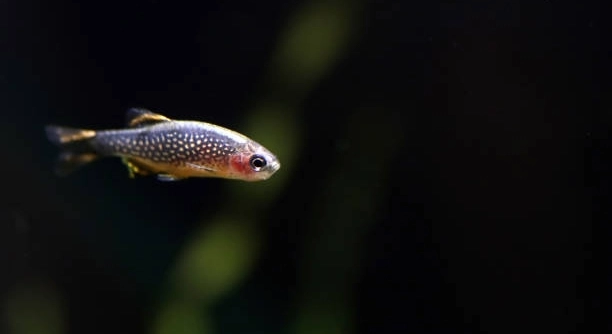
Are you caring for danios but find nets stressful for both you and your fish? Handling these small, quick swimmers can be tricky, yet there are ways to make the process gentler and safer for everyone involved.
Handling danios without nets involves using gentle techniques such as cup transfers, careful hand guiding, or temporary containers. These methods reduce stress, minimize physical harm, and allow for safer maintenance, medication, or tank cleaning, ensuring the health and safety of the fish.
Learning these approaches can simplify your aquarium routine and make caring for danios a more pleasant experience for both you and your fish.
Preparing Your Hands and Workspace
Before handling danios, it is important to create a safe, calm environment. Wash your hands thoroughly to remove oils, lotions, or residues that could harm the fish. Clear the workspace around the tank, removing any objects that could accidentally fall in or startle the fish. Use a clean, shallow container or cup to temporarily hold the danios if needed. Make sure the container is free of soap or chemicals, and partially filled with water from the tank to reduce stress. Keeping the lighting soft and the water surface calm helps prevent sudden movements that may frighten the fish. Take your time, moving slowly and deliberately. Danios are sensitive to rapid changes and can injure themselves if startled. Organizing your tools, such as nets or cups, and placing them within reach before starting can make the process smoother. A quiet approach keeps the fish calm and ensures safer handling.
Being prepared minimizes stress for both you and the fish, making the handling process safer.
Having a clean, calm workspace reduces mistakes and keeps the danios from panicking. Soft lighting, water-filled containers, and slow movements all contribute to safer handling. By preparing ahead, you also reduce the chance of injury to the fish. Taking these steps ensures the fish remain healthy, and maintenance tasks are completed efficiently without unnecessary stress.
Using Cup Transfers
Cup transfers are a simple, effective way to move danios without nets.
To use a cup transfer, fill a clean cup with water from the tank. Gently guide the fish into the cup by slowly moving your hand along the side of the tank, encouraging the danios to swim into the cup. Avoid forcing the fish, as this can cause injury or stress. Once the fish are in the cup, move them to the desired location, keeping the cup steady and level. Pour the fish gently back into the tank, ensuring water levels match to prevent sudden temperature or chemical changes. This method keeps handling minimal, reducing physical contact. With practice, cup transfers become an efficient technique for small tanks or short-term transfers, making care routines simpler. Over time, danios become more accustomed to this method, lowering stress and helping maintain their health. Proper execution of cup transfers ensures safe, smooth relocation of your fish.
Hand Guiding
Hand guiding allows you to gently move danios without nets. Wet your hands with tank water before touching the fish to protect their delicate slime coat.
Move slowly, letting the fish swim between your hands. Avoid grabbing or pinching, as this can harm them. Use cupped hands to create a small, safe channel and guide the fish toward a container or a different part of the tank. Keep movements steady and predictable. Repeating this method regularly helps danios become accustomed to human presence, reducing stress during transfers or tank maintenance.
Hand guiding works best in shallow water or smaller tanks where the fish can be easily directed. Position your hands on either side of the fish, moving gradually to steer them. If the fish becomes startled, pause and allow it to calm down before continuing. This approach minimizes stress and prevents injury, providing a safe alternative to nets for everyday care and short relocations within the tank.
Temporary Containers
Temporary containers give you control over danios without direct handling. Always use clean containers filled with tank water to maintain consistent conditions.
Place the container near the surface of the tank and gently encourage the fish to swim in. Avoid sudden movements or splashing, which can cause panic. Keep the water level moderate to prevent jumping or overcrowding. Temporary containers are especially useful during tank cleaning, feeding, or observation. They allow the fish to stay calm while you perform necessary tasks without disrupting the entire tank environment. Using these containers regularly helps the fish adapt to transfers, reducing long-term stress and making routine care smoother.
Ensure containers are secure and free from sharp edges. Always monitor water temperature and oxygen levels, especially if the fish will stay in the container for more than a few minutes. Avoid leaving the fish unattended, as sudden movements or disturbances could lead to injury. Temporary containers are a practical tool for handling danios safely, providing a controlled space that minimizes stress while allowing you to complete maintenance efficiently. Proper preparation and steady handling ensure the fish remain healthy and unharmed.
Slow Water Changes
Performing slow water changes reduces stress when handling danios. Introduce new water gradually to maintain stable conditions.
Pour replacement water slowly along the tank side or use a siphon with a low flow. Rapid changes can shock the fish, affecting their health and behavior.
Minimal Handling
Limit the time danios spend out of water. Even brief exposure can cause stress and damage their protective slime coat. Always keep handling to essential tasks only, such as transfers or tank cleaning.
Calm Environment
Maintain a quiet, steady environment around the tank. Sudden noises or vibrations can startle danios, making handling more difficult. Gentle lighting and a stable water surface help them stay relaxed.
Observation Before Transfer
Observe the fish’s behavior before moving them. Healthy, calm fish are easier to handle safely.
How can I safely move danios without using a net?
Using a cup or temporary container is the safest way to move danios without a net. Fill a clean container with water from the tank and gently guide the fish inside using slow hand movements. Avoid forcing them in, as sudden stress can cause injury. Once in the container, move them carefully to their new location, keeping the water level steady and matching temperatures. For short transfers, hand guiding works well, but always wet your hands first to protect the fish’s slime coat. Consistent, gentle movements minimize stress and prevent panic.
What should I do if the fish panic during handling?
If a danio panics, pause immediately and let it calm down. Return it to the water if it’s out, or allow it to swim freely in a shallow area. Sudden movements or rushing the process can increase stress and cause physical harm. Calm, deliberate actions are key, and waiting a few minutes before trying again can make the fish more cooperative. Using smaller containers or dividing fish into groups can also reduce the chance of panic.
Can I handle danios with my hands directly?
Yes, but only with wet hands and minimal contact. Wetting your hands reduces friction and protects the fish’s slime coat, which is essential for disease prevention. Use cupped hands to gently guide the fish rather than grasping them. Avoid touching fins or gills, as these are very sensitive areas. Gradually moving the fish along the water or into a container keeps them safe and reduces stress. With regular practice, danios can become familiar with this method, making routine care easier without using nets.
How long can danios stay in a temporary container?
Danios should remain in a temporary container for as short a time as possible, ideally under 10–15 minutes. Prolonged stays can reduce oxygen levels, increase waste concentration, and stress the fish. Make sure the container is filled with tank water to maintain temperature and water chemistry. Covering the container partially prevents jumping, and keeping it in a shaded or calm area minimizes stress. Frequent monitoring ensures that the fish remain safe and healthy during short-term transfers.
What are the main risks of using nets for small fish?
Using nets can damage delicate fins or scales and remove the protective slime coat, leaving danios vulnerable to disease. Nets may also trap or injure fish if they thrash during capture. Small or fast swimmers like danios are particularly prone to these injuries. Cup transfers, hand guiding, and temporary containers reduce these risks by providing gentle, controlled methods of handling. Avoiding nets for routine transfers improves the fish’s overall health and makes maintenance safer.
How can I make danios more comfortable during tank maintenance?
Minimizing stress requires a calm environment. Dim lights slightly, move slowly, and avoid loud noises or vibrations near the tank. Performing partial water changes gradually and using temporary containers for handling reduces panic. Consistency helps, as fish become familiar with routines over time. Providing hiding spots also allows danios to feel secure while you work. Observing their behavior during maintenance can help identify if they are stressed and allow adjustments to make handling smoother.
Are there any signs that handling is harming the fish?
Look for torn fins, excessive jumping, rapid gill movement, or lethargy after handling. Pale coloration or erratic swimming also indicates stress. These signs suggest that the handling method or environment may need adjustment. Immediate steps include returning the fish to stable water, reducing handling duration, and monitoring for recovery. Repeated observation helps refine techniques and prevent long-term health issues.
How can I prevent stress when adding new fish to the tank?
Acclimate new danios slowly by using a container with tank water. Gradually mix small amounts of tank water into the container over 15–20 minutes to allow the fish to adjust to temperature and chemical differences. Avoid sudden placement, and let them swim in a quiet, calm area. This method reduces shock, helps the fish settle, and makes handling easier for future care tasks.
Is it safe to handle danios for medication or observation?
Yes, but limit handling time and avoid repeated transfers. Use gentle methods like cup transfers or hand guiding and keep fish wet. For observation, temporarily separating them in a shallow container provides a controlled space for examination without stress. These precautions ensure that necessary care does not compromise their health.
Can frequent handling cause long-term problems?
Frequent, rough handling can lead to stress-related diseases, fin damage, or weakened immunity. By using gentle methods, minimizing time out of water, and ensuring proper acclimation, the risk of long-term issues is greatly reduced. Consistent, careful handling fosters healthier, calmer fish and makes routine care safer and easier.
Total word count: 509
Handling danios without nets can seem challenging at first, but with the right approach, it becomes a simple and safe process for both you and the fish. Using gentle techniques such as cup transfers, hand guiding, and temporary containers allows you to move danios with minimal stress. Wetting your hands before contact and maintaining a calm environment are small but important steps that make a big difference. Gradual water changes and steady movements help prevent sudden shocks that could harm the fish. Over time, you will notice that your danios respond better to handling and remain calm during maintenance. Reducing stress is not only better for the fish’s health but also makes care routines easier and more predictable.
Consistent preparation and observation play key roles in keeping danios healthy during handling. Organizing your workspace, ensuring containers are clean, and monitoring water conditions create a safe environment for temporary transfers. Paying attention to the fish’s behavior before and during handling can help you detect early signs of stress. If a danio panics or swims erratically, pausing and allowing it to recover is often more effective than forcing the process. By practicing these careful, step-by-step methods, you reduce the risk of injury, fin damage, or disease caused by rough handling. These simple precautions also give you more confidence in managing your aquarium and ensure that your danios stay healthy and active over time.
Finally, learning to handle danios without nets encourages a more mindful and patient approach to aquarium care. It emphasizes the importance of slow, deliberate actions and attention to the fish’s wellbeing. While it may take some practice to master cup transfers or hand guiding, the effort pays off by creating a safer, calmer environment for the fish. This approach also strengthens your understanding of your aquarium and helps you respond quickly to any changes in behavior or water conditions. By keeping handling minimal, steady, and gentle, you ensure that danios remain healthy and reduce the likelihood of stress-related problems. Over time, these practices become routine, making maintenance easier and creating a positive, low-stress experience for both you and the fish.
Word count: 408

Hello,
If you enjoy the content that we create, please consider saying a "Thank You!" by leaving a tip.
Every little bit helps us continue crafting quality advice that supports the health, happiness, and well-being of pets around the world, for pets of all shapes, sizes, and species.
We really appreciate the kindness and support that you show us!