
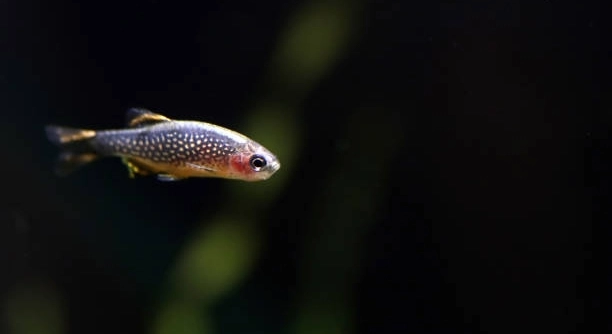
Creating a minimalist layout for an aquarium can be both calming and visually appealing. Many fish owners enjoy the simplicity, as it highlights their Danios’ natural colors and movements without overwhelming the tank.
Minimalist layouts for Danios focus on reducing clutter while maintaining essential swimming space and hiding spots. Clean lines, a limited selection of plants, and thoughtful placement of decorations support both aesthetics and the fish’s well-being.
These simple yet effective layouts can transform a basic tank into a balanced and attractive environment that suits your Danios’ needs perfectly.
Open Swimming Spaces
Creating open swimming spaces is key for Danios to thrive. These fish are active swimmers and need room to move freely. By keeping the center of the tank clear and arranging plants and decorations around the edges, the tank feels more spacious. Avoid overcrowding with large rocks or dense plant clusters, as this can stress the fish and limit their natural movement. Small or low-lying plants work well, providing cover without blocking open areas. Driftwood and minimal decorations placed along the sides maintain interest without reducing swimming room. Open spaces also make it easier to observe the fish and monitor their behavior. Choosing a tank with a larger footprint rather than height ensures Danios have enough horizontal room to dart around. Maintaining this balance between open areas and safe hiding spots supports both their health and natural instincts. It’s a simple adjustment that greatly improves tank function and appearance.
Open swimming spaces let Danios express natural behaviors, reducing stress and promoting overall well-being.
Minimalist designs with open areas allow light to reach all parts of the tank, helping plants grow evenly. These layouts also make cleaning easier and reduce places where debris can collect. Selecting low-maintenance plants and positioning decor along the edges keeps the tank organized. By leaving the middle clear, the fish can swim in groups comfortably. This arrangement highlights their colors and patterns against a simple backdrop. Even a small tank can feel spacious if clutter is minimized.
Single Plant Focus
A single plant as a focal point can enhance a minimalist tank’s appeal.
Choosing one well-chosen plant draws attention while keeping the setup simple. Tall or textured species work best, positioned to allow Danios plenty of swimming room. Avoid crowding with multiple plants that compete for space or light.
Focusing on a single plant emphasizes clean lines and simplicity while offering necessary cover. Anubias, Java fern, or Amazon sword are popular options due to their hardiness and minimal care requirements. Placing the plant slightly off-center creates visual interest without overcrowding the tank. It provides a natural hiding spot, helping Danios feel secure, while open areas around it maintain freedom to swim. A single, strong plant also reduces maintenance, as fewer leaves decay or trap debris. With careful lighting and occasional trimming, it remains healthy and visually appealing. Combining this approach with minimal decor ensures the tank feels balanced and harmonious. Even a modest aquarium can look thoughtfully designed when one plant anchors the layout. This simplicity highlights the beauty of both the plant and the active fish around it.
Natural Rock Arrangement
Rocks placed naturally along the edges or corners create structure without crowding the tank. Danios use these formations for hiding and exploring, while the center remains open for swimming. Fewer, carefully positioned rocks maintain a minimalist look and support fish well-being.
Using a few medium-sized rocks can make the tank visually appealing without overwhelming it. Smooth river stones or flat slate work best, as they reduce sharp edges that might harm the fish. Grouping rocks in small clusters creates interest and breaks up the space subtly. Avoid stacking too many rocks, which can block swimming areas and create debris traps. Light-colored stones can reflect light and brighten the tank, while darker stones add contrast against plants and the fish’s colors. Observing the rocks’ placement from different angles ensures balance and keeps the tank harmonious.
Rocks can also influence water flow and current patterns. Positioning them thoughtfully helps Danios navigate the tank efficiently. They can rest behind rocks for shelter or dash around them when playing. Maintaining stable rock placement prevents accidental shifts that could trap fish. Minimalist rock arrangements combine functionality and style, creating a natural, open environment. This setup emphasizes the fish’s activity while keeping maintenance simple. Selecting rocks with varied textures adds visual depth while retaining simplicity. Overall, a few well-chosen stones enhance both aesthetics and fish comfort.
Driftwood Accent
Driftwood provides hiding spots and adds texture to a minimalist tank.
A single piece of driftwood placed along one side offers shelter while keeping open swimming areas intact. It should be smooth and treated to avoid water contamination.
Driftwood creates a natural focal point without cluttering the tank. It encourages Danios to explore, offering shaded areas that reduce stress. Positioning it diagonally or off-center maintains visual interest and complements any plants nearby. Lighter wood contrasts with dark substrate, while darker wood blends subtly. Properly prepared driftwood releases tannins gradually, slightly coloring the water and mimicking natural habitats, which can be calming for the fish. It can be anchored with rocks or buried slightly to ensure stability. Even minimalistic tanks benefit from its organic form, giving depth and structure. Combined with open spaces, the driftwood accent balances simplicity with environmental enrichment, supporting both aesthetic appeal and the Danios’ natural behavior.
Low-Lying Plants
Low-lying plants create subtle greenery without obstructing swimming space. They provide cover near the substrate while keeping the tank visually open.
These plants are easy to maintain and grow slowly, requiring minimal trimming. Examples include dwarf hairgrass or Java moss, which spread naturally along the bottom.
Floating Plants
Floating plants offer shade and reduce bright lighting intensity. They gently sway with water movement, creating a calming effect for Danios. Their roots provide additional micro-hiding spots, improving comfort without overcrowding the tank.
Minimal Substrate
Using minimal substrate keeps the tank clean and simple. A thin layer of sand or fine gravel emphasizes open space and highlights fish movements. It also reduces debris accumulation, making cleaning easier.
Single Decoration Focus
One carefully chosen decoration can define a tank’s style. Placing it thoughtfully preserves swimming space while adding interest. Minimalist tanks benefit from a single, well-positioned ornament that enhances visual appeal without clutter.
FAQ
How many Danios should I keep in a minimalist tank?
Danios are schooling fish and feel more secure in groups. A minimum of six is recommended, even in smaller tanks, to encourage natural behavior. Overcrowding should be avoided, so balance group size with the tank’s dimensions. Minimalist layouts work best when swimming space remains uncluttered.
What types of plants are best for a minimalist Danio tank?
Low-maintenance plants like Java fern, Anubias, Amazon sword, and dwarf hairgrass are ideal. These species provide cover without taking up too much space. Floating plants can also add shade and texture, enhancing comfort while keeping the central swimming area open and simple.
Can I use decorations in a minimalist layout?
Yes, but only sparingly. One or two natural elements, like a single driftwood piece or a small rock cluster, is enough. Overloading with decorations reduces swimming space and disrupts the minimalist aesthetic. Each piece should serve a functional or visual purpose.
How do I maintain a clean minimalist tank?
Regular water changes and monitoring filter function are key. Minimal substrate and fewer decorations reduce trapped debris, simplifying cleaning. Plants and decorations should be occasionally rinsed or trimmed to prevent buildup. A balanced feeding schedule also prevents excess waste accumulation.
Do Danios need hiding spots in a minimalist setup?
Yes, even in simple tanks. While they are active swimmers, they still need places to feel secure. Strategically placed plants, a single rock cluster, or driftwood provides shelter without cluttering the tank. These elements reduce stress and encourage natural behavior.
How often should I trim plants in a minimalist tank?
Trimming depends on plant growth, typically every few weeks. Low-growing or slow-growing species require less frequent care. Regular trimming maintains open swimming areas, prevents overcrowding, and keeps the tank visually clean.
Can I mix plant types in a minimalist layout?
Yes, but moderation is important. Combining one low-lying plant with a single floating plant or one tall background plant maintains balance. Too many varieties create clutter and diminish the minimalist appeal, so choose a few complementary types carefully.
What lighting works best for a minimalist Danio tank?
Moderate, evenly distributed lighting supports plant growth without stressing the fish. Floating plants can help diffuse light naturally. Avoid overly bright or harsh lighting, as it can make the tank appear busy and affect fish behavior.
Are substrates necessary in a minimalist tank?
A thin layer of sand or fine gravel is usually sufficient. It supports plants, enhances tank aesthetics, and keeps debris from accumulating directly on the bottom. Excessive substrate adds weight and complicates cleaning, which conflicts with a minimalist design.
How do I ensure my Danios are happy in a minimalist tank?
Provide adequate open swimming space, consistent water conditions, and a few secure hiding spots. Observe their behavior for signs of stress, aggression, or lethargy. Minimalist layouts prioritize freedom of movement, which is essential for their health and activity levels.
Can I add more than one decoration in a minimalist tank?
Yes, but only if it maintains balance. Two or three small, natural pieces, like rocks or driftwood, can work without crowding the tank. Each item should have a clear purpose, whether providing shelter or acting as a visual focal point.
How do I keep a minimalist tank visually appealing?
Focus on clean lines, symmetry, and open space. Choose decorations and plants that complement each other. Avoid unnecessary additions and maintain healthy, well-trimmed plants. The simplicity itself highlights the beauty of the fish and their movements.
Is water flow important in a minimalist Danio tank?
Yes, gentle but consistent flow supports fish health and prevents stagnant areas. Placement of decorations and plants should allow water circulation, ensuring oxygen distribution and reducing debris accumulation without disrupting the tank’s clean look.
Can I change the layout frequently?
Minimalist layouts benefit from stability. Frequent rearrangement can stress Danios and reduce their comfort. Adjustments should be minor and planned, like moving a plant slightly or replacing a single decoration, keeping the tank predictable and safe for the fish.
How do I feed Danios in a minimalist setup?
Feed small amounts multiple times a day. Avoid overfeeding, which can dirty the substrate and compromise water quality. Floating or sinking pellets can be used, but the open swimming space should remain unobstructed to maintain the tank’s clean look.
What’s the best tank size for a minimalist Danio layout?
A wider tank is preferable over a tall, narrow one. Horizontal space allows natural schooling behavior. Even a modestly sized tank can work if clutter is minimized and decorations are limited to essential pieces, giving fish ample room to move freely.
Can minimalist layouts work with other fish species?
Yes, but compatibility is crucial. Danios are active and prefer similar-sized, non-aggressive tank mates. Adding other species requires careful planning to maintain swimming space and preserve the minimalist aesthetic. Overcrowding or incompatible fish can create stress and disturb balance.
How do I prevent algae in a minimalist tank?
Balanced lighting, controlled feeding, and regular water changes help. Fewer decorations reduce surfaces for algae growth, and plants compete with algae for nutrients. Occasional gentle scrubbing of rocks, driftwood, or the tank walls keeps algae in check without disturbing the design.
Can I keep the tank simple and still provide enrichment?
Yes, enrichment comes from open swimming space, a few plants, and a single decoration. Danios enjoy darting around objects and hiding briefly. Minimalist layouts can meet behavioral needs while remaining visually simple, combining simplicity with functionality and comfort.
How often should I check water parameters in a minimalist tank?
Regular monitoring of ammonia, nitrite, nitrate, and pH is essential. Minimalist setups reduce cleaning burden but don’t eliminate water quality needs. Consistent checks help ensure stable conditions, keeping Danios healthy and active while maintaining a clean, simple environment.
Can I use LED lighting for a minimalist Danio tank?
Yes, LEDs provide even, energy-efficient light that supports plant growth and enhances fish coloration. Adjustable LEDs allow control of brightness and timing, maintaining a calm, visually appealing environment without overpowering the tank.
Is it okay to have bare spots in the tank?
Yes, open areas are essential for Danios’ swimming behavior. Bare spots highlight fish activity and keep the minimalist look intact. Strategic placement of plants and decorations ensures the tank feels natural, functional, and uncluttered.
How do I start a minimalist tank for Danios?
Choose a tank size that allows ample swimming space, select one or two plants, add minimal substrate, and place a single decoration. Cycle the tank, test water quality, and gradually introduce Danios, keeping the layout open and simple from the start.
Can I combine rocks and driftwood in a minimalist tank?
Yes, but keep it limited. One driftwood piece and a few small rocks can coexist without overcrowding. Arrange naturally along edges or corners to provide structure while preserving central swimming areas. This combination adds texture while maintaining simplicity.
How do I maintain balance between aesthetics and function?
Prioritize open space for swimming, ensure hiding spots for comfort, and keep decoration minimal. Healthy plants, carefully placed rocks or driftwood, and clean substrate support both visual appeal and the Danios’ needs, making the tank attractive and practical.
What is the key to successful minimalist Danio care?
Open swimming areas, low-maintenance plants, minimal decorations, proper feeding, and stable water conditions. Observing fish behavior and adjusting placement carefully ensures both health and simplicity, creating a functional and visually pleasing environment for active schooling fish.
How can I make the tank feel lively without adding clutter?
Focus on fish movement, one focal plant or decoration, and subtle substrate variation. Minimalist layouts emphasize natural activity rather than numerous objects, allowing the Danios’ colors and behaviors to create visual interest naturally, keeping the tank engaging yet simple.
Can I incorporate live plants only, without decorations?
Yes, live plants alone can define a minimalist layout. Combining low-lying and one taller plant or floating species provides structure, cover, and aesthetic appeal while keeping open swimming space and reducing maintenance. This approach emphasizes simplicity and natural beauty.
How important is water temperature for a minimalist Danio tank?
Maintaining stable water temperature is crucial. Danios thrive in moderate tropical conditions. Proper heating, combined with minimal decorations that don’t obstruct water flow, ensures a healthy, stress-free environment and supports active swimming.
How often should I observe my Danios?
Daily observation is ideal. Monitoring behavior, swimming patterns, and interactions helps identify stress or health issues early. Minimalist layouts make it easier to notice changes quickly, ensuring prompt action to maintain fish well-being.
Can I rotate plants or decorations over time?
Yes, but only gradually. Minor adjustments like shifting a plant or moving one decoration help refresh the tank without stressing the fish. Maintaining a balance between open space and minimal elements preserves both aesthetics and function.
How do I prevent overcrowding in a minimalist tank?
Limit fish numbers according to tank size. Use fewer decorations and plants to maximize swimming space. Proper stocking ensures Danios can school naturally without stress, keeping the tank both functional and visually clean.
Are minimalist tanks suitable for breeding Danios?
Yes, but additional considerations are needed. Provide open swimming space, a few hiding spots, and spawning mops or fine-leaved plants. Minimalist layouts can support breeding while keeping the environment organized and easy to manage.
Can minimalist tanks be planted heavily in the background?
Background planting is acceptable if limited and structured. One tall plant or a few clustered species create depth without overcrowding. Open mid and foreground areas allow free swimming, keeping the tank simple yet natural.
How does a minimalist layout affect fish behavior?
It encourages natural schooling, reduces stress, and highlights activity. Danios benefit from open spaces to swim freely while still having minimal cover for security. The simplicity promotes both health and visual clarity.
How do I choose decorations for a minimalist tank?
Select natural, smooth, and functional pieces. One or two elements are enough. Consider placement, visual balance, and how they support fish behavior, avoiding unnecessary additions that reduce open space.
Is a bare tank without plants viable for Danios?
Technically yes, but plants provide cover and enrichment. A few strategically placed plants maintain comfort and security while preserving the minimalist look. Without any greenery, fish may feel exposed or stressed.
How often should I clean a minimalist tank?
Routine water changes weekly or biweekly, substrate vacuuming, and gentle plant maintenance keep the tank tidy. Minimal decor reduces trapped debris, making upkeep simpler than in densely decorated tanks.
What is the easiest way to maintain water clarity?
Regular water changes, controlled feeding, and proper filtration. Minimal substrate and limited decorations reduce debris accumulation. Healthy plants also compete with algae, helping maintain clear, attractive water.
Can I mix floating and rooted plants in a minimalist tank?
Yes, combining one floating plant with low-lying or single background species works well. The mix provides shade, cover, and depth while keeping the tank simple, open, and easy to maintain.
Do minimalist tanks need special filtration?
No special filtration is required. Standard filters that maintain water movement, oxygenation, and clarity are sufficient. Positioning the filter to avoid disturbing open swimming areas keeps the tank functional and visually clean.
How do I prevent fish stress in a minimalist tank?
Provide adequate swimming space, a few hiding spots, stable water conditions, and consistent feeding. Minimalist layouts reduce overcrowding and visual clutter, supporting calm behavior and natural activity.
Is lighting adjustment necessary for minimalist layouts?
Moderate lighting is enough. Too bright or intense light can create glare and stress. Floating plants or shaded areas help diffuse light naturally, keeping the environment comfortable for Danios.
Can I combine substrate types in a minimalist tank?
Yes, but keep it minimal. Using a thin layer of sand with a few pebbles adds texture without clutter. Avoid layering extensively, which can disrupt simplicity and make cleaning harder.
How can I encourage Danios to explore a minimalist tank?
Open swimming spaces, a few focal points, and slight water current variations encourage movement. Minimalist designs naturally highlight fish activity while keeping the environment simple and safe.
What maintenance is unique to minimalist Danio tanks?
The main focus is keeping open spaces clear, plants healthy, and decorations stable. Minimalist setups reduce cleaning load but require observation to ensure balance, fish comfort, and visual simplicity are maintained.
Can I use a single tall plant as a centerpiece?
Yes, a single tall plant anchors the tank visually, providing vertical structure. Placing it off-center maintains interest while preserving ample open swimming space for Danios.
How do I balance visual appeal with fish comfort?
Open space, minimal yet functional decorations, and healthy plants. Ensuring swimming room, secure hiding spots, and proper water conditions keeps Danios comfortable while maintaining a clean, attractive layout.
Can minimal tanks support other aquatic life?
Yes, compatible species like small snails or shrimp can coexist. Keep numbers low to avoid crowding, and ensure decorations and plants provide both structure and open space for all inhabitants.
How do I prevent debris buildup under decorations?
Use minimal, elevated, or strategically placed pieces. Occasional repositioning and cleaning under rocks or driftwood prevents trapped waste while keeping the tank simple and functional.
Are minimalist tanks good for small apartments?
Yes, they are space-efficient, easier to maintain, and visually clean. Even compact tanks can provide adequate swimming space for Danios while keeping decoration and upkeep minimal.
How do I start with a minimalist layout for beginners?
Begin with open space, one or two plants, minimal substrate, and a single decoration. Cycle the tank, monitor water quality, and introduce Danios gradually, keeping the setup simple and manageable.
Can I rearrange the tank seasonally?
Yes, but changes should be gradual. Slight adjustments like moving a plant or decoration refresh the environment without stressing fish, maintaining both aesthetic and functional balance.
Is it necessary to have a tank background in a minimalist layout?
Not required, but a plain or neutral background enhances visual simplicity. It highlights fish colors and movements while keeping the focus on open swimming areas.
How do I monitor fish health in a minimalist tank?
Daily observation of activity, coloration, and interactions is enough. Minimal clutter makes it easier to spot illness, stress, or abnormal behavior, ensuring timely intervention and care.
Can minimalist tanks support breeding pairs?
Yes, with adequate open swimming space and a few plants for egg-laying or hiding. Keep decorations minimal to allow free movement and easy monitoring of fry development.
Do minimalist tanks need heaters?
Yes, if the room temperature fluctuates below tropical ranges. Danios need stable warmth to thrive, and minimal decoration allows efficient heat distribution throughout the tank.
What’s the best way to introduce new fish?
Acclimate gradually using drip or floating methods. Minimalist layouts make observation easier, ensuring new Danios adjust without hiding excessively or stressing existing fish.
How often should I prune floating plants?
Once every one to two weeks, depending on growth. This prevents overcrowding, maintains open swimming areas, and preserves the clean, minimalist look.
Can I keep a minimalist tank outdoors?
It’s possible but requires extra care. Temperature stability, debris, and predator protection must be managed. Minimal decorations reduce hiding spots for pests but also make maintenance easier.
Are minimalist layouts suitable for community tanks?
Yes, if all species are compatible and active swimmers. Keep open swimming areas, provide a few shelters, and limit decorations to maintain simplicity while accommodating multiple species.
How do I ensure even plant growth?
Moderate lighting, proper substrate, and occasional trimming support balanced development. Minimalist layouts reduce shading from overcrowded plants, ensuring each plant receives sufficient light and nutrients.
Can I change decorations frequently for variety?
Frequent changes can stress fish. Minor adjustments are acceptable, but the key is stability, maintaining open swimming space and the minimalist aesthetic.
How do I maintain a calm environment in a minimalist tank?
Stable water parameters, open swimming areas, minimal decorations, and low to moderate lighting create a calm, stress-free environment conducive to Danio activity and health.
Is it okay to have bare glass walls?
Yes, bare walls emphasize open space and fish movement. Optional neutral backgrounds can enhance visual contrast, but bare walls do not harm fish or affect their behavior.
How do I balance plant density with swimming space?
Use low-lying or single tall plants and minimal floating species. Position plants along edges or corners, keeping central areas clear to allow natural schooling and movement.
Can I use artificial plants in a minimalist tank?
Yes, as long as they are smooth and limited. Artificial plants reduce maintenance, but ensure they don’t overcrowd the tank or block swimming areas.
How often should I rotate decorations for visual interest?
Occasionally, perhaps every few months, to refresh the tank without stressing fish. Minor rearrangements keep the layout interesting while maintaining a minimalist design.
Are minimalist tanks easier for beginners?
Yes, they require less maintenance, fewer decorations, and open swimming space simplifies monitoring fish health. Minimalist setups are ideal for learning aquarium care efficiently.
How do I combine hiding spots and open space?
Place plants, rocks, or driftwood along edges and corners, leaving the center clear. This balance supports fish comfort, swimming, and the minimalist aesthetic.
What’s the best substrate depth for minimalist tanks?
A thin layer, 1–2 inches, is usually enough to anchor plants and support cleanliness. Avoid deep substrate, which can hide debris and complicate maintenance.
Can I add multiple floating plants?
Yes, but keep coverage moderate to avoid blocking light and limiting swimming space. A few well-chosen floating plants enhance shade and visual texture without clutter.
Do minimalist tanks need strong filtration?
Standard filtration is sufficient. Minimal decoration and substrate reduce waste buildup, making strong filtration unnecessary, though adequate flow and aeration remain important.
How can I make the tank feel full without adding clutter?
Use active, colorful Danios, a single tall plant, and one or two small decorations. Open swimming areas allow movement to create visual interest naturally.
How often should I test water in a minimalist tank?
Weekly testing of key parameters like ammonia, nitrite, nitrate, and pH keeps conditions stable. Minimalist layouts make issues easier to detect early, protecting fish health.
Can minimalist tanks be used for breeding Danios?
Yes, if open space is maintained, and a few plants provide egg-laying surfaces. Minimal decoration allows easy monitoring and reduces stress for breeding pairs.
How do I prevent overcrowding in small tanks?
Keep the number of Danios proportional to tank size, limit decorations, and maintain open swimming space. This ensures natural schooling and reduces stress.
Can I combine low-light and floating plants?
Yes, choose species that tolerate moderate or low light
Minimalist layouts for Danios offer a unique combination of simplicity, functionality, and beauty. By focusing on open swimming spaces and limiting decorations, these designs create a clean, uncluttered environment that emphasizes the fish’s natural activity and colors. Choosing only essential elements such as a few low-lying plants, a single driftwood piece, or a small rock cluster allows Danios to move freely, explore safely, and interact naturally with their surroundings. These layouts reduce visual noise, making it easier to observe fish behavior, monitor health, and maintain the tank. A minimalist tank does not mean neglecting care; rather, it highlights thoughtful selection of each component, ensuring both aesthetic appeal and proper habitat conditions. Even modest-sized aquariums can look spacious and harmonious when minimalism is applied thoughtfully. The simplicity also allows light to reach all areas, supporting plant growth and creating a bright, balanced environment.
One of the main advantages of a minimalist layout is its ease of maintenance. Fewer decorations and a thin layer of substrate reduce areas where debris can accumulate, lowering cleaning time and effort. Low-maintenance plants like Java fern, Anubias, or dwarf hairgrass require minimal trimming while providing cover and shelter for Danios. Open swimming spaces help prevent stress and aggression, while well-placed hiding spots give fish security without overcrowding the tank. Filtration and water changes are simpler because fewer elements block circulation or trap waste. Minimalist designs also help beginners focus on core aspects of fishkeeping, such as water quality, feeding schedules, and overall fish health, without being distracted by excessive decorations or complex layouts. Over time, the clean and structured appearance of a minimalist tank continues to highlight the natural beauty and movement of Danios, making the tank enjoyable for both fish and aquarist.
A minimalist approach does not limit creativity or personality in the tank; it encourages intentional choices that balance functionality and style. Even a single tall plant or a single piece of driftwood can act as a focal point, while a few rocks or floating plants provide texture and interest. Rotating plants occasionally or adjusting decoration placement slightly allows the tank to feel fresh without overwhelming the fish or reducing open swimming space. Minimalism emphasizes the fish themselves, their schooling behavior, and the overall harmony of the environment. By keeping decorations purposeful and spaces open, aquarists can create a serene, visually appealing tank that suits Danios perfectly. This approach fosters a calm, healthy environment, makes maintenance manageable, and ensures the aquarium remains an attractive centerpiece. Minimalist layouts highlight that simplicity can coexist with beauty, offering a practical, stress-free way to care for active and lively Danios while keeping the tank organized and pleasing to the eye.

Hello,
If you enjoy the content that we create, please consider saying a "Thank You!" by leaving a tip.
Every little bit helps us continue crafting quality advice that supports the health, happiness, and well-being of pets around the world, for pets of all shapes, sizes, and species.
We really appreciate the kindness and support that you show us!