
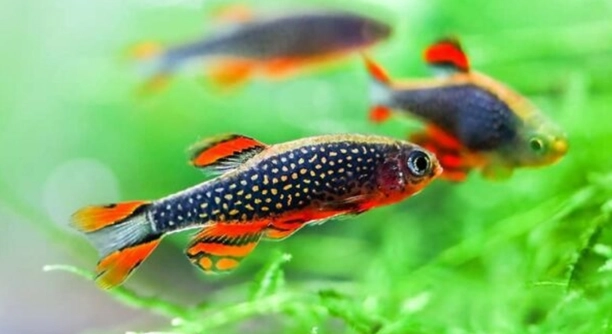
Many fish owners enjoy watching their pets eat from the water surface, yet some fish rarely come up to feed. Encouraging surface feeding can make mealtime more interactive and help monitor fish health more closely and easily.
Encouraging surface feeding involves strategies that adapt the feeding environment and fish behavior. Key approaches include selecting appropriate floating foods, establishing consistent feeding schedules, reducing stress in the tank, and gradually training fish to associate the surface with nourishment.
By applying these methods, you can create a more engaging and manageable feeding routine that benefits both the fish and their caretaker. Small adjustments can lead to noticeable improvements in feeding habits.
Choose the Right Floating Food
Selecting the proper floating food is essential for encouraging surface feeding. Many fish are naturally drawn to floating pellets or flakes that remain on the water’s surface. When choosing food, consider the size, nutritional content, and the type of fish you are feeding. Some species prefer small, light flakes that float slowly, while others respond better to larger, buoyant pellets. Introducing food that is visually appealing and easy to nibble can make the fish more willing to approach the surface. It also reduces the likelihood of food sinking too quickly, which may frustrate fish that are not used to feeding near the top. Over time, consistent use of the right floating food can train fish to associate the surface with a reliable meal. Observation is key, as you can adjust the type or size of food based on how quickly your fish respond. This approach builds a steady feeding routine.
Floating food helps fish learn surface feeding gradually and creates a consistent habit in their daily routine.
Using floating food consistently encourages fish to approach the surface quickly. Slowly, they begin recognizing feeding times and associate the top of the tank with meals. This method also allows caretakers to monitor fish behavior more easily. Watching them eat at the surface can indicate health and activity levels, helping detect any early signs of illness. Combining different types of floating foods occasionally can keep fish interested and reduce boredom during feeding. Additionally, this technique benefits shy or timid fish, as it provides a controlled and safe way to encourage interaction with the food without overwhelming them. Over time, these small adjustments improve overall feeding efficiency and maintain tank hygiene, since uneaten food can be more easily managed. Implementing floating food as the primary method ensures the fish become familiar with the surface as the main feeding zone, making the process smoother and more predictable for both the fish and caretaker.
Establish a Consistent Feeding Schedule
Consistency helps fish learn when and where to feed. Regular feeding times make surface feeding easier to reinforce.
A fixed schedule allows fish to anticipate meals at the surface. Feeding at the same times each day trains their internal rhythm. They quickly recognize when food appears and are more likely to rise to the top without hesitation. Skipping or varying feeding times can make fish anxious or less likely to feed effectively. Establishing a predictable routine also reduces stress, especially in newly introduced fish or species sensitive to environmental changes. Caretakers can pair specific signals, such as tapping the tank lightly or using a feeding tool, with the scheduled time. This helps fish associate the signal with food availability. Over time, fish adapt to the pattern and will approach the surface automatically. A consistent schedule also simplifies monitoring food intake and adjusting portions. It supports long-term health and helps prevent overeating, while encouraging natural feeding instincts. Scheduling in small, frequent portions works best for most surface-feeding species.
Reduce Stress in the Tank
Minimizing stress makes fish more willing to feed at the surface. Sudden movements, loud noises, or overcrowding can prevent fish from rising to eat.
Stress reduction starts with a calm environment. Avoid tapping the glass or making abrupt changes near the tank. Ensure decorations provide hiding spots without overcrowding swimming areas. Stable water conditions, including temperature, pH, and clarity, are crucial. Overcrowded tanks create competition and tension, which can discourage surface feeding. Even small improvements, like gentle lighting or routine maintenance, reduce stress significantly. Fish under less stress become more active and responsive to floating food. Observing behavior helps identify triggers, allowing gradual adjustments to improve comfort. Consistent care and gentle handling encourage fish to feel safe, making surface feeding easier.
When fish are less stressed, they are more likely to approach food without hesitation. Reduced stress improves health, appetite, and overall behavior.
Encouraging surface feeding requires patience when adjusting the environment. Even minor changes, like quieter surroundings or spacing out tank ornaments, can increase fish confidence. Avoid introducing multiple new fish simultaneously, as this creates tension. Monitoring water quality is essential because poor conditions contribute to stress-related refusal to feed at the surface. Feeding during calm periods of the day also improves participation. Fish notice consistent patterns and will gradually approach the surface willingly. Combining environmental stability with routine feeding trains fish to associate surface areas with safety and nourishment. This approach strengthens both feeding habits and general well-being, allowing fish to thrive.
Gradual Training and Familiarization
Repeated exposure to the surface encourages fish to feed there consistently. Start with small amounts of food and slow introductions.
Gradual training works by creating positive experiences at the surface. Offer tiny portions initially to prevent competition and reduce fear. Over time, increase the amount as fish become comfortable. Use consistent signals, like dropping food in the same spot, to help fish recognize where to feed. Patience is essential, as sudden changes or forcing interaction can cause setbacks. Observing reactions helps determine the pace of training. Shy fish may need extra repetitions before confidently approaching the surface. Familiarization also benefits social species, as group feeding reinforces learning. Repeated exposure creates a routine, ensuring fish associate the top of the tank with safe feeding.
Familiarizing fish with surface feeding gradually improves their confidence. Consistent repetition and gentle pacing lead to reliable feeding habits.
Combining gradual exposure with observation ensures success. Watch which fish approach quickly and which hesitate. Adjust food placement and timing based on behavior. Use consistent cues, like specific positions or light patterns, to signal feeding times. Avoid sudden environmental changes that might interrupt training. Repetition solidifies the connection between the surface and meals, making fish more predictable in their feeding behavior. Gradual training also allows the caretaker to notice health issues early, as fish refusing the surface may indicate illness or stress. Over weeks, this approach strengthens routine, ensures fish safety, and improves overall feeding efficiency, especially for timid or newly introduced species.
Use Visual or Audio Cues
Introducing a simple signal can help fish recognize feeding time. Repeated use of a cue, like tapping lightly or using a specific tool, trains fish to associate it with food.
Consistency is key. Using the same cue each feeding reinforces learning. Fish begin to respond quickly, approaching the surface when they detect the signal.
Limit Competition
Separating more aggressive fish or feeding smaller groups reduces stress and ensures timid fish can access food. Controlled feeding areas encourage surface feeding.
Monitor Water Quality
Clean, stable water supports healthy feeding habits. Poor water conditions can make fish hesitant to approach the surface or eat consistently.
Adjust Lighting
Soft, natural lighting can encourage fish to feed at the surface. Bright or fluctuating lights may deter timid species.
FAQ
What is surface feeding and why is it important?
Surface feeding occurs when fish eat at the top layer of the water rather than at the bottom. It is important because it allows caretakers to monitor food intake easily, observe behavior, and detect early signs of stress or illness. Fish that feed at the surface are often more active and healthier.
How do I know if my fish are stressed?
Signs of stress include hiding frequently, refusing food, erratic swimming, or gasping at the surface. Stress can be caused by overcrowding, sudden environmental changes, poor water quality, or aggressive tank mates. Reducing stress improves feeding habits and overall health.
Can all fish be trained to feed at the surface?
Not all fish naturally feed at the surface. Some species prefer mid-water or bottom feeding. However, many fish can gradually learn surface feeding if introduced slowly with floating food and consistent feeding routines. Patience is essential.
How often should I feed my fish?
Most fish benefit from small, frequent feedings rather than one large meal. Feeding twice a day is common, but this can vary based on species, age, and tank size. Consistency helps fish recognize feeding times and improves surface feeding habits.
What types of food work best for surface feeding?
Floating pellets and flakes are most effective for encouraging surface feeding. Food should match the size of your fish and stay on the surface long enough for them to eat. Occasionally offering live or frozen food can increase interest and engagement.
What if some fish never come to the surface?
Some fish are naturally shy or prefer lower levels. Using gentle cues, reducing competition, and offering small portions near the surface can help. For extremely timid fish, consider separate feeding zones or feeding during quieter periods.
Does lighting affect surface feeding?
Yes. Bright or rapidly changing lights can make fish nervous. Soft, steady lighting encourages them to explore and feed at the top. Observing how fish respond to different lighting conditions can help identify the best setup.
Can aggressive fish affect surface feeding?
Aggressive or dominant fish can scare timid ones away from the surface. Feeding in smaller groups or separating more aggressive individuals during meals can ensure all fish get food. Providing multiple feeding spots also helps reduce competition.
How long does it take to train fish to feed at the surface?
Training varies by species and individual temperament. Some fish respond within a few days, while others may take several weeks. Consistency, patience, and observation are key to successful surface feeding training.
Why is consistent water quality necessary?
Stable water conditions reduce stress and make fish more likely to feed at the surface. Poor water quality, including incorrect temperature, pH, or ammonia levels, can cause hesitation, illness, or loss of appetite, interfering with feeding routines.
Can I mix floating and sinking foods?
Yes, but it is best to start with floating foods to establish surface feeding habits. Sinking foods can be introduced later for variety and nutrition, but they should not replace primary surface feeding methods if your goal is to train fish to eat at the top.
How can I encourage shy fish to try surface feeding?
Start with very small portions close to hiding spots, and use gentle cues consistently. Feed during quieter periods, and avoid sudden movements. Gradually, shy fish learn that the surface is safe and associated with food.
Are there health benefits to surface feeding?
Yes. Surface feeding encourages natural behavior, improves activity levels, and allows for closer monitoring of food intake. Fish that feed actively at the surface often show stronger immune responses and maintain better overall condition.
Is it necessary to adjust feeding techniques for different species?
Absolutely. Each species has unique preferences and feeding behaviors. Researching your fish’s natural habits and adapting floating food types, portion sizes, and feeding schedules ensures success and promotes healthy surface feeding.
Can surface feeding help detect illness early?
Yes. Fish that refuse to feed at the surface may be showing early signs of stress or illness. Regular observation during feeding allows for timely intervention, improving recovery chances and maintaining a healthier tank environment.
What role does temperature play in surface feeding?
Temperature affects metabolism and appetite. Fish in tanks with too cold or fluctuating temperatures may eat less or avoid the surface. Maintaining a stable, species-appropriate temperature encourages consistent feeding and healthy behavior.
Are there risks to forcing fish to feed at the surface?
Forcing fish can increase stress and reduce trust in the feeding area. Gradual introduction, gentle cues, and patience are safer methods. Creating a comfortable environment encourages voluntary surface feeding without negative impacts on behavior.
How do I maintain interest in surface feeding over time?
Varying food types, maintaining consistent cues, and ensuring a calm environment help sustain interest. Occasional live or frozen treats can renew engagement. Rotating small portions also prevents boredom and reinforces surface feeding habits naturally.
Can surface feeding improve tank cleanliness?
Yes. Fish eating at the surface allow for easier removal of uneaten food, reducing waste accumulation. This helps maintain water quality and minimizes risks of disease or algae growth, benefiting all tank inhabitants.
What if my fish ignore floating food completely?
Start with smaller portions or different types of floating foods. Observe individual preferences and adjust feeding location or timing. Some fish may require longer acclimation periods, but gentle, consistent efforts typically lead to successful surface feeding over time.
Encouraging surface feeding in fish takes patience, observation, and consistency. Every tank and species is different, so what works for one may not work for another. Small adjustments, like using floating food, establishing a routine, or reducing stress, can make a noticeable difference over time. Paying attention to how your fish react to each change helps you understand their preferences and needs. Fish are observant, and they quickly notice patterns. When food appears consistently at the surface, they learn to associate the top of the tank with meals. This can make feeding easier, reduce competition, and allow you to monitor their health more closely. Even timid or shy fish can gradually become comfortable with surface feeding if changes are introduced gently. It is not about forcing them, but about creating a calm, predictable environment that encourages them to explore and engage.
Maintaining water quality is another critical factor in supporting surface feeding. Fish that live in stable, clean water are more likely to eat actively and consistently. Regular testing of pH, temperature, and other water parameters ensures they remain within safe ranges. Uneaten food should be removed promptly to prevent waste buildup and poor water quality, which can stress fish and reduce their willingness to feed at the surface. Stress-free surroundings, combined with consistent feeding schedules, provide a clear signal to fish that the surface is safe and food is available. Gradual training methods, such as small portions and gentle cues, reinforce these patterns over time. Observing how each fish reacts allows for adjustments that support successful feeding while maintaining overall health. It also creates an opportunity to notice early signs of illness, as fish that refuse the surface may be showing symptoms that require attention.
Finally, surface feeding offers benefits beyond just feeding convenience. Fish that feed at the surface are often more active and visible, allowing for better engagement and monitoring. By encouraging natural behavior, you improve their mental and physical well-being, which contributes to a healthier and more balanced tank environment. Using floating food, establishing a routine, adjusting lighting, and minimizing competition all play a role in reinforcing this behavior. Surface feeding also makes it easier to provide varied nutrition, including supplements or occasional treats, without disrupting the rest of the tank. Over time, these small, consistent efforts create a stable feeding system that benefits both the fish and their caretaker. Patience and attention to detail are key, and the results are worth it: healthier fish, a more enjoyable feeding routine, and a thriving tank ecosystem where fish feel safe, comfortable, and confident enough to eat from the surface.

Hello,
If you enjoy the content that we create, please consider saying a "Thank You!" by leaving a tip.
Every little bit helps us continue crafting quality advice that supports the health, happiness, and well-being of pets around the world, for pets of all shapes, sizes, and species.
We really appreciate the kindness and support that you show us!