
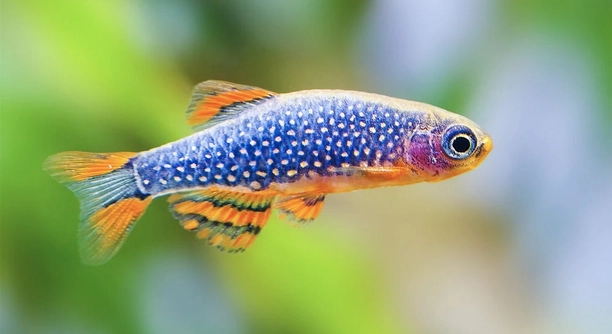
Danios are lively fish that often explore every corner of their tank. Sometimes, they seem to stay close to the glass more than usual, catching your attention and making you wonder if something is off with their environment.
Danios sticking to the glass can result from several factors, including stress, poor water quality, improper diet, illness, territorial behavior, or insufficient tank conditions. Identifying the root cause is essential for maintaining their health and well-being.
Learning why they cling to the glass can help improve their living conditions and ensure they remain active and healthy in the aquarium.
Stress and Tank Environment
Danios are sensitive to sudden changes in their surroundings. If the tank has recently been rearranged or water parameters fluctuate, they may cling to the glass more often. Even minor disturbances, like a new decoration or strong lighting, can trigger stress. Stress can make them less active and more likely to stay near the surface or edges. Overcrowding is another factor; a tank with too many fish limits swimming space, causing them to hover near the glass. Temperature plays a role as well—Danios prefer stable temperatures, and abrupt shifts can lead them to cling to cooler or warmer areas along the tank walls. Providing hiding spots like plants or small caves can reduce stress and encourage more natural movement. Gentle water flow is also helpful, as strong currents can make them feel unsafe. Observing behavior regularly allows you to notice early signs of discomfort or stress.
Maintaining a stable, spacious, and well-decorated tank reduces stress levels, encouraging Danios to swim freely instead of sticking to the glass.
Adjusting lighting, water flow, and providing plants or decorations can transform the tank into a comfortable space. Monitoring water quality daily ensures they remain healthy and active.
Poor Water Quality
Dirty or improperly balanced water makes Danios uncomfortable. High ammonia, nitrite, or nitrate levels can irritate their skin and gills, causing them to hover near the glass where water movement may be slightly better.
Keeping water clean with regular changes and a reliable filtration system is key to their well-being.
Water quality affects more than comfort—it impacts their immune system and overall health. Danios are active swimmers, and poor water conditions can weaken them, making them prone to infections. Regular testing for pH, ammonia, nitrites, and nitrates helps detect problems early. Temperature consistency is equally important; fluctuating temperatures stress the fish, often resulting in glass-sticking behavior. Cleaning the substrate and removing uneaten food prevents toxin buildup. Aeration is crucial, as stagnant water can reduce oxygen levels, prompting them to stay near surface areas. By maintaining proper water conditions, you provide an environment where Danios feel secure and energetic. Consistent monitoring, along with periodic partial water changes, ensures the aquarium stays healthy and comfortable for all inhabitants.
Hunger and Diet Issues
Danios may stick to the glass when they are hungry or not receiving a balanced diet. They often linger near feeding areas, searching for food, especially if feedings are irregular or insufficient.
Providing small, frequent meals of high-quality flakes or pellets helps keep them active and prevents glass-sticking.
Diet affects more than just hunger. Lack of variety or essential nutrients can lead to lethargy and unusual behaviors. Danios need proteins, vitamins, and occasional live or frozen foods to stay healthy. Overfeeding can also cause issues by polluting the tank, reducing water quality, and triggering stress. Observing how they respond to different foods can reveal deficiencies or preferences. Ensuring a consistent feeding schedule, along with varied nutrition, supports their energy levels and natural swimming patterns.
Proper feeding and attention to diet keep Danios healthy, reduce glass-sticking, and encourage more natural activity within the tank.
Illness and Parasites
Sick Danios often cling to the glass to conserve energy or avoid swimming against currents. Common signs include faded colors, clamped fins, or sluggish movement.
Identifying illness early and separating affected fish helps prevent disease spread.
Parasites and bacterial infections can cause glass-sticking behavior. Gill parasites make breathing difficult, prompting fish to stay near water surfaces or edges. Skin infections can irritate them, leading to rubbing against tank walls. Observing changes in appetite, swimming patterns, or fin appearance is crucial. Treating infections promptly with appropriate medication, while maintaining clean water, is essential. Quarantining new or sick fish prevents outbreaks in established tanks. Regular monitoring, combined with preventive care like maintaining stable water parameters, reduces the risk of illness and helps Danios maintain their normal, active behavior.
Territorial Behavior
Danios may stick to the glass when marking or defending territory, especially in crowded tanks. They use edges and corners as boundaries to feel secure and avoid conflicts with other fish.
Aggressive or dominant fish often patrol tank edges, keeping others at a distance.
Low Oxygen Levels
Danios gather near the glass, particularly at the surface, when oxygen levels are low. Poor aeration or overcrowding can make water less oxygen-rich, causing them to seek areas where movement improves oxygen intake.
Maintaining proper aeration, avoiding overstocking, and ensuring clean water help prevent low-oxygen stress.
Insufficient Stimulation
Danios cling to the glass when tanks lack stimulation or enrichment. Empty tanks with few hiding spots or decorations leave them with little to explore, reducing activity and increasing boredom.
Adding plants, rocks, or interactive elements encourages natural swimming and keeps them engaged.
Why do my Danios stick to the glass all the time?
Danios often stick to the glass due to stress, poor water quality, hunger, illness, or lack of stimulation. Observing the tank environment and their behavior can reveal which factor is causing the issue. Regular water changes and proper feeding usually improve their activity.
Can water temperature make Danios cling to the glass?
Yes. Danios are sensitive to sudden changes in temperature. If water is too cold or too warm, they may seek more comfortable areas along the glass. Maintaining a stable temperature between 72–78°F helps them swim normally and reduces glass-sticking.
Is overcrowding causing my Danios to stay near the edges?
Overcrowded tanks limit swimming space and can increase stress. Danios may stick to the glass to avoid confrontation or feel safer. Ensuring proper tank size and stocking levels allows them to move freely and exhibit natural behaviors.
Could illness make my Danios cling to the glass?
Yes. Fish with gill parasites, bacterial infections, or skin irritation may stay near the glass to conserve energy or find areas with better oxygen flow. Look for faded colors, clamped fins, or sluggish swimming as signs of illness. Quarantining and treating sick fish is essential.
Does diet affect their tendency to stick to the glass?
A poor or irregular diet can make Danios more likely to hover near feeding areas. They may appear restless or lethargic. Offering high-quality flakes, pellets, and occasional live or frozen foods ensures proper nutrition and encourages normal activity throughout the tank.
Can stress from tank changes cause this behavior?
Yes. Sudden rearrangements, new decorations, or changes in water parameters can stress Danios, making them cling to the glass. Gradually adjusting their environment and adding hiding spots helps them feel secure and encourages normal swimming patterns.
How does low oxygen influence glass-sticking?
Low oxygen levels make Danios stay near the water surface or along the glass where circulation is slightly better. Proper aeration, clean water, and avoiding overcrowding prevent oxygen depletion and reduce this behavior.
Will adding decorations or plants help?
Yes. Danios need stimulation to remain active. A bare tank can lead to glass-sticking out of boredom. Plants, rocks, and small caves create hiding spots and exploration opportunities, encouraging more natural swimming and less stationary behavior.
Is this behavior normal occasionally?
Occasional glass-sticking can be normal, especially if they are curious or resting. Persistent or extreme behavior, however, usually indicates an underlying problem such as stress, illness, or poor water conditions. Observing patterns helps identify the cause.
How can I prevent Danios from sticking to the glass?
Maintain stable water parameters, proper feeding schedules, sufficient tank space, and enriching decorations. Regular monitoring for signs of illness or stress ensures Danios stay healthy, active, and confident, reducing the need to cling to the glass.
What should I do if water quality is poor?
Test water for ammonia, nitrites, nitrates, and pH. Perform partial water changes and clean the substrate regularly. Ensuring good filtration and aeration keeps water clean, making the tank safer and more comfortable for Danios.
Are there signs that glass-sticking indicates serious health issues?
Persistent lethargy, clamped fins, faded colors, or abnormal breathing are warning signs. Immediate attention, water testing, and, if needed, medication can prevent worsening health problems and help restore normal behavior.
Can tankmates influence this behavior?
Yes. Aggressive or territorial tankmates can push Danios toward tank edges. Observing interactions and rearranging fish or providing hiding spots can reduce stress and minimize glass-sticking caused by social pressure.
How long does it take for Danios to return to normal behavior?
Once water quality, diet, tank environment, and health are addressed, changes may be visible within a few days to a week. Patience and consistent care are key to restoring normal activity and reducing glass-sticking.
Are all Danios equally prone to sticking to the glass?
Behavior varies among individuals. Some are naturally more active or cautious, while others cling to edges when stressed or bored. Observing each fish’s habits helps tailor care to their needs, ensuring a healthier, more active tank community.
Danios are lively and social fish, but seeing them cling to the glass can be worrying. This behavior often signals that something in their environment is off, whether it is water quality, stress, diet, or health issues. Paying attention to how your fish behave and where they spend their time is important for keeping them healthy. Simple adjustments, like ensuring clean water and a steady temperature, can make a big difference. A stable environment helps them feel safe and encourages normal swimming patterns, reducing the need to hover near the glass. Observing your tank daily allows you to spot early signs of problems before they become serious, which is crucial for maintaining a thriving aquarium.
Diet also plays a significant role in their behavior. Danios need a balanced mix of nutrients to stay active and healthy. High-quality flakes or pellets, along with occasional live or frozen foods, provide the protein and vitamins they need. Feeding on a regular schedule keeps them from becoming restless and searching constantly for food. Overfeeding, on the other hand, can pollute the water and increase stress, causing them to cling to the glass or exhibit unusual swimming habits. By paying attention to both quantity and quality of food, you can help your fish remain energetic and happy. Additionally, adding plants or decorations provides stimulation and hiding spots, which further encourages natural movement.
Health is another key factor to monitor. Illnesses, parasites, and stress can all cause glass-sticking behavior. Watching for signs like faded colors, clamped fins, or sluggish swimming is essential. When problems are detected, addressing them quickly through quarantine, treatment, or water adjustments is necessary to prevent more serious issues. Even small changes, like improving aeration or rearranging tank decorations, can reduce stress and improve overall well-being. Maintaining a clean, stable, and enriched environment allows Danios to thrive, showing their natural energy and social behavior. Regular care, careful observation, and consistent feeding habits all contribute to a healthier, more active tank where glass-sticking becomes rare.

Hello,
If you enjoy the content that we create, please consider saying a "Thank You!" by leaving a tip.
Every little bit helps us continue crafting quality advice that supports the health, happiness, and well-being of pets around the world, for pets of all shapes, sizes, and species.
We really appreciate the kindness and support that you show us!