
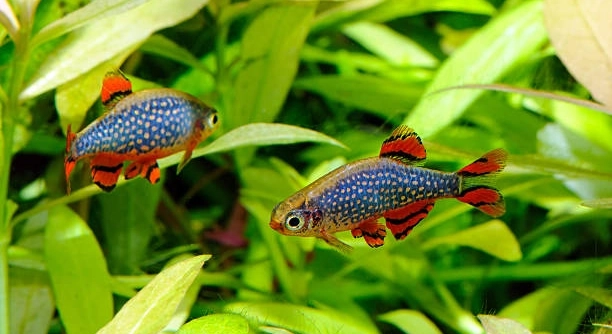
Are your danios looking dull or less vibrant than usual? Maintaining bright coloration in these small, lively fish requires attention to diet, water quality, and overall care. Subtle adjustments can lead to noticeable improvements over time.
Enhancing danio coloration involves providing a varied diet rich in carotenoids, maintaining optimal water parameters, reducing stress, and ensuring adequate lighting. Consistent care, including proper filtration and regular water changes, supports natural pigment development and overall fish health.
These seven tips offer practical ways to improve your danios’ colors while promoting their long-term health and well-being in a home aquarium.
Feed a Balanced, Color-Enhancing Diet
A healthy, varied diet is one of the most effective ways to improve danio coloration. Foods rich in natural pigments, such as carotenoids found in shrimp, spirulina, and certain vegetables, can enhance red, orange, and yellow tones. Avoid feeding only flakes or generic pellets, as these may lack the nutrients necessary for vibrant colors. Rotate protein sources like bloodworms, daphnia, or brine shrimp to provide essential amino acids that support overall health and vitality. Offering occasional treats like freeze-dried or frozen options keeps the diet interesting while still contributing to pigment development. Fresh vegetables, such as peas or spinach, supply fiber and micronutrients, promoting digestion and absorption of nutrients. A balanced feeding schedule, without overfeeding, ensures your danios maintain bright colors without compromising water quality or their well-being. Observing your fish regularly will help you identify which foods they respond to best, and small adjustments can make a noticeable difference over weeks of consistent care.
Providing a balanced diet improves coloration, supports health, and reduces stress in your danios, ensuring they maintain vibrant, visible tones consistently.
Consistent feeding habits also prevent digestive issues and maintain water quality, which directly affects color expression. Fish that are well-fed but not overfed show steadier pigmentation. By incorporating a variety of protein sources, vegetables, and pigment-rich foods, you can gradually enhance natural tones without sudden changes that may stress the fish. Monitoring feeding behavior helps identify preferences and ensures each fish receives adequate nutrition. Over time, proper feeding routines encourage healthy growth, active behavior, and the bright, vivid colors that make danios attractive in an aquarium. Small, thoughtful adjustments to diet often lead to the most noticeable improvements, proving that nutrition plays a central role in fish coloration and overall well-being.
Maintain Optimal Water Conditions
Water quality has a direct effect on danio coloration and health. Regular water changes, stable temperature, and proper pH levels help maintain their natural vibrancy.
Consistent water care prevents stress and supports pigment expression, keeping danios colorful and active.
Poor water quality leads to stress, which dulls colors and can trigger disease. Maintaining clean water requires regular testing for ammonia, nitrites, and nitrates. Filtration systems should be appropriate for tank size, ensuring sufficient circulation without creating overly strong currents that can exhaust the fish. Temperature stability is equally important; sudden fluctuations may cause stress and color fading. Maintaining pH and hardness within suitable ranges prevents physiological stress, supporting immune function and pigment retention. Monitoring water parameters weekly allows early detection of issues before they affect fish appearance. Using high-quality, dechlorinated water during changes keeps the environment safe and stable. By consistently managing water quality, you create conditions in which danios can display their natural, bright colors while staying healthy and active, making your aquarium visually appealing.
Provide Adequate Lighting
Proper lighting encourages pigment development and keeps colors vivid. A balanced day-night cycle prevents stress and supports natural behavior, which in turn helps danios display brighter tones.
Consistent lighting enhances natural coloration by simulating a stable environment similar to their natural habitat. Fluorescent or LED lights designed for freshwater aquariums work well, providing both brightness and spectrum that highlight reds, blues, and yellows. Avoid overly harsh or dim lighting, as it can either bleach colors or make them appear dull. Position lights to cover the entire tank evenly, preventing shaded areas where fish may lose vibrancy. Maintaining 10 to 12 hours of light per day supports circadian rhythms, feeding behavior, and overall health. Observing your fish under proper lighting can reveal subtle improvements in pigmentation over time.
Light intensity also influences plant growth, which indirectly improves coloration by creating a natural environment and reducing stress. Plants absorb excess nutrients, help oxygenate water, and provide shaded areas for resting. A well-planted tank with moderate lighting makes danios feel secure, encouraging natural behavior that highlights their bright colors. Alternating periods of light and darkness without sudden changes ensures stability, which is key for both health and pigment expression.
Reduce Stress in the Aquarium
Stress directly affects pigment expression and overall health. Minimizing sudden changes, overcrowding, and aggressive tank mates keeps danios colorful.
Stress management is essential for color maintenance. Provide hiding spots using plants, rocks, or decorations, allowing fish to feel secure. Avoid rapid temperature swings, abrupt water changes, or loud disturbances near the tank. Overcrowding causes competition for food and territory, which can lead to faded coloration and illness. Monitor fish behavior regularly to detect signs of stress early, such as clamped fins or lethargy. Ensuring compatible tank mates reduces aggression and allows danios to swim and display colors naturally. Creating a calm, stable environment helps maintain vibrant pigmentation over time and promotes long-term health.
Keep a Stable Temperature
Stable temperature supports both health and coloration. Sudden fluctuations can stress danios, causing dull colors and sluggish behavior.
Use a reliable heater and thermometer to maintain consistent warmth. Aim for 72–78°F, adjusting slowly if needed to prevent stress and promote natural pigment expression.
Use High-Quality Water Filtration
Effective filtration removes waste and maintains clarity. Clean, well-oxygenated water prevents toxins from accumulating, keeping danios healthy and colorful.
A filter suited to tank size ensures proper circulation without creating strong currents. Regular maintenance, including rinsing filter media, prevents clogging and supports consistent water quality.
Encourage Natural Behavior
Swimming freely and interacting with their environment enhances vitality and coloration. Danios in enriched tanks show brighter, more consistent colors.
Provide open swimming areas and structured hiding spots to support activity and natural patterns. Observing fish express natural behaviors signals good health and helps maintain vivid pigmentation.
FAQ
How often should I feed my danios to improve coloration?
Feeding small portions two to three times a day is ideal. Overfeeding can cloud water and stress fish, which dulls colors. Rotate protein sources, vegetables, and pigment-rich foods to ensure a balanced diet that supports natural brightness without harming water quality.
What types of food enhance red and orange tones in danios?
Carotenoid-rich foods, such as shrimp, krill, spirulina, and certain vegetables, are effective. Occasional treats like bloodworms or brine shrimp provide protein while reinforcing coloration. Fresh, frozen, or freeze-dried options can be used to diversify their diet and encourage stronger pigment expression.
How important is water quality for danio color?
Water quality is crucial. High ammonia, nitrite, or nitrate levels cause stress and fade colors. Regular testing, filtration, and weekly water changes maintain stable conditions. Stable temperature, pH, and hardness prevent stress and support healthy pigmentation over time.
Can lighting affect danio coloration?
Yes, proper lighting enhances pigment visibility and encourages natural development. LED or fluorescent lights for freshwater tanks work well. Provide 10–12 hours daily, simulating natural day-night cycles. Avoid overly harsh or dim lighting to prevent color loss or stress.
Do tank mates influence danio color?
Aggressive or overly active fish can stress danios, causing faded coloration. Choose compatible, peaceful species. Adequate space and hiding spots reduce territorial disputes, allowing danios to display natural colors and behaviors without constant competition or stress.
How can I reduce stress to improve colors?
Minimize sudden temperature shifts, abrupt water changes, or excessive noise near the tank. Provide plants, rocks, or decorations for hiding, and avoid overcrowding. Observing behavior helps identify stress early, allowing adjustments that preserve pigmentation and overall health.
Are supplements necessary for brighter colors?
Supplements are helpful but not always required. Carotenoid-enriched foods and high-quality pellets often provide sufficient nutrients. Use additional supplements only when diet alone cannot meet pigment needs, and monitor fish response carefully to avoid over-supplementation.
How quickly can I expect to see color improvement?
Changes are gradual. With consistent diet, water care, and stress reduction, color enhancements typically appear within a few weeks. Patience is important, as sudden changes can indicate stress rather than effective improvements. Monitoring fish regularly ensures adjustments are effective.
Does tank size impact coloration?
Smaller, overcrowded tanks can increase stress, dulling colors. Larger, properly stocked tanks provide space for swimming and natural behaviors, which supports healthy pigment expression and reduces aggression or competition-related fading.
Is it necessary to add plants to improve color?
Plants create a more natural environment and reduce stress, indirectly enhancing coloration. They also absorb excess nutrients, improve water quality, and provide shelter. While not strictly necessary, a planted tank promotes health and encourages brighter, more stable pigmentation.
Can temperature extremes affect pigment expression?
Yes, sudden heat or cold shocks cause stress, leading to faded colors. Maintain stable temperatures between 72–78°F. Use a reliable heater and thermometer to prevent fluctuations, and make gradual adjustments when needed to preserve health and natural coloration.
Do danios lose color with age?
Some fading can occur naturally as fish mature. However, proper diet, stable water conditions, and low stress can maintain vibrancy longer. Aging fish may require more attention to diet and environment to keep colors as bright as possible.
Are there signs my danios are not healthy?
Clamped fins, lethargy, loss of appetite, or pale colors indicate stress or illness. Early detection allows corrective measures, such as water changes, diet adjustments, or isolation of sick individuals, preventing further color loss or health issues.
Can lighting alone change colors?
Lighting highlights existing pigments but does not create them. Adequate light, combined with nutrition and stress-free conditions, maximizes visible coloration. Alternating day-night cycles helps fish maintain circadian rhythms, which supports natural color expression.
Should I quarantine new fish for color maintenance?
Yes, quarantining prevents introducing disease or parasites that can stress the existing population. Stress from illness often leads to faded colors. Observing new fish for 2–3 weeks ensures they are healthy before adding them to the main tank.
Is water hardness important for danios?
Moderate hardness supports physiological functions that influence coloration. Extremely soft or hard water may stress fish, causing dull colors. Testing and adjusting water hardness within appropriate ranges helps maintain healthy pigmentation and overall well-being.
How can I encourage natural behavior for color enhancement?
Provide open swimming areas and plants for shelter. Active, confident fish display brighter colors. Avoid overcrowding, maintain compatible tank mates, and provide a stable environment that allows danios to move freely and express natural behaviors.
Do stress hormones directly affect pigmentation?
Yes, cortisol released during stress suppresses pigment expression. Reducing stress through stable water conditions, proper diet, and a calm environment supports vibrant coloration and overall health.
Are frozen foods better than flakes for color?
Frozen or live foods often retain more nutrients and pigments than dry flakes, enhancing coloration. Flakes can still be used if enriched with carotenoids. Rotating food types ensures both nutrition and variety, supporting healthy pigment development consistently.
How does overcrowding impact colors?
Overcrowding increases competition for food and space, causing stress that dulls colors. Maintaining proper stocking levels allows natural behavior, reduces aggression, and supports brighter, more stable pigmentation over time.
Can seasonal changes affect danio coloration?
Indirectly, yes. Changes in light, temperature, or routine can stress fish, leading to temporary color fading. Maintaining consistent environmental conditions helps preserve natural pigmentation year-round.
Do colors return if fish fade due to stress?
Yes, if stress factors are addressed and care improves, pigmentation often recovers. Recovery depends on diet, water quality, lighting, and time. Persistent issues may indicate health problems needing attention.
Should I remove decorations to improve colors?
Not necessarily. Decorations provide hiding spots and reduce stress, which supports bright colors. Removing them may expose fish to stressors and reduce natural behaviors, leading to dulling rather than enhancement.
Can frequent water changes improve pigmentation?
Yes, regular water changes maintain cleanliness and reduce stress, which supports pigment retention. Consistency is key; abrupt or excessive changes can have the opposite effect, stressing fish and temporarily fading colors.
Is genetics a factor in color intensity?
Genetics sets the potential range of colors for danios. Proper care maximizes what genetics allow, but even under ideal conditions, some fish naturally have more muted tones than others.
How important is social interaction for coloration?
Danios are schooling fish, and being in groups reduces stress. A proper-sized school encourages natural activity and behavior, which enhances coloration and overall health.
What signs show diet improvements are working?
Brighter, more defined colors, increased activity, and healthy body shape indicate diet changes are effective. Gradual changes over weeks show that nutrition and pigment-rich foods are having the desired impact.
Can stress from tank maintenance affect colors?
Yes, sudden water changes, cleaning, or handling can stress fish. Performing maintenance calmly, gradually, and in stages minimizes stress and prevents temporary color fading.
How do I know if my lighting is sufficient?
Even, moderate lighting that allows observation of natural colors without bleaching indicates proper setup. Monitor behavior and color; active, bright fish show that lighting meets their needs.
Are live plants necessary for color enhancement?
Not required, but they reduce stress, provide shelter, and improve water quality, indirectly supporting brighter colors. Planted tanks often yield more active and vividly colored danios.
How long before all tips show noticeable results?
Consistency over several weeks to months is necessary. Gradual improvements in diet, water quality, lighting, and stress management collectively enhance natural pigmentation. Patience ensures sustainable and healthy color development.
Can color supplements harm my fish?
Over-supplementation can cause digestive issues or water contamination. Use them carefully, alongside a balanced diet, and monitor response to avoid negative effects on health or coloration.
Do older danios require different care for color maintenance?
Older fish may need extra attention to diet, water quality, and stress reduction. Maintaining stability helps preserve as much natural coloration as possible and prevents accelerated fading due to age-related stress.
Are all danio species equally responsive to these tips?
No, some species have naturally stronger or subtler coloration. These methods improve visible pigment expression but cannot change genetic limits. Adapting care to each species ensures optimal results.
Can I combine multiple tips at once?
Yes, combining diet improvements, stress reduction, proper lighting, and water quality management provides the best results. Coordinated care ensures consistent, long-term enhancement of danio coloration.
How do I prevent fading after improvements?
Maintain stable routines in diet, water care, lighting, and stress management. Sudden changes can reverse progress, so consistency is key to preserving vibrant colors. Regular observation helps catch issues early.
Are artificial colors in food effective?
Natural pigments are more reliable for long-term coloration. Artificial dyes may temporarily enhance appearance but do not support health or sustained pigment development. Focus on carotenoid-rich foods for lasting results.
Do tank size and environment affect stress levels?
Yes, adequate space, compatible tank mates, and hiding areas reduce stress. Stress-free environments allow danios to swim naturally and maintain bright, healthy coloration consistently.
Can water additives improve color?
Some additives support pigment development, but they cannot replace a balanced diet and proper care. Overuse can stress fish or alter water chemistry, so use cautiously and sparingly.
Is it normal for colors to fluctuate daily?
Slight variations are normal and may reflect activity, mood, or minor environmental changes. Consistent bright colors indicate stable health, while prolonged dulling signals issues needing attention.
How do I know if a color change is health-related?
Rapid, persistent fading accompanied by lethargy, clamped fins, or loss of appetite indicates stress, illness, or poor water quality. Early intervention improves recovery and restores natural coloration.
Can using a variety of food improve colors faster?
Yes, alternating foods ensures diverse nutrients and pigments. Protein sources, vegetables, and carotenoid-rich options together maximize color development while supporting overall health and vitality.
Do danios respond to human observation regarding color?
Indirectly. Stress from sudden movements or tapping may cause temporary dulling. Calm observation encourages normal behavior and natural pigment expression without added stress.
Is coloration an indicator of overall fish health?
Yes, bright colors often reflect proper diet, stable water conditions, and low stress. Dull or fading colors may signal problems requiring immediate attention to maintain well-being.
How often should I monitor changes in coloration?
Weekly observation is sufficient. Regular checks allow you to track gradual improvements or identify stress-related fading, enabling timely adjustments to diet, water care, or environment.
Can breeding affect color intensity?
Yes, breeding can temporarily reduce pigment in both parents and fry due to stress or energy allocation. Maintaining optimal diet and environment helps restore colors quickly.
Are there visual cues for pigment improvement?
Enhanced red, blue, or yellow tones, sharper patterns, and more vivid fins indicate success. Gradual changes reflect healthy progression, while abrupt fading signals environmental or health issues.
Does tank decor influence color expression?
Natural-looking decor provides hiding spots and reduces stress, allowing fish to display brighter colors. Bare tanks may limit activity and make pigments appear less vibrant.
How long should I quarantine new fish for optimal color maintenance?
A 2–3 week quarantine ensures no disease or parasites affect the main tank, protecting stress-free conditions that preserve existing danio coloration.
Can stress from transport affect colors permanently?
Temporary fading is normal after transport. If proper care, stable water, and a balanced diet follow, colors typically recover fully within a few weeks.
Is it necessary to test water weekly for color maintenance?
Yes, weekly testing of ammonia, nitrites, nitrates, pH, and hardness ensures stable conditions. Consistent water parameters support vibrant colors and overall fish health.
Do danios need a dark period to maintain colors?
Yes, a consistent day-night cycle supports circadian rhythms, reduces stress, and allows natural pigment expression. Around 10–12 hours of darkness is sufficient for rest.
How do I prevent pigment loss from disease?
Early detection, isolation of sick fish, and maintaining clean water prevent disease-related color loss. Healthy diet and stable conditions support recovery and prevent future fading.
Can stress from aggressive tank mates be reversed?
Yes, removing or separating aggressive fish restores calm conditions. Once stress is reduced, natural pigmentation often returns within weeks.
Are small tanks less suitable for color enhancement?
Smaller tanks risk overcrowding and stress, dulling colors. Adequate space allows natural behavior, reduces competition, and supports optimal pigment expression.
Do danios need supplemental vitamins for color?
Not always. High-quality foods rich in carotenoids and nutrients usually provide what is needed. Supplements help only if dietary sources are insufficient.
Is it better to feed live or frozen foods for coloration?
Both work well. Live foods encourage natural hunting behavior, enhancing activity and color, while frozen foods retain nutrients and pigments effectively. Alternating ensures variety and balanced nutrition.
Can stress from handling affect pigmentation?
Yes, frequent or rough handling causes temporary fading. Minimize disturbance and use gentle techniques during netting or tank maintenance to preserve natural coloration.
Do lighting color temperatures matter for pigment expression?
Moderate daylight-spectrum lighting highlights natural colors effectively. Extreme warm or cool lights may make colors appear dull or unnatural, though they do not directly alter pigmentation.
Is it normal for colors to fade during molting or growth?
Temporary fading can occur during rapid growth or minor scale shedding. Colors typically return once the process completes, provided care and diet remain consistent.
Can water flow affect color expression?
Strong currents stress fish, dulling colors. Moderate, well-distributed flow supports oxygenation and activity without causing stress, helping maintain vibrant pigmentation naturally.
Do danios need shaded areas for color enhancement?
Yes, shaded areas reduce stress and provide resting spots. Fish in calm, secure environments display brighter colors more consistently than those in fully exposed tanks.
How do I balance diet, lighting, and water care together?
Consistency across all factors maximizes pigment expression. Balanced diet, stable water, proper lighting, and low stress work together to produce healthy, bright coloration over time.
Are there signs that a color improvement strategy isn’t working?
Persistent fading, lethargy, loss of appetite, or irregular swimming suggest adjustments are needed. Reassess diet, water quality, and environment to restore health and pigmentation.
Can sudden changes in temperature or water chemistry reverse color improvements?
Yes, abrupt shifts cause stress and can temporarily fade pigments. Gradual changes and careful monitoring prevent regression and preserve long-term color enhancements.
Is monitoring behavior as important as observing color?
Yes, behavior indicates comfort and health. Active, confident fish in normal patterns typically display vibrant colors, whereas stressed or hidden fish show duller pigmentation.
Do danios retain color in winter without heating adjustments?
Maintaining consistent temperature is key. Sudden cooling can stress fish and fade colors. Proper heating ensures year-round vibrancy and health.
Can combining multiple color-enhancing foods accelerate results?
Yes, a combination of carotenoid-rich foods, proteins, and vegetables provides diverse nutrients that collectively enhance pigment development more effectively than single-source diets.
Are there risks to using too many supplements or additives?
Overuse may harm digestion, water quality, or overall health. Supplements should complement, not replace, a balanced diet and proper care.
Can lighting duration affect color stability?
Yes, consistent day-night cycles of 10–12 hours support circadian rhythms and stress reduction, which in turn help maintain stable, bright pigmentation in danios.
Do danios respond to water chemistry changes for color enhancement?
Only indirectly. Stable chemistry reduces stress and supports pigment expression. Adjusting pH or hardness outside normal ranges can harm color rather than improve it.
Is it normal for older fish to show gradual color loss?
Yes, natural aging may reduce pigment intensity. Maintaining diet, low stress, and stable water helps preserve color as much as possible.
Can proper schooling influence pigment expression?
Yes, being in a well-sized, compatible group reduces stress and encourages natural behaviors, enhancing color expression and overall health.
Are frozen foods sufficient for long-term pigment development?
Yes, if nutrient-rich and varied. Combining with fresh vegetables or occasional live foods ensures comprehensive nutrition for sustained color enhancement.
Do danios require supplemental UV lighting?
UV lighting is not necessary for coloration. Standard freshwater aquarium lighting is sufficient to display natural pigments without additional UV exposure.
How important is tank cleanliness for color retention?
Extremely important. Clean water reduces stress, prevents disease, and supports the overall health that allows danios to maintain bright, vibrant colors consistently.
Can stress from frequent tank rearrangements affect pigmentation?
Yes, moving decorations or altering layout suddenly can cause stress and temporary color loss. Gradual changes minimize negative impacts.
Do seasonal lighting changes affect color expression?
Only if sudden. Gradual adjustments mimic natural variation, while abrupt changes can stress fish and temporarily reduce coloration.
Are danios more colorful in planted tanks?
Typically, yes. Plants provide shelter, reduce stress, and create a natural environment that encourages brighter, more stable pigmentation.
Does water hardness need constant adjustment for color enhancement?
No, maintaining a moderate, stable range is sufficient. Frequent adjustments can stress fish and negatively affect pigmentation.
Can colors improve if tank maintenance is done improperly?
No, improper maintenance often causes stress or water quality issues, which dulls colors. Consistent, careful upkeep is necessary for visible improvements.
How can I tell if color fading is temporary or permanent?
Temporary fading usually recovers within days to weeks after stress removal. Persistent dullness may indicate health issues or aging that require attention.
Is it possible to maintain peak color year-round?
Yes, with consistent diet, stable water, proper lighting, and low stress. Gradual improvements can be sustained long-term with careful management.
Do danios’ colors vary between individuals in the same tank?
Yes, genetics and social hierarchy influence pigment intensity. Even with optimal care, some fish naturally display brighter or more muted tones than others.
Can regular observation prevent color loss?
Yes, noticing subtle changes early allows intervention before fading becomes significant. Regular monitoring of behavior, diet, and water quality supports vibrant coloration.
Are there any long-term risks to overfeeding for color enhancement?
Yes, overfeeding can deteriorate water quality, increase stress, and lead to obesity, all of which negatively affect pigment expression and overall health.
Do danios need specific minerals for pigmentation?
Moderate
Maintaining vibrant coloration in danios requires consistent attention to multiple aspects of care. Proper diet, water quality, lighting, and stress reduction all play essential roles in helping these small fish display their natural beauty. Diet is one of the most direct ways to enhance color. Including carotenoid-rich foods such as shrimp, spirulina, and vegetables provides the pigments necessary for red, orange, and yellow tones. Alternating protein sources like bloodworms or brine shrimp ensures that fish receive all essential nutrients without overfeeding, which can compromise water quality. Observing feeding habits allows for adjustments and ensures that every fish is receiving adequate nutrition. Over time, small, consistent changes in diet will show noticeable improvements in pigmentation.
Water quality also has a direct effect on coloration and overall health. Regular water testing and weekly changes prevent the accumulation of harmful chemicals that can stress fish and cause colors to fade. Temperature stability, appropriate pH, and moderate water hardness help maintain physiological balance, supporting pigment development. Proper filtration ensures clean, well-oxygenated water, which allows danios to remain active and exhibit their brightest colors. Stress reduction, achieved through adequate space, compatible tank mates, and plenty of hiding spots, also contributes significantly to maintaining vivid coloration. Fish that feel secure in their environment are more likely to swim naturally, explore their surroundings, and display brighter tones consistently.
Lighting and habitat setup further influence how colors appear and develop. Providing a balanced day-night cycle of 10–12 hours and moderate light intensity allows pigment visibility without causing stress or bleaching. Plants and decorations create a natural environment that encourages activity while offering shelter, reducing stress and supporting overall well-being. Over time, combining all these elements—balanced diet, stable water conditions, proper lighting, stress management, and a suitable environment—results in healthy, colorful fish that thrive in the aquarium. Consistency and observation are key. Regular attention to these details ensures that danios maintain their natural vibrancy, remain active, and enjoy long-term health in a carefully managed tank.

Hello,
If you enjoy the content that we create, please consider saying a "Thank You!" by leaving a tip.
Every little bit helps us continue crafting quality advice that supports the health, happiness, and well-being of pets around the world, for pets of all shapes, sizes, and species.
We really appreciate the kindness and support that you show us!