
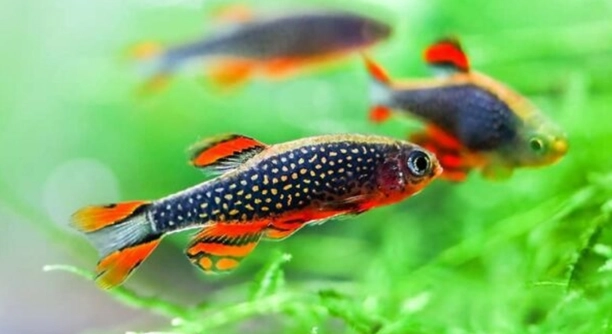
Have you ever watched your tank and felt something seemed off between the fish, even when everything looked calm, creating a gentle worry about how well your aquatic group is getting along day after day.
Grouping issues that disrupt tank harmony often arise from incompatible species, territorial pressure, restricted space, and unstable social structures. These conditions elevate stress levels and encourage aggression, making balanced group management essential for sustaining healthy interactions within aquatic environments today.
Exploring these patterns helps reveal how small behaviors shape tanks daily balance, guiding you toward smoother interactions among aquatic residents.
Incompatible Species
Keeping species that do not align in behavior or needs often creates tension in a tank, and I have seen how quickly calm water can shift when fish feel pressured. Some species prefer quiet spaces while others stay active all day, which leads to constant disturbances. When these patterns mix, sensitive fish may hide more, eat less, or show duller colors. Larger or more dominant species sometimes claim open areas, leaving timid ones stuck along the edges. This imbalance grows over time, even when the tank looks clean and stable. Establishing groups with similar activity levels and temperaments helps prevent these problems before they take hold. It also gives every resident a fair chance to feel secure in their space, allowing them to move freely without stress. By observing how each species behaves during normal routines, you can create a balanced setting that keeps the tank peaceful each passing day.
Choosing species that share similar habits reduces stress and helps the tank feel steady. I have noticed calmer movement and brighter colors when fish no longer compete for space or attention, giving the group a more relaxed rhythm that supports healthier interactions overall. It truly improves their comfort each day.
Balancing species begins with understanding how each one uses space, responds to movement, and handles stress. Some fish thrive in lively groups, while others need calm pockets where they can rest without disturbance. When these preferences are respected, the tank feels smoother and more stable. I have found that observing fish during feeding, swimming, and resting reveals many small signals that guide better grouping decisions. These signals help you adjust numbers, rearrange decor, or shift pairings so every resident feels safe. Thoughtful choices like these strengthen long term stability and keep stress from building quietly beneath the surface each day.
Territorial Pressure
Territorial pressure grows quickly when fish have limited room, and I have seen how even gentle species become tense when they feel crowded. Clear boundaries and well spaced shelters reduce these reactions, helping residents settle into calmer routines that support smoother daily interactions within the tank environment each day too.
Territorial behavior becomes stronger when fish lack enough room to spread out, and this pressure can change the feel of the entire tank. Larger or more assertive species often take control of prime spaces, which leaves quieter fish with fewer safe areas. Over time this creates uneven movement patterns, and I have watched timid fish retreat more often when they cannot claim a place of their own. Adding plants, caves, and structures helps break lines of sight and gives each resident a corner that feels comfortable. More defined boundaries reduce unpredictable contact, allowing calmer fish to rest without sudden interruptions. Adjusting stocking levels also makes a difference because too many residents in one area leads to steady tension. Careful placement of decor, along with stable lighting and steady routines, supports a softer atmosphere that benefits every species. By paying attention to where fish spend most of their time, you can make small changes that ease pressure. These adjustments help the tank feel safer and more balanced, preventing territorial actions from growing into larger conflicts. When space is respected, the entire group settles into smoother patterns that support healthier interactions. This steady balance keeps their daily behavior calm and predictable overall.
Hierarchy Imbalance
Hierarchy imbalance appears when a few fish dominate daily movement, and I have seen how this leaves quieter ones struggling to keep up. Stronger fish often claim the best areas first, which pushes others into corners where they feel less secure and more stressed throughout the day.
When the group lacks a stable order, small conflicts happen more often, especially during feeding or when fish choose resting spots. I have watched timid fish fall behind during meals, which slowly affects their strength and color. Creating more hiding places helps ease pressure because weaker fish can slip into calmer zones without being chased. Matching fish by size and temperament also makes the overall structure gentler and easier for everyone to handle. A steady order lets the group move naturally, giving each resident enough breathing room to feel safe while still sharing space comfortably.
Some species form social ranks naturally, and when this structure is disrupted the whole tank feels different. I have noticed that stressed fish drift more, avoid open spaces, and show less interest during feeding. Balancing the group with similar sized individuals supports a smoother order that reduces sudden tension. Spacing decor evenly also gives each fish a fair chance to settle into a preferred area without conflict. When the hierarchy feels steady, the tank becomes calmer and fish show more consistent movement patterns that reflect better comfort each day.
Overcrowding
Overcrowding places steady pressure on the entire tank, and I have seen how even hardy fish begin to act restless when there is not enough room. Tight conditions reduce swimming space, limit hiding spots, and create an uneven rhythm that affects every resident in small but noticeable ways.
Crowded setups often lead to skipped meals, sharper movements, and quicker exhaustion because fish must constantly adjust to others passing through their space. I have found that reducing the number of residents or increasing tank size quickly brings a softer atmosphere. Extra plants and structures help break up the flow, letting fish settle without bumping into one another. Strong filtration is also important since more residents produce more waste, which can raise stress even when the water looks clear. By adjusting stocking levels and giving fish room to move naturally, you create a calmer environment where each resident can rest, feed, and explore without constant interruptions.
Uneven Gender Ratios
Uneven gender ratios often increase tension, and I have seen how constant attention from males leaves females tired and stressed. When one side outnumbers the other, movement becomes uneven and the tank feels less stable, especially during active periods when fish interact more closely overall.
Balancing genders helps reduce chasing and gives each fish more breathing room. I have noticed calmer patterns when groups include enough females to spread attention evenly. This small adjustment creates a softer atmosphere and supports healthier daily behavior without constant pressure building beneath the surface.
Size Mismatch
Size mismatch often shifts the tank into an uneasy rhythm, especially when larger fish inadvertently overpower smaller ones during feeding or movement. I have watched tiny fish retreat more often when they share space with residents that move faster or take food more aggressively. Adjusting group sizes or separating mismatched individuals helps restore stability. Adding decor that creates narrow areas also gives smaller fish places where they can rest without interference. When sizes match more naturally, interactions feel smoother and residents settle into calmer routines with less stress pressing on them each day.
Social Stress
Social stress appears when fish cannot maintain their preferred distance, and I have seen how this leads to restless movement. Small changes in layout or group size often bring quick relief, helping fish regain the steady balance they need to stay comfortable.
What signs show that my fish are stressed from grouping issues?
Stress becomes clear through dull colors, restless swimming, hiding for long periods, skipped meals, or sudden changes in movement. I have seen fish lose confidence when they feel pushed around or crowded. They may avoid open areas they once used freely, or they might stay near the bottom even when nothing appears wrong. Fins held close to the body, faster breathing, and sharp turns during interactions often reveal hidden tension. When these signs appear together, the group is likely struggling with pressure from space, temperament, or social imbalance. Small changes in layout or stocking usually help calm the tank.
How do I know if my tank size is causing social problems?
A tank that feels too tight often leads to constant movement that looks rushed or uneven. I have noticed that fish in cramped spaces collide more or break their natural patterns just to avoid others. Even hardy species can seem jumpy when they do not have enough room. If fish rarely rest, if territories overlap too often, or if everyone gathers in one corner for safety, the tank is probably too small. Expanding the space or reducing residents usually brings noticeable improvement within a short time.
Can decor really change how well fish get along?
Decor does more than make a tank look nice. I have seen shy fish relax almost instantly when new hiding spots are added. Plants, caves, and driftwood help break lines of sight, which reduces unwanted chasing and gives each resident a comfortable area to claim. Even confident species behave more gently when boundaries feel clearer. Spacing decor in a balanced way lets fish spread out instead of competing for just one or two spots. Good layout choices often fix tension without needing bigger changes.
Why do mismatched activity levels cause issues?
When energetic fish share space with calmer ones, the slower fish often struggle. I have watched active species dart through an area and startle those that prefer quiet movement. Over time the calmer fish hide more, eat less, and lose color. Matching residents by activity level helps everyone settle into a smoother rhythm. It prevents constant interruptions and keeps stress from building. Simple observations, like watching how fish move during feeding, usually reveal what type of companions they need.
How can I fix aggression without removing fish?
Sometimes aggression eases with small adjustments. Adding decor, rearranging structures, and creating more hiding areas often reduce tension. I have also seen improvement when feeding zones are spaced apart so fish do not crowd the same spot. If the issue comes from hierarchy imbalance, adding one or two individuals of similar size may spread attention and soften behavior. While these steps help, they do not always solve deep incompatibility. If tension continues, separating individuals becomes the safest option.
What makes gender ratios so important?
Uneven ratios often put too much pressure on certain fish, especially females. I have seen males focus too intensely when there are not enough females to spread attention. This leads to tired movement, hiding, and uneven feeding patterns. A balanced ratio creates a calmer atmosphere and allows fish to interact more naturally. Even a small adjustment can make the tank feel more stable.
How often should I review my tank’s group dynamics?
I like checking behavior during feeding, resting, and daily movement. Watching at different times reveals patterns that do not always appear in a quick glance. Reviewing every couple of weeks helps catch early signs of stress before they grow into real problems. Small tweaks along the way support long term stability.
Final Thoughts
Keeping a tank peaceful depends on many small choices, and I have seen how each choice shapes the comfort of every resident. When fish live in a group that suits their needs, the entire tank feels gentler and more stable. Calm movement, steady feeding, and relaxed spacing all grow naturally when the environment supports them. It helps to pay attention to how fish interact from day to day because small signs often reveal bigger patterns. Seeing a timid fish hide too often, or a dominant one rush through shared spaces, usually points to a need for adjustment. These small changes do not have to be complicated. Adding more places to rest, spreading decor evenly, or lowering the number of residents can make the atmosphere smoother. I have noticed that when pressure eases, the group settles into a rhythm that feels easy for everyone. Their movement becomes more predictable, and the tank gains a quieter balance that lasts.
Understanding how each species behaves is one of the most helpful steps in keeping the group steady. Fish rely on consistent surroundings to feel at ease, and even simple changes can shift how they interact. Some species like tight groups, while others need more space to move without interruption. When these needs are not met, tension slowly rises. I have watched this happen in tanks that seemed fine at first but grew more restless as the weeks went by. Making adjustments early helps prevent long term stress. Paying attention to size differences, activity levels, and personality traits creates a clearer picture of what each resident needs to thrive. These observations guide better decisions, like choosing tank mates that move at the same speed or balancing gender ratios to reduce unwanted chasing. A tank that respects these needs becomes safer and more predictable, allowing fish to behave naturally. Over time this brings brighter colors, healthier feeding, and calmer daily patterns.
Maintaining harmony is not about aiming for perfection but about responding to what the tank shows you. Fish communicate through movement and spacing, and I have learned that noticing these signals keeps problems from growing. When a tank feels balanced, daily care becomes easier and more enjoyable. Water changes, feeding, and simple observation all feel smoother when the group gets along. Creating this atmosphere takes patience, but the results are steady and rewarding. A peaceful tank is not loud or dramatic. It is quiet, gentle, and full of small signs that the residents feel secure. By staying aware of their needs and making thoughtful adjustments when necessary, you support a stable setting that allows every fish to live comfortably. This calm environment grows through your attention and care, and it continues to strengthen as you learn more about how your aquatic residents share their space.

Hello,
If you enjoy the content that we create, please consider saying a "Thank You!" by leaving a tip.
Every little bit helps us continue crafting quality advice that supports the health, happiness, and well-being of pets around the world, for pets of all shapes, sizes, and species.
We really appreciate the kindness and support that you show us!