
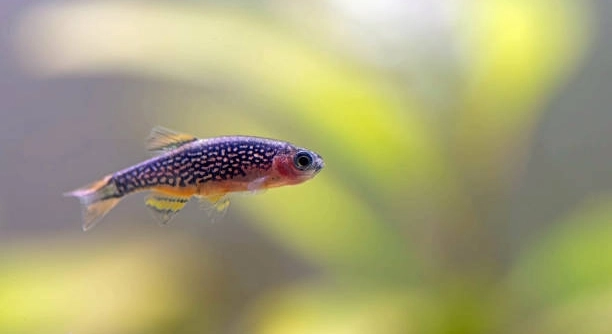
Do you ever find yourself adjusting your aquarium filter, hoping the current is just right for your danios? Gentle flow is crucial for their comfort and swimming patterns, yet achieving it can be tricky without proper guidance.
Ensuring a gentle flow for danios involves selecting appropriate filter types, regulating output, and positioning the equipment strategically. Incorporating diffusers or baffles, performing routine maintenance, and monitoring water velocity all contribute to creating a calm, healthy aquatic environment.
While a soft current may seem simple to achieve, subtle adjustments can make a significant difference in your danios’ well-being and overall tank harmony.
Choosing the Right Filter
Selecting the correct filter is the first step in creating a gentle flow for danios. Not all filters provide suitable water movement, and strong currents can stress small, delicate fish. Canister filters and sponge filters are often preferred because they allow for adjustable flow rates. A canister filter can be equipped with diffusers or spray bars that spread water more evenly across the tank, reducing turbulence. Sponge filters offer slow, steady water movement while also providing biological filtration. It is important to match the filter’s capacity to the tank size. Oversized filters can create unnecessarily strong currents even when set to low output. Placement of the filter also matters; positioning it near the back or corners can help disperse water more gently. Observing the fish’s behavior is essential—if they struggle to swim or hide frequently, the flow may still be too strong. Adjustments should be gradual to avoid sudden stress.
Filters with adjustable flow allow precise control and reduce stress for your danios.
Proper selection involves matching filter type, size, and placement. Canister filters with diffusers and sponge filters provide gentle, consistent flow while maintaining adequate filtration. Observing danio behavior ensures adjustments meet their comfort needs, preventing excessive stress and supporting healthy activity in the aquarium.
Regulating Flow Output
Adjusting the output is a practical way to control current without changing equipment.
Flow can be regulated using valves, diffusers, or flow baffles. Reducing the water speed directly at the outlet softens currents, creating calmer areas for danios to swim freely. This method works well with both sponge and canister filters, allowing customization of water movement based on tank size and fish behavior. A simple sponge or mesh over the intake or output can further diffuse strong streams, turning turbulent spots into gentle swirls. Regular checks are necessary because water flow can change over time due to debris buildup or filter wear. Adjusting gradually prevents sudden stress and allows fish to acclimate. Combining multiple techniques, such as adjusting output and adding a spray bar, ensures even water distribution throughout the tank.
Controlling output requires attention to water patterns and fish behavior to maintain an even, gentle flow.
A steady flow is achieved by using adjustable valves, adding diffusers, and positioning outputs strategically. Gradual modifications prevent stress while maintaining effective filtration. Observing danios’ reactions ensures areas of the tank are calm, allowing natural swimming without excessive energy expenditure. This approach also reduces turbulence near plants and decorations, supporting a balanced habitat. By carefully managing flow, the tank remains both healthy and comfortable for all aquatic life, creating an environment where danios can thrive and display normal behavior consistently.
Using Diffusers and Baffles
Diffusers and baffles spread water more evenly, softening strong currents. They are simple additions that can reduce turbulence and create calm swimming areas for danios.
Diffusers, spray bars, and baffles work by breaking up the water flow as it exits the filter. A spray bar with multiple small holes distributes water across a wider area, while a sponge or mesh baffle slows and redirects the stream. These devices prevent concentrated jets that can stress fish, especially in small tanks. Positioning diffusers near tank corners or in front of plants ensures that water movement remains gentle throughout the aquarium. Regular inspection is important to remove any debris that may clog holes, which could increase water speed unexpectedly. Combining these tools with a filter that allows adjustable output provides optimal control, creating a stable, low-stress environment where danios can swim naturally without fighting currents or hiding.
Using diffusers and baffles also supports even filtration and oxygen distribution. Gentle circulation ensures waste particles reach the filter without creating turbulent spots. Properly installed, these devices maintain a calm habitat while keeping water clean, improving both fish health and plant growth.
Positioning the Filter
Correct filter placement can make a major difference in water flow and fish comfort.
Placing the filter near the back or corners of the tank helps disperse the current and prevents strong jets in open swimming areas. Intake and output should avoid creating direct streams that force fish to struggle. Sponge filters can be placed vertically or horizontally depending on tank layout, while canister filters with spray bars should have outlets directed along the tank walls to minimize turbulence. Observing fish behavior after placement is crucial; if danios are avoiding areas or constantly swimming against the current, adjustments are needed. Even small changes in position can drastically reduce stress and create a more natural swimming environment.
Strategic placement enhances flow control while maintaining proper filtration. Properly positioned filters reduce strong currents, prevent dead zones, and allow fish to use the entire tank comfortably. This approach also ensures plants and decorations are not disturbed, providing a balanced environment that supports natural swimming patterns. Regular observation and minor repositioning maintain a consistent, gentle flow for long-term aquarium stability.
Regular Maintenance
Keeping the filter clean ensures consistent, gentle flow. Debris buildup can increase water speed and stress danios.
Routine maintenance includes rinsing sponges, cleaning intake tubes, and checking output for blockages. Maintaining the equipment prevents uneven currents and supports a healthy, stable environment for your fish.
Monitoring Water Velocity
Measuring flow speed helps maintain comfort for danios. Too strong a current can tire them quickly and affect feeding behavior. Observing swimming patterns allows you to adjust the filter or add flow-reducing tools. Regular monitoring ensures water movement remains gentle and consistent, preventing unnecessary stress.
Using Flow-Reducing Accessories
Flow-reducing accessories like mesh covers or spray bar attachments soften water movement. These small adjustments create calmer swimming areas and protect delicate plants from turbulence.
FAQ
How often should I clean the filter to maintain gentle flow for danios?
Regular cleaning is essential to prevent debris from building up and increasing water speed. Sponge filters should be rinsed every two to three weeks, while canister filters may require monthly maintenance. Avoid harsh cleaning, as it can remove beneficial bacteria, which are important for maintaining water quality. Observing the flow after cleaning ensures that currents remain gentle and evenly distributed throughout the tank.
Can I use any type of filter for a danio tank?
Not all filters are suitable for danios. Strong internal filters can create currents too powerful for small, delicate fish. Sponge filters are ideal because they provide low, consistent water movement while maintaining biological filtration. Canister filters work if paired with a spray bar or diffuser to reduce turbulence. Choosing a filter depends on tank size, layout, and the number of fish, ensuring the current is safe and comfortable.
Will adding decorations affect water flow?
Yes, plants, rocks, and ornaments influence current patterns. Dense decorations can create calmer areas behind them, allowing danios to rest. However, they can also block proper circulation, leading to dead spots. Positioning decorations strategically ensures water moves gently while maintaining proper filtration throughout the tank. Observing fish behavior helps identify areas with excessive or stagnant flow.
Is it necessary to measure flow speed in the tank?
Measuring flow is helpful but not always required. Observing danio behavior can indicate if the current is too strong. If fish constantly struggle, avoid certain areas, or hide, flow may be excessive. Tools like flow meters can give precise readings, but visual monitoring often suffices for small tanks. Gradual adjustments help keep flow gentle without stressing the fish.
Can I use a heater with a gentle flow setup?
Yes, a heater can be safely used. Ensure it is placed where water circulates evenly but not directly in a strong current. A gentle flow helps distribute heat throughout the tank without creating turbulence. Regularly checking temperature ensures a stable environment for your danios, which is essential for their health and activity.
How do I know if my danios are comfortable with the current?
Comfort can be observed in swimming patterns. Fish that swim calmly throughout the tank, explore decorations, and feed without difficulty indicate a suitable flow. Avoid forcing them into constant movement or hiding spots, as it suggests stress. Small adjustments in filter output, placement, or adding diffusers can improve conditions.
Will multiple danios require stronger flow or the same gentle setup?
The number of fish doesn’t necessarily require stronger flow. Gentle water movement remains ideal regardless of population. Adding more danios may slightly increase bioload, requiring careful filtration maintenance, but the current should stay low to prevent stress and maintain natural swimming behavior.
Can I combine multiple flow-reducing methods?
Yes, combining diffusers, spray bars, and baffles often works best. Each method softens water differently and can be tailored to tank size and layout. Monitoring fish behavior after each adjustment ensures a stable, comfortable environment without overcomplicating the setup.
Do gentle currents affect oxygen levels in the tank?
Gentle flow can still maintain adequate oxygenation if water circulation reaches all areas. Even a soft current moves surface water enough to allow gas exchange. Avoid completely stagnant zones, as they can reduce oxygen locally, especially near dense decorations. Regular observation and minor adjustments prevent low oxygen problems.
Are there signs that the flow is too weak?
Weak flow may cause debris to settle, leading to cloudy water or algae buildup. Fish may also show reduced activity or avoid certain areas if water is stagnant. Ensuring even circulation through diffusers or adjusting filter placement helps maintain water quality while keeping the current gentle for danios.
Can I make adjustments gradually, or should I set the ideal flow immediately?
Gradual adjustments are best. Sudden changes can stress danios, especially in small tanks. Slowly changing output, adding diffusers, or repositioning filters allows fish to acclimate comfortably. Observing their response ensures a balanced environment that maintains gentle flow without causing unnecessary stress or disturbance.
Will filter maintenance affect water chemistry in a gentle flow tank?
Proper maintenance should not negatively affect water chemistry if done carefully. Avoid replacing all filter media at once, as this removes beneficial bacteria. Rinsing media in tank water rather than tap water preserves microorganisms, maintaining stable conditions while keeping the flow gentle and consistent for danios.
How do I balance plant placement and gentle water movement?
Plants benefit from gentle flow, which provides nutrients without damage. Place delicate plants in calmer zones and stronger species near slightly higher flow. Flow-reducing accessories like spray bars or mesh diffusers help maintain an even current while ensuring all plants receive water circulation without disturbance. Observation ensures optimal balance.
Can gentle flow setups support other species with danios?
Yes, but compatibility depends on species requirements. Slow-moving fish and delicate species benefit from the same conditions. Avoid combining danios with fish that need strong currents, as it may cause stress. Adjustments in filter placement and flow-reducing tools can create microhabitats suitable for multiple species without compromising the gentle current.
Is it necessary to adjust flow seasonally or with tank changes?
Adjustments may be needed after adding new fish, decorations, or plants. Seasonal temperature fluctuations can also affect water density and movement. Monitoring behavior and checking output regularly ensures the gentle flow remains consistent, keeping the tank safe and comfortable for danios throughout changes.
What common mistakes should I avoid when managing gentle flow?
Avoid overcomplicating the setup with unnecessary equipment. Excessive baffles or diffusers can create uneven flow. Don’t ignore fish behavior, as it indicates stress. Skipping maintenance can increase turbulence over time. Finally, abrupt changes in flow or temperature can harm danios. Gradual, mindful adjustments are essential for a calm, healthy environment.
Final Thoughts
Maintaining a gentle flow for danios is a key part of creating a healthy and comfortable aquarium. Small fish like danios are sensitive to strong currents, and even minor turbulence can cause stress over time. Careful attention to filter type, placement, and output is essential to support natural swimming behavior. Using flow-reducing accessories, such as diffusers, baffles, or spray bars, helps distribute water evenly and reduces areas of high velocity. Regular monitoring of fish behavior is a simple but effective way to determine if adjustments are needed. Fish that swim calmly, explore decorations, and feed without difficulty indicate that the water movement is appropriate. In contrast, fish that struggle against currents, hide frequently, or avoid certain areas signal the need for further modifications. Observing these behaviors regularly allows for timely interventions that protect the overall well-being of your danios.
Proper maintenance of filtration equipment is equally important in sustaining gentle flow. Debris buildup can block intake or output areas, creating uneven currents and turbulence that disturb fish. Routine cleaning of sponges, filter media, and tubes ensures consistent water movement without removing beneficial bacteria that support water quality. Gradual adjustments to filter output or repositioning equipment are recommended over abrupt changes, which may stress the fish. Balancing filtration with gentle flow also promotes better oxygenation and waste removal, supporting both fish and plant health. Even small details, such as checking for clogs or adjusting spray bar holes, can make a noticeable difference in water circulation. By combining careful equipment management with attentive observation, the tank environment remains stable, calm, and conducive to natural behavior. This approach reduces the risk of stress-related illness and encourages active, vibrant danios throughout the tank.
Creating a gentle flow setup is not just about equipment—it is also about understanding the fish and their needs. Decorations, plants, and tank layout influence how water moves, so strategic placement can help create calm zones and prevent areas of stagnation or turbulence. Plants benefit from gentle currents, receiving nutrients without damage, while fish can rest or swim freely in calmer areas. Maintaining flexibility in the setup allows for adjustments as the tank changes over time, whether from adding new fish, rearranging decorations, or responding to seasonal temperature shifts. A well-planned tank with thoughtful flow management provides a balanced habitat that supports long-term fish health and activity. Ultimately, gentle flow is about creating an environment where danios can thrive naturally, move comfortably, and display their full range of behaviors, ensuring a stable and enjoyable aquarium for both the fish and the aquarist.

Hello,
If you enjoy the content that we create, please consider saying a "Thank You!" by leaving a tip.
Every little bit helps us continue crafting quality advice that supports the health, happiness, and well-being of pets around the world, for pets of all shapes, sizes, and species.
We really appreciate the kindness and support that you show us!