
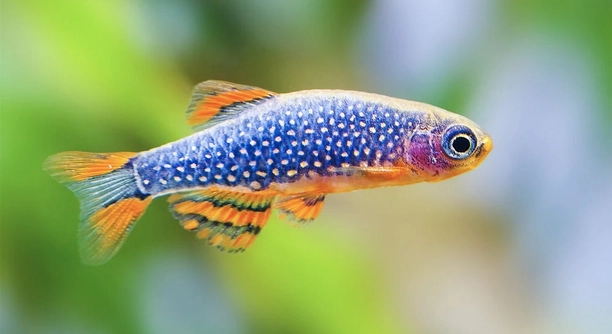
Do you ever notice your danios darting around at seemingly random times during the day? Their bursts of energy can be surprising, leaving you wondering when they are most active in their tank environment.
Danios display peak activity approximately seven times throughout a typical day. These periods correspond to natural feeding instincts, light cycles, and social interactions within the tank, indicating predictable patterns that can inform proper care and observation.
Observing these activity peaks can improve your understanding of danio behavior and help maintain a healthy, engaging environment for your fish.
Morning Energy Burst
In the early hours of the morning, danios tend to exhibit their first peak of activity. This behavior often coincides with the initial light entering the tank, simulating sunrise. You may notice them swimming more rapidly, exploring every corner of their environment, and interacting with other tank mates. Feeding during this time usually triggers additional movement, as the fish actively search for food. The morning burst is an instinctive behavior, reflecting their natural rhythm in the wild. It is also influenced by water temperature, which slightly rises with the increasing light, encouraging more movement. Observing your danios during this period can help identify individual personalities, as some fish are bolder and more active, while others remain cautious. This morning activity is essential for their overall health, promoting metabolism and ensuring that they maintain energy levels throughout the day. Setting feeding schedules around this time can maximize their engagement and well-being.
Danios’ morning activity is predictable and provides an ideal time for observation and light feeding, reinforcing natural behaviors.
Monitoring this early peak allows you to adjust tank lighting, feeding, and interaction patterns. Proper care at this time encourages active, healthy fish, ensuring they thrive. Regular morning observation can reveal changes in behavior, signaling potential health issues early. By maintaining a consistent morning routine, the fish become accustomed to their environment and feeding schedule. Tank conditions such as water quality, temperature, and flow can also influence activity. Understanding these patterns helps in planning both care and social interactions among the danios. These early hours are not only vital for energy release but also for strengthening social bonds within the school, as fish swim together and establish hierarchy. Careful observation during this period can improve overall tank management and fish health over time.
Midday Activity Peak
Midday tends to show another distinct period of movement. During this time, the tank is fully lit, and water temperatures stabilize. Danios may swim in tighter schools, exploring consistently while occasionally darting rapidly across the tank.
This peak is influenced by natural instincts to forage, combined with social interactions within the group. Feeding at midday can trigger heightened activity, as fish respond quickly to food introduction. Light conditions and minimal disturbances encourage exploratory behavior, promoting mental stimulation. Tank decorations and plants provide areas for hiding or resting, balancing activity levels with occasional calm periods. Observing midday peaks helps determine how the fish react to environmental changes, such as water flow adjustments or new additions. It also allows identification of dominant or more active individuals, aiding in management of the school. Planning care routines around these predictable periods can enhance feeding efficiency and ensure all fish remain healthy and engaged. Consistent midday observation supports understanding of their natural patterns and overall tank dynamics.
Afternoon Spurts
Danios show short bursts of activity in the afternoon. These movements are usually quick, energetic, and scattered throughout the tank, often triggered by subtle changes in light or small environmental stimuli.
During the afternoon, the school tends to maintain moderate activity levels. Fish may chase one another, explore plants, or investigate tank decorations. This period is shorter than morning or midday peaks but still essential for maintaining energy balance. The activity often appears sporadic, with sudden darting movements interspersed with calmer swimming. Temperature and light consistency affect how pronounced these spurts are. Afternoon activity also reflects social dynamics within the group, as dominant fish may briefly assert themselves. Observing these patterns can provide insights into their stress levels and overall well-being. Adjusting feeding times slightly before or during these bursts can help encourage natural behaviors and maintain engagement. These spurts are an important part of their daily rhythm, ensuring regular energy use and social interaction.
Afternoon activity is subtle but necessary for energy balance. Short bursts keep fish alert, socially engaged, and in good health, reflecting natural behavior patterns.
Evening Movement
As daylight fades, danios often show another peak of activity. Their movements become more synchronized, with fish swimming together in small schools, responding to dimming light.
Evening activity helps the fish prepare for resting periods while still engaging with their environment. They may explore hiding spots or interact gently with tank mates. This time is crucial for regulating their daily rhythm and ensuring that energy is used efficiently before rest. Light reduction and stable water conditions support calmer, more controlled movement. Evening peaks often indicate the tank’s environment is consistent and suitable for natural behaviors. Observing this period helps identify changes in routine, such as stress or illness, which might alter swimming patterns. Adjusting lighting gradually can support smoother transitions and healthier daily cycles. Fish are less likely to overexert, and social hierarchy is reinforced, keeping the school balanced. Consistent evening observation allows better management of overall tank health and ensures the fish are active but not stressed.
Late Evening Activity
Danios often show brief movement before nightfall. These bursts are smaller than earlier peaks, usually involving short swims or gentle chasing among the group.
This period helps them settle into resting patterns. Fish use this time to explore lightly, check hiding spots, and adjust socially within the school.
Nighttime Restlessness
Although danios generally rest at night, occasional short swims occur. These movements are usually triggered by slight disturbances, changes in water temperature, or light reflections, and are minimal compared to daytime activity.
Early Morning Stir
Before sunrise, danios sometimes begin minor activity. These early movements are subtle, often limited to small swimming loops or gentle interaction with tank mates.
Why do danios have multiple activity peaks throughout the day?
Danios naturally follow a daily rhythm that is influenced by light, temperature, and social interaction. Their bursts of activity correspond to times when they would forage or be alert in the wild. Multiple peaks allow them to balance energy use, feeding, and social behaviors, keeping them healthy and engaged. Light changes in the tank simulate sunrise, midday, and sunset, which trigger instinctive swimming and exploration patterns. Temperature consistency also plays a role, as slightly warmer periods encourage movement. Social hierarchy and interactions influence bursts, with dominant fish occasionally prompting brief increases in activity across the group. Recognizing these natural peaks can help in planning feeding schedules and environmental adjustments, ensuring the fish maintain consistent health and energy levels. By supporting their natural rhythms, tank conditions can better mimic wild behavior patterns, keeping danios active without overstressing them.
Is it normal for danios to be less active at certain times?
Yes, it is completely normal for danios to have quieter periods during the day. Activity levels naturally fluctuate depending on light exposure, feeding times, and internal energy cycles. These quieter phases allow them to rest, digest food, and reduce stress. Fish that remain inactive for longer than usual may indicate tank or health issues, but brief low-activity periods are typical. The school may cluster or move slowly during these times, conserving energy. Observing these patterns helps in distinguishing normal rest periods from abnormal behavior that may signal illness or environmental stress.
How can I encourage healthy activity in my danios?
Maintaining consistent lighting, water temperature, and feeding schedules helps encourage natural movement. Providing plants, hiding spots, and open swimming areas creates a stimulating environment that promotes exploration and social interactions. Feeding at predictable times aligns with their peak activity, encouraging healthy bursts of swimming and chasing. Minimal disturbances and calm handling reduce stress, supporting overall well-being. Regular observation ensures all fish are active and interacting normally, which can prevent behavioral issues and improve tank harmony. Enrichment activities, like varying food presentation, also encourage natural foraging behaviors, keeping the fish mentally and physically engaged.
Why do danios sometimes dart suddenly without warning?
Sudden darting is a normal behavior, often triggered by instinctive responses to perceived threats, changes in light, or interactions with other fish. This rapid swimming helps them escape potential danger, even in a safe tank environment. Small reflections, shadows, or movement near the tank can startle them briefly. Darting also plays a role in social hierarchy, as bolder fish may chase or assert dominance over others. These sudden movements are generally short-lived and should not be a concern unless combined with signs of illness or stress, such as hiding excessively, losing appetite, or displaying unusual swimming patterns. Observing these moments can provide insight into their temperament and comfort level in the tank.
Do feeding times affect danio activity peaks?
Yes, feeding times strongly influence activity peaks. Danios often increase movement in anticipation of food, particularly during naturally active periods in the morning, midday, or evening. Predictable feeding schedules help reinforce these bursts, encouraging natural swimming and social behaviors. Overfeeding or inconsistent timing can disrupt these patterns, leading to sluggish or erratic activity. Feeding smaller portions multiple times a day aligns with their natural foraging instincts, promoting both physical health and mental engagement. Observing how danios respond to feeding cues provides a useful measure of their energy levels, activity consistency, and overall well-being, allowing adjustments to maintain optimal tank conditions.
Can environmental changes disrupt danio activity patterns?
Yes, sudden changes in lighting, water temperature, or tank layout can temporarily disrupt activity peaks. Fish may become less active, hide more, or display unusual swimming behaviors while adjusting to the new conditions. Gradual changes minimize stress and help maintain predictable activity. Tank companions and overcrowding also influence movement, as social tension may suppress or increase bursts of swimming. Ensuring stable water parameters, consistent lighting, and a balanced social environment allows danios to maintain regular activity peaks. Consistent observation during transitions helps identify stress points and ensures any behavioral deviations are addressed quickly, supporting long-term health and natural rhythms.
How can I tell if my danios’ activity is abnormal?
Abnormal activity includes prolonged inactivity, erratic swimming, constant hiding, or signs of distress such as clamped fins or gasping at the surface. Changes from established patterns, like missing expected activity peaks, can indicate illness or environmental stress. Monitoring daily behavior and comparing it to typical peaks helps detect these issues early. Water quality, tank temperature, and feeding schedules should be checked first, as these factors often cause deviations. Illness may require treatment, while environmental stress may be corrected with lighting or temperature adjustments. Consistent observation ensures problems are identified before they escalate, keeping the fish active, healthy, and following normal daily rhythms.
Do all danios follow the same activity schedule?
While there is a general pattern of seven activity peaks, individual fish may vary slightly. Personality, age, and health influence how actively each danio participates during bursts. Some fish are naturally bolder or more energetic, while others are more reserved. Environmental conditions, social hierarchy, and feeding behavior also affect individual activity. Observing these differences can provide insight into each fish’s temperament and needs. Ensuring a balanced group, adequate space, and consistent care helps all danios maintain natural rhythms without dominating or suppressing one another. Understanding these individual variations is key to fostering a harmonious, active school.
Can lighting adjustments improve danio activity?
Yes, gradual changes in lighting can enhance natural activity peaks. Simulating sunrise and sunset supports instinctive swimming patterns and promotes consistent bursts of energy. Sudden lighting changes can stress fish, so transitions should be slow and predictable. Proper lighting also affects feeding response, exploration, and social interactions. Using timers ensures stability and reduces human error, helping danios maintain regular rhythms. Observing how fish respond to light adjustments allows optimization of tank conditions, encouraging healthier, more active behavior while minimizing stress. Light placement and intensity should also consider plant growth and visual comfort, benefiting both fish and tank ecology.
Are there signs that activity peaks indicate stress instead of normal behavior?
Yes, excessive darting, constant chasing, or hyperactivity outside normal peak times may indicate stress. Stressful conditions include poor water quality, sudden environmental changes, overcrowding, or aggressive tank mates. Stress can suppress natural activity, reduce appetite, or cause erratic swimming. Monitoring these behaviors and correlating them with tank conditions helps identify problems early. Correcting environmental factors, improving water quality, and ensuring sufficient space can restore normal activity patterns. Recognizing the difference between healthy bursts and stress-driven movement is essential for maintaining danio welfare, ensuring that observed activity peaks reflect natural rhythms rather than discomfort or health issues.
How can I track and record danio activity effectively?
Keeping a simple log of observed activity peaks, feeding responses, and unusual behavior provides valuable insights over time. Note the time of day, duration, and type of movement during each peak. Observing consistently for several days helps identify patterns and anomalies. Video recording can also assist in reviewing subtle behaviors. Comparing activity logs with changes in water quality, tank conditions, or feeding schedules helps determine causes of unusual behavior. Regular tracking ensures early detection of health issues, supports consistent care routines, and helps maintain natural activity peaks. This approach allows for better understanding and management of the school’s well-being, ensuring predictable, healthy daily rhythms.
How important is social interaction for activity levels?
Social interaction is crucial for maintaining regular bursts of activity. Danios are schooling fish, and movement is often synchronized with others in the group. Isolated or stressed individuals may show reduced activity or fail to participate in peaks. Proper group size, balanced hierarchy, and adequate space encourage natural swimming, chasing, and exploration. Social behavior also helps distribute energy and reinforces feeding and resting patterns. Observing group dynamics during activity peaks highlights potential issues with aggression, shyness, or dominance. Supporting a stable social environment ensures all fish maintain normal energy cycles, improving both physical health and mental engagement within the school.
What are the most common mistakes that affect activity patterns?
Inconsistent lighting, irregular feeding, overcrowding, poor water quality, or abrupt changes in tank layout can disrupt activity peaks. Overfeeding may lead to sluggish behavior, while underfeeding can reduce natural movement. Sudden disturbances or aggressive tank mates may trigger stress, affecting bursts of activity. Neglecting environmental enrichment or hiding spaces can also reduce engagement. Monitoring these factors and maintaining consistent care routines helps danios maintain predictable daily rhythms. Proper attention to tank conditions, social balance, and feeding schedules supports natural energy use, ensures healthy swimming patterns, and prevents behavioral issues, keeping the school active and balanced throughout the day.
How can I maintain consistent activity as danios age?
Older danios may slow down naturally, but maintaining proper tank conditions, nutrition, and social environment helps preserve activity levels. Regular feeding, stable lighting, and adequate swimming space encourage natural movement. Observing changes in energy and behavior allows adjustments to care routines, ensuring older fish remain engaged and healthy. Proper water quality and environmental enrichment continue to support mental stimulation. Even with natural aging, predictable activity peaks can be maintained by consistent schedules and minimal stress. Understanding the effects of age on movement helps manage expectations and provides appropriate care for all life stages, ensuring continued well-being for the school.
Word count: 508
Danios are naturally active fish, and observing their daily behavior provides valuable insight into their health and well-being. Their activity peaks occur at fairly predictable times, often seven distinct points throughout the day. These bursts of movement are influenced by light exposure, feeding schedules, water temperature, and social interaction within the tank. Morning and midday periods are usually the most energetic, while late evening and nighttime movements tend to be shorter and more subtle. By paying attention to these patterns, you can better understand your danios’ natural rhythms and create an environment that supports their physical and mental health. Recognizing when they are most active helps in planning feeding times and observing social behavior, ensuring all fish are participating and thriving. These observations can also reveal individual differences, as some fish may be naturally bolder or more reserved, providing useful information for managing the school effectively.
Providing a stable environment is key to supporting these activity patterns. Consistent lighting schedules that mimic sunrise and sunset, combined with appropriate feeding routines, encourage natural bursts of movement. Temperature stability and water quality are equally important, as fluctuations can disrupt their normal behavior or cause stress. Tank layout and decorations also influence activity. Open swimming areas allow fish to move freely during their energetic periods, while plants and hiding spots provide areas for rest or privacy. Observing how your danios use these spaces during activity peaks can help refine tank setup. Social dynamics within the school play a role as well, as dominant or more active fish can influence the overall energy in the tank. Ensuring a balanced group size and sufficient space prevents overcrowding and reduces aggression, allowing all fish to engage in natural swimming patterns.
Understanding danio activity is not only useful for immediate observation but also for long-term care. Regular monitoring of their bursts of movement can help detect early signs of illness or stress. Fish that suddenly become inactive, hide excessively, or display erratic swimming may need attention. Maintaining predictable daily routines supports both physical and mental health, allowing the fish to establish a stable rhythm. By providing a well-maintained tank, balanced feeding, and careful observation, you help ensure that their natural activity peaks remain consistent throughout the day. Paying attention to these behaviors strengthens your ability to create a healthy, engaging environment, ensuring that your danios live active, fulfilling lives while giving you the satisfaction of seeing them thrive.
Word count: 406

Hello,
If you enjoy the content that we create, please consider saying a "Thank You!" by leaving a tip.
Every little bit helps us continue crafting quality advice that supports the health, happiness, and well-being of pets around the world, for pets of all shapes, sizes, and species.
We really appreciate the kindness and support that you show us!