
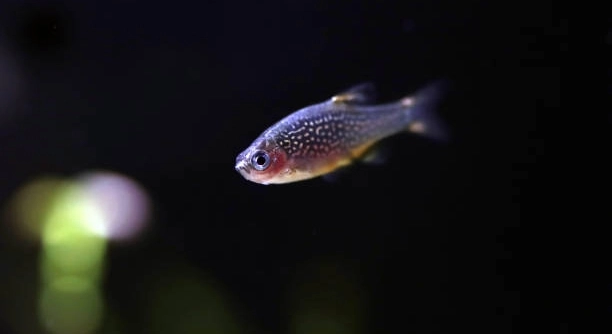
Danios are lively fish that brighten up any aquarium with their playful movements. However, their comfort and natural behaviors often depend on the type of lighting in their environment, affecting their daily activity and stress levels.
Danios prefer dim light in situations where intense brightness causes stress, inhibits feeding behavior, or interferes with natural rhythms. Reduced lighting promotes calmer movement, natural exploration, and overall well-being, closely aligning with their typical habitats in shaded freshwater environments.
Understanding these preferences can improve your aquarium setup and ensure your danios thrive in a more natural and comfortable setting.
Early Morning Activity
In the early hours, danios tend to be more active under softer light. Bright lighting can startle them, making them hide or stay near plants and decorations. Dim lighting mimics their natural environment at dawn, allowing them to swim freely and explore without stress. This period is important for their feeding, as they often search for food when the light is gentle. Maintaining lower light levels in the morning encourages natural behavior, reduces tension, and supports their overall health. Observing their movements during this time can help you adjust tank conditions, including light placement and intensity.
Soft morning light helps danios move calmly and interact naturally.
Keeping lighting gentle in the early hours prevents sudden stress and supports natural activity, making mornings a peaceful and enriching time for your fish.
Shaded Tank Corners
Danios use shaded corners to feel safe. They often swim into these areas when lights are strong, finding shelter under plants or decorations. Providing areas with less intense light lets them maintain normal activity and reduces hiding. This behavior indicates they are comfortable and can regulate their exposure, mimicking the shade they would find in shallow streams or overhanging plants. Shaded spaces are essential for resting and reducing stress, creating a balanced environment where they can retreat when needed. Observing their patterns in these corners helps you understand their preferences and adjust lighting or plant placement.
Shaded corners encourage natural hiding behavior and reduce stress.
Ensuring there are sufficient shaded areas enhances tank comfort. Plants, rocks, and overhangs act as natural filters, creating dimmer spots that danios gravitate toward. By balancing light and shade, you allow them to regulate activity levels, feed comfortably, and exhibit normal schooling behavior. Regularly monitoring these areas ensures the lighting supports both visible swimming and retreat zones, making the tank a healthier and more stable environment. This approach reduces stress-related behavior and promotes long-term well-being, giving you a more lively and natural aquarium scene.
Feeding Time Preference
Danios feed best under softer lighting. Bright lights can make them nervous, reducing appetite and causing them to hide or dart suddenly.
Providing dim light during feeding encourages natural foraging behavior. Fish feel more secure and are more likely to eat regularly, maintaining their health. Observing their movements during feeding helps identify areas where light might be too strong or uneven. Adjusting tank lights to match this pattern supports consistent feeding routines. Some danios may even prefer shaded spots to pick at food calmly, showing reduced stress and improved digestion. This creates a smoother feeding experience and promotes their overall well-being.
Dim lighting reduces stress and supports natural feeding behavior. Hiding less and swimming calmly, danios are able to consume food steadily, which is important for growth and energy. Overly bright lights can make them skittish, causing missed meals or erratic movement. Maintaining gentle lighting ensures all fish in the tank are comfortable, feeding equally, and avoiding dominance by more aggressive individuals. Balanced illumination also allows observation of their eating habits, helping detect potential issues with diet or health early. This small adjustment can have a significant impact on daily routine and long-term wellness.
Resting and Sleep
Danios naturally seek dimmer areas for rest. Bright overhead lighting can disturb their sleep cycle and cause constant activity.
Providing quiet, shaded zones helps them maintain regular sleep patterns. They retreat to these areas to conserve energy and reduce stress. Dim light during rest periods mimics natural conditions found in streams with overhanging foliage or cloudy water, ensuring they get proper downtime. Observing their preferred resting spots helps in arranging decorations and plants to create adequate shelter. Adjusting light intensity and timing contributes to healthier, calmer fish, reducing erratic swimming and improving overall tank harmony.
Adequate rest in dim conditions supports long-term health. When danios can retreat safely, they exhibit calmer behavior, stronger immune response, and better growth. Light control is essential, especially in tanks with artificial lighting that does not mimic natural cycles. Timers or adjustable lights ensure periods of lower intensity that match day-night rhythms. Overexposure to bright light can lead to stress, fatigue, and reduced appetite. By monitoring their resting habits and providing shaded areas, you create an environment where fish can thrive naturally, promoting a stable and balanced aquarium ecosystem.
Stress Reduction
Dim lighting helps danios remain calm. Bright or fluctuating light can trigger rapid movements and stress behaviors.
Providing consistent low light reduces tension. Fish swim more steadily and interact naturally, showing less hiding and more comfortable schooling patterns.
Breeding Behavior
During breeding, danios prefer softer lighting that mimics shaded natural waters. Strong light can interfere with mating rituals and reduce egg-laying activity. Maintaining gentle illumination encourages natural pairing, courtship displays, and nesting behavior. Observing their interactions in dimmer light allows you to support breeding without interference, creating optimal conditions for reproduction while keeping stress minimal.
Disease Prevention
Lower light levels reduce stress, which directly affects immunity. Stressful bright environments can weaken their defenses, making danios more prone to illness.
FAQ
Why do danios prefer dim light over bright light?
Danios are naturally found in shaded streams and rivers. Bright light can make them feel exposed, triggering stress and hiding behavior. Dim lighting mimics their natural environment, allowing them to swim freely, forage comfortably, and interact with other fish without constant fear.
Can bright lights harm danios?
Yes, prolonged exposure to intense light can increase stress levels, reduce appetite, and disrupt natural activity patterns. Constant brightness may also cause erratic swimming or hiding, making them more vulnerable to health issues. Gentle lighting helps maintain stable behavior and overall well-being.
When should I use dim lighting for feeding?
Dim light is ideal during feeding periods because danios feel safer and are more likely to eat calmly. Strong lighting can scare them, causing them to dart or hide. Observing how they react during feeding can guide light placement and intensity adjustments.
Do danios sleep better in dim light?
Yes, danios seek shaded areas to rest. Bright overhead lights can disturb their sleep cycle, leaving them more active or stressed. Dimmer areas allow them to conserve energy, reduce stress, and maintain a natural day-night rhythm, which is crucial for health.
How does dim light affect breeding?
Dim lighting encourages natural courtship and mating behavior. Strong lights may interfere with pairing and egg-laying, while gentle light provides a sense of safety. Observing their interactions in softer light ensures they exhibit natural breeding patterns without unnecessary stress.
Are shaded corners important in a tank?
Shaded corners allow danios to retreat and regulate exposure to light. These areas reduce stress, promote resting, and create a more balanced environment where fish can swim and hide naturally, mimicking conditions found in shaded streams.
Will dim lighting prevent disease?
Indirectly, yes. Stress weakens immunity, making fish more prone to illness. Dim lighting reduces stress, helping maintain a stronger immune system and preventing conditions linked to prolonged stress. A calmer, shaded environment supports overall health.
How can I create dim areas in my tank?
Use plants, rocks, or decorations to provide natural shade. Adjust light placement or use adjustable LED lights to reduce intensity in specific zones. Providing multiple shaded spots allows danios to choose their preferred light level and feel secure.
Is dim light necessary all day?
Not necessarily. Danios benefit from a balance of light and shade. Bright periods can simulate daytime, but alternating with dim areas prevents stress and encourages natural activity patterns. Timers can help maintain a consistent schedule.
How do I know if my danios are stressed by light?
Signs include rapid darting, hiding excessively, loss of appetite, or irregular schooling. If these behaviors decrease under dim lighting, it indicates the fish feel more comfortable and secure, validating the use of softer illumination in key areas of the tank.
Can dim lighting help older or weaker danios?
Yes, older or less active fish benefit from shaded areas, which reduce stress and energy expenditure. They can navigate the tank safely, feed calmly, and maintain better health compared with constantly exposed, bright conditions.
Does dim lighting affect aquarium plants?
Some plants require moderate light, but many low-light plants thrive under dim conditions. Combining plants with appropriate light zones benefits both flora and fauna, creating a natural, balanced ecosystem that supports danios’ preference for shaded areas.
How long should dim light periods last?
Dim light should correspond with calmer periods like early morning, late afternoon, or rest phases. Using timers to create gradual transitions between bright and soft light helps mimic natural conditions, reducing stress and promoting normal behavior throughout the day.
Can dim lighting improve overall tank harmony?
Yes, reduced light lowers aggression, allows fish to establish personal spaces, and supports consistent schooling. Danios exhibit calmer interactions, improved feeding, and reduced stress-related behaviors, creating a more balanced and peaceful aquarium environment.
Is dim lighting necessary for all danio species?
While preferences may vary slightly among species, most danios thrive with a balance of bright and dim zones. Observing each fish’s behavior helps determine their preferred light levels, ensuring all individuals feel secure and active without excessive stress.
How can I test the right light intensity?
Gradually adjust light levels and observe fish behavior. Calm swimming, regular feeding, and reduced hiding indicate optimal conditions. Avoid sudden changes and ensure shaded areas are available so danios can self-regulate exposure.
Does dim light affect coloration?
Proper dim lighting does not harm natural coloration. Stress from bright lights can dull colors, while balanced light allows danios to display their full vibrant hues while remaining healthy and comfortable.
Can dim light benefit newly introduced fish?
Yes, new danios often feel nervous in a bright tank. Dim lighting provides shelter and comfort, allowing them to explore slowly, adapt to their surroundings, and integrate with existing fish without excessive stress.
Should I adjust dim lighting for breeding tanks differently?
Breeding tanks benefit from slightly lower light to encourage pairing and spawning. Ensure shaded areas and gentle illumination to support natural behaviors while preventing stress that could reduce reproductive activity.
How do dim light and tank decorations work together?
Decorations like plants, rocks, and caves create natural shade and visual barriers. Combining these with dim lighting enhances security, supports resting, and reduces stress. Fish feel more confident moving through the tank and establishing personal spaces.
Are there risks of too much dim light?
Excessively low light can limit plant growth and may reduce activity levels slightly. Balance is key—alternate soft light with moderate brightness to maintain energy, feeding, and healthy behaviors while preventing stress.
How often should I monitor light effects on danios?
Observe daily for behavior changes, feeding patterns, and stress signs. Adjust gradually, noting areas where fish prefer to swim or hide. Consistent monitoring ensures light levels continue to support natural behavior and long-term health.
Can dim lighting reduce aggression in community tanks?
Yes, softer light lowers tension among fish, minimizing chasing or territorial disputes. Shaded areas allow individuals to retreat safely, supporting calmer interactions and more harmonious group dynamics.
Does tank size affect dim light needs?
Larger tanks may require multiple dim zones to ensure all fish can find shaded areas. Smaller tanks can balance a single dim area with moderate overall lighting, making careful placement of plants and decorations essential.
Can dim lighting help observe natural behavior?
Absolutely. Fish behave more naturally under gentle light, revealing feeding, schooling, and resting patterns. Observing these behaviors provides insight into their comfort and well-being, guiding adjustments to tank design and light placement.
How long does it take for danios to adjust to dim lighting?
Most danios adapt quickly, usually within a few hours to a day. Stress-related behaviors decrease, feeding becomes more consistent, and swimming patterns stabilize, showing they feel secure in their adjusted environment.
Is dim lighting recommended for nighttime?
Nighttime can use very low light or complete darkness, as danios rest naturally. Soft moonlight LEDs can provide visibility without disturbing sleep, maintaining their circadian rhythm and overall health.
How does dim light affect tank maintenance?
Dim areas reduce algae growth in shaded spots but may require careful balance to ensure plants still get enough light. Maintenance routines can be adjusted to clean low-light areas without disrupting fish comfort.
Can I combine dim light with floating plants?
Yes, floating plants create additional shade and soften overhead lighting. This combination supports danios’ preference for dim areas, reduces stress, and adds a natural, comfortable environment that encourages natural behavior throughout the day.
Does water clarity affect dim lighting?
Clear water enhances the impact of both bright and dim light. In murky water, dim lighting may feel brighter, while clear water allows careful control over exposure, making it easier to create preferred low-light zones for danios.
How does dim lighting influence social behavior?
Calmer light reduces stress, promoting normal schooling and interaction. Fish feel safer establishing social hierarchies and swimming patterns without frequent chasing or hiding, contributing to a stable and healthy community tank.
Are adjustable LEDs better for danios?
Yes, adjustable LEDs allow gradual light transitions and control over intensity. They help create multiple dim zones, mimic natural conditions, and support feeding, resting, and breeding behaviors without stressing the fish.
How can I ensure all fish benefit from dim areas?
Provide multiple shaded spots with varying intensity throughout the tank. This allows each danio to choose a comfortable location, reducing stress, improving feeding access, and encouraging natural behaviors for all individuals.
Does dim lighting help with tank acclimation for new setups?
Yes, soft light in a new tank gives danios time to explore and settle. They feel safer in shaded zones, gradually adapting to water conditions and decorations without excessive stress or hiding.
Can dim lighting improve tank aesthetics?
It creates natural-looking zones, highlights plants, and allows fish colors to stand out subtly. Shaded spots combined with gentle illumination provide a more visually pleasing and realistic aquarium environment.
Does dim light affect energy levels?
Properly timed dim lighting balances periods of activity and rest. Fish remain alert during moderate light but calm during soft light, conserving energy and promoting healthier, more consistent daily behavior patterns.
How important is consistency in dim lighting?
Consistency ensures fish can establish routines, reducing stress and erratic behavior. Gradual transitions and predictable light cycles help danios feel secure, maintaining natural activity, feeding, and resting habits in a controlled environment.
Can dim lighting prevent territorial disputes?
Yes, shaded areas allow fish to retreat and avoid conflicts. Reducing bright, exposed zones lowers aggression, ensuring calmer interactions and a more harmonious tank dynamic.
Are there specific times of day for dim light?
Early morning, late afternoon, and nighttime are ideal. Gradual transitions during these periods support feeding, resting, and activity patterns, mimicking natural environmental cues while minimizing stress.
Does dim lighting require special fixtures?
Not necessarily. Adjustable LEDs, low-wattage bulbs, or indirect lighting combined with plants and decorations can create effective dim zones. The key is control over intensity and placement rather than specialized equipment.
How can I monitor the effect of dim light over time?
Track fish behavior, feeding, activity, and social interactions. Note preferred shaded spots and adjust light or decorations accordingly. Regular observation ensures long-term health, natural behavior, and a comfortable environment.
Is dim light useful for all aquarium fish?
Many species benefit, though preferences vary. Observing individual behavior is essential. Danios, in particular, thrive under a mix of bright and dim zones that support comfort, feeding, and natural activity.
What adjustments are needed for breeding pairs in dim light?
Provide gentle illumination and shaded zones. Avoid sudden bright lights, monitor courtship behavior, and ensure privacy. This setup encourages pairing, natural spawning, and reduced stress for successful reproduction.
How does dim lighting affect long-term health?
Reduced stress and proper rest improve immunity, appetite, and growth. Fish exhibit calmer, more natural behaviors, lowering risk of illness and promoting overall longevity. Dim lighting contributes to a stable, healthy aquarium environment that benefits all tank inhabitants.
Can dim light help in community tanks with different species?
Yes, it allows shy or smaller fish to find safe spaces while reducing aggressive interactions. Balanced light zones support coexistence and maintain natural behavior across species.
Does water temperature interact with dim lighting effects?
Temperature and light both influence activity. Cooler water combined with dim lighting can further reduce activity, while warmer water encourages swimming. Adjust lighting according to tank conditions to maintain comfort and natural behavior.
Are there risks in using too much dim lighting at once?
Excessive dim zones may limit plant growth and reduce activity. Balance shaded areas with moderate light to support both fish behavior and aquarium health. Proper planning ensures optimal conditions without negative consequences.
Can dim lighting reduce jumping or escape attempts?
Yes, fish feel more secure under softer light, lowering stress that can lead to sudden jumping or attempts to escape the tank. Shaded areas provide a sense of safety, reducing risky behavior.
How does dim lighting affect schooling behavior?
Calmer light encourages cohesive schooling. Fish swim together naturally, reducing chaotic movement. Dim zones allow the group to maintain formation while feeling safe, supporting social cohesion and reducing stress.
Can dim lighting make it easier to observe subtle behaviors?
Yes, softer light reveals natural movements without startling fish. Observing feeding techniques, resting patterns, and social interactions becomes easier when fish are comfortable and calm.
Should dim lighting be combined with hiding spots?
Always. Shaded areas plus physical shelters enhance security. Fish can rest, feed, and move freely while feeling protected, ensuring a comfortable and balanced environment.
Does dim lighting affect oxygen levels?
Indirectly, yes. Lower light reduces algae overgrowth, which can affect oxygen. Balanced lighting helps maintain water quality while supporting healthy fish behavior.
Can dim lighting help reduce stress during maintenance?
Yes, dim light makes fish calmer during cleaning or water changes. Softening light before and after maintenance reduces sudden stress responses and makes procedures safer for both fish and caretaker.
How do I balance dim and bright zones in a tank?
Use plants, rocks, and adjustable lighting to create areas of varying intensity. Bright zones for activity and feeding, dim zones for resting and hiding, provide optimal conditions for danios’ natural behavior.
Are there seasonal considerations for dim lighting?
Yes, mimic natural day length changes gradually. Longer daylight in summer and shorter in winter helps maintain natural rhythms. Adjust intensity and duration of dim periods accordingly to keep behavior consistent.
Can dim lighting support juvenile danios?
Yes, young fish are more sensitive to stress. Dim zones help them explore safely, eat comfortably, and integrate with older fish without excessive hiding or aggression.
How often should I change dim light setup?
Adjust only if fish show stress or behavior changes. Frequent changes can cause anxiety. Minor modifications for plant growth or tank layout are fine, but maintain overall consistency for comfort.
Can dim lighting improve color vibrancy?
Indirectly, yes. Stress-free fish display brighter colors. Properly balanced light and shade allow natural pigmentation to show while keeping the fish healthy and relaxed.
Does tank size influence dim lighting strategy?
Larger tanks need multiple shaded areas, while smaller tanks require careful placement of a few dim zones. Ensure all fish can access comfortable low-light spots without overcrowding.
Can dim lighting reduce algae growth?
Yes, shaded areas get less light, slowing algae growth. Combining moderate and dim zones supports plant health while keeping algae under control, contributing to a cleaner, balanced tank.
Are timers essential for dim lighting?
Timers help maintain consistent light cycles, reducing stress and promoting natural behavior. Gradual transitions mimic sunrise and sunset, supporting feeding, activity, and rest patterns.
How do I combine dim lighting with filtration?
Ensure filters do not create excessive turbulence in shaded zones. Gentle flow combined with low light areas allows calm swimming, feeding, and resting behavior, supporting overall tank harmony.
Can dim lighting prevent overcrowding stress?
Providing multiple shaded areas allows fish to retreat, reducing competition and tension. Each individual finds comfort without constant confrontation, supporting a stable, peaceful environment.
Does dim lighting affect water clarity?
Indirectly, yes. Lower light slows algae in shaded areas, keeping water clearer. Balanced lighting supports both fish and plant health while reducing maintenance frequency.
How does dim lighting influence temperament?
Fish under gentle light are calmer, less aggressive, and show more natural behavior. Stress-related erratic swimming and hiding decrease, promoting a stable and predictable tank dynamic.
Can dim lighting help with tank acclimation for new fish?
Yes, soft light provides security, allowing newcomers to explore gradually. Shaded areas reduce fear, enabling smooth integration with established fish.
Are dim lighting zones more important in community tanks?
Absolutely. Different species have varying tolerance for light. Dim areas allow shy or smaller fish to avoid aggression, improving overall coexistence and tank stability.
Can dim lighting affect water temperature?
Indirectly, yes. Less intense light produces less heat, helping maintain stable temperature and reducing stress from sudden warming in shallow areas.
Is dim lighting useful for observation of behavior?
Yes, fish are calmer and display natural movements. Watching interactions, feeding, and resting is easier without startling them with bright light.
Does dim lighting improve long-term fish health?
By reducing stress, supporting sleep, and promoting natural behavior, dim lighting contributes to stronger immunity, better feeding, and overall longevity.
How can I gradually introduce dim lighting?
Lower intensity slowly over several days. Observe fish behavior and adjust placement. Sudden changes can cause stress, but gradual shifts help them adapt comfortably.
Can dim lighting benefit all tank sizes?
Yes, both small and large tanks benefit. The number of shaded areas and their placement may vary, but low-light zones provide security and reduce stress for all danios.
Does dim lighting affect aggression in mixed species tanks?
Shaded zones reduce visibility of dominant fish, lowering chasing and territorial disputes. Fish feel safer, promoting calmer interactions and more stable social structure.
Are dim lighting zones useful for breeding tanks?
Yes, gentle light and shaded areas encourage pairing and egg-laying. Minimizing bright exposure supports natural behavior and reduces stress during reproduction.
Can dim lighting help reduce hiding behavior?
Yes, fish feel safer in low-light areas, reducing excessive hiding elsewhere. Balanced light encourages movement, feeding, and interaction while maintaining a sense of security.
How can I combine dim lighting with tank decorations effectively?
Place rocks, plants, and caves strategically to create low-light zones. Combine with adjustable lighting to offer choice and comfort, supporting natural behavior and reducing stress throughout the tank.
Is dim lighting suitable for all danio species?
Generally, yes. Most danios prefer a balance of shaded and moderately lit areas. Observing individual reactions ensures each species’ comfort while supporting natural activity and behavior patterns.
Does dim lighting affect plant growth in the tank?
Low-light plants thrive in shaded zones, while moderate light areas support more demanding species. Balancing dim and bright zones allows healthy plant growth without compromising fish comfort.
Can dim lighting improve observation of shy fish?
Yes, calmer light encourages shy fish to explore, making it easier to see natural behaviors and interactions without forcing them into exposed, stressful areas.
How do I maintain dim lighting without affecting aquarium aesthetics?
Use soft LEDs, floating plants, or strategically placed rocks. This creates natural-looking shade while maintaining visibility and highlighting fish colors, ensuring both comfort and visual appeal.
Can dim lighting help with stress from sudden changes?
Yes, it offers a safe retreat when water conditions, tank mates, or maintenance activities change suddenly, reducing panic and promoting calmer behavior.
Is dim lighting beneficial for older or weaker fish?
Yes, shaded zones reduce stress, conserve energy, and allow older or weaker fish to feed and move safely without competing with more active tank mates.
Does dim lighting affect feeding behavior of juveniles?
Young fish feel safer under softer light, encouraging regular feeding and exploration without fear of larger fish or bright overhead exposure.
Dim lighting plays a significant role in keeping danios comfortable and healthy in a home aquarium. These fish naturally come from shaded streams and rivers, so bright lighting can make them feel exposed and stressed. Providing areas with softer light helps them swim calmly, rest properly, and feed without unnecessary anxiety. Observing their behavior under different light conditions shows how they respond to brightness and shade. When danios have access to dim zones, they are more likely to move confidently through the tank, interact naturally with other fish, and avoid hiding excessively. Adjusting lighting is a simple but effective way to support their well-being.
Creating a balance of dim and moderately lit areas is important. Too much bright light can cause stress, while constant low light may reduce activity or affect plant growth in the tank. Using decorations such as plants, rocks, or floating foliage can create natural shaded spots that provide security and comfort. Adjustable lighting or LED fixtures allow control over intensity, helping mimic natural day and night cycles. Timers can be used to gradually change light levels, allowing fish to adapt without sudden exposure to strong illumination. By providing both brighter and dim zones, danios can choose where they feel safest, ensuring their comfort at all times. Observing where they prefer to swim or rest is a helpful guide for arranging lights and decorations.
Maintaining appropriate lighting has broader effects on overall tank health. Stress reduction through dim light improves immunity, encourages normal feeding, and supports proper sleep patterns. It also helps with social behavior, reducing aggression in community tanks and making interactions calmer and more natural. Dim lighting can improve breeding success by providing a secure environment for mating and egg-laying. Additionally, shaded areas reduce algae growth and help plants thrive, creating a balanced ecosystem. Paying attention to light intensity and placement ensures danios remain active, healthy, and visually vibrant. Ultimately, dim light is not just about aesthetics—it is essential for promoting natural behavior, reducing stress, and supporting long-term health in your aquarium.

Hello,
If you enjoy the content that we create, please consider saying a "Thank You!" by leaving a tip.
Every little bit helps us continue crafting quality advice that supports the health, happiness, and well-being of pets around the world, for pets of all shapes, sizes, and species.
We really appreciate the kindness and support that you show us!