
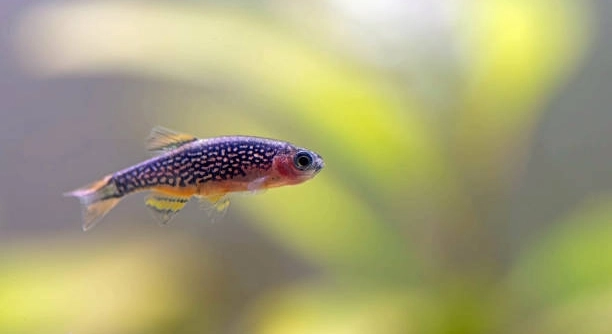
Have you ever noticed how your danios seem restless even in a clean tank? Their swimming can become erratic, and their environment may feel less peaceful than it should. Small adjustments can make a big difference for their comfort.
The best air stone options for a peaceful danio tank are those that provide gentle aeration without creating strong currents. Soft bubble stones, ceramic diffusers, and adjustable air pumps help maintain oxygen levels while minimizing stress for active fish.
Choosing the right stone can transform the tank atmosphere and support your danios’ overall wellbeing and calm behavior.
Choosing the Right Air Stone Material
When selecting an air stone for your danio tank, the material plays a big role in its performance. Ceramic stones are popular because they create fine bubbles that diffuse oxygen gently and evenly. They are durable and tend to last longer without clogging. Glass air stones are also an option, giving a sleek look while still providing steady aeration. Plastic or resin stones are lightweight and inexpensive, but they may wear out faster or produce uneven bubbles. Consider the size of your tank and the number of danios when choosing material. A larger tank may need multiple stones for proper circulation. Cleaning frequency also matters; ceramic and glass stones require careful brushing to prevent algae buildup, while plastic stones can sometimes be rinsed more easily. Over time, any stone may need replacement to maintain optimal aeration, keeping the danios active but calm. A proper material balances efficiency and ease of maintenance.
Ceramic stones often give the softest bubbles, making them ideal for smaller or densely stocked tanks.
Using the right material ensures your fish get oxygen without stress, maintaining both their health and the tank’s clarity over time.
Bubble Size and Flow Rate
Smaller bubbles are gentler on danios, preventing them from being tossed around by strong currents.
The size of the bubbles and the flow rate from your air pump directly affect the tank’s environment. Finer bubbles increase oxygen exchange without creating turbulence, which danios prefer. A stone that produces large bubbles or a high flow rate may make the fish swim frantically, increasing stress and reducing their feeding efficiency. Adjustable air pumps allow you to control the flow, so you can find the balance between adequate oxygenation and gentle water movement. Positioning the stone in a central or rear part of the tank helps circulate water evenly while keeping the fish comfortable. Experimenting with bubble size can also reduce dead spots where debris may settle. Proper flow ensures that beneficial bacteria are evenly distributed, supporting water quality. Over time, observing your fish’s behavior will indicate if adjustments are needed, helping you maintain a peaceful and healthy tank environment for your danios.
Placement in the Tank
Placing the air stone correctly prevents strong currents that stress danios. Position it near the back or corners for gentle circulation.
Correct placement helps maintain even oxygen distribution without overwhelming the fish. Avoid placing stones directly under decorations or plants, as this can trap bubbles and reduce efficiency. Make sure the stone’s stream reaches most areas of the tank to prevent stagnant zones where debris can accumulate. Adjust placement based on tank size and fish behavior. Danios often prefer areas where bubbles create light currents rather than strong water movement. Observing their swimming patterns after installation helps identify the best spot. Multiple stones may be needed for larger tanks, but spacing them evenly ensures uniform aeration. Placement also affects cleaning and maintenance, so choose locations that are easy to access. The goal is to provide gentle oxygenation while keeping your danios calm and active. Proper positioning maximizes the stone’s performance and supports a healthier tank environment.
Consistent monitoring after placement is essential to ensure the flow suits the danios’ activity and keeps the tank balanced.
Gentle currents reduce stress and make feeding easier, while proper positioning prevents debris buildup and promotes better water quality in the tank over time.
Maintenance and Cleaning
Regular cleaning keeps air stones effective and prevents clogging from algae or mineral buildup.
Air stones accumulate deposits over time that reduce airflow. Soaking stones in vinegar or a mild bleach solution can dissolve these deposits. Rinse thoroughly afterward to remove any residue. Gentle brushing with a soft toothbrush helps remove algae without damaging the stone. Frequent checks allow you to notice changes in bubble patterns, which indicate reduced efficiency. Avoid using harsh chemicals that may leave toxic residues for danios. Maintaining a cleaning schedule based on water hardness and tank size ensures consistent aeration. Stones that are difficult to clean may need replacement sooner than durable ceramic or glass options. A clean air stone supports oxygen exchange, keeps water clear, and prevents stress in your fish.
Neglecting maintenance can reduce oxygen flow, causing your danios to become restless and less healthy.
Routine care extends the life of your air stone and maintains a calm, well-oxygenated environment for your danios, helping the tank stay balanced and enjoyable.
Choosing the Right Size
Smaller air stones work well in tanks under 20 gallons, creating gentle bubbles without strong currents. Larger tanks may need multiple stones for even oxygen distribution.
Size affects both aeration and fish comfort. A stone too big can overwhelm danios, while one too small may not provide enough oxygen.
Adjustable Air Pumps
Adjustable pumps allow control over bubble intensity and flow rate. This flexibility ensures danios remain calm and active without being tossed by strong currents.
Decorative Air Stones
Decorative stones add visual appeal while providing aeration. They come in various shapes and colors to match the tank theme.
How often should I clean my air stone?
Cleaning frequency depends on tank conditions and water hardness. Most air stones benefit from a gentle cleaning every two to four weeks. Ceramic and glass stones often last longer and respond well to soaking in a mild vinegar solution. Rinse thoroughly after soaking to remove any residue. Regular checks for clogging or uneven bubble patterns help maintain consistent aeration. Over time, some stones may need replacement even with proper care. Cleaning keeps bubbles fine and steady, which reduces stress for your danios and prevents dead spots where debris can accumulate.
Can I use multiple air stones in one tank?
Yes, multiple air stones can improve oxygen distribution, especially in larger tanks. Place them evenly to avoid strong currents that might disturb the fish. Using more than one stone also helps prevent stagnant areas where waste can collect. Combining a central stone with smaller stones in corners provides balanced circulation. For tanks under 20 gallons, one well-placed stone may suffice. Observe your danios’ behavior after installation; they should swim calmly and feed easily. Adjust the number of stones and their placement based on the tank size and fish activity. Properly distributed stones support a peaceful and well-oxygenated environment.
Do all air stones produce the same bubble size?
No, bubble size varies by material and design. Ceramic stones produce fine bubbles, which are gentler for danios and increase oxygen exchange efficiency. Glass stones can produce slightly larger bubbles depending on pore size, while plastic or resin stones often create uneven bubble streams. Fine bubbles help reduce surface agitation and maintain calm water flow, making them ideal for active fish like danios. Large bubbles may create turbulence that stresses fish and affects feeding. Some air pumps allow flow adjustments, so you can control bubble intensity regardless of the stone used. Observing bubble patterns helps determine if adjustments are needed.
Will an air stone stress my danios?
Air stones can stress danios if they produce strong currents or large bubbles. Placement and flow control are essential. Stones near decorations or plants may trap bubbles and create turbulence. Using gentle stones, like ceramic or adjustable types, minimizes stress. Watch your fish’s behavior—restless swimming or frequent darting indicates a strong current. Adjust the flow or reposition the stone to create a calmer environment. Properly maintained stones provide oxygen without disrupting normal swimming patterns. Multiple stones spaced evenly can balance water movement and prevent areas of high stress while keeping the tank oxygenated.
Can I use an air stone with a filter?
Yes, air stones complement most filters by increasing oxygen levels and improving circulation. They are particularly helpful in tanks where the filter alone does not create enough surface movement. Combining both ensures even oxygen distribution and reduces dead zones. Position the air stone away from strong filter currents to avoid turbulence. Properly paired systems help maintain water clarity and support healthy bacterial activity. Filters remove debris while air stones ensure oxygen levels remain steady, creating a calmer environment for your danios. Observing fish behavior after adding a stone helps confirm the setup is comfortable and efficient.
How long do air stones last?
Air stone lifespan depends on material and maintenance. Ceramic and glass stones can last several years with proper cleaning, while plastic or resin stones may degrade faster. Signs of aging include reduced bubble output, uneven streams, or clogging. Regular maintenance and gentle cleaning extend their life. Eventually, even durable stones may require replacement to maintain effective aeration. Replacing old stones ensures consistent oxygen levels, reduces stress, and keeps the tank environment stable. Choosing high-quality materials initially can minimize frequent replacements and support a healthier tank over time.
Can I decorate with air stones?
Decorative air stones provide both aeration and visual interest. Shapes like castles, rocks, or bubbles add personality to the tank while still oxygenating water. Ensure decorations do not trap bubbles or obstruct flow. Proper placement keeps the tank calm and allows danios to swim freely. Using aesthetically pleasing stones can enhance tank design without compromising functionality. Balance visual appeal with performance, as overly intricate designs may reduce efficiency. Observing fish behavior confirms that decorative stones do not create stress or strong currents, maintaining both beauty and practicality in the tank.
Do air stones affect water quality?
Air stones improve oxygenation, which supports beneficial bacteria and helps maintain water quality. Fine bubbles increase surface agitation, promoting gas exchange that prevents buildup of harmful gases. Poorly maintained stones can accumulate algae or debris, potentially affecting water clarity. Regular cleaning ensures air stones enhance water quality rather than hinder it. Proper oxygen levels from air stones assist in breaking down waste efficiently and maintaining stable conditions. Placement and bubble intensity also play a role; balanced setups ensure even circulation, supporting healthy water chemistry and a peaceful environment for your danios.
Are adjustable air pumps worth it?
Adjustable pumps are valuable for controlling bubble size and flow rate. They allow customization based on tank size, number of fish, and stone type. Gentle settings keep danios calm while stronger settings may help larger tanks with higher oxygen demand. Fine control prevents turbulence that can stress fish. Adjustable pumps provide flexibility to experiment with placement and flow until the environment feels balanced. They also make it easier to accommodate different air stones, ensuring consistent aeration and a calm tank environment. Observing your fish after adjustments helps achieve the optimal setting for health and comfort.
Can I run an air stone 24/7?
Yes, most air stones can run continuously without harming the fish. Continuous aeration maintains oxygen levels and circulation, especially in densely stocked or warmer tanks. Ensure the pump and stone are reliable and properly maintained to prevent clogging or uneven airflow. Regular observation confirms that fish remain calm and bubbles are consistent. Continuous operation supports stable water conditions, reduces stress, and promotes healthier danios. Periodic checks of stone performance and placement help maintain efficiency while keeping the tank environment balanced and well-oxygenated.
How do I know if my air stone is working properly?
Check bubble size and consistency. Fine, steady bubbles indicate proper function, while large or uneven bubbles may signal clogging. Observe danios; calm swimming and normal feeding behavior show the stone is effective. Reduced flow or noisy air pumps can indicate maintenance is needed. Regular checks and cleaning maintain performance. Proper functioning stones enhance oxygen levels, water movement, and overall tank health. Adjust flow and placement as needed to support a peaceful and well-oxygenated environment. Watching fish behavior often provides the clearest indication of effective aeration.
Are there alternatives to air stones?
Air stones are effective, but other options exist. Sponge filters, undergravel filters, or strong water pumps can provide aeration and circulation. Live plants also contribute oxygen naturally. Some setups combine stones with filters for even distribution. Alternatives may suit tanks where stones are less practical or for visual preference. Choosing the right method depends on tank size, fish behavior, and maintenance ability. Balancing oxygen levels and gentle water movement ensures danios remain calm and healthy, regardless of the aeration method chosen. Proper observation and adjustments help maintain a peaceful tank environment.
Can air stones help reduce tank odor?
Indirectly, yes. By improving oxygenation and circulation, air stones support bacterial breakdown of waste, reducing ammonia buildup and associated smells. Properly aerated water prevents stagnant areas where odors develop. Cleaning the stone regularly also prevents algae and debris accumulation, further controlling odor. Combined with proper filtration, air stones contribute to a cleaner, fresher-smelling tank. Regular observation and maintenance ensure that the system works efficiently, keeping water clear and fish healthy. Well-oxygenated water supports beneficial bacteria, which naturally helps reduce odor over time.
What size air pump do I need for my danio tank?
Pump size depends on tank volume and number of stones. Smaller tanks often need a pump rated for the tank’s capacity, while larger tanks may require stronger or multiple pumps. Adjustable pumps allow fine-tuning to prevent strong currents. Consider the stone type and placement when selecting a pump. Efficient pumps support even aeration and calm water movement, promoting danio health. Observing fish behavior helps confirm the pump delivers appropriate flow without stressing the fish. A properly sized pump maintains stable oxygen levels and a peaceful tank environment.
Choosing the right air stone for your danio tank can make a noticeable difference in how peaceful and comfortable your fish are. Gentle aeration helps maintain proper oxygen levels and ensures that the water circulates evenly, preventing dead spots where debris can accumulate. Over time, a well-chosen stone can reduce stress and improve the overall health of your fish. Ceramic, glass, and decorative stones each have unique benefits, so selecting the right one depends on the size of your tank, the number of danios, and your maintenance preferences. Paying attention to bubble size and flow rate is also important, as strong currents can make your fish swim frantically and feel unsettled. By observing your fish and adjusting the setup, you can create an environment that is both functional and visually appealing.
Regular maintenance is another key factor in keeping your air stone effective. Over time, deposits from minerals and algae can clog stones, reducing their ability to produce fine, consistent bubbles. Soaking ceramic or glass stones in a mild vinegar solution and gently brushing them helps maintain efficiency. Plastic stones may require more frequent replacement if they wear down quickly. Cleaning also ensures that the bubbles continue to circulate water evenly, supporting healthy bacterial activity and keeping the tank clear. Proper care not only extends the life of your stone but also ensures that your danios remain calm and active. Combining routine maintenance with careful placement can make a big difference, as positioning stones near the back or corners of the tank creates gentle currents without overwhelming your fish.
Overall, understanding the different options for air stones and how to use them effectively can improve both the function and aesthetic of your danio tank. Adjustable air pumps allow you to fine-tune flow and bubble size, while multiple stones can provide even circulation in larger tanks. Observing your fish is the best way to determine if the setup is working properly. When your danios swim calmly, feed easily, and move freely throughout the tank, it is a sign that the environment is balanced. Choosing the right stone, keeping it clean, and monitoring placement ensures that your tank remains healthy, oxygenated, and visually pleasing. Taking these steps creates a peaceful and comfortable home for your danios, supporting their long-term wellbeing while maintaining a clean, functional aquarium.

Hello,
If you enjoy the content that we create, please consider saying a "Thank You!" by leaving a tip.
Every little bit helps us continue crafting quality advice that supports the health, happiness, and well-being of pets around the world, for pets of all shapes, sizes, and species.
We really appreciate the kindness and support that you show us!