
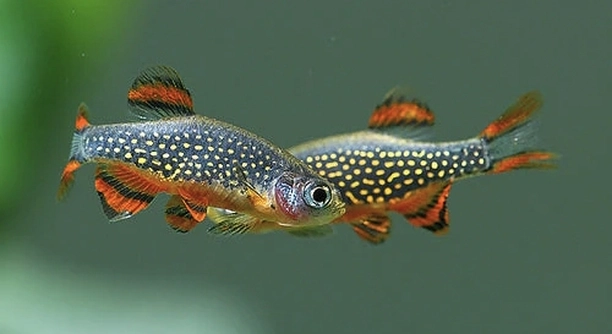
Danios are active, small fish that quickly notice changes in their surroundings. When introduced to a new tank background, they may show subtle shifts in behavior, reflecting how sensitive they are to environmental changes in their habitat.
Danios exhibit a range of responses to new backgrounds, including cautious exploration, increased hiding, altered swimming patterns, heightened alertness, changes in color intensity, social adjustments, and occasional stress-related behaviors. These reactions help them adapt to unfamiliar environments effectively.
Observing these behaviors can improve your understanding of your fish’s comfort and overall tank dynamics, helping you create a more harmonious and stable aquatic environment for them.
Cautious Exploration
When I first changed the background in my tank, I noticed my danios moving slowly at first. They would swim near the edges, pausing often to look around. This cautious behavior is natural, as new surroundings can feel unfamiliar and potentially unsafe. Danios rely on their vision to assess changes, so even small shifts in color or pattern can make them hesitant. Some fish may circle the perimeter or hover near decorations, taking time to feel comfortable. Gradually, they start swimming more freely, exploring the tank’s open areas. It is important to give them space and avoid sudden movements during this period. Providing a stable water environment and minimal disturbances helps reduce stress. Over time, most danios show curiosity, inspecting every corner and swimming confidently. Watching this adjustment process can be rewarding, as it demonstrates their adaptability and the subtle ways they communicate comfort and caution in a new setting.
Cautious exploration helps danios evaluate safety. This behavior is essential for adapting to new backgrounds and reduces stress in unfamiliar surroundings.
Allowing danios time to adjust encourages natural behavior and ensures they become comfortable with the changes in their environment.
Social Adjustments
Danios may shift how they interact with each other when the tank background changes.
Some fish might swim closer together, while others temporarily avoid the group. Changes in background can affect visibility and spatial orientation, causing slight disruption in social dynamics. It may take several hours or days for the school to reestablish normal patterns. During this period, leaders of the group often emerge, guiding movement and establishing new swimming formations. Fish that are normally more dominant may appear less confident until the new environment feels familiar. Subtle cues like body posture, color intensity, and fin positioning indicate social status and comfort level. Monitoring these interactions ensures that no individual is overly stressed or isolated. Adjusting decorations or providing hiding spots can support smoother social transitions. Eventually, the group settles into a stable hierarchy, reflecting the natural adaptability of danios. Patience and observation are key to helping them regain balance.
Altered Swimming Patterns
Danios may change how they swim when a new background is introduced. You might notice faster darting or longer pauses. These shifts reflect their attempt to adjust to visual changes in the tank and maintain a sense of security while exploring.
Some of my danios started weaving between plants more than usual after I changed the tank’s background. Their paths became less predictable, often alternating between quick bursts and slow glides near corners. This behavior helps them gauge the new environment while avoiding areas that feel exposed. Fish use these patterns to map out safe zones, remember obstacles, and establish swimming routes that feel comfortable. Over time, the altered swimming stabilizes, and they adopt more confident movements. Watching this process reminded me how sensitive they are to visual cues. Small changes in color or pattern can affect their sense of depth and boundaries, making these swimming adjustments necessary. Providing a consistent environment and gentle observation encourages them to regain normal swimming habits more quickly.
Observing these patterns can reveal which areas make them uncomfortable and guide minor adjustments in the tank setup to support calmer swimming behavior.
Heightened Alertness
Danios often become more watchful when the background changes, scanning surroundings frequently for potential threats. This behavior is normal and indicates their instinctive need to feel secure in the altered environment.
When I changed the background, my danios would pause mid-swim and flick their fins, glancing at the corners and surfaces of the tank. Their eyes constantly scanned for movement, reflecting heightened alertness. Even subtle shifts in light or shadow triggered quick reactions. Over several days, they began to differentiate between harmless changes and areas requiring caution. Increased vigilance also influenced their feeding routines, as they approached food more carefully. It was interesting to see them balance curiosity with caution, learning the new environment’s boundaries. Providing stable water conditions and minimal disturbances during this phase helped them reduce stress. Gradually, alertness normalized, and my danios resumed playful swimming while still responding appropriately to any sudden movement in the tank.
Increased Hiding
Danios often retreat to plants or decorations when the background changes. They seek familiar shelter to feel safe while assessing the new visual environment.
I noticed my danios staying near rocks and plants longer than usual. They would occasionally peek out, then dart back, showing a cautious approach to the unfamiliar background.
Color Changes
Backgrounds can affect how vibrant danios appear. Darker or contrasting colors often make their stripes and scales look more pronounced, while lighter backgrounds may soften their coloration.
In my tank, introducing a dark background made my danios’ stripes pop noticeably. This change was not just cosmetic; it influenced their interactions and confidence. Brighter, more visible colors seemed to correlate with bolder swimming and less hiding. Fish may use color intensity as a communication tool within the group, signaling comfort or alertness. Watching these subtle shifts in appearance helps track how well they are adapting. Adjusting lighting and background together can enhance natural colors without stressing the fish. Over time, the color stabilizes as the danios settle into the new surroundings, showing a balance between adaptation and display.
Stress-Related Behavior
Danios may show small signs of stress, such as fin clamping or erratic movements, when adjusting to a new background.
How long does it take for danios to adjust to a new background?
Adjustment time varies depending on the individual fish and the level of change in the tank. Some danios may become comfortable within a few hours, while others may need several days. During this period, their swimming patterns, social interactions, and hiding habits often change temporarily. I noticed my own fish initially stayed close to plants and rocks, cautiously exploring only when they felt safe. Providing a stable environment with minimal disturbances helps speed up their adjustment. Monitoring behavior closely allows you to see when normal routines, like feeding and schooling, return, signaling they have adapted to the new background. Patience is key, as forcing interaction or sudden changes can increase stress.
Is it normal for danios to hide more than usual?
Yes, increased hiding is a common reaction to new surroundings. Danios rely on visual cues to feel safe, and unfamiliar backgrounds can make them cautious. I observed my fish retreating to the corners and dense plants, gradually emerging as they gained confidence. Hiding serves as a protective behavior, helping them assess their environment without exposure to perceived threats. Over time, they return to normal swimming and social behaviors, indicating comfort. Providing a few hiding spots in the tank ensures they feel secure while exploring. Avoid overcrowding or sudden movements during this period to prevent prolonged stress and encourage natural adjustment.
Do danios change color because of a new background?
Yes, background colors can influence the appearance of danios. Darker backgrounds often enhance their stripes and body colors, making them appear more vibrant, while lighter backgrounds may make them look softer. In my tank, switching to a darker backdrop made my danios’ stripes stand out immediately, which seemed to coincide with bolder swimming and more active social behavior. This color change is natural and often temporary as the fish adjust to new surroundings. Lighting also interacts with background color, so balancing both can improve the visual effect without stressing the fish. Observing these subtle color shifts helps gauge how well the danios are settling into the environment.
Can a new background cause stress in danios?
Yes, sudden changes can induce stress, especially if the new background is highly contrasting or unfamiliar. Signs include erratic swimming, clamped fins, and frequent hiding. I noticed my danios darting quickly and pausing frequently when I introduced a patterned background. Stress is usually short-term and decreases as the fish acclimate. Providing consistent water conditions, minimal disturbances, and adequate hiding spaces helps reduce stress. It’s important to observe behaviors closely, as prolonged stress can affect appetite, coloration, and social interactions. Gradual introduction of changes or using neutral backgrounds can further minimize stress while still allowing visual enrichment for the fish.
Will social dynamics in a school of danios change with a new background?
Yes, social interactions often shift temporarily. Dominant fish may act more cautious, and the school may tighten or split into smaller groups until everyone adjusts. I observed my danios swim closer together initially, then slowly resume normal schooling after a few days. These changes reflect their need to maintain safety while assessing the altered environment. Providing consistent lighting, familiar hiding spots, and stable water conditions supports smoother social readjustment. Observing body language, fin positioning, and proximity to other fish helps track comfort levels. Gradually, the social structure stabilizes, showing that they have adapted to the new background while maintaining natural behaviors and group cohesion.
Can frequent background changes negatively affect danios?
Yes, frequent or drastic changes can cause prolonged stress, irregular behavior, and weakened immune responses. Danios thrive with stability, and constant alterations make it harder for them to feel secure. I learned that repeated background switches caused my fish to hide more and swim erratically for longer periods. Limiting changes and introducing new backgrounds slowly, along with consistent water quality and hiding spots, reduces negative impacts. Monitoring behavior after each change helps ensure they are adapting without stress. Providing an environment that balances enrichment and stability promotes long-term health, natural social behaviors, and vibrant coloration in danios, creating a comfortable tank setting.
How can I help my danios adjust more quickly?
Gradual introduction and maintaining familiar elements, like plants and decorations, support faster adjustment. I kept a few original plants when changing the background, which seemed to reassure my fish. Minimizing disturbances and feeding at regular intervals also encourages confidence. Observing subtle behaviors, like swimming patterns and hiding frequency, provides clues about their comfort level. Small changes, patience, and stability allow danios to adapt efficiently, reducing stress and promoting normal behavior.
Danios are small, active fish that respond to their environment in many ways. Changing a tank’s background can influence how they behave, swim, and interact with each other. These reactions are natural and help the fish feel secure while adjusting to new surroundings. In my experience, even minor changes in color, pattern, or contrast can cause noticeable differences in their activity. Some fish become cautious, exploring slowly and hiding more often, while others may change the way they swim, moving in bursts or following different paths. Paying attention to these changes gives insight into how the fish perceive their environment. It also helps in creating a tank that balances visual appeal with the comfort and well-being of the danios.
When backgrounds change, social behavior often shifts as well. Danios are schooling fish, and their group dynamics can be influenced by what they see. Leaders in the school may become more cautious, and the entire group may tighten or separate temporarily until the fish feel safe again. These adjustments are a sign that the fish are using natural instincts to evaluate safety. Color changes may occur at the same time, with darker backgrounds often making stripes and scales more pronounced, while lighter backgrounds can soften their appearance. Such changes are not harmful but reflect how responsive danios are to visual stimuli. Observing these shifts can help in assessing stress levels and overall comfort. Providing hiding spaces, maintaining stable water conditions, and allowing the fish time to adjust are key steps in supporting their adaptation.
It is important to approach tank changes with patience and care. Rapid or frequent alterations can increase stress and disrupt natural behavior. I found that introducing new backgrounds gradually, while keeping familiar plants or decorations, made the transition smoother for my danios. Feeding on a regular schedule and avoiding sudden disturbances during this period helps them feel secure. Over time, the fish regain confidence, resume normal swimming patterns, and interact comfortably within the group. Understanding their responses to new backgrounds is not only interesting but also essential for creating a balanced and healthy tank environment. Observing these small behaviors and making thoughtful adjustments ensures the long-term well-being and happiness of danios in any aquarium setting.

Hello,
If you enjoy the content that we create, please consider saying a "Thank You!" by leaving a tip.
Every little bit helps us continue crafting quality advice that supports the health, happiness, and well-being of pets around the world, for pets of all shapes, sizes, and species.
We really appreciate the kindness and support that you show us!