
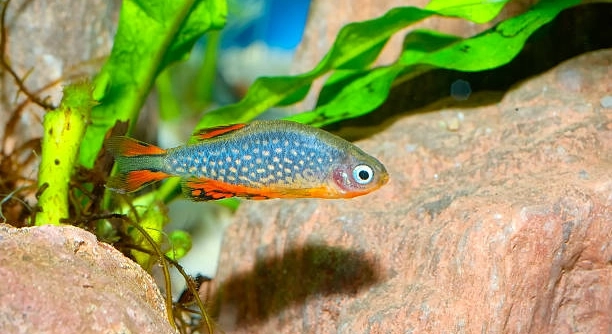
Do you ever find yourself wondering how to feed a mixed-age danio tank without leaving some fish hungry or others overfed? Balancing nutrition and portions can feel tricky when younger and older fish share the same space.
Feeding a mixed-age danio tank effectively requires varied methods that accommodate different appetites and sizes. Incorporating multiple feeding techniques ensures all fish receive adequate nutrition, maintains water quality, and reduces stress caused by competition for food.
Understanding proper feeding habits can make a big difference in the health of your fish. The following methods will guide you in creating a balanced and manageable routine.
Targeted Flake Feeding
Feeding danios flake food is a simple way to ensure they get the nutrients they need. In a mixed-age tank, younger fish often struggle to compete with adults. To help, I break the flakes into smaller pieces so fry and smaller juveniles can eat without being pushed aside. Adult danios tend to eat quickly, so observing the tank during feeding is important. I usually sprinkle flakes in different spots to give each fish a chance. This method also prevents overfeeding in one area, which can cause water quality issues. By adjusting portion sizes based on fish size, the tank stays balanced. I’ve found that smaller, more frequent feedings work better than one large meal. It keeps all ages active and healthy, and it reduces stress in the tank because no fish feels left out. Over time, I noticed that both young and adult danios grow steadily with this approach.
Flakes are easy to portion, which makes controlling daily feeding amounts straightforward.
Breaking flakes into smaller pieces also encourages slower feeding and helps maintain clean water, benefiting the tank’s overall balance.
Live and Frozen Food
Live and frozen foods provide a protein boost for danios. They enjoy small brine shrimp, daphnia, or bloodworms, which appeal to both younger and older fish. I usually thaw frozen foods in small amounts and feed quickly to avoid water fouling. This method helps juvenile fish develop hunting skills while giving adults a rich diet. I alternate live and frozen foods a few times a week.
Offering live or frozen options increases growth rates and strengthens immune systems. Consistently rotating between these foods ensures variety, which keeps all ages active. Small portions prevent waste, and feeding at different tank locations reduces competition. Juveniles can graze while adults hunt separately, making it easier to monitor individual health. Feeding at morning and evening intervals mimics natural behavior, so fish are less stressed. I have seen significant improvements in color and energy when using this method. It also encourages natural swimming patterns, as danios chase the moving food. Over time, mixed-age groups become more cohesive, with everyone finding their share without fighting or overcrowding the feeding spots. Maintaining proper water quality after these feedings is important, as leftover food can accumulate quickly. Using this technique makes tank management smoother and helps all fish thrive together.
Gel-Based Diets
Gel foods are convenient for feeding mixed-age danios because they can be adjusted in size and nutrient content. I prepare small portions and store extras in the fridge, which makes feeding efficient and reduces waste.
Gel foods dissolve slowly, allowing smaller fish to nibble at their own pace while adults eat their fill. I usually make a thin layer in small dishes and place them in different parts of the tank. This prevents aggressive adults from monopolizing the food and ensures juveniles have access. The soft texture is easier for fry to consume, which helps their growth. I rotate between vegetable-based gels and protein-rich gels to maintain a balanced diet. Observing feeding behavior during this process helps me notice any fish that may be struggling or skipping meals. Over time, this method has kept the tank cleaner than with flake or live foods alone. I’ve also seen healthier digestion and fewer leftover particles clouding the water.
I find that gel diets give me control over portion sizes while keeping fish healthy and active.
Micro-Pellet Feeding
Micro-pellets are ideal for small and young danios, as they are easier to swallow than regular pellets. I scatter them around the tank to prevent competition with larger fish.
Regular feeding with micro-pellets ensures juveniles get enough nutrients without the adults dominating. I usually measure exact portions to avoid overfeeding, and I feed multiple times a day. This technique strengthens the fry and helps maintain consistent growth. Adults benefit too, but the pellets are small enough that they don’t waste energy hoarding food. I often combine this with occasional flake or gel feedings to provide variety, keeping the diet balanced. I have noticed that juveniles are more active and colorful when micro-pellets are consistently part of their diet. Using this method has also reduced stress during feeding times, as the smaller fish are not constantly chased away. The tank’s water quality stays stable, as precise portion control prevents excess pellets from breaking down and clouding the water. Overall, micro-pellets are a reliable staple for any mixed-age danio tank.
Sinking Pellets
Sinking pellets are useful for reaching fish that feed lower in the tank. I scatter them slowly so juveniles have a chance to grab some before adults finish.
These pellets help reduce competition at the surface. Adults eat first, but spreading pellets gives smaller fish a fair opportunity to feed.
Vegetable Supplements
Vegetable supplements like blanched spinach or zucchini provide essential fiber. I chop them into tiny pieces so all danios can nibble without difficulty.
Combination Feeding
Combining flakes, pellets, and gels ensures balanced nutrition. I feed small amounts of each type at different times, allowing all fish to eat adequately and maintain steady growth.
Timed Feeding
Timed feeding prevents overfeeding and helps regulate tank behavior. I stick to a schedule so fish learn when to eat, which keeps the tank calmer and cleaner.
FAQ
How often should I feed a mixed-age danio tank?
Feeding frequency depends on the age of your fish and the type of food. I usually feed adults once or twice a day and juveniles two to three times. Smaller, more frequent meals ensure that fry grow steadily without being outcompeted by adults. I space feedings evenly so the tank remains stable and water quality doesn’t deteriorate.
What is the best type of food for mixed-age danios?
A variety works best. I rotate flakes, micro-pellets, gel-based diets, and occasional live or frozen foods. Flakes are simple for adults, while micro-pellets and gel foods help fry consume enough nutrients. This rotation ensures balanced growth, vibrant colors, and active behavior. Live or frozen options provide protein boosts and stimulate natural hunting instincts, which is especially helpful for juveniles developing coordination and speed. Over time, a varied diet has made my tank more harmonious, with less stress over feeding times.
Can overfeeding harm the tank?
Yes, overfeeding leads to water quality issues. Leftover food decomposes and increases ammonia and nitrate levels. I use small, measured portions to prevent excess. Watching feeding closely helps identify which fish eat slower or faster. Removing uneaten food after a few minutes also keeps the tank clean. Maintaining proper filtration helps, but portion control is the main way to avoid problems. Overfeeding can also cause obesity or digestive issues in danios, so monitoring amounts is essential for health.
How do I ensure juveniles get enough food?
Juveniles often struggle with competition from adults. I scatter small pieces of flakes or micro-pellets in different areas, feed at multiple intervals, and sometimes separate very small fry temporarily. Gel foods that dissolve slowly also give juveniles time to feed. Observing their behavior during meals allows me to adjust techniques as needed. Small, frequent feedings make a noticeable difference in growth and activity levels, and the younger fish are less stressed when adults cannot dominate all the food.
Is live food necessary for danios?
Live food is not strictly necessary but offers benefits. I use it a few times a week to supplement nutrition and encourage natural feeding behaviors. Brine shrimp, daphnia, and small bloodworms provide protein that supports growth, especially in juveniles. Adults also enjoy live food, which adds variety and keeps them more active. Combining live or frozen foods with flakes, pellets, and gels ensures a balanced diet for all ages.
Can I mix different types of food in one feeding?
Yes, mixing foods is effective if portions are controlled. I give a small amount of flakes, pellets, or gel in one feeding session. This approach ensures all fish receive a range of nutrients. Careful observation is important to prevent adults from eating everything before juveniles get their share. Mixing foods also keeps the tank lively, as danios respond to different textures and tastes.
How do I manage leftover food?
Leftover food should be removed promptly. I use a small net or siphon to pick up uneaten flakes or pellets after feeding. For gel foods, any residue should be cleaned within an hour. Managing leftovers prevents water contamination, reduces algae growth, and keeps the tank healthy. It also ensures all feedings are effective, with no wasted nutrients.
What if some fish aren’t eating?
Non-eating fish may be stressed, sick, or too small to compete. I try feeding them separately or offering softer foods like gel diets or tiny flakes. Observing them closely helps me identify issues early. Sometimes changing food type or feeding method encourages hesitant fish to eat without disturbing others. Monitoring water quality and overall tank behavior is also important, as poor conditions can reduce appetite.
How do I prevent aggressive feeding behavior?
Aggression is common when adults dominate juveniles. I feed in multiple spots and use sinking or slow-dissolving foods. Gel diets and micro-pellets are particularly effective because they allow small fish to eat at their own pace. Avoiding overcrowding and maintaining a clean tank also reduces stress and competition, making feeding calmer for everyone.
Can feeding schedules affect fish health?
Yes, consistent feeding schedules stabilize behavior and support digestion. I feed at the same times daily, which helps fish anticipate meals and reduces stress. Regular schedules prevent overeating and ensure juveniles have equal access to food. Predictable routines also help me monitor health and growth patterns, making it easier to adjust the diet when needed.
Feeding a mixed-age danio tank can feel challenging at first, but it becomes much easier once you understand the needs of each age group. Younger danios often have smaller mouths and faster metabolisms, so they require foods that are easy to eat and frequent meals to grow steadily. Adults, on the other hand, can be more competitive during feeding and may eat faster or push juveniles aside. By using a variety of feeding methods, such as flakes, micro-pellets, gel-based diets, and live or frozen foods, it is possible to provide balanced nutrition for all fish. I have found that scattering food in different areas of the tank and offering slow-dissolving or sinking foods helps reduce competition and ensures everyone has access to enough nutrients. Observing how your fish respond to feeding is important, because it allows you to adjust portion sizes, feeding frequency, and food types to match their needs. Over time, these small adjustments can improve the health, growth, and coloration of both young and adult danios, while maintaining a calmer and cleaner tank environment.
Consistency is key when feeding mixed-age danios. I stick to a routine of feeding at regular times each day, which helps the fish develop predictable behavior around meals. This consistency not only reduces stress but also helps me monitor their eating habits more easily. If a fish is not eating or seems lethargic, I can intervene early by offering a different type of food or temporarily separating it to ensure it gets enough nutrition. Managing leftovers is also an essential part of the process. Removing uneaten flakes, pellets, or gel prevents water quality issues such as excess ammonia or algae growth, which can quickly impact the health of the tank. Proper portion control combined with careful observation allows all fish, regardless of age, to thrive together. Over time, I have noticed that tanks managed this way tend to have healthier, more active fish with less visible competition during feeding times, and the water stays clearer and more stable.
Using a combination of feeding strategies also helps promote natural behavior in danios. Younger fish learn to hunt and graze when offered live or frozen foods, while adults benefit from a variety of textures and nutrients that keep them active and healthy. Gel-based diets and micro-pellets give smaller fish a fair chance to feed without being overshadowed by adults, and alternating food types provides balanced nutrition for every fish in the tank. Maintaining this balance requires attention, but it is manageable with a routine and some observation. Ultimately, feeding a mixed-age danio tank successfully comes down to understanding the needs of each group, using a variety of foods, and sticking to a consistent schedule. Following these practices ensures all your fish grow steadily, remain healthy, and display their best colors and activity levels. Over time, the tank becomes a stable, harmonious environment where both young and adult danios can coexist happily, and the effort put into feeding translates directly into long-term health and satisfaction for the entire tank.

Hello,
If you enjoy the content that we create, please consider saying a "Thank You!" by leaving a tip.
Every little bit helps us continue crafting quality advice that supports the health, happiness, and well-being of pets around the world, for pets of all shapes, sizes, and species.
We really appreciate the kindness and support that you show us!