
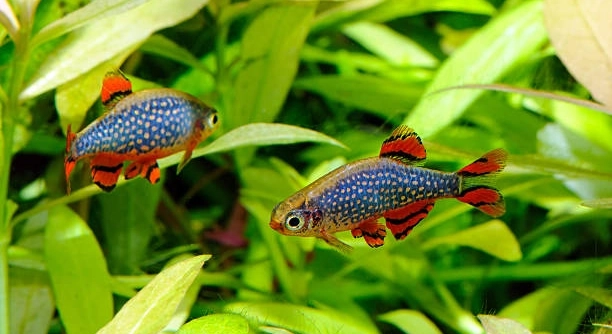
Danios are lively, small fish that bring energy to any aquarium. Keeping them healthy and happy requires attention to their environment and activities. Simple steps can make a big difference in how they interact with their surroundings.
Providing stimulating environments for danios is essential for their well-being. Incorporating varied decorations, safe plants, and objects that encourage movement and exploration reduces stress. Structured feeding schedules and interactive enrichment maintain their natural behaviors, promoting a balanced, calm aquatic habitat.
Exploring these techniques will help you create a more engaging and peaceful environment for your danios, improving their overall health and behavior.
Create a Stimulating Tank Environment
A lively tank makes all the difference for danios. Start by arranging smooth rocks, driftwood, and safe plants to give them places to swim through and hide. Varying heights and open spaces allow for natural movement and encourage exploration. Adding small caves or tubes can mimic natural habitats, giving them spots to rest or dart through. Colorful plants or ornaments add visual interest without overcrowding. Keep pathways clear so they can swim freely in groups. Changing decorations occasionally keeps the tank fresh and prevents boredom. Lighting is another key factor. Use a soft, consistent light cycle to simulate day and night. Avoid sudden brightness that may stress the fish. Water flow should be gentle but noticeable, creating currents that let danios exercise and interact naturally. Maintaining cleanliness is essential; a well-kept tank promotes both health and activity. Regular observation helps you spot changes in behavior early, ensuring a calm and engaging environment.
Small adjustments, like adding a floating plant or a small log, can encourage activity and reduce stress for your danios.
Watching your danios navigate new spaces is satisfying. They may explore hidden corners, chase currents, or rest in shaded areas. A varied tank prevents repetitive behavior and keeps them active. Providing both open swimming zones and sheltered spots balances their needs for safety and stimulation. Rotating plants or adding new items gradually ensures the fish are curious without feeling threatened. Observing subtle changes, such as increased schooling or playful movements, shows that your tank setup is effective. The environment should cater to their natural tendencies, encouraging exploration while offering quiet areas. Even minor additions, like a smooth stone cluster or a small floating leaf, give them opportunities for interaction and exercise. Over time, these elements improve their mood and vitality. Maintaining consistent water parameters, such as temperature and pH, supports overall well-being. A tank that feels alive and dynamic reduces stress, helping danios thrive while maintaining a calm, harmonious atmosphere for all aquatic inhabitants.
Interactive Feeding Techniques
Feeding time can double as enrichment for danios. Instead of scattering food randomly, try varying locations or using a feeding ring. Small treats, like live or frozen foods, keep them engaged.
Timed feeding routines and introducing new textures improve activity. Using floating or sinking foods stimulates natural foraging behaviors, which helps mental and physical health.
Interactive feeding gives danios a sense of purpose and keeps them moving. Dropping pellets in different areas encourages exploration while promoting group activity. Live or frozen foods, like daphnia or brine shrimp, add variety and mimic natural hunting instincts. You can introduce feeding toys or small dishes that make them search for food. This method slows down rapid eating, reducing stress and supporting digestion. Combining this with consistent feeding times builds a routine, making them feel secure. Watching their coordinated movements during these sessions is rewarding. The variety in textures, speeds, and locations keeps them curious and active. Over time, these small feeding adjustments can significantly reduce boredom, making your tank a more lively and harmonious environment.
Add Floating and Live Plants
Floating plants give danios shaded areas while allowing light to pass through. Live plants improve water quality and create natural hiding spots. Varying plant types keeps the tank visually interesting and provides different textures for the fish to explore.
Live plants, such as hornwort or water sprite, encourage natural behavior. Danios enjoy weaving through stems, chasing each other around roots, and sometimes grazing on biofilm. Floating plants reduce stress by softening bright lighting, making the tank feel safer. Dense clusters can serve as resting areas, while open spaces allow fast swimming. Rotating plant placement or trimming overgrown sections keeps the environment dynamic and prevents stagnation. Water parameters benefit as plants absorb nitrates, helping maintain stable conditions. Incorporating both rooted and floating plants mimics natural habitats, encouraging curiosity and activity without overwhelming the tank.
Floating and live plants also act as natural enrichment. Danios explore gaps between leaves, hide under dense foliage, and use plants for resting spots. Over time, they appear more active and less stressed. Regular care, like pruning and occasional repositioning, maintains a healthy environment. Combining different plant types adds variety in height, density, and texture. Some plants grow quickly, providing seasonal changes, which keep the fish engaged. Observing how danios interact with the plants shows their preference for shelter versus open swimming zones. Maintaining plant health directly impacts the fish’s activity and overall mood.
Introduce Small Tank Decorations
Small decorations create landmarks and hiding spots without overcrowding the tank. Smooth rocks, tiny caves, and driftwood allow danios to swim around and under them.
Adding decorations helps maintain natural behavior and encourages exploration. Danios use these objects to rest, hide, or play, breaking the monotony of open water. Placement should leave ample swimming space, avoiding clutter. Rotating items periodically prevents boredom and keeps the fish curious. Avoid sharp edges that could injure them. Decorations with different textures, shapes, and heights enrich the environment, giving the fish multiple options for interaction. Observing how they navigate these spaces helps gauge their comfort and stress levels. Using lightweight, stable decorations prevents accidents during cleaning or rearrangement. Consistent monitoring ensures they remain safe and functional.
Decorations influence danios’ daily activity. They swim through tunnels, weave between rocks, and sometimes rest in shaded areas created by ornaments. Introducing new items slowly encourages exploration while avoiding stress. A mix of vertical and horizontal objects supports varied movement, helping them exercise naturally. Lightly textured surfaces offer grazing opportunities for algae and biofilm, adding a minor nutritional benefit. Decorations also break visual monotony, making the tank appear more natural. Watching how danios interact with these items indicates their comfort and engagement. Small adjustments, like moving a cave slightly or adding a plant near a rock, can create fresh interest. Over time, this method maintains an active, relaxed, and well-stimulated tank environment.
Use Gentle Water Currents
Gentle water currents keep danios active without causing stress. A small filter or bubbler creates movement, encouraging swimming and exercise. Currents also help circulate oxygen and maintain a healthy tank environment.
Varying the flow slightly prevents monotony. Danios enjoy weaving through currents, which mimics natural river or stream conditions and keeps them engaged and alert.
Introduce Floating Toys
Floating toys offer interactive enrichment for danios. Small, safe items that drift with the current give the fish new objects to investigate. They can chase or nudge the toys, stimulating natural curiosity and movement patterns in a controlled way.
Rotate Tank Accessories
Changing decorations and plant placement every few weeks refreshes the tank. Rotated accessories encourage danios to explore familiar areas as if they are new, promoting mental stimulation and reducing boredom.
Maintain Consistent Lighting
Consistent lighting schedules support danios’ natural rhythms. Using a timer ensures a steady day-night cycle, helping the fish feel secure and relaxed, while supporting overall health and predictable behavior patterns.
FAQ
How often should I change the water in a danio tank?
Water changes are crucial for danios’ health. Replace about 20-30% of the tank water every week to remove waste and maintain stable water parameters. Partial changes prevent sudden shifts in temperature or chemistry, which can stress the fish. Using a siphon helps remove debris from the substrate efficiently. Always treat tap water with a dechlorinator before adding it to the tank. Monitoring water parameters such as ammonia, nitrite, and nitrate levels ensures a safe environment. Regular water changes combined with proper filtration keep the tank clean, supporting both activity and relaxation for the danios.
What types of foods keep danios active?
Danios thrive on a mix of flakes, pellets, and live or frozen foods. High-protein items, such as brine shrimp, daphnia, and bloodworms, encourage foraging and swimming activity. Varying food textures stimulates natural hunting behavior, reducing boredom. Feeding small amounts multiple times a day maintains energy levels and prevents overeating. Avoid overfeeding, as leftover food can pollute the tank. Introducing treats gradually keeps fish curious and engaged. Rotating food types while keeping a balanced diet ensures optimal health and encourages playful interactions with their environment.
Can I add other fish with danios?
Danios are generally peaceful but active swimmers. They do well with other non-aggressive species that occupy different tank levels. Avoid slow-moving or delicate fish that may be stressed by constant movement. Maintaining a group of at least five danios reduces aggression among themselves. Proper tank size is important to give everyone enough space. Monitor interactions after introducing new species, as individual behavior can vary. Plants and decorations provide hiding spots for shy fish, helping balance activity levels. Thoughtful selection of tank mates ensures harmony and reduces stress, keeping danios relaxed.
How do I know if my danios are stressed?
Signs of stress include erratic swimming, hiding constantly, loss of appetite, or faded colors. Rapid gill movement and clamped fins are also indicators. Stress can result from poor water quality, overcrowding, sudden changes, or aggressive tank mates. Observing daily behavior allows early intervention before health declines. Correcting environmental issues, adjusting tank mates, or providing enrichment reduces stress. Stable water parameters, varied decorations, and gentle currents support calm and active fish. Regular observation is key, as danios often show subtle cues when something is wrong, allowing for timely action.
Are decorations and plants really necessary for danios?
Yes, they provide mental and physical stimulation. Decorations and plants mimic natural habitats, giving the fish places to hide, explore, and rest. Open swimming spaces combined with structured hiding spots balance exercise and safety. Rotating items and adding floating or live plants keeps the environment dynamic. Smooth surfaces and safe textures prevent injury. A well-decorated tank supports natural behaviors like chasing, weaving, and grazing. Enrichment reduces boredom and stress, keeping danios both active and relaxed. Observing how they interact with plants and decorations helps fine-tune the tank setup for long-term health and enjoyment.
How much light do danios need?
Danios need a consistent light schedule, typically 10-12 hours of light daily. Using a timer helps maintain a regular day-night cycle, which supports feeding, activity, and rest periods. Avoid sudden changes in lighting intensity. Bright, direct light can stress them, while too little light reduces activity. Combining moderate lighting with floating plants creates shaded areas, offering security and encouraging natural behaviors. A stable lighting routine helps maintain calm, active fish, while supporting plant growth and overall tank health. Consistency is key to keeping danios relaxed and engaged in their environment.
Can danios get bored without toys or enrichment?
Yes, a bare tank limits natural behavior and can lead to lethargy or stress. Enrichment like plants, decorations, floating toys, or variable currents encourages exploration and activity. Small adjustments, such as moving decorations or adding a new plant, stimulate curiosity. Boredom may show as repetitive swimming in circles or lack of interaction. Providing mental and physical stimulation ensures they stay engaged, healthy, and less prone to stress-related illness. Observing their response to enrichment helps maintain a balanced and lively tank, promoting both activity and relaxation over time.
How can I encourage schooling behavior?
Schooling is a natural behavior that helps danios feel safe. Keep a minimum of five or six individuals to encourage cohesive movement. Open swimming areas combined with gentle currents support coordinated activity. Avoid overcrowding, which can disrupt schooling and cause stress. Decorations should allow group swimming while offering hiding spots if needed. Feeding together with scattered food or using floating toys can stimulate natural schooling patterns. Observing how danios interact in groups helps ensure they feel secure and engaged, strengthening social behavior and reducing anxiety within the tank.
What should I do if one danio becomes isolated?
Isolated behavior may indicate stress, illness, or territorial issues. Check water quality, temperature, and tank mates for potential problems. Providing extra hiding spots or rearranging decorations can encourage interaction. Observe for signs of illness like clamped fins, discoloration, or lethargy. If isolation continues, consider separating the individual temporarily for monitoring and treatment. Reintroducing the fish gradually into the main group with proper enrichment helps restore normal social behavior. Early intervention ensures the tank remains harmonious and each danio stays active and relaxed.
Are gentle currents better than still water for danios?
Yes, gentle currents mimic natural habitats and encourage swimming without overwhelming the fish. Moving water promotes exercise, prevents stagnation, and distributes oxygen evenly. Too strong a flow can exhaust them, while no current may reduce activity. Adjustable filters or bubbler systems create optimal conditions, keeping danios stimulated and healthy. Currents combined with open swimming zones and enrichment support natural behavior patterns, helping them stay active and stress-free. Regular observation ensures flow remains suitable for all tank inhabitants, maintaining a balanced, dynamic environment.
Danios are lively and curious fish that benefit from a well-planned environment. Providing an aquarium with varied decorations, live or floating plants, and gentle currents allows them to explore naturally and stay active. Open swimming areas are as important as hiding spots, giving them the freedom to move while also offering safety. Regular adjustments, such as rotating plants or repositioning ornaments, help prevent boredom and keep the tank dynamic. Even small changes, like adding a floating leaf or a smooth rock cluster, can make the environment more engaging. A tank that feels natural encourages positive behaviors, reduces stress, and supports overall health. Observing how danios respond to their surroundings is key to understanding their needs and making effective changes.
Feeding and enrichment play a large role in keeping danios occupied. Using a mix of flakes, pellets, and live or frozen foods encourages natural foraging behaviors. Interactive feeding, such as scattering food in different areas or using floating toys, stimulates curiosity and exercise. This type of feeding not only maintains their physical activity but also provides mental engagement, preventing repetitive or lethargic behaviors. It is important to keep feeding routines consistent while introducing new items gradually. Overfeeding should be avoided, as leftover food can affect water quality and the health of the fish. Carefully planned enrichment ensures that the fish remain both active and relaxed, supporting a balanced lifestyle in the tank.
Maintaining stable water conditions and lighting is also essential for danios’ well-being. Regular partial water changes, monitoring water parameters, and using a timer for lights create a consistent and predictable environment. This stability allows danios to establish natural rhythms for swimming, feeding, and resting. Stress from sudden changes in water chemistry or lighting can lead to health issues and behavioral problems. Combined with proper enrichment and tank organization, stable conditions create an environment where danios feel safe and confident. Over time, these efforts result in fish that are lively, curious, and calm, making the aquarium enjoyable for both the fish and the caretaker. A thoughtful approach to habitat, feeding, and maintenance ensures that danios thrive while remaining active, engaged, and relaxed.

Hello,
If you enjoy the content that we create, please consider saying a "Thank You!" by leaving a tip.
Every little bit helps us continue crafting quality advice that supports the health, happiness, and well-being of pets around the world, for pets of all shapes, sizes, and species.
We really appreciate the kindness and support that you show us!