
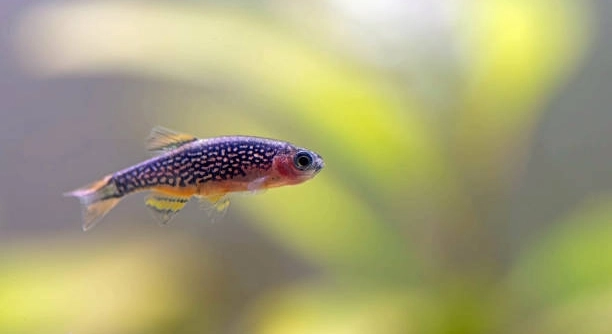
Are your danios showing signs of stress or unusual behavior in the tank? Maintaining stable water conditions is essential for their health and vitality. Even minor fluctuations in temperature or pH can affect their overall wellbeing and activity.
Stabilizing danio water parameters involves consistent monitoring and management of key factors such as temperature, pH, ammonia, nitrite, nitrate, and water hardness. Implementing controlled adjustments and regular maintenance ensures a stable environment that supports long-term health and reduces stress.
Understanding these methods will help you create a balanced tank environment. Maintaining stable conditions is essential for your danios’ comfort and longevity.
Monitor Water Temperature Consistently
Maintaining a stable temperature is crucial for danios. Sudden changes can stress them and weaken their immune system. Using a reliable aquarium thermometer helps track fluctuations daily. Ideal temperatures for most danio species range between 72 and 78°F. Heaters or chillers can be adjusted gradually to prevent shock. Avoid placing the tank near windows, vents, or areas with drafts. Even small daily variations can affect metabolism, activity, and feeding behavior. Consistency is key, so check readings at the same time each day. If the temperature shifts unexpectedly, take immediate action to bring it back to the preferred range. Water circulation also helps distribute heat evenly throughout the tank, reducing cold or hot spots. Maintaining a stable thermal environment allows danios to thrive and reduces stress-related illnesses, making daily care more manageable and predictable.
Regular monitoring of temperature ensures your danios remain healthy and active. Even minor fluctuations can have long-term effects.
Gradual adjustments, combined with stable surroundings, create a supportive environment for danios. Consistent heating and circulation prevent uneven temperatures, helping maintain their natural behavior and reducing mortality. This simple routine saves time and prevents potential health issues before they escalate.
Maintain Proper pH Levels
Keeping pH levels stable prevents stress and illness in danios.
pH should generally stay between 6.5 and 7.5. Sudden swings in pH can damage gills, skin, and overall health. Test the water frequently using accurate kits, and avoid using chemicals that cause rapid changes. Adding buffering agents gradually can help maintain consistency. When performing water changes, ensure replacement water matches the tank’s pH closely to avoid shock. Regular monitoring also reveals trends in pH shifts that may indicate underlying issues, such as biological buildup or chemical reactions from substrates or decorations. Consistent pH supports digestion, reproduction, and immunity, contributing to long-term vitality. Combining this practice with other water parameter management techniques ensures a stable, safe environment. Proper pH management may seem simple, but its impact on danio wellbeing is significant. Prioritizing it protects them from stress and prevents sudden health complications, allowing you to enjoy an active, lively tank without frequent emergencies.
Regular Water Changes
Frequent water changes remove accumulated toxins and maintain stable parameters. Performing partial changes weekly helps balance ammonia, nitrite, and nitrate levels.
Water changes should replace 20-30% of the tank water each week. Using dechlorinated water at the same temperature prevents stress. This routine reduces the buildup of waste and organic material that can destabilize pH and hardness. Even small amounts of leftover contaminants can affect danio behavior over time. Consistent water changes support filtration efficiency and keep the environment predictable. Tracking the schedule ensures no weeks are skipped, and changes are always measured and deliberate.
Combining water changes with proper substrate cleaning improves overall tank hygiene. Removing debris prevents the growth of harmful bacteria, while fresh water maintains dissolved oxygen levels. This method supports a healthier ecosystem for danios, allowing them to swim actively and feed normally. Regular changes prevent sudden spikes in toxic compounds, reducing the risk of illness and mortality. Maintaining this habit consistently creates a stable and balanced aquatic environment, minimizing stress and promoting natural behavior in your fish.
Maintain Adequate Filtration
Effective filtration keeps water clear and reduces harmful substances.
A properly sized filter handles waste efficiently. Ensure the flow rate matches tank size and danio activity levels. Filters also provide surfaces for beneficial bacteria that convert ammonia and nitrites into less harmful nitrates. Cleaning filter media should be done carefully, using tank water to preserve bacterial colonies. Avoid over-cleaning, which can disrupt biological balance. Combining mechanical, chemical, and biological filtration ensures multiple layers of water treatment, keeping parameters stable. Monitor flow and efficiency regularly, adjusting or replacing components as needed.
Proper filtration complements water changes and parameter monitoring. Mechanical filtration removes debris, chemical filtration neutralizes toxins, and biological filtration maintains a healthy nitrogen cycle. Together, these processes prevent dangerous ammonia or nitrite spikes. Selecting a filter appropriate for the tank size and fish load ensures consistent performance without stressing danios with overly strong currents. Maintaining filtration also reduces algae growth by controlling excess nutrients. Regular inspections prevent clogs or breakdowns, and cleaning without disturbing beneficial bacteria protects long-term water stability. By balancing all filtration methods, you create a controlled environment that supports danio health, growth, and activity.
Control Ammonia Levels
High ammonia is toxic to danios and can cause illness quickly. Testing water regularly helps detect rising levels early.
Ammonia spikes often result from overfeeding or insufficient filtration. Adjust feeding habits and ensure the filter is functioning properly. Removing uneaten food promptly prevents buildup, protecting your fish from harmful exposure.
Regulate Nitrite Concentration
Nitrites are dangerous and stress fish even in small amounts. Monitoring nitrite levels with a test kit is essential for safety. Proper biological filtration converts nitrites into less harmful nitrates, maintaining a balanced and stable tank environment for your danios.
Manage Nitrate Accumulation
Nitrates are less toxic but can build up over time and affect water quality. Regular water changes, combined with live plants, help absorb excess nitrates naturally. Avoid overstocking and overfeeding, as both contribute to higher nitrate levels, keeping the tank safe and comfortable for your danios.
Check Water Hardness
Water hardness affects danio health and reproduction. Maintaining stable hardness ensures their physiological processes remain balanced and reduces stress on their system.
FAQ
How often should I test danio tank water?
Testing water once a week is sufficient for most home aquariums. However, during the first few weeks after setup, daily monitoring helps ensure the nitrogen cycle establishes properly. Keep records of pH, ammonia, nitrite, nitrate, and temperature. Observing trends over time allows you to detect gradual changes before they become harmful. Sudden shifts can stress danios, so consistent checks provide a clearer picture of the tank’s stability. Using reliable test kits reduces guesswork and ensures your water parameters remain within safe ranges, creating a healthier environment for your fish.
What is the best way to perform water changes without stressing danios?
Perform partial water changes using water that matches the tank temperature and pH. Replace 20-30% of the water weekly, depending on tank size and fish load. Pour the new water slowly to prevent sudden movement or current changes. Using a siphon to remove debris from the substrate ensures waste is removed without disturbing the fish. Avoid cleaning the entire tank or replacing all the water at once, as this can shock the fish and destabilize the beneficial bacteria. Consistency and gradual adjustments are key to keeping your danios comfortable during maintenance.
Can I adjust pH quickly if it drops or rises unexpectedly?
Rapid changes in pH can harm danios. Adjust pH gradually using commercial buffers or natural methods like adding driftwood for lowering or crushed coral for raising pH. Make changes in small increments over hours or days while monitoring closely. Sudden swings can damage gills, affect digestion, and reduce immunity. Avoid mixing tap water with drastically different pH levels during water changes, as this may create stress. Stability matters more than reaching a specific number immediately. Regular testing and minor adjustments maintain a balanced environment and prevent long-term stress for your fish.
How do I reduce ammonia and nitrite levels quickly if they spike?
Immediate partial water changes help reduce harmful concentrations. Ensure the new water is dechlorinated and matches tank temperature. Adding biological additives or media with beneficial bacteria can accelerate conversion of ammonia and nitrite into nitrates. Stop overfeeding and remove leftover food to prevent further spikes. Avoid adding chemicals that mask ammonia without addressing its source, as this only hides the problem. Gradual adjustments combined with enhanced filtration and water changes restore stability while protecting danios from toxic exposure. Consistent maintenance prevents these spikes from occurring frequently.
Are live plants necessary for stabilizing water parameters?
Live plants help absorb nitrates and some other dissolved compounds, contributing to stable water chemistry. They provide natural surfaces for beneficial bacteria and reduce excess nutrients, which can help control algae growth. While not strictly necessary, adding plants supports a balanced ecosystem, promotes oxygenation, and creates hiding spots for danios. Combining plants with regular water changes and proper filtration strengthens overall water stability and reduces the risk of stress-induced illness. Even a few hardy plants can make a noticeable difference in maintaining a healthy, balanced aquarium.
How important is filter maintenance for keeping water stable?
Filter maintenance is critical for consistent water quality. Clean filter media using tank water to preserve beneficial bacteria. Avoid over-cleaning, which can disrupt the nitrogen cycle. Replace worn parts as needed, and ensure the flow rate is appropriate for the tank size and fish activity. Filters remove debris, support biological conversion, and keep water circulating, preventing dead spots that can contribute to parameter instability. Regular inspections and careful upkeep ensure the filter performs efficiently, maintaining a stable and healthy environment for danios. Neglecting the filter often leads to rapid water quality deterioration.
Can overfeeding affect water stability?
Yes, overfeeding increases waste, raising ammonia, nitrite, and nitrate levels quickly. Uneaten food decomposes, creating toxins that destabilize water chemistry. Feed small portions your danios can consume in 2-3 minutes, adjusting based on activity and appetite. Consistent feeding schedules help maintain predictable water conditions. Removing leftovers promptly minimizes nutrient buildup and reduces algae growth. Combining careful feeding with regular water changes and filtration prevents water parameter fluctuations and supports a healthy, stress-free environment for your fish.
How do I know if my danios are stressed due to water issues?
Signs include lethargy, erratic swimming, loss of appetite, faded colors, and gasping at the surface. Rapid breathing or clamped fins are also indicators. Observing behavior daily helps identify problems before they become severe. Correlate signs with water test results to address specific issues. Acting promptly to stabilize temperature, pH, ammonia, nitrite, nitrate, and hardness prevents long-term health problems. Maintaining consistent care routines reduces stress and supports natural behavior. Regular monitoring combined with quick corrective action ensures your danios remain active and healthy.
Is it safe to mix tap water with different properties during changes?
Mixing water with different pH, hardness, or temperature can stress danios. Always adjust new water to match tank conditions before adding it. Gradual introduction prevents sudden parameter shifts. Using water conditioners and dechlorinators ensures safety while maintaining stability. Consistency in water quality is more important than source convenience. Preparing water in advance allows it to stabilize, minimizing shock to the fish. Proper preparation and careful additions help maintain a balanced environment and prevent stress-induced illnesses.
How do I maintain stable hardness for danios?
Stable hardness supports metabolic and reproductive processes. Test regularly and adjust gradually using minerals or buffers. Avoid sudden changes, as they can affect osmoregulation and overall health. Hardness stability works best alongside consistent pH and temperature management. Gradual adjustments and regular monitoring ensure a safe environment, promoting active and healthy danios. Maintaining hardness stability also complements filtration and water change routines, preventing unexpected chemical swings. Proper attention to this parameter contributes to overall water balance and supports the long-term wellbeing of your fish.
What are the most common mistakes that destabilize water parameters?
Overfeeding, skipping water changes, neglecting filter maintenance, and ignoring temperature or pH fluctuations are the main causes. Rapid adjustments to water chemistry without proper monitoring can worsen problems. Overstocking and inadequate filtration also contribute to instability. Consistency in routine care, testing, and gradual corrections prevents most issues. Observing fish behavior and responding to changes promptly helps maintain a stable, healthy tank. Avoiding shortcuts and following simple maintenance habits ensures long-term success with danios, reducing stress and minimizing health risks.
Can sudden environmental changes affect water stability?
Yes, placing the tank near windows, vents, or heaters can cause temperature and pH swings. Even small daily variations can stress fish. Maintaining a consistent location and environment reduces fluctuations. Gradual acclimation when changing conditions prevents shock. Controlled surroundings support long-term stability and help danios maintain normal behavior patterns. Regular monitoring combined with preventive measures ensures the tank environment remains balanced and safe. Small adjustments, rather than sudden changes, are always more effective for sustaining a healthy aquatic ecosystem.
Maintaining stable water parameters is essential for keeping danios healthy and active. Even minor fluctuations in temperature, pH, ammonia, nitrite, nitrate, and hardness can stress them and lead to illness. By monitoring these key factors regularly, you can prevent sudden changes and provide a consistent environment. Simple practices, such as weekly water tests, partial water changes, and careful feeding, help maintain balance. Proper filtration and gradual adjustments to water chemistry further support stability. Taking the time to observe and respond to your fish’s behavior allows you to identify potential issues early, making maintenance more manageable. Stability in water parameters ensures that danios swim actively, feed normally, and exhibit natural behaviors.
Consistency is the foundation of a healthy tank. Small, regular steps, such as checking the thermometer, testing pH, or cleaning the filter, prevent larger problems from developing. Overfeeding or ignoring signs of buildup can quickly destabilize water, even in well-established tanks. Combining these maintenance routines with supportive measures, like adding live plants or adjusting hardness gradually, strengthens the overall ecosystem. Observing daily changes in behavior, appearance, or activity provides insights into water quality and allows for timely interventions. A controlled and predictable environment reduces stress on your fish, helping them maintain a strong immune system and thrive over time. Maintaining stability is not about complex procedures, but about steady, deliberate care that balances all aspects of water chemistry, tank hygiene, and feeding.
Creating a stable home for your danios requires attention, patience, and consistency. Each small step contributes to overall water balance, from monitoring ammonia and nitrites to regulating temperature and pH. By combining proper filtration, gradual adjustments, and regular observation, you provide an environment that supports long-term health. Understanding how each factor interacts with the others allows you to prevent sudden shifts and respond effectively to minor changes. Stability in water parameters directly affects activity levels, growth, and reproduction. Over time, these simple, consistent actions build a thriving aquarium where your danios can live comfortably. With careful maintenance and attention to detail, your tank becomes a safe and supportive space that encourages natural behavior and reduces the risk of stress-related illnesses.

Hello,
If you enjoy the content that we create, please consider saying a "Thank You!" by leaving a tip.
Every little bit helps us continue crafting quality advice that supports the health, happiness, and well-being of pets around the world, for pets of all shapes, sizes, and species.
We really appreciate the kindness and support that you show us!