
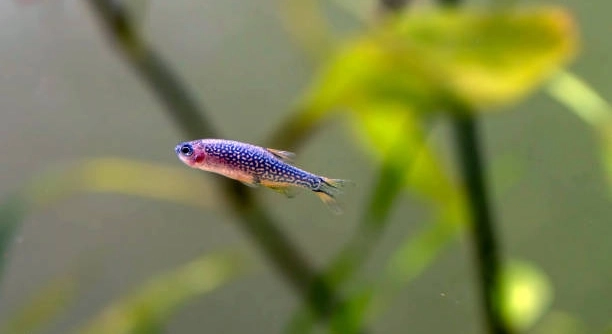
Are your danios swimming less actively than usual or hiding more than normal in the tank? Small changes in behavior can indicate underlying health issues. Observing them closely allows you to respond before problems escalate.
Monitoring subtle health signs in danios is crucial for maintaining their well-being. Key indicators include changes in swimming patterns, coloration, appetite, and body condition. Early detection of these signs enables timely intervention and prevents serious illness or stress.
Keeping track of these small cues can ensure your danios thrive in a healthy, balanced aquarium environment.
Changes in Swimming Patterns
Danios are active swimmers, so any noticeable change in their movement can be an early warning sign. If they start floating near the surface, sinking to the bottom, or swimming erratically, it may indicate stress or illness. Sudden jerky movements or staying in one spot for long periods should not be ignored. Water quality plays a significant role in their activity. Poor filtration, sudden temperature changes, or high ammonia levels can affect swimming. Observing the fish at different times of the day can help identify consistent patterns versus temporary reactions. Regular tank maintenance and monitoring water parameters are essential for preventing long-term problems. Providing hiding spots with plants or decorations can reduce stress and encourage natural swimming behavior. Overfeeding can also slow down their movements, as excess food impacts water quality and overall health. Keeping a close eye on their swimming ensures that any issues are caught early.
Swimming behavior reflects overall health, with consistent activity showing well-being. Erratic or slow movement signals possible illness.
Tracking daily swimming patterns helps identify subtle changes. Maintaining clean water and stable temperatures supports healthy activity. Observing interactions between tank mates also reveals potential stressors.
Changes in Appetite
A healthy danio generally eats regularly and shows interest in food. Sudden disinterest in eating, spitting out food, or eating less than usual can indicate illness or environmental stress. Changes in diet preference or refusing certain types of food are also signs to monitor. Illnesses like parasites, bacterial infections, or swim bladder issues often reduce appetite. Stress from overcrowding, aggressive tank mates, or inconsistent lighting can also affect feeding behavior. Monitoring feeding times and amounts helps ensure each fish gets enough nutrition. Removing uneaten food promptly prevents water quality problems, which can further impact health. Gradually introducing high-quality, varied foods can encourage eating while supporting their immune system. Regular observation allows for early intervention, whether it’s adjusting feeding routines, improving water conditions, or consulting a veterinarian for persistent appetite issues.
Loss of appetite may signal health issues or environmental stress and should be addressed promptly.
Tracking feeding behavior helps identify potential illness early. Maintaining consistent feeding routines, water quality, and diet variety supports danio health and prevents long-term problems.
Color Fading or Spots
Changes in coloration can indicate stress, illness, or poor water quality. Pale colors, darkened patches, or unusual spots may be signs of infection, parasites, or inadequate nutrition.
Consistent monitoring of your danios’ colors helps detect issues early. Stress from sudden changes in temperature, lighting, or aggressive tank mates can cause temporary fading. Bacterial or fungal infections may appear as white or red spots, while parasites often create irregular patterns on the body or fins. Nutritional deficiencies can dull colors over time. Maintaining stable water conditions, a balanced diet, and proper tank setup reduces stress and supports vibrant coloration. Observation during feeding and regular tank checks make spotting subtle changes easier.
Prompt action when color changes appear can prevent worsening conditions. Adjusting water quality, checking diet, and isolating affected fish if needed are effective strategies. Regular care keeps colors bright and health stable.
Clamped Fins
Clamped fins are a common sign of discomfort or illness in danios. The fins remain close to the body instead of spreading naturally, often signaling stress or infection.
Clamped fins can result from poor water quality, sudden temperature shifts, or aggressive tank mates. Diseases like fin rot, bacterial infections, or parasites frequently cause this condition. Observing your fish daily helps identify when clamping starts, allowing early treatment. Quarantining affected fish can prevent spread and give them a calm environment to recover. Ensuring proper nutrition supports healing, as well as maintaining clean, stable water conditions.
Ignoring clamped fins can lead to more serious health problems. Prompt attention through water checks, diet adjustment, and isolation encourages recovery. Tracking behavior and fin condition over time helps prevent recurrence.
Rapid Gill Movement
Rapid gill movement can indicate oxygen deficiency, stress, or respiratory illness. Fish may breathe faster if water oxygen levels are low or if disease affects their gills. Monitoring gill movement helps identify potential problems early.
Poor water quality, high ammonia, or overcrowding often causes rapid gill movement. Maintaining proper filtration, aeration, and regular water changes supports healthy respiration and prevents long-term stress on your danios.
Weight Loss or Bloating
Sudden weight changes are often signs of digestive issues, parasites, or infections. A visibly thinner or bloated danio should be observed closely, as these conditions can worsen quickly. Maintaining consistent feeding routines and proper water conditions helps prevent these problems.
Erratic Swimming at Night
If danios swim erratically during nighttime, it may indicate stress, poor lighting, or illness. Observing behavior during all hours ensures subtle changes are noticed.
FAQ
How often should I check my danios for subtle health signs?
Daily observation is ideal for catching early signs of illness or stress. Watching their swimming patterns, color, appetite, and interactions with tank mates helps detect changes before they become serious. Even a few minutes a day is enough to notice small differences.
What water parameters are most important for danios?
Temperature, pH, ammonia, nitrite, and nitrate levels are critical. Danios thrive in slightly cooler water, around 22–26°C (72–79°F), with stable pH near 6.5–7.5. Ammonia and nitrite should always be zero, while nitrates should remain below 20 ppm to prevent stress or illness.
Why do danios lose color suddenly?
Color fading can result from stress, poor nutrition, or illness. Aggressive tank mates, overcrowding, or sudden changes in lighting may temporarily dull their colors. Persistent fading or unusual spots can indicate bacterial or parasitic infections, which require attention and possibly isolation.
What should I do if my danio is clamping its fins?
Clamped fins are a sign of discomfort. First, check water quality and correct temperature or chemical imbalances. Quarantine affected fish if necessary, and observe for other symptoms such as lethargy or loss of appetite. Treat infections with appropriate medications if identified.
How can I tell if my danio has a parasite?
Parasites often cause rapid gill movement, scratching against surfaces, or white spots. Behavioral changes like erratic swimming or reduced appetite are also common. Quarantining the affected fish and consulting a veterinarian or aquarium specialist is recommended for proper treatment.
Is bloating in danios dangerous?
Yes, bloating can signal digestive issues, constipation, or internal infection. Monitor feeding and reduce large meals or fatty foods. Epsom salt baths or other targeted treatments may help, depending on the cause. Persistent bloating requires medical advice or isolation.
Why do danios sometimes swim erratically at night?
Erratic nighttime swimming can indicate stress, poor water quality, or light disturbances. Danios may be more sensitive to changes in environment after dark. Ensuring consistent lighting cycles and a calm tank environment can reduce this behavior.
Can diet affect subtle health signs?
Yes, an unbalanced diet can lead to color fading, bloating, and reduced activity. Offering varied foods like high-quality flakes, frozen or live brine shrimp, and occasional vegetables supports overall health. Avoid overfeeding to prevent water contamination and obesity.
How long should I observe changes before taking action?
Small, consistent changes over a few days should prompt closer inspection. Sudden changes in behavior or appearance should be addressed immediately. Early intervention often prevents minor issues from developing into serious health problems.
Are certain tank mates stressful for danios?
Yes, aggressive or much larger fish can cause stress, leading to clamped fins, hiding, or reduced appetite. Choosing compatible tank mates and providing plenty of hiding spaces can minimize tension and encourage natural behavior.
What preventive measures can keep danios healthy?
Regular water changes, proper filtration, consistent feeding, and monitoring for subtle signs of illness all contribute to long-term health. Avoid overcrowding and maintain a stable environment. Observing daily ensures early detection and timely intervention, keeping your danios active and vibrant.
How do I safely isolate a sick danio?
Use a quarantine tank with similar water parameters. Minimize handling to reduce stress, and monitor closely for changes. Quarantining prevents the spread of illness and allows targeted treatment, whether it involves medication, diet adjustments, or water corrections.
Can environmental stress mimic illness in danios?
Yes, poor water quality, sudden temperature changes, or aggressive tank mates can create symptoms that resemble disease. Correcting environmental factors often resolves the issue without medication, emphasizing the importance of stable, clean conditions.
When should I consult a veterinarian?
If signs persist after adjusting water, diet, and environment, or if symptoms worsen quickly, professional advice is necessary. Severe lethargy, extreme color changes, persistent bloating, or continuous erratic swimming are indicators that expert intervention is needed.
How do I know if treatment is working?
Improvement in activity, appetite, color, and normal swimming behavior indicates recovery. Continued observation over several days ensures that the treatment is effective and prevents relapse. Adjusting care routines may be necessary to maintain long-term health.
Are some danios more prone to illness?
Younger or newly introduced fish can be more susceptible due to stress or weaker immune systems. Acclimating new fish slowly and maintaining optimal tank conditions reduces the risk of disease and helps them adjust safely.
What role does tank cleanliness play in subtle health signs?
Clean tanks reduce ammonia buildup, prevent infections, and limit parasite growth. Regular maintenance, including gravel cleaning, filter checks, and partial water changes, supports a healthy environment where subtle health issues are less likely to develop.
Can stress cause appetite loss in danios?
Yes, stress from poor water conditions, aggressive tank mates, or sudden environmental changes can reduce feeding interest. Monitoring behavior and maintaining a calm, stable environment often restores normal appetite without medical intervention.
How often should I change my danios’ water?
Partial water changes of 20–25% weekly help maintain stability. More frequent changes may be necessary if the tank is crowded or water quality declines. Consistent care prevents stress-related health issues and keeps fish active and colorful.
What signs indicate recovery after illness?
Normal swimming patterns, restored appetite, bright colors, and active gill movement are key indicators. Observing daily ensures any relapse is caught early, allowing adjustments to care and environment to maintain ongoing health.
Can lighting affect subtle health signs?
Yes, inconsistent lighting can stress danios, causing clamped fins, fading colors, or altered behavior. Maintaining a regular light-dark cycle helps regulate their natural rhythm and encourages normal activity, contributing to overall health.
How can I prevent disease from spreading in a community tank?
Quarantine new fish, monitor for early signs, maintain clean water, and isolate sick fish immediately. Minimizing stress, avoiding overfeeding, and providing appropriate hiding spaces also reduces the risk of infection spreading.
What are common early signs of fin rot?
Clamped fins, fraying edges, and discoloration at fin tips indicate possible fin rot. Observing daily allows for early treatment with improved water quality and appropriate medications, preventing more serious damage or secondary infections.
Can subtle behavioral changes indicate multiple issues?
Yes, decreased activity, hiding, or changes in swimming may result from stress, illness, parasites, or environmental factors. Observing multiple signs together helps pinpoint the cause and guide proper care or treatment.
How important is tank size in preventing health issues?
Adequate space reduces stress and aggression, encouraging natural swimming and feeding behaviors. Overcrowding can lead to rapid gill movement, clamped fins, and reduced appetite. Providing sufficient space supports overall health and prevents subtle signs from developing into serious problems.
Do danios need social interaction to stay healthy?
Danios are social fish and thrive in groups. Isolation or lack of companions can increase stress, leading to reduced activity, clamped fins, and appetite changes. Keeping them in small groups encourages natural behavior and contributes to overall well-being.
Can I use observation alone to prevent serious illness?
Daily observation is effective for early detection, but maintaining clean water, proper diet, and appropriate tank conditions is equally essential. Observing patterns over time helps catch subtle changes before they develop into serious health problems.
Monitoring the subtle health signs of your danios is a key part of responsible fish care. Paying attention to changes in swimming patterns, coloration, appetite, or behavior can prevent small issues from turning into serious health problems. Daily observation allows you to notice small differences that might otherwise be missed. Even simple actions like watching how they interact with each other, noting if any fish hide more than usual, or checking for clamped fins can provide important clues about their well-being. These small efforts help create a safer and more stable environment where your danios can thrive. Consistency is essential, as subtle signs often appear gradually and may go unnoticed without regular attention.
Maintaining stable water conditions and providing proper nutrition supports the overall health of your danios and reduces the likelihood of illness. Proper filtration, regular water changes, and monitoring key parameters like ammonia, nitrite, nitrate, pH, and temperature are essential practices. A balanced diet with varied foods such as high-quality flakes, frozen or live brine shrimp, and occasional vegetables ensures that your danios get the nutrients they need. Stress from overcrowding or incompatible tank mates can also impact their health, so careful planning of the aquarium setup is important. Observing how your fish respond to changes in their environment can guide adjustments and help prevent long-term problems. By keeping these factors in check, you create a healthy environment that supports natural behavior and vibrant coloration.
Early detection and intervention are the most effective ways to ensure the well-being of your danios. Addressing issues as soon as they appear, whether it involves adjusting water conditions, modifying feeding routines, or isolating an affected fish, can make a significant difference in their recovery and overall health. Paying close attention to subtle signs allows for prompt action, which reduces stress and prevents illness from progressing. In addition, being proactive with preventive measures such as quarantine for new fish, maintaining consistent lighting cycles, and monitoring for parasites or infections further supports long-term health. Overall, careful observation, stable care routines, and timely interventions are the best ways to keep your danios active, vibrant, and healthy for years to come.

Hello,
If you enjoy the content that we create, please consider saying a "Thank You!" by leaving a tip.
Every little bit helps us continue crafting quality advice that supports the health, happiness, and well-being of pets around the world, for pets of all shapes, sizes, and species.
We really appreciate the kindness and support that you show us!