
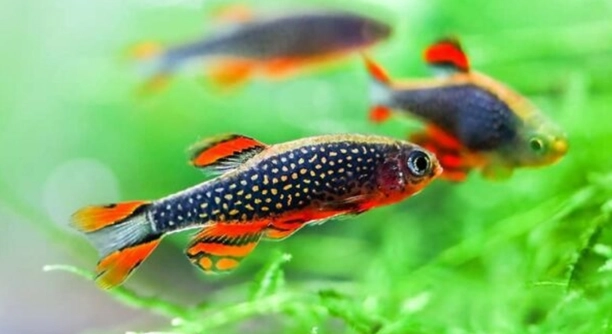
Danios are popular freshwater fish known for their active behavior and vibrant colors. Many aquarium enthusiasts enjoy keeping them, but distinguishing males from females can sometimes be tricky, especially when they are young or not fully grown.
Male danios typically display slimmer bodies and more vivid coloration compared to females. Females often have rounder abdomens and a slightly larger size, particularly when gravid. Observing body shape, color intensity, and fin characteristics provides reliable indicators for sex differentiation.
Knowing these differences makes it easier to maintain a healthy aquarium and ensure proper breeding practices for your fish.
Body Shape Differences
Male danios usually have a more streamlined, slender body that allows them to swim quickly and change direction with ease. Females, on the other hand, appear slightly rounder, particularly in the abdomen area. This is most noticeable when females are carrying eggs, giving them a fuller appearance from the side. Even when not gravid, females tend to maintain a wider midsection than males, which can help you distinguish between sexes at a glance. Paying attention to overall proportions, such as the width of the body compared to the length, is a reliable method for identification. Males often look more elongated, while females are gently curved and slightly heavier in the center. These differences become more pronounced as the fish mature. Observing your danios in calm conditions will make these features easier to notice. Comparing multiple fish side by side also highlights these distinctions clearly, making sexing simpler.
Slender bodies with vibrant fins indicate males, while fuller, rounder abdomens usually mark females.
Recognizing body shape is essential not only for distinguishing sex but also for ensuring proper tank conditions. Females with rounder abdomens may need slightly more space or a different diet to stay healthy. Monitoring these features regularly can prevent stress and promote natural behavior. In mixed groups, being able to tell males from females helps maintain balanced interactions, as males may chase females more aggressively. Over time, noticing these subtle shape differences becomes easier, making tank management more straightforward.
Coloration Patterns
Males generally exhibit brighter, more vivid colors that stand out against the tank background, while females show paler or muted tones.
Male danios’ coloration is not only for appearance but also serves to attract females and establish dominance. Males often display intense blue, gold, or red hues along their bodies and fins. Females are less striking, with softer shades and less contrast between fins and body. Observing how colors change during feeding or social interaction can give additional clues; males may flare their fins or deepen their color when competing for attention, while females remain calmer in tone. Environmental factors such as lighting and water quality can affect these colors, so consistency helps in accurate identification. By noting the combination of coloration, fin display, and body shape together, distinguishing males from females becomes more reliable. Even subtle shifts in shade can indicate maturity and readiness for breeding, providing insight into their health and well-being. Paying attention to these details can improve breeding outcomes and overall tank harmony.
Fin Shape and Size
Males often have longer, more pointed fins, especially the dorsal and anal fins. Females’ fins are shorter and more rounded, appearing softer and less dramatic in movement.
Long, pointed fins in males help them display during courtship and assert dominance among other males. The caudal fin of a male is usually more forked, aiding in agile swimming. Females’ fins are functional but less pronounced, giving them a more compact silhouette. Observing fin behavior while the fish swim can help distinguish males from females, as males tend to flare their fins more frequently.
In group settings, males use fin displays to communicate and attract mates. These movements make males look larger and more dominant, while females remain understated. Tracking these differences over time makes identification consistent and easier, especially when combined with body shape and coloration observations.
Size and Growth Patterns
Females are generally slightly larger and have rounder bodies as they mature.
Size differences become more noticeable as the fish reach sexual maturity, usually around six months. Females often appear bulkier due to egg development, while males retain a leaner frame. The head and midsection of females may seem more substantial, giving them a heavier appearance even when swimming casually. These growth patterns are natural and indicate health and reproductive readiness. Tracking size progression over time provides a reliable way to distinguish sex without relying solely on color or fin shape.
Monitoring size also helps with tank management. Larger females may need more space or softer foods to maintain good health. Males’ smaller size allows them to be more active and agile, but overcrowding or pairing males together can increase stress. Observing both size and behavior together ensures better understanding of the group dynamics and proper care.
Behavior Differences
Males are generally more active and display chasing behaviors, especially around females. Females tend to swim calmly and avoid prolonged confrontations.
During feeding or social interaction, males often compete with each other, showing dominance through quick movements or nudging. Females stay more reserved, moving carefully around the tank.
Breeding Marks
Males sometimes develop small, subtle breeding tubercles on their fins and gill covers. These appear as tiny white spots and are usually temporary. Observing these marks helps identify mature males ready for spawning.
Belly Shape
Females have a noticeably rounder belly compared to males, which becomes more pronounced when carrying eggs. This feature is often the easiest visual clue when distinguishing sexes.
FAQ
How can I quickly tell a male Danio from a female?
Observing body shape and coloration is usually the fastest method. Males are slimmer with brighter colors, while females have rounder abdomens and softer tones. Fin shape can also help, as males often have longer, more pointed fins. Combining these features gives a reliable identification.
Do males always chase females?
Males tend to be more active and display chasing behavior, especially during feeding or when females are nearby. This is a natural social interaction and part of their breeding behavior. Females usually swim calmly, avoiding prolonged confrontations. This difference helps distinguish sex in a mixed group.
When do Danios show breeding tubercles?
Breeding tubercles appear on males, often on fins and gill covers, as tiny white spots. They are temporary and indicate sexual maturity. Observing these marks provides a clear sign that a male is ready for spawning. They usually appear during the breeding season or when males are competing for females.
Can size alone indicate sex?
Size is a helpful clue but should not be the only factor. Females are generally slightly larger and rounder, particularly around the abdomen, while males remain leaner. Tracking growth over time alongside fin shape, coloration, and behavior ensures more accurate identification of sex.
Do coloration differences change with age?
Yes, coloration becomes more pronounced as Danios mature. Males develop brighter hues to attract females and establish dominance. Females maintain softer, paler tones. Environmental conditions, lighting, and diet can influence how vivid the colors appear. Observing fish under consistent conditions makes these differences easier to identify.
Are fin shapes reliable for distinguishing sex?
Fin shape is a reliable indicator. Males have longer, pointed fins, particularly dorsal and anal fins, while females have shorter, rounded fins. Watching their swimming and interactions highlights these differences, as males often flare fins during display or dominance behavior.
Do females change appearance when carrying eggs?
Yes, females develop a fuller, rounder belly when gravid. This can be combined with softer coloration and shorter fins to distinguish them from males. Observing belly shape over time, especially in a group setting, provides a clear method to identify reproductive females.
Can behavior alone identify males and females?
Behavior offers strong clues but is most effective when paired with physical characteristics. Males are active, chase, and flare fins, while females are calmer and more reserved. Watching interactions over time helps confirm sex, particularly in mixed groups with multiple males and females.
Do environmental factors affect these differences?
Yes, water quality, lighting, and tank conditions influence coloration, activity, and health. Poor conditions may mute colors, slow behavior, or make fins appear damaged. Maintaining a stable environment ensures sex differences are visible and fish remain healthy.
How accurate is combining multiple traits for sex identification?
Using body shape, coloration, fin shape, size, and behavior together gives the most accurate results. Observing several traits reduces mistakes and provides a consistent method for identifying males and females, even when some features are subtle.
Is it possible for juveniles to be misidentified?
Yes, young Danios often lack pronounced differences, making it difficult to distinguish sex. Slimming down, fin length, and coloration may not be fully developed. Patience and repeated observation as they mature is the best approach for accurate identification.
Can diet influence appearance or behavior?
A balanced diet affects health, coloration, and activity. Males with proper nutrition display brighter colors, and females maintain healthy body shape. Poor diet can dull colors and affect size, making sex differences harder to spot. Regular feeding and quality food support natural traits.
Do all species of Danio show the same differences?
Most common Danio species, like the Zebra Danio, show similar sex traits. However, minor variations exist between species, particularly in fin shape and coloration intensity. Observing multiple fish within the same species ensures more accurate identification.
Is it necessary to separate males and females?
Separating is only needed for breeding control or to prevent aggressive chasing in crowded tanks. Otherwise, balanced groups allow natural interactions. Monitoring behavior helps prevent stress, ensuring both males and females remain healthy in shared environments.
How long does it take to reliably distinguish sex?
Observing fish for several weeks, noting body shape, coloration, fin structure, size, and behavior, provides the most reliable results. Juveniles may take longer to show clear differences. Consistent monitoring under stable tank conditions ensures accurate sex identification.
Can multiple males in a tank cause problems?
Yes, males often compete aggressively for females, chasing and flaring fins. Overcrowding can stress fish and reduce overall health. Maintaining a balanced ratio of males to females and providing space reduces aggression and promotes natural behavior.
Are visual cues enough for breeding purposes?
Visual cues are usually sufficient to pair males and females for breeding. Males’ bright colors, fin displays, and active behavior combined with females’ rounder bodies indicate readiness. Observing these traits helps select appropriate pairs without invasive methods.
Do females ever display male characteristics?
Rarely, females may show slightly brighter colors or minor fin elongation, but the differences are subtle. Overall body shape and behavior remain reliable identifiers, preventing confusion when these minor variations occur.
How often should I check for sex differences?
Regular observation, at least once a week, helps track growth, behavior, and appearance. This ensures sex differences are noted early, particularly as fish mature. Frequent monitoring allows adjustments in tank management, feeding, and breeding practices to support healthy Danios.
Is sex identification important for tank health?
Yes, knowing males and females ensures balanced interactions and reduces stress from aggression. It also allows for controlled breeding, proper diet management, and better understanding of social dynamics within the tank. Accurate identification improves the overall well-being of your fish population.
Can I use all methods together?
Combining body shape, coloration, fin size, size differences, belly shape, and behavior provides the most reliable identification. Observing multiple traits simultaneously reduces mistakes, even in juveniles or less vivid specimens. Consistency in monitoring helps maintain healthy and well-organized groups of Danios.
How do I start observing differences effectively?
Begin with a calm tank environment and note each fish’s physical traits. Compare multiple individuals, track changes over time, and observe interactions. Recording observations can help identify subtle differences. Patience and consistent observation are key to reliably distinguishing males from females.
What should I do if I am unsure?
Continue monitoring physical and behavioral traits until differences become more pronounced. Avoid making quick assumptions, particularly with juveniles. Observing over weeks ensures accuracy and prevents misidentification that could affect breeding or tank management.
Are there tools to help with identification?
While no special tools are required, a magnifying glass or good lighting can help see fine details like tubercles or fin edges. Clear observation and note-taking are usually sufficient for accurate sexing of Danios.
Does temperature or season affect traits?
Temperature and seasonal changes can influence behavior and breeding readiness. Males may display more vividly during warmer periods, while females develop a fuller belly when eggs are ready. Stable tank conditions help maintain consistent traits for identification.
Can Danios be sexed visually at birth?
No, juveniles are too small, and sexual differences are not yet visible. Waiting until they develop body shape, coloration, and fin characteristics is necessary. Early observation helps track growth but cannot reliably determine sex until maturity.
How do I combine behavior and physical traits?
Watch swimming patterns, chasing, fin flaring, and interactions alongside body shape, coloration, and size. Males are active and display dominance; females are calmer with rounder bodies. Using all these indicators together provides the clearest distinction between sexes.
Does stress affect sex traits?
Yes, stressed fish may lose coloration, display less fin flare, or have reduced activity. Stress can make sex differences less obvious. Maintaining a healthy, stable tank environment ensures that natural traits are visible and fish remain healthy.
Can misidentifying sex affect breeding success?
Yes, pairing the wrong sex can prevent successful spawning. Accurate identification ensures proper male-female pairs and reduces wasted effort. Observing multiple traits and monitoring readiness improves breeding outcomes and reduces unnecessary stress on the fish.
Is it common for male Danios to be aggressive?
Yes, aggression is typical among males, especially when competing for females. Chasing, fin flaring, and nudging are natural behaviors. Balanced male-to-female ratios and adequate tank space minimize stress and maintain peaceful interactions.
How long should I watch before confirming sex?
Several weeks of observation are recommended. Tracking changes in body shape, coloration, behavior, and fin development ensures accurate identification. Juveniles may require longer periods to display distinct traits clearly.
Can females show fin flare like males?
Females rarely flare fins like males. Their fins are shorter and rounded, and behavior remains calmer. Observing fin movements alongside other physical traits confirms sex reliably.
Do males show brighter colors year-round?
Males usually maintain brighter colors as adults, but intensity may fluctuate slightly with health, lighting, and environmental conditions. Consistent observation ensures accurate identification and monitoring of their well-being.
Should I separate sexes for observation?
Not necessarily unless breeding or aggression is a concern. Observing fish in a mixed group helps track natural behaviors while still allowing you to identify sex through physical traits and interactions.
Can I rely solely on coloration?
Coloration alone is not entirely reliable. Combining color, body shape, fin size, behavior, and belly shape provides the most accurate method for distinguishing males from females. Environmental factors can affect color intensity, so other traits remain important.
How do I track changes over time?
Regular notes on size, body shape, fin length, color, and behavior help track development. Comparing past observations with current appearances reveals clear sex differences as fish mature. Consistent tracking supports accurate identification and better tank management.
Does feeding affect male and female appearance?
Proper nutrition supports healthy size, coloration, and fin condition. Well-fed males display brighter colors, and females maintain a full, healthy belly. Poor feeding can mask differences, making sexing more difficult. A balanced diet ensures clear, visible traits for identification.
Can visual observation detect breeding readiness?
Yes, males’ color intensity and fin display, combined with females’ rounder belly, indicate sexual maturity. Observing these traits helps plan spawning without invasive methods, ensuring natural reproductive behavior.
Is it possible to misidentify due to lighting?
Yes, poor lighting can dull colors and obscure fin details. Consistent, adequate lighting improves visibility, making identification of males and females more reliable and reducing mistakes.
Do males fight more during breeding periods?
Yes, males become more competitive when females are ready to spawn. Increased chasing, flaring, and nudging are normal behaviors. Observing these interactions alongside physical traits helps confirm sex accurately.
How do I confirm a juvenile’s sex later?
Watch the fish as it matures, noting body shape, fin length, coloration, size, and behavior. Differences become more pronounced over time, allowing accurate sex determination once the fish reach sexual maturity.
Are visual methods stressful for the fish?
No, careful observation from outside the tank causes minimal stress. Avoid chasing or handling fish unnecessarily. Calm, consistent observation ensures accurate sex identification without disturbing their routine.
Do all males have the same color intensity?
Color varies by individual and environmental conditions. Some males naturally display slightly less vivid hues. Observing several traits together prevents mistakes caused by variations in individual coloration.
How do I combine multiple tanks for observation?
Compare traits across all tanks under consistent conditions. Look at body shape, fin size, coloration, and behavior to identify patterns. Cross-tank comparisons help confirm sex even when individual fish are less distinct.
Can stress or illness mimic female traits?
Yes, stress or poor health can dull male coloration, reduce fin flare, and make the body appear less streamlined. Maintaining a healthy environment ensures that sex differences remain clear and observable.
What is the best approach to ensure accuracy?
Use a combination of body shape, coloration, fin characteristics, belly shape, size, and behavior. Observe over time in stable conditions. Recording observations and comparing multiple fish provides reliable identification for both males and females.
Are visual methods enough for breeding selection?
Yes, observing males’ bright colors, fin displays, and activity alongside females’ rounder bodies allows confident selection for spawning. This method avoids handling stress and supports natural mating behavior.
How do I maintain consistency in observation?
Check fish at the same time each day, under similar lighting, and record findings systematically. Consistency ensures changes are noted accurately, helping distinguish sex reliably.
Can environmental enrichment affect sex displays?
Providing hiding spots, plants, and swimming space allows males to display naturally and reduces stress for females. Enrichment promotes natural behavior and makes sex differences easier to observe.
How do I prevent misidentification in young groups?
Observe juveniles until physical traits mature. Focus on gradual changes in body shape, fin length, and coloration. Avoid assumptions and wait until traits become pronounced for accurate sex identification.
Does water temperature influence color intensity?
Yes, optimal temperatures support bright male coloration and healthy female body shape. Extreme or inconsistent temperatures can dull colors, making visual identification more difficult. Stable conditions are important.
Are behavioral differences consistent across all Danios?
Most Danio species show similar patterns: males are active, chase, and flare fins, while females remain calmer. Minor variations exist, but observing behavior along with physical traits remains a reliable identification method.
Is it necessary to observe all traits simultaneously?
Simultaneous observation improves accuracy. Looking at body shape, fins, color, belly, size, and behavior together prevents mistakes that could arise from relying on a single trait, especially in juveniles or less vivid individuals.
Can lighting and reflection affect fin observation?
Yes, reflections or low light can distort fin appearance. Observing under clear, consistent lighting ensures correct identification of fin length, shape, and displays.
Does the sex ratio in a tank affect behavior?
Yes, a high number of males increases chasing and aggression. Balanced male-to-female ratios reduce stress and allow natural social behavior, making sex differences easier to observe.
Can females be aggressive?
Females are generally calmer but may chase smaller males or compete for food. Their aggression is minimal compared to males, making behavior differences a reliable clue for sex identification.
How can I track differences in a large group?
Divide the group mentally or in notes, comparing individuals’ shape, color, fin length, belly size, and behavior. Systematic tracking ensures reliable identification even in larger tanks.
Do males show fin flare outside breeding periods?
Yes, males may flare fins during feeding or mild competition. However, intensity is usually greater during mating periods, making it a useful indicator for sex identification when combined with other traits.
Can diet enhance coloration in males?
A nutrient-rich diet supports brighter male colors and healthy fin growth. Proper feeding ensures visual differences between males and females are noticeable, aiding reliable identification.
Are there any permanent markers for sex?
Breeding tubercles are temporary, while body shape, fin length, and coloration remain reliable over time. Observing multiple traits provides lasting indicators for distinguishing males and females.
Do males show more territorial behavior?
Yes, males often assert dominance through chasing and displaying fins. Females are less territorial. Noticing these patterns alongside physical differences confirms sex consistently.
Is it necessary to separate fish for accurate identification?
Not always, but observing individuals in smaller groups or calm conditions may help notice subtle differences in fins, color, and behavior more clearly.
Can stress mimic female traits in males?
Yes, stressed males may appear duller and less active. Monitoring health and providing a stable tank environment ensures natural sex traits remain visible.
Do older Danios show clearer differences?
Yes, as fish mature, body shape, coloration, and fin length become more pronounced, making sex identification easier and more reliable compared to juveniles.
How long should I watch interactions to distinguish sex?
Observing over several weeks allows subtle behavioral and physical traits to emerge. Tracking patterns in movement, chasing, and fin display confirms sex reliably.
Can water quality impact visual sex traits?
Yes, poor water quality can dull coloration, damage fins, and reduce activity, making males and females harder to distinguish. Maintaining clean, stable water highlights natural differences.
Do males ever change color when stressed?
Yes, stressed males can appear paler or lose fin vibrancy. Monitoring environmental conditions ensures accurate observation of natural sex traits.
Are belly differences permanent?
Females’ rounder abdomens are more noticeable when carrying eggs but generally remain fuller than males. This feature helps in long-term identification and breeding assessment.
Does fin flare indicate dominance only?
Fin flare serves both dominance and mating displays in males. Observing frequency and intensity alongside color and body shape provides clear identification cues.
Can juvenile males be distinguished from females early?
Not reliably. Juveniles lack pronounced fins, coloration, and body shape differences. Observing traits as they mature ensures accurate sexing.
Are there seasonal differences in behavior?
Yes, males become more active during breeding periods, while females develop fuller abdomens. Monitoring across seasons improves accuracy in sex identification.
Can I rely on one trait alone?
No, relying on a single trait can lead to misidentification. Using body shape, fin length, color, behavior, and belly shape together ensures reliable results.
Do all males develop breeding tubercles?
Most do, but the intensity and visibility can vary by individual and species. Observing multiple traits remains the most reliable method for identification.
Is observation without handling better?
Yes, visual monitoring reduces stress and provides accurate information without disturbing the fish. Handling should be avoided unless necessary for health checks.
Can females develop similar coloration as males?
Rarely, females may show slight color intensity, but body shape, behavior, and fin structure remain distinguishing factors.
Do males become more aggressive with age?
Aggression can increase as males reach maturity, especially when competing for females. Observing interactions over time ensures accurate identification and balanced tank management.
How do I handle ambiguity in juveniles?
Wait until traits become pronounced, track multiple indicators, and observe consistently. Patience is key for accurate identification and preventing misclassification.
Are visual methods enough for long-term care?
Yes, combined with observation of behavior, coloration, and physical traits, visual methods support healthy care and management of both male and female Danios.
Can environmental changes affect sex display?
Yes, lighting, temperature, and water quality can influence color intensity, activity, and fin displays. Stable conditions are essential for accurate observation and reliable sex identification.
Do males compete more in small tanks?
Yes, limited space increases chasing and fin displays. Providing adequate swimming room reduces stress and helps maintain natural behaviors for identification.
Are belly shape differences always visible?
Generally
Final Thoughts
Identifying male and female Danios can feel tricky at first, but paying attention to consistent physical traits and behavior makes it much simpler. Males are generally slimmer, with more vibrant coloration and longer, pointed fins, while females are slightly larger, rounder in the abdomen, and have softer colors. Observing body shape, fin structure, and belly shape together provides the clearest indication of sex. Behavior also plays a key role. Males tend to be more active, chase other fish, and flare their fins to show dominance, while females swim calmly and avoid confrontation. Combining these visual and behavioral cues allows for accurate identification without the need for handling the fish, which helps reduce stress and maintain a healthy tank environment. Watching the fish over time is important, as juveniles may not show clear differences until they mature.
Understanding these differences is not only useful for identifying sexes but also for managing tank dynamics. Male Danios can become competitive, especially in groups with multiple males and few females, so recognizing who is who can help prevent stress and aggression. Providing enough space, hiding spots, and a balanced male-to-female ratio keeps the tank peaceful and allows natural behaviors to occur. Females with fuller abdomens may need slightly different feeding or additional care to remain healthy, especially if they are carrying eggs. Tracking size, color, and behavior over time can also provide insights into their overall health. Paying attention to these traits ensures a harmonious environment where both males and females can thrive.
Accurate sex identification is especially valuable for breeding purposes. Selecting males with bright colors, long fins, and active behavior, paired with females showing rounder abdomens and calm demeanor, increases the chances of successful spawning. Even small details, such as the presence of breeding tubercles on males, can provide helpful cues for readiness. Monitoring all these factors over time allows for proper care and better understanding of social dynamics within the tank. Ultimately, combining observation of physical traits, behavior, and environmental conditions creates a reliable method for telling male Danios from females. With patience and careful attention, identifying the sexes becomes a straightforward process, supporting healthier fish and a more balanced, enjoyable aquarium.

Hello,
If you enjoy the content that we create, please consider saying a "Thank You!" by leaving a tip.
Every little bit helps us continue crafting quality advice that supports the health, happiness, and well-being of pets around the world, for pets of all shapes, sizes, and species.
We really appreciate the kindness and support that you show us!