
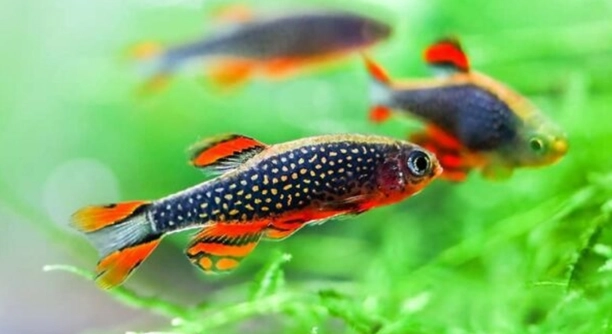
Do you enjoy keeping a lively aquarium filled with colorful fish, only to notice your tank feels more crowded than expected? Adding more danios might seem harmless, but too many can disrupt the balance of your aquatic environment.
Overstocking a tank with danios can lead to stress, aggression, and reduced water quality. Excessive numbers of these active fish increase competition for resources, affect growth rates, and may result in higher disease susceptibility within the aquarium.
Learning to recognize the signs of overpopulation will help maintain a healthy, harmonious tank. Proper observation ensures your danios thrive and your aquarium remains vibrant and balanced.
Increased Aggression Among Danios
When you add too many danios to a tank, their natural schooling behavior can turn into aggressive interactions. These fish are generally peaceful in small numbers, but overcrowding leads to frequent chasing, nipping, and stress-related behavior. This stress can weaken their immune systems, making them more susceptible to disease. Overcrowding also affects feeding patterns, as dominant fish may prevent others from accessing food, causing uneven growth. In extreme cases, aggression can result in injuries that may become infected or fail to heal. Tank decorations and hiding spots can help, but they are not a complete solution when the population is too high. Maintaining an appropriate ratio of danios to tank size ensures calmer behavior and a healthier environment. Observing their interactions regularly allows you to intervene before serious problems arise. Adjusting the number of fish and monitoring water quality are essential steps to keeping peace among your danios.
Overcrowded tanks increase fights and stress, which directly impact health and growth rates.
Keeping aggression under control requires careful observation, consistent maintenance, and timely adjustments to the number of fish. Ensuring that each fish has space reduces conflicts and promotes overall well-being. By monitoring behavior and population density, you can create a more balanced and peaceful tank environment, which is critical for long-term aquarium stability.
Decline in Water Quality
Adding too many danios quickly overwhelms the filtration system. Waste production increases as more fish occupy the same space, leading to higher ammonia and nitrate levels. Poor water quality causes stress and makes your fish prone to illness, affecting their lifespan and vitality. Regular testing becomes critical to detect dangerous spikes, but even frequent water changes may not fully compensate for overstocking. Uneaten food adds to the problem, further degrading water conditions. Signs such as cloudy water, algae growth, or strong odors indicate that your tank is struggling. Maintaining proper stocking levels allows the filtration system to manage waste effectively and keeps the tank environment stable. A clean, well-maintained tank reduces disease risks and supports healthy growth for all inhabitants, including plants that rely on balanced water chemistry. Overcrowding disrupts the delicate balance required for an aquarium to thrive, making proper population control essential.
Proper maintenance alone cannot offset the effects of too many fish.
Monitoring water chemistry, limiting fish numbers, and scheduling consistent water changes are key to maintaining clarity and safety. Even with high-quality filtration, overstocked tanks cannot sustain stable conditions. By keeping populations in check, you allow natural cycles to function, support beneficial bacteria, and prevent the accumulation of toxins. Observing water parameters regularly and adjusting feeding habits help preserve a healthy environment. Ensuring adequate space for all fish and plants promotes a balanced ecosystem, reduces stress, and enhances overall vitality. This approach not only improves water quality but also supports the long-term health and activity of your danios.
Stunted Growth
Overcrowding can limit growth in danios. Competition for food increases, and some fish may not get enough nutrition, slowing their development. Limited space also restricts movement, which affects muscle and bone growth.
When danios do not have enough room to swim freely, their physical development suffers. Crowded tanks force fish to expend energy avoiding others rather than exploring and feeding efficiently. Smaller or weaker fish often lose out, which can lead to uneven growth across the population. Over time, this stress can weaken immune systems, making fish more prone to disease and reducing overall vitality. Maintaining proper population density ensures each fish receives sufficient nutrition and space for normal growth.
Restricted movement in a tight tank further impacts growth and health. Fish require adequate swimming space to exercise their muscles and maintain proper metabolism. Overcrowding also stresses social hierarchies, making feeding more competitive and uneven. Even with high-quality food and careful monitoring, too many fish in a confined space cannot develop optimally. Adjusting tank population allows growth rates to normalize and ensures a balanced, healthy aquarium. Proper stocking is critical for both the well-being of individual fish and the long-term stability of the tank ecosystem.
Increased Disease Risk
Overpopulated tanks create higher chances of disease spreading quickly. Stress and poor water quality weaken fish defenses, making infections more likely.
When too many danios occupy a tank, pathogens such as bacteria, fungi, and parasites find an easier route to spread. Frequent physical contact and shared resources accelerate transmission, and stressed fish are less able to resist infections. Diseases like fin rot, ich, and fungal infections become more common under these conditions. Early detection is essential, but prevention through proper stocking is more effective. Monitoring behavior, appearance, and water quality reduces the likelihood of outbreaks. Adjusting fish numbers allows the aquarium environment to maintain a balance that supports natural immunity.
Disease outbreaks are often linked to overcrowding rather than just pathogens. Fish in dense populations experience continuous stress, which compromises immune responses and makes even minor injuries dangerous. High stocking densities also complicate treatment, as medicating a large group without harming water chemistry or plants is challenging. Preventing overpopulation ensures each fish has enough space and resources, reducing stress and exposure to pathogens. Regular cleaning, proper filtration, and balanced diets complement population control to maintain a healthy, disease-resistant aquarium environment. These measures collectively safeguard both the individual fish and the overall ecosystem.
Excessive Waste
Overcrowded tanks produce more waste than the filtration system can handle. Uneaten food and fish excrement accumulate, leading to poor water conditions and increased ammonia and nitrate levels.
High waste levels stress fish and encourage algae growth. Maintaining proper population density helps manage water quality and keeps the tank environment healthy for all inhabitants.
Reduced Oxygen Levels
Too many danios in a tank can quickly deplete oxygen, especially during warm temperatures or in poorly aerated setups. Fish may gasp at the surface or become lethargic. Ensuring adequate space and proper aeration prevents oxygen shortages and supports healthy respiration.
Disrupted Social Behavior
Overcrowding affects natural social patterns. Dominance hierarchies become unstable, causing constant chasing, stress, and uneven access to food. Fish may appear restless or withdrawn. Maintaining proper stocking levels allows danios to interact normally, reducing stress and promoting balanced social behavior.
Algae Overgrowth
Excess nutrients from overcrowded tanks often lead to algae blooms. Algae can cover decorations, plants, and tank walls, disrupting the visual appeal and balance of the aquarium. Regular maintenance and proper stocking help control nutrient levels and prevent excessive algae growth.
How many danios should I keep in my tank?
The ideal number of danios depends on the tank size. A general rule is one inch of fish per gallon of water, but danios are active swimmers and need extra space. For a 20-gallon tank, 6–8 danios is usually safe. Overcrowding increases stress, aggression, and disease risk, so maintaining proper density is essential for a healthy aquarium. Providing enough swimming space helps fish grow properly, eat evenly, and interact naturally without constant competition.
What are the signs that I have too many danios?
Too many danios show several noticeable signs. Aggression and chasing become frequent. Growth may be uneven as smaller fish struggle to compete for food. Water quality deteriorates faster, indicated by cloudy water, algae blooms, or strong odors. Fish may appear stressed, lethargic, or gasp at the surface due to low oxygen. Observing these behaviors allows you to take corrective measures before long-term damage occurs. Regular monitoring of both fish and water parameters is important for detecting overpopulation early.
Can I reduce the number of danios without harming them?
Yes, reducing the number of danios can be done safely. One option is finding a new tank or responsible owner who can provide proper care. Moving fish gradually and minimizing stress is critical. Avoid sudden changes to water conditions or overcrowding in the new location. Proper acclimation involves slowly mixing water from the new tank to prevent shock. Reducing numbers improves water quality, decreases aggression, and allows remaining fish to thrive.
How does overcrowding affect danio health?
Overcrowding affects health in multiple ways. Fish experience chronic stress, which weakens their immune systems. Higher waste levels increase ammonia and nitrate, further harming fish. Disease spreads faster in dense populations, and injuries from chasing or nipping take longer to heal. Growth may be stunted, and lethargy becomes common. Maintaining appropriate numbers allows for normal development, proper feeding, and lower disease risk. Healthy water conditions and adequate space are crucial for long-term fish vitality.
What can I do to prevent overpopulation?
Preventing overpopulation starts with careful planning. Research tank capacity before adding fish and consider adult size. Avoid impulsive purchases, and only add new fish when the tank can comfortably support them. Quarantine new fish to prevent disease introduction and monitor growth rates. Regular maintenance, such as water testing and cleaning, helps identify early signs of overcrowding. Ensuring proper tank decorations and hiding spaces also reduces stress and aggression, supporting a balanced and sustainable aquarium environment.
Is it possible to correct water quality issues caused by too many danios?
Yes, water quality can be corrected, but reducing fish numbers is often necessary for long-term improvement. Frequent water changes and effective filtration temporarily improve conditions. Testing ammonia, nitrate, and nitrite levels helps track progress. Removing uneaten food and controlling feeding prevents additional buildup. After adjusting stocking density, the tank stabilizes more easily, reducing stress on fish. Combining proper population control with consistent maintenance ensures clear, balanced water and a healthier environment for all inhabitants.
How do I monitor danio behavior for overcrowding?
Monitoring behavior requires daily observation. Look for excessive chasing, nipping, and hiding. Uneven feeding, where some fish do not eat, is another sign. Lethargy, gasping, or unusual swimming patterns indicate stress. Keeping a log of water parameters alongside behavioral observations helps identify issues early. Maintaining the correct fish-to-tank ratio and providing sufficient space allows natural schooling behavior, minimizing aggression and stress. Regular observation ensures long-term health and stability in the aquarium.
Can tank decorations help with overcrowding issues?
Decorations provide hiding spots and break lines of sight, which reduces minor conflicts, but they cannot fully solve overcrowding. Fish still need sufficient swimming space and proper population density. Decorations are helpful for social balance and reducing stress but should be combined with controlling fish numbers and maintaining water quality. Proper layout ensures both enrichment and sufficient free space for active danios. Overcrowding remains a problem if tank limits are exceeded, regardless of decorations.
How often should I test water in a densely stocked tank?
In a densely stocked tank, water testing should be more frequent, ideally every 2–3 days for ammonia, nitrite, and nitrate. Frequent monitoring detects spikes early, allowing timely interventions such as water changes or filtration adjustments. Overcrowded conditions create rapid changes in water chemistry, so regular testing is crucial. Proper testing ensures fish health and maintains a stable, balanced environment. Regular observation of both water parameters and fish behavior is essential in preventing long-term issues from overpopulation.
Are smaller tanks better for danios if I want more fish?
Smaller tanks are not suitable for keeping more danios. Danios are active swimmers and need plenty of space. Crowding them in small tanks increases stress, aggression, and disease risk. Larger tanks allow schooling behavior, normal growth, and proper oxygen levels. Tank size should always match the number of fish to ensure a healthy and balanced environment. Overestimating capacity leads to problems that no amount of maintenance can fully correct.
What long-term effects can occur if overpopulation continues?
Long-term overpopulation leads to stunted growth, chronic stress, weakened immune systems, and higher mortality rates. Water quality continues to deteriorate, creating an environment prone to disease outbreaks. Fish behavior becomes abnormal, with constant aggression and disrupted social hierarchies. Even with regular cleaning, the stress of overcrowding affects overall vitality. Proper stocking, maintenance, and observation are essential to prevent these consequences and ensure sustainable aquarium health.
How do I safely introduce new danios without overstocking?
Introduce new danios gradually and ensure tank capacity can accommodate them. Quarantine newcomers to avoid disease. Add only a few fish at a time, and monitor behavior and water quality closely. Adequate acclimation reduces stress and allows existing fish to adjust. Avoid impulsive purchases that exceed tank limits, as this can quickly lead to overcrowding and its associated problems. Proper planning ensures a harmonious and healthy environment for all danios.
Maintaining a healthy aquarium requires careful attention to the number of fish you keep, especially with active species like danios. These fish are energetic swimmers, and overcrowding can quickly disrupt the balance of your tank. Too many danios can cause aggression, stress, and uneven growth, which directly affect their health and well-being. Overpopulated tanks also create more waste, leading to poor water quality and higher risks of disease. By keeping the number of danios appropriate for your tank size, you ensure that each fish has enough space to swim, feed, and interact naturally. Proper population control is a fundamental part of responsible fishkeeping and is essential for maintaining a stable, thriving aquarium.
Observing your fish regularly helps identify early signs of overcrowding before serious problems occur. Watch for behaviors such as constant chasing, nipping, or hiding, as well as uneven feeding or gasping at the water surface. These behaviors indicate stress or competition for resources. Monitoring water quality is equally important. High levels of ammonia, nitrites, and nitrates can harm fish and are often a result of overstocking. Routine water testing, consistent cleaning, and effective filtration are all necessary to maintain a healthy environment. Combining these practices with a balanced number of fish ensures a tank that is both visually appealing and biologically stable. Taking preventive steps to avoid overcrowding saves time, reduces stress for the fish, and improves overall aquarium management.
Managing the number of danios in your tank is not only about space but also about long-term health and stability. Overcrowding can have lasting effects, from stunted growth to recurring health issues, that may be difficult to reverse. A properly stocked tank encourages natural behaviors, reduces aggression, and allows each fish to thrive. Planning ahead before adding new fish, providing hiding spots, and adjusting population levels when necessary are all practical strategies. Maintaining a balanced aquarium supports not only the fish’s physical health but also the visual and ecological harmony of the tank. Consistently applying these practices ensures that your danios live in a safe, active, and healthy environment for years to come.

Hello,
If you enjoy the content that we create, please consider saying a "Thank You!" by leaving a tip.
Every little bit helps us continue crafting quality advice that supports the health, happiness, and well-being of pets around the world, for pets of all shapes, sizes, and species.
We really appreciate the kindness and support that you show us!