
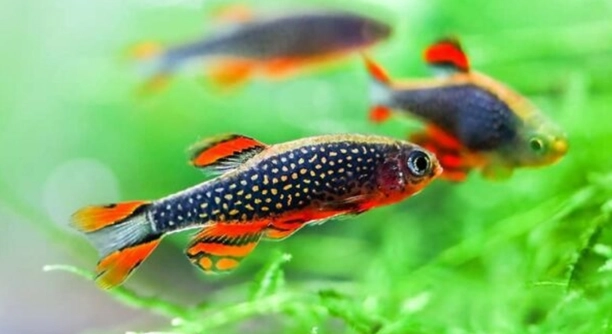
Are your Danio fish not breeding as successfully as you expected? Many hobbyists face frustration when their tanks fail to provide ideal conditions for spawning and healthy fry growth, even with careful attention to daily care routines.
The most frequent mistakes that disrupt Danio breeding conditions include improper water temperature, inconsistent lighting, overcrowding, poor nutrition, insufficient hiding spaces, inadequate filtration, and neglecting regular water changes. Correcting these factors is essential for successful reproduction and healthy fry development.
Understanding these common mistakes will help improve breeding success and promote a stable, thriving environment for your Danio fish to flourish naturally. Proper care ensures both adult fish and fry remain healthy.
Overcrowding in the Tank
Keeping too many Danio fish in a single tank is a common mistake that disrupts breeding. Overcrowding leads to stress, aggression, and competition for resources, all of which reduce spawning activity. Fish may hide more or chase each other, leaving less energy for mating behaviors. The water quality can also deteriorate faster when there are too many fish, increasing ammonia and nitrite levels. High waste levels create an unstable environment that discourages fry survival. Even small tanks can quickly become crowded, especially if new fish are added without adjusting filtration or space. It’s important to monitor population density and ensure the tank size suits the number of adult fish. A spacious environment with clear swimming areas promotes natural behaviors, allowing Danios to court and spawn more successfully.
Reducing the number of fish or increasing tank space can significantly improve breeding success. Less stress equals more spawning activity.
Providing ample space and maintaining clean water is crucial. Adding plants or breeding mops offers hiding spots for fry and reduces aggression among adults, improving overall breeding outcomes.
Improper Water Temperature
Danio fish require a stable temperature for optimal breeding. Temperature fluctuations or levels outside the ideal range can halt spawning and reduce egg viability. Maintaining water between 22°C and 26°C is generally recommended for most Danio species. Sudden drops or rises can stress the fish, making them less likely to breed. Using a reliable heater and thermometer helps keep the water consistent.
Consistency is key, as even small fluctuations can impact breeding success.
Temperature directly influences metabolism and reproductive cycles. When water is too cold, Danios may become lethargic, and egg development slows. Too warm, and oxygen levels decrease, causing stress. A stable environment encourages natural behaviors like chasing and egg laying. Seasonal changes in tanks with room temperature water may require adjustments. Monitoring and adjusting gradually prevents shock. Additionally, pairing water temperature control with clean, filtered water ensures fry have the best survival chances. Regular testing and careful observation of adult fish behavior can indicate whether the current temperature supports healthy breeding.
Poor Nutrition
A diet lacking variety can prevent Danios from breeding successfully. Insufficient protein or vitamins weakens adults and lowers egg quality. Feeding only flakes or pellets without supplementing live or frozen foods reduces reproductive potential.
Providing a balanced diet is essential for healthy breeding. Live foods such as brine shrimp, daphnia, or bloodworms stimulate spawning and improve egg viability. Fry require finely crushed food or infusoria in early stages to ensure survival. Consistent feeding with nutrient-rich options strengthens adults and encourages natural mating behaviors. Neglecting proper nutrition slows growth, reduces energy for courtship, and increases susceptibility to disease. A planned feeding routine supports reproductive health.
In addition to protein-rich foods, including plant matter and high-quality flakes or pellets ensures a complete diet. Rotating food types prevents nutrient gaps and keeps fish active. Overfeeding should be avoided, as excess waste affects water quality and stresses adults. By maintaining both quality and quantity in feeding, breeding conditions improve naturally. Observing fish behavior during feeding can indicate if dietary needs are met, directly influencing spawning success.
Inadequate Hiding Spots
Danio fry and adults need places to retreat. Open tanks without plants or breeding mops increase stress and reduce spawning activity. Hiding spots protect eggs from being eaten and allow fish to behave naturally.
Adding live plants, floating moss, or breeding mops improves comfort. Adults feel secure, and fry have safe spaces to hide, increasing survival rates. Structured areas also reduce aggression and chasing that can harm eggs or fry. Proper placement of plants and decorations ensures open swimming areas while still providing cover.
Hiding spots also encourage natural behaviors like exploring, pairing, and laying eggs in protected zones. Dense plant coverage or fine-leafed vegetation simulates the environment Danios prefer in the wild. Breeding mops made from yarn or mesh offer egg-laying surfaces and reduce the risk of adults consuming eggs. Providing both horizontal and vertical cover creates multiple layers of security. Observing the fish’s interactions with these spaces allows adjustments to optimize breeding conditions. In well-structured tanks, fry have higher survival rates, and adults show more consistent spawning activity over time.
Inconsistent Lighting
Danios need a regular day-night cycle to maintain breeding rhythms. Too much light or prolonged darkness can disrupt spawning patterns and reduce activity.
Providing 10–12 hours of consistent light daily helps regulate natural behaviors. Timers are useful to avoid fluctuations that stress fish.
Poor Filtration
Inadequate filtration causes water quality to deteriorate quickly, raising ammonia and nitrite levels. Dirty water stresses adults and lowers fry survival rates. Proper filtration maintains clear water, removes toxins, and ensures a healthy environment. Regular maintenance and partial water changes support stable conditions that favor successful breeding.
Neglecting Water Changes
Skipping regular water changes allows waste and debris to accumulate. This creates an unhealthy environment, increasing stress and lowering egg viability for Danios.
How often should I change the water in my Danio breeding tank?
Water changes are crucial for maintaining stable conditions. For a breeding tank, changing 25–30% of the water once or twice a week is recommended. Smaller, more frequent changes prevent sudden fluctuations in water parameters that can stress adults and fry. Always use dechlorinated water at a similar temperature to the tank to avoid shock. Regular water changes remove excess waste and help maintain consistent pH and hardness levels, which are important for egg development. Even small accumulations of debris or uneaten food can impact water quality, so monitoring clarity and smell is essential.
What is the best diet for breeding Danios?
A varied diet ensures adults remain healthy and eggs develop properly. High-protein foods such as live or frozen brine shrimp, daphnia, and bloodworms stimulate spawning behavior. Supplementing with high-quality flakes or pellets provides essential vitamins and minerals. Fry need finely crushed food or infusoria in the first days after hatching to ensure survival. Rotating food types prevents deficiencies and keeps fish active. Avoid overfeeding, as leftover food decomposes and reduces water quality. Observing how adults respond to different foods can help determine the most effective diet to encourage breeding while maintaining health.
How do I know if my Danios are ready to breed?
Mature Danios show specific behaviors when ready to breed. Males become more colorful, chase females gently, and display courtship movements. Females develop a rounded abdomen filled with eggs. These signs usually appear when fish are healthy, well-fed, and in optimal water conditions. Observing interactions can indicate readiness: males often nudge or follow females, and females may respond by swimming among plants or breeding mops. Ensuring proper lighting, temperature, and hiding spaces supports these natural behaviors, making breeding more likely.
Can overcrowding affect breeding success?
Yes, overcrowding can significantly reduce spawning activity. Too many fish in a tank increases stress, competition for resources, and aggression. Stress lowers reproductive hormones, causing adults to ignore mating behaviors or even harm eggs and fry. Providing sufficient space per fish, typically around 2–3 liters per adult Danio, helps reduce conflict. Adding hiding spots and plants can further alleviate stress in moderately populated tanks. Overcrowding also impacts water quality, as waste accumulates faster, creating harmful conditions for both adults and fry.
Why is water temperature so important for Danio breeding?
Water temperature regulates metabolism and reproductive cycles in Danios. A stable range of 22–26°C is optimal for most species. Water that is too cold slows activity, while water that is too warm reduces oxygen levels and stresses the fish. Temperature fluctuations can delay or stop spawning entirely. Using a reliable heater and thermometer ensures the environment stays consistent. Gradual adjustments are safer than sudden changes. Observing how adults behave in response to temperature helps gauge suitability, as active chasing and egg-laying indicate favorable conditions. Stable temperature directly impacts egg viability and fry survival.
How can I protect the eggs and fry from adult Danios?
Adult Danios may eat their eggs if left unprotected. Using dense plants, breeding mops, or a separate breeding tank ensures eggs are safe. Fry can hide among fine-leafed vegetation or artificial structures to reduce predation. Removing adults after spawning is another method to improve survival rates. Maintaining clean water and adequate food for fry supports healthy growth and reduces stress that may lead to cannibalistic behavior. Observing interactions during and after spawning allows adjustments to habitat structure for optimal protection.
What common mistakes should I avoid when trying to breed Danios?
Common mistakes include overcrowding, poor water quality, inconsistent lighting, improper diet, lack of hiding spots, and fluctuating temperatures. Neglecting water changes or filtration can lead to toxic conditions that prevent spawning. Failing to provide nutritious food reduces egg quality and lowers fry survival. Monitoring each factor carefully helps create an environment conducive to healthy breeding. Paying attention to subtle behavior cues from adults can prevent issues before they impact reproduction. Consistent care and observation are key to successful Danio breeding.
How long does it take for Danio eggs to hatch?
Most Danio eggs hatch within 24–48 hours, depending on species and temperature. Warmer water accelerates development, while cooler water slows it. Fry are small and require infusoria or finely crushed food initially. Keeping water clean and stable is critical during this stage, as fry are highly sensitive to toxins or rapid environmental changes. Providing adequate hiding spots immediately after hatching reduces stress and improves survival rates. Monitoring hatching progress helps determine if adjustments in care are needed to support healthy fry development.
Can stress prevent Danios from breeding?
Stress is a major factor that can halt breeding. Poor water quality, overcrowding, inconsistent lighting, or aggressive tankmates reduce reproductive activity. Stress decreases courtship behaviors and can even cause adults to eat eggs. Creating a stable, well-structured environment with proper feeding, hiding spots, and clean water minimizes stress. Observing fish behavior regularly helps identify stressors early. Adjusting tank conditions and ensuring each fish has enough space supports natural breeding behaviors, improving overall success rates for both egg laying and fry survival.
Is it necessary to separate males and females before breeding?
Separating males and females temporarily is not always required but can encourage healthy spawning. Keeping them apart for a few days before introducing them together increases courtship activity. This method allows adults to build interest and reduces aggression. Once reintroduced, the pair is more likely to engage in chasing, nudging, and egg-laying behaviors. Proper environmental conditions, including temperature, lighting, and hiding spots, remain crucial for successful spawning. Observing interactions helps ensure separation and reintroduction are timed effectively, supporting both adult health and fry survival.
Breeding Danios successfully depends on consistent care, proper tank setup, and attention to their natural behaviors. Many issues that prevent successful spawning are easy to fix once identified, such as overcrowding, poor water quality, or inadequate nutrition. Ensuring the tank has enough space for adults to swim freely and hiding spots for both eggs and fry can make a significant difference. Providing a stable environment with consistent temperature, lighting, and filtration allows Danios to focus on natural courtship behaviors. Monitoring water parameters regularly is essential, as small changes can have a large impact on the health and reproductive readiness of the fish. Even experienced keepers can overlook factors that affect breeding, so staying attentive to the daily needs of the fish is always important.
A balanced and varied diet is also key to encouraging healthy breeding. Feeding live or frozen foods alongside high-quality flakes or pellets ensures adults receive sufficient protein and vitamins, which improves egg quality and increases spawning frequency. Fry require specialized food like infusoria or finely crushed flakes during the early days after hatching, so planning ahead for feeding needs is necessary. Overfeeding should be avoided, as leftover food increases waste and can compromise water quality. Observing fish behavior during feeding can also provide insight into overall health and readiness for breeding. Healthy, well-fed adults are more likely to display active courtship behaviors, chase and pair properly, and produce viable eggs.
Maintaining proper breeding conditions is a combination of several small but important steps. Regular water changes, careful temperature control, and ensuring adequate space and hiding spots all contribute to a stable environment that reduces stress and encourages natural behaviors. Paying attention to signs of readiness, such as changes in coloration, chasing, and abdominal rounding in females, can guide timing for breeding. Protecting eggs and fry from adults and providing a safe, clean area for early growth is critical for survival. By addressing these key factors consistently, Danio breeding becomes more predictable, and the chances of healthy fry reaching maturity are greatly improved. This approach not only supports successful reproduction but also promotes the long-term health and well-being of both adult fish and their offspring.

Hello,
If you enjoy the content that we create, please consider saying a "Thank You!" by leaving a tip.
Every little bit helps us continue crafting quality advice that supports the health, happiness, and well-being of pets around the world, for pets of all shapes, sizes, and species.
We really appreciate the kindness and support that you show us!