
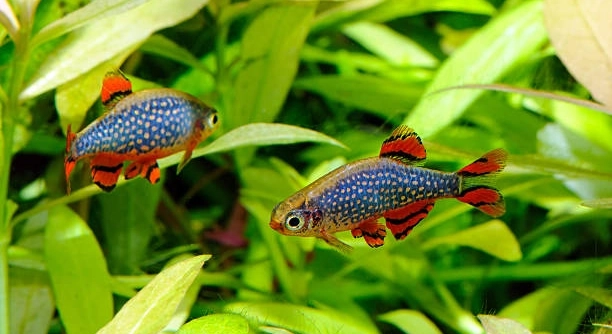
Are your danios swimming in tight clusters more often than usual? Overcrowding can happen quickly in small tanks, affecting their behavior and overall health. Recognizing the early signs is essential for maintaining a balanced aquatic environment.
Overcrowding in danio tanks can lead to increased stress, aggression, and disease. Fish may display erratic swimming, reduced growth, or fin damage. Monitoring population density and tank capacity is crucial to prevent long-term health issues among these active species.
Understanding these warning signs allows you to act promptly and create a healthier space for your danios to thrive and enjoy their environment.
Increased Aggression Among Danios
When danios are crowded, their natural schooling behavior can turn stressful, leading to aggression. You may notice chasing, nipping, or constant sparring between fish. Aggressive interactions are not just stressful—they can cause injury, torn fins, and even long-term health problems. Overcrowded tanks limit hiding spaces, which increases tension. This behavior is often subtle at first, but it can escalate quickly. Even calm fish may become territorial, especially during feeding. Maintaining proper tank space and monitoring group dynamics helps prevent conflict. Adjusting decorations, plants, or adding floating cover can reduce stress and give each fish a sense of territory. Observing interactions regularly allows you to intervene before problems worsen. Remember, aggression is often a sign that the environment is not supporting the number of fish present, and timely adjustments can make a significant difference.
Aggression is a direct response to limited space and can be minimized by monitoring population and rearranging the tank layout.
Providing adequate space, hiding spots, and proper tank management ensures danios coexist peacefully and reduces the risk of injuries or long-term stress.
Decreased Appetite and Growth
Overcrowded tanks often result in fish eating less due to competition for food. Some danios may be shy or weaker, missing out on meals while more aggressive fish dominate feeding times. Poor nutrition can stunt growth and make fish more vulnerable to disease. This is particularly noticeable in younger danios, who may fall behind in size compared to the rest of the group. Even if food seems plentiful, overcrowding can make it hard for all fish to access it equally. Monitoring feeding behavior is essential, ensuring that all individuals get enough nutrition. Small adjustments, such as spreading food across the tank or feeding in multiple spots, can help, but reducing population density is the most effective long-term solution. Proper growth depends on both sufficient nutrition and adequate space for each fish to thrive physically and mentally.
Limited feeding opportunities can stunt growth and compromise health in overcrowded conditions.
Maintaining proper population density and observing each fish’s eating habits helps prevent growth issues. Adjusting feeding routines or tank population ensures all danios grow steadily and remain healthy.
Frequent Erratic Swimming
Erratic swimming is a common sign of overcrowding in danios. Fish may dart around suddenly, collide with each other, or swim frantically without purpose. These behaviors indicate stress and can lead to injury if not addressed promptly.
Stress from cramped conditions disrupts natural swimming patterns and affects overall health. Danios may swim in circles, bump into tank decorations, or struggle to find space within the group. This constant movement can exhaust them, reduce immunity, and increase vulnerability to disease. Over time, you may notice weaker fish being pushed aside or trapped in corners. Even well-established tanks can experience this if population grows too quickly or hiding spots are insufficient. Proper tank management and observing swimming behavior regularly can prevent prolonged stress. Making adjustments to tank size or reducing fish numbers restores calm swimming patterns and promotes healthier activity.
Erratic swimming also impacts feeding, social interactions, and overall energy levels. Ensuring enough space and observing behavior closely prevents long-term health problems for all fish.
Cloudy Water and Poor Water Quality
Overcrowding directly affects water quality, leading to cloudy water, increased waste, and higher ammonia levels. The tank’s filtration may struggle to keep up with the volume of fish and their waste.
Excess waste from too many danios can quickly overwhelm the filtration system, causing ammonia and nitrate levels to rise. Cloudy water is a visible sign of imbalance, but toxins may already be affecting fish health before it becomes noticeable. Fish exposed to poor water conditions often show stress, loss of appetite, and weakened immune systems. Regular water testing, partial water changes, and limiting population density are key to maintaining a healthy environment. Even minor adjustments can significantly reduce stress and prevent disease. Overcrowding not only affects fish behavior but also the overall ecosystem of the tank, highlighting the importance of proactive management.
Maintaining proper filtration, controlling population size, and monitoring water parameters ensures danios remain healthy. Water quality management is essential to prevent illness and keep fish active and thriving.
Fin Damage and Torn Fins
Overcrowded tanks increase the risk of fin damage. Danios may nip at each other or accidentally tear fins while swimming in tight spaces.
Torn fins make fish more susceptible to infections and reduce their overall health. Ensuring enough space and monitoring interactions can prevent further injuries.
Excessive Hiding
Danios may hide more often when overcrowded, avoiding aggressive or dominant tankmates. This behavior reduces social interaction and feeding opportunities, affecting overall well-being.
Rapid Spread of Disease
High population density facilitates the quick transmission of pathogens. Even minor infections can escalate, affecting all fish in the tank. Overcrowding stresses the immune system, making danios more vulnerable to bacteria, fungi, and parasites. Monitoring fish health and maintaining cleanliness are critical to minimizing outbreaks.
Lethargy and Weakness
Lethargy often appears in overcrowded tanks as fish struggle with limited oxygen and space. Weakness signals stress and declining health, requiring immediate attention to improve conditions.
How many danios should I keep in a tank?
The ideal number of danios depends on the tank size. Generally, one danio needs about one gallon of water, but more space is always better. A small group of five to six danios is comfortable in a 10-gallon tank, while larger tanks can support bigger schools. Overcrowding even a few extra fish can quickly lead to stress and health issues. Danios are active swimmers and need space to move freely. Providing hiding spots and open swimming areas helps reduce tension. Always consider the adult size of your fish when planning tank population, not just their current size, as they will continue growing over time.
What are the first signs my danios are overcrowded?
Early signs of overcrowding include increased aggression, erratic swimming, and fish hiding more than usual. You may notice chasing or nipping, especially during feeding. Reduced appetite or weaker fish missing meals is also common. Cloudy water or rapid accumulation of waste can signal overcrowding before behavior changes appear. Paying attention to these indicators allows you to adjust the tank before serious health issues occur. Observing how fish interact daily helps you catch problems early.
How can I reduce stress in overcrowded tanks?
Stress can be reduced by providing hiding spaces, plants, and decorations to break up lines of sight. Adjusting the tank layout gives fish a sense of territory. Ensuring clean water and proper filtration also helps maintain stable conditions. In severe cases, reducing the number of fish may be the only effective solution. Feeding in multiple locations can prevent competition and allow shy or weaker fish to eat properly. Monitoring behavior after adjustments shows whether stress levels improve.
Why is water quality important for danios?
Poor water quality affects fish health quickly. Overcrowding increases waste, which can raise ammonia and nitrate levels, leading to stress, illness, and even death. Regular water testing and partial water changes keep parameters safe. Adequate filtration is crucial to remove toxins and maintain oxygen levels. Even small tanks need monitoring because danios are sensitive to sudden changes. Maintaining water quality also supports natural behavior and proper growth. Clean, well-oxygenated water is the foundation of a healthy tank.
Can overcrowding cause disease?
Yes, overcrowding makes disease spread rapidly. Stressed fish have weaker immune systems and are more susceptible to bacterial, fungal, and parasitic infections. Even a minor infection can affect the whole tank if not addressed. Quarantining sick fish and maintaining proper hygiene helps prevent outbreaks. Keeping population density within safe limits reduces stress and lowers the chance of illness. Observing behavior and physical appearance regularly allows early detection and treatment.
What can I do if my tank is overcrowded?
The most effective solution is reducing the number of fish. Rehoming some danios to other tanks or friends ensures proper space for the remaining fish. You can also upgrade to a larger tank to accommodate the group comfortably. Improving hiding spots, feeding routines, and water quality supports fish health while adjustments are made. Gradual changes reduce stress and prevent sudden population shocks. Planning future tank expansions prevents recurring overcrowding.
How do I prevent overcrowding in the future?
Plan tank population carefully based on adult size and tank capacity. Monitor growth and avoid impulsive additions. Keep records of fish numbers and expected size. Regularly test water and observe behavior to detect early signs of stress. Creating a comfortable environment with sufficient swimming space and hiding areas helps maintain harmony. Preventing overcrowding requires consistent attention to both tank conditions and fish behavior, ensuring a stable, healthy habitat over time.
How do I recognize stress in danios?
Stress is often visible through unusual behavior. Fish may swim frantically, hide excessively, or show aggression. Loss of appetite, fin damage, and faded colors are common indicators. Cloudy water, poor filtration, or sudden changes in tank setup can exacerbate stress. Observing fish daily helps detect subtle signs early. Addressing the causes of stress promptly, such as overcrowding or water quality issues, ensures long-term health. Stress reduction strategies include adjusting population density, improving tank layout, and maintaining consistent water conditions.
Is it normal for danios to hide?
Some hiding is normal, but excessive hiding usually indicates stress or overcrowding. Fish that spend most of their time in corners or behind decorations may be avoiding aggressive tankmates or struggling with limited space. Proper tank management, including appropriate population and environmental enrichment, reduces hiding behavior. Ensuring every fish has access to food and swimming space is important for overall well-being. Hiding can also signal poor water quality, so monitoring parameters is essential.
How often should I check my tank conditions?
Checking water parameters and observing fish behavior daily or weekly is ideal. Testing ammonia, nitrate, nitrite, and pH levels ensures water remains safe. Watching for signs of aggression, fin damage, or lethargy helps detect overcrowding effects early. Keeping a consistent schedule prevents issues before they escalate, maintaining a stable environment for danios to thrive.
Overcrowding is one of the most common challenges for danio owners, and it affects both the fish and the overall tank environment. When there are too many danios in a limited space, they can become stressed, aggressive, and more prone to illness. The behavior of your fish often reflects the conditions of their habitat. Signs such as erratic swimming, hiding, reduced appetite, or fin damage are clear indicators that the tank may be overpopulated. Stress caused by overcrowding is not always obvious at first, but over time it can weaken their immune systems and lead to long-term health issues. Maintaining an appropriate number of fish relative to tank size is essential to provide a stable and healthy environment. By paying close attention to their behavior and the overall tank conditions, you can act early to prevent more serious problems from developing.
Proper management of a danio tank involves several key practices that help reduce overcrowding problems. Monitoring water quality is crucial because high population density increases waste and can lead to elevated ammonia or nitrate levels. Clean water supports strong immune systems and promotes natural behavior. Providing enough swimming space, hiding spots, and enrichment also helps reduce stress and aggression among the fish. Adjusting feeding routines to make sure every fish gets access to food is important, as competition can leave weaker or shy fish undernourished. Regular observation and intervention, whether through partial water changes, rearranging tank decorations, or reducing population size, are effective ways to maintain a harmonious and healthy tank. Overcrowding is not just about the number of fish; it’s about ensuring each fish has adequate space, resources, and a stable environment to thrive.
Preventing overcrowding requires planning and consistent care. Before adding new danios, it is important to consider the adult size of the fish and the tank’s carrying capacity. Even if the tank seems spacious initially, adding too many fish too quickly can lead to stress and health problems. Long-term success comes from careful monitoring, maintaining clean water, and creating a balanced environment that supports both the social and physical needs of the fish. Recognizing the warning signs of overcrowding and taking prompt action ensures that your danios remain healthy, active, and happy. A well-maintained tank not only supports the health of your fish but also creates a visually pleasing and stable aquatic environment, making the experience of keeping danios much more enjoyable.

Hello,
If you enjoy the content that we create, please consider saying a "Thank You!" by leaving a tip.
Every little bit helps us continue crafting quality advice that supports the health, happiness, and well-being of pets around the world, for pets of all shapes, sizes, and species.
We really appreciate the kindness and support that you show us!