
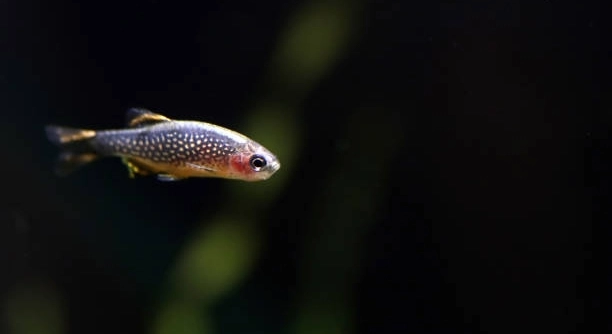
Celestial Pearl Danios are small, colorful fish that brighten any nano tank. Their peaceful nature and active swimming patterns make them a popular choice for hobbyists looking to maintain a vibrant, manageable aquatic environment.
These fish are ideal for nano tanks due to their compact size, calm temperament, low bioload, and adaptability to small spaces. They thrive in groups, exhibit attractive colors, and require minimal maintenance, making them highly suitable for confined aquariums.
Learning about their behavior, habitat needs, and group dynamics will help ensure a healthy and visually appealing nano tank environment for these charming fish.
Compact Size for Small Tanks
Celestial Pearl Danios remain small even as adults, usually growing no larger than an inch. Their compact size makes them perfect for nano tanks, where space is limited but decoration and swimming areas are still important. They can thrive in tanks as small as ten gallons without feeling crowded, allowing for plants, rocks, and hiding spots to create a balanced environment. Because they are small, their waste production is minimal, reducing the need for frequent water changes and helping maintain stable water conditions. Their size also means they are less likely to disturb plants or decorations, making tank maintenance easier. Observing their delicate movements in a small tank is calming and adds a sense of liveliness. Keeping them in appropriately sized groups enhances their natural behavior, such as schooling and social interaction, making the tank feel dynamic and engaging. These fish demonstrate that small aquatic spaces can still be vibrant and interesting.
Their tiny size allows for flexible tank setups and minimal maintenance, making them accessible for hobbyists with limited space.
Despite their small stature, Celestial Pearl Danios show strong personalities and social behavior. In groups, they display synchronized swimming, interact with tankmates, and explore their environment actively. Their presence brings color and motion, while their small size ensures they do not overwhelm the aquarium. Small tanks with well-arranged decorations can replicate their natural habitats, promoting healthy behavior. They adapt well to different tank layouts and thrive in planted aquariums. Observing them navigate plants, rocks, and open swimming areas highlights their agility and curiosity. Because they stay small, tank adjustments and rearrangements are easier without stressing the fish. Their minimal bioload also keeps water quality stable, preventing sudden chemical spikes that could harm them. Overall, their compact size makes them an ideal choice for those who want active, colorful fish in smaller spaces without extensive maintenance requirements.
Vibrant Colors and Patterns
The striking metallic hues and tiny white spots make Celestial Pearl Danios visually appealing. Their bright colors add interest to small tanks and complement aquatic plants.
Their colorful appearance enhances tank aesthetics while reflecting their health and well-being.
Vivid colors signal good health and proper care. When provided with clean water, balanced nutrition, and a stable environment, their patterns become more pronounced. Males usually display brighter colors than females, especially during breeding or group interactions. Their natural metallic shimmer catches light, creating a sparkling effect in the tank. Combining them with green plants and neutral substrates highlights their colors, making the aquarium visually dynamic. Maintaining a consistent diet with quality flakes, frozen foods, or live options supports vibrant coloration. Minimal stress and compatible tankmates also help preserve their patterns. The small size of these fish ensures their colors are visible from multiple angles, making every movement captivating. This combination of small size and bright patterns allows nano tanks to feel lively and colorful without overcrowding or requiring complex setups. Their appearance alone brings energy and charm to even modest aquatic spaces.
Peaceful Temperament
Their calm nature allows Celestial Pearl Danios to coexist with other small, non-aggressive fish in nano tanks. They rarely show dominance or aggression, making tank management smoother and reducing stress among inhabitants.
They form small groups and maintain social harmony without disturbing other species. Their behavior is predictable, and they often swim together in coordinated movements, which creates a sense of balance in the tank. Aggression is uncommon, and they respond well to the presence of tankmates. Their gentle temperament reduces territorial disputes, making them suitable for mixed-species tanks. Observing them interact is enjoyable because they maintain a consistent routine and display minimal stress signals, even in confined spaces. This calmness ensures that both the fish and plants remain undisturbed.
Even in small tanks, they rarely compete for food aggressively. Their non-territorial nature helps create a stress-free environment, promoting healthy growth, proper coloration, and active daily behavior.
Hardy and Adaptable
These fish tolerate a range of water conditions, which makes maintenance easier in small setups.
They can adapt to slight variations in temperature, pH, and hardness without significant health issues. This resilience allows them to thrive even when water parameters fluctuate slightly due to feeding, evaporation, or minor mistakes in care. Their hardy nature also means that they are less susceptible to common fish diseases if proper hygiene and water changes are maintained. By adjusting gradually, they can handle seasonal changes and minor shifts in tank chemistry without long-term effects. Their adaptability allows nano tank owners to experiment with decorations, plants, and layouts while keeping water quality consistent.
Their flexibility extends to diet and social structure. Celestial Pearl Danios accept flake, frozen, or live foods and integrate well into established tanks. This adaptability reduces stress, supports consistent coloration, and ensures that they remain active and healthy in a variety of nano tank conditions.
Active and Social
They swim in groups and interact constantly, which adds movement and life to a nano tank. Their schooling behavior is both entertaining and calming to watch.
Small groups display coordinated swimming patterns, creating visual interest. Their social nature encourages natural behavior, reducing stress and promoting well-being.
Low Maintenance
Celestial Pearl Danios require minimal care once the tank is established. Regular water changes, proper feeding, and occasional monitoring are usually enough to keep them healthy. Their small size and hardy nature mean they do not demand complex filtration systems or specialized care routines. They thrive in planted tanks, benefiting from natural cover and oxygenation while keeping the aquarium balanced. Observing them regularly ensures early detection of any health issues, though problems are uncommon. Their low-maintenance requirements make them suitable for hobbyists who want colorful, active fish without intensive upkeep, making them ideal for busy schedules or beginners.
Compatible with Nano Plants
They coexist well with small aquatic plants, allowing for a natural and aesthetically pleasing tank environment.
How many Celestial Pearl Danios should I keep in a nano tank?
These fish are schooling by nature, so it’s best to keep at least six together. Smaller groups may lead to stress, hiding, or reduced activity. A group of six to ten is ideal for a ten-gallon tank, giving them enough space to swim freely while still interacting socially. Maintaining the right number ensures that their natural behavior, like coordinated swimming and group movement, can be observed, which keeps them active and healthy. Overcrowding should be avoided, as it can lead to stress and poor water quality, which impacts their coloration and overall well-being.
What water conditions do Celestial Pearl Danios need?
They thrive in moderately soft water with a pH between 6.5 and 7.5 and temperatures ranging from 72 to 78°F. They tolerate small fluctuations but sudden changes can stress them. Consistent water quality is more important than perfection, so regular monitoring of ammonia, nitrite, and nitrate levels is necessary. Filtration should provide gentle flow, as they prefer calmer water compared to fast currents. A planted tank helps maintain water stability and offers hiding spots. Using a heater can help maintain temperature, especially in cooler rooms, but abrupt temperature shifts should be avoided to prevent illness.
What should I feed Celestial Pearl Danios?
A varied diet works best for these fish. High-quality flake food is suitable for daily feeding, supplemented with frozen or live foods such as daphnia, brine shrimp, or bloodworms. Occasional vegetable matter, like blanched spinach or zucchini, can support coloration and digestion. Feed small amounts two to three times daily to avoid overfeeding, which can foul water quickly in a nano tank. Observing their eating habits ensures all fish get a fair share of food. Rotating foods helps keep them interested and healthy, while a consistent routine maintains their energy levels and natural vibrancy.
Can Celestial Pearl Danios live with other fish?
Yes, they are peaceful and compatible with other small, non-aggressive species. Suitable tankmates include small tetras, rasboras, and shrimp. Avoid large or aggressive fish that may see them as prey. Mixing species adds variety and interest to the tank, but all fish should have similar water requirements. Keeping them with slower-moving or territorial species may cause stress. Observing their interactions in the first days after introduction helps prevent conflicts. Proper hiding spots and plants further reduce stress when tankmates coexist. Their peaceful temperament makes them one of the easiest species to maintain in community nano tanks.
How can I encourage breeding in a nano tank?
Breeding requires a well-planted tank and slightly warmer water, around 76–78°F. Separating a pair or group in a breeding tank can increase success, though eggs are often scattered among plants. Feeding high-quality live or frozen foods boosts energy and coloration, which supports mating behavior. After spawning, adults may eat the eggs, so either use a mesh breeding trap or remove the adults temporarily. Consistent water conditions and gentle filtration improve egg survival. Observing the fry is easier in planted areas, which provide hiding spots and reduce stress. Fry grow quickly when fed infusoria or finely crushed foods.
What are common health issues in Celestial Pearl Danios?
They are generally hardy, but poor water quality can lead to stress and disease. Common problems include ich, fin rot, and minor fungal infections. Early detection through daily observation is important. Maintaining clean water, stable temperature, and a balanced diet prevents most health issues. Quarantining new fish before adding them to an established tank reduces the risk of introducing pathogens. Avoid sudden changes in water chemistry or overcrowding, which can trigger illness. Stress reduction, proper nutrition, and consistent maintenance are key to keeping them healthy and vibrant.
How often should I clean a nano tank with Celestial Pearl Danios?
Partial water changes of 20–30% weekly are sufficient for maintaining water quality. Cleaning the substrate and removing debris helps prevent buildup of waste and toxins. Avoid complete water changes, which can shock the fish. Filters should be rinsed in tank water, not tap water, to preserve beneficial bacteria. Regular monitoring of water parameters ensures ammonia, nitrite, and nitrate remain within safe levels. Observing plant health and algae growth can indicate when adjustments are needed. This routine keeps the tank stable, reduces stress, and supports the Danios’ vibrant colors.
Are Celestial Pearl Danios suitable for beginners?
Yes, their small size, peaceful temperament, and adaptability make them an excellent choice for beginners. They tolerate minor water fluctuations, are low-maintenance, and thrive in groups. With simple care, consistent feeding, and regular water changes, they remain active and colorful. Their compatibility with plants and other small fish makes them easy to integrate into community nano tanks. Beginners can focus on learning proper tank setup, monitoring water quality, and observing social behavior without worrying about complex care requirements. Their charm and hardiness provide both enjoyment and a rewarding experience for new hobbyists.
Can they live in planted tanks?
Absolutely. They coexist well with live plants, which offer hiding spots, reduce stress, and help maintain water quality. Plants also encourage natural behavior, such as exploring and swimming through foliage. Choosing hardy plants ensures longevity in a nano tank with active Danios.
What is the ideal tank size for Celestial Pearl Danios?
A ten-gallon tank is the minimum for a small group, but larger tanks provide more swimming space and better water stability. Extra room supports additional plants, decorations, and compatible tankmates. Proper space reduces stress and promotes social schooling behavior.
How do I maintain their vibrant colors?
Consistent water quality, a balanced diet, and low-stress environments support their metallic hues. Feeding a mix of flake, live, and frozen foods enhances coloration. Bright, healthy fish indicate good care and optimal tank conditions.
Can they live long in a nano tank?
With proper care, they can live 4–6 years. Stable water conditions, regular feeding, and group interactions are key factors. Observing their behavior and health ensures a long, active life.
What plants are best for nano tanks with these Danios?
Low-maintenance plants like Java moss, Anubias, and small ferns work well. They provide cover, improve water quality, and create natural swimming paths without overcrowding the tank.
How should I arrange the tank for their activity?
Provide open swimming areas with scattered plants and small hiding spots. Avoid overcrowding with decorations, ensuring the group can move freely while having safe spaces for retreat.
Is filtration important in a nano tank with Celestial Pearl Danios?
Yes, gentle filtration maintains water quality without creating strong currents. Proper filtration supports stable conditions, reduces waste buildup, and keeps the fish healthy and active.
Can they tolerate cooler water?
They adapt to temperatures slightly below their ideal range but prolonged exposure to cold can stress them. Avoid sudden drops and maintain gradual changes.
Do they need special lighting?
Standard aquarium lighting is sufficient. Moderate light enhances plant growth and their colors, but excessive light may encourage algae, which requires additional maintenance.
How often should I check water parameters?
Weekly testing is recommended. Monitoring pH, ammonia, nitrite, and nitrate ensures a healthy environment. Consistent checks prevent potential stress and illness.
Are they prone to jumping?
Occasionally. Keeping a lid on the tank prevents escapes, especially in active or startled groups. Safe tank covers ensure their security.
Can I breed them in a community tank?
Yes, but eggs may be eaten by other fish. Using a separate breeding area increases survival rates and allows for easier fry care.
What is their social behavior like?
They form tight-knit schools, explore actively, and communicate through swimming patterns. Social interactions keep them active and reduce stress in confined spaces.
Do they require supplemental oxygen?
No, well-planted and filtered nano tanks usually provide sufficient oxygen. Ensure water movement and surface agitation for proper gas exchange.
Are they suitable for heated tanks?
Yes, moderate heating helps maintain stable temperatures, especially in cooler climates. Avoid overheating, which can cause stress or shorten lifespan.
How do I introduce new Danios to an established tank?
Acclimate slowly by floating the bag, then gradually mixing tank water over 30–60 minutes. This reduces stress and prevents sudden changes in water chemistry.
Can I keep only one or two?
No, they require groups to display natural behavior. A small number may become stressed, shy, or inactive, reducing overall health and activity levels.
What tank decorations are ideal?
Low-height rocks, driftwood, and small caves work well. They provide hiding spots without obstructing swimming space, maintaining an open yet interesting layout.
Do they interact with humans?
They may swim near glass or follow movements, showing curiosity but not dependence. Their behavior is more observational than interactive, adding charm to the tank.
How long until they reach full coloration?
Colors develop as they mature, typically becoming vibrant around six months. Proper nutrition, water quality, and low stress accelerate color development.
Are there seasonal care considerations?
Yes, maintain stable temperature and feeding routines year-round. Seasonal fluctuations may require slight adjustments in water temperature or feeding frequency.
Can they live with shrimp or snails?
Yes, peaceful invertebrates coexist well. Shrimp and snails add diversity without stressing the Danios, creating a balanced ecosystem in nano tanks.
How do I prevent overfeeding?
Feed small portions two to three times daily, ensuring all food is eaten within a few minutes. Excess food should be removed to protect water quality.
What is the best substrate for them?
Fine gravel or sand works well, supporting plant growth and preventing injury. Avoid sharp substrates that may damage fins during active swimming.
Do they need a nighttime cycle?
Yes, maintaining a day-night light cycle of 10–12 hours supports natural activity and rest periods, promoting overall health and color retention.
Are they sensitive to chemicals?
Yes, avoid sudden chemical treatments or heavy metals. Using safe, dechlorinated water prevents stress and maintains vibrant coloration.
Can they survive short power outages?
Generally yes, if the tank remains stable and oxygen levels are adequate. Avoid long periods without aeration or heating in extreme conditions.
How do I handle them safely?
Minimize net use and avoid sudden movements. Handle only when necessary, and use a soft net or container to reduce stress.
Do they need hiding spots even in small tanks?
Yes, even small groups benefit from cover to feel secure. Plants or small decorations create safe retreats and reduce stress.
Is water hardness important?
Moderate hardness is preferred. Extreme hardness or softness can impact health, growth, and coloration, so aim for stable, moderate levels.
Can they tolerate community tanks with slightly different conditions?
Yes, but ensure all species have overlapping temperature and pH requirements. Avoid combining with aggressive or large fish.
Do they require special breeding diets?
A high-protein diet with live or frozen foods encourages breeding. Flakes alone may not be sufficient to trigger spawning behavior.
How can I tell if they are stressed?
Signs include faded colors, hiding, reduced activity, or erratic swimming. Address water quality, temperature, or tankmate issues immediately.
Do they benefit from tank plants for breeding?
Yes, fine-leaved plants or moss provide hiding spots for eggs and fry, increasing survival rates and encouraging natural behavior.
Can they adapt to slightly larger tanks?
Yes, they remain active and social in larger tanks. More space allows more plants, swimming areas, and compatible tankmates, enhancing overall well-being.
How frequently should I trim plants in a nano tank?
Trim plants as needed to prevent overcrowding. Maintaining balance ensures open swimming areas and reduces stress for the fish.
Are they sensitive to sudden light changes?
Yes, abrupt lighting shifts can startle them. Gradual changes or timers help maintain a calm environment.
Can I keep them with bettas?
Not recommended, as bettas may show aggression. Peaceful small fish are a safer choice for community nano tanks.
Do they need strong filtration?
Moderate filtration is sufficient. Gentle flow ensures water quality without stressing the fish or disrupting schooling behavior.
How do I introduce plants safely?
Rinse thoroughly and ensure no pesticides or chemicals are present. Gradually place plants to allow fish to adjust.
Are they prone to jumping when scared?
Occasionally, so a secure lid is necessary. They are active and may leap if startled by sudden movements or loud noises.
Do they require special care in winter?
Maintain consistent water temperature and feeding routines. Avoid letting the tank cool too quickly in colder rooms.
Can they live in unheated tanks in warm climates?
Yes, if room temperature remains within their preferred range. Extreme heat or cold should be avoided to prevent stress.
Do they prefer calm or flowing water?
Calm or gently flowing water is best. Strong currents can exhaust them and reduce active schooling behavior.
How do I know if my tank is too small?
Signs include stress, reduced activity, and constant hiding. Upgrading tank size or reducing the number of fish may be necessary.
Can they coexist with dwarf gouramis?
Yes, peaceful gouramis are compatible, provided the tank is not overcrowded and conditions meet both species’ needs.
Do they require special lighting for color enhancement?
Moderate lighting highlights colors naturally. Excessive lighting can promote algae and stress fish, while low light may reduce vibrancy.
How quickly do they mature?
They reach adult size in approximately four to six months, with colors becoming more vivid as they mature.
Can I keep them with guppies?
Yes, guppies are peaceful and share similar water requirements, making them compatible tankmates for nano setups.
Do they need water flow from a filter?
Yes, gentle filtration maintains oxygen and waste removal. Strong currents should be avoided to prevent stress.
Are they prone to disease in small tanks?
They are hardy, but poor water quality or overcrowding increases the risk of illness. Consistent care reduces problems significantly.
How often should I feed fry?
Multiple small feedings daily with finely crushed food or infusoria promote proper growth and survival of young fish.
Can they live with snails like Nerites?
Yes, snails are safe and do not compete aggressively for food, adding interest without causing stress.
Do they require tank mates for mental stimulation?
Yes, schooling is vital. Solitary fish may become stressed or inactive, so small groups ensure natural behavior and mental stimulation.
What is their lifespan in a well-maintained tank?
Typically 4–6 years with proper care, stable water, a balanced diet, and social interaction with their group.
How can I minimize algae growth?
Limit excessive light, avoid overfeeding, and maintain regular water changes. Plants also help absorb excess nutrients, controlling algae naturally.
Can they live with small shrimp species?
Yes, peaceful shrimp coexist well, providing natural cleaning benefits without stressing the fish.
How do I prevent fin damage?
Avoid sharp decorations and aggressive tankmates. Proper schooling and gentle interactions minimize the risk of torn fins.
Are they sensitive to tap water?
Untreated tap water may contain chlorine or heavy metals. Using a water conditioner ensures safety and reduces stress.
How long can they go without food?
They can tolerate 1–2 days, but extended fasting is stressful and may weaken them. Consistent feeding is best.
Do they interact with reflections?
They may respond to their reflection by swimming curiously, but this is harmless and part of normal behavior.
Are they suitable for low-tech planted tanks?
Yes, their size and temperament make them ideal for simple planted setups without advanced CO₂ or lighting requirements.
Can I keep only males together?
Yes, males can coexist in groups, though slight competition for dominance may occur. Enough space reduces stress and ensures social harmony.
Do they require substrate for breeding?
Not specifically, but fine-leaved plants or moss improve egg survival and provide hiding spaces for fry.
Can they tolerate slightly higher nitrate levels?
Occasional minor increases are tolerated, but prolonged high nitrate stresses fish and reduces coloration. Regular water changes maintain optimal conditions.
How active are they during the day?
Highly active during daylight, swimming, schooling, and exploring plants. They rest at night and require consistent light-dark cycles.
Do they need specialized heaters?
Standard aquarium heaters are sufficient. Maintaining stable temperatures within their preferred range supports health and coloration.
Can they tolerate community tanks with slightly different diets?
Yes, as long as they receive sufficient high-quality food. Avoid aggressive feeders that may outcompete them.
Do they benefit from live plants for oxygenation?
Yes, live plants improve water quality, provide oxygen, and create hiding spots, supporting overall health.
Are they prone to stress in bare tanks?
Yes, bare tanks reduce hiding spots and increase vulnerability. Adding plants or small decorations lowers stress.
Can they adapt to minor pH fluctuations?
Yes, gradual changes are tolerated, but sudden shifts can cause stress or illness. Maintain stable, moderate pH levels.
Do they need frequent monitoring of behavior?
Yes, observing schooling, swimming patterns, and color helps detect early signs of stress or disease. Regular checks ensure prompt action.
Are they compatible with small catfish species?
Yes, peaceful small catfish, like Corydoras, coexist well. Avoid aggressive bottom dwellers that may compete for space or food.
Can they live in tanks with floating plants?
Yes, floating plants provide shade and security, reducing stress and encouraging natural behavior. Ensure enough open swimming space.
Do they require substrate cleaning?
Occasional vacuuming prevents waste buildup, maintains water quality, and supports a healthy environment without disturbing plants or fish.
How long should lights stay on daily?
10–12 hours of light per day supports plant growth and natural activity, while providing rest during nighttime hours.
Can they tolerate slightly alkaline water?
Yes, they can tolerate pH up to 7.5. Sudden changes should be avoided to prevent stress and health issues.
Are they sensitive to vibrations or loud noises?
Yes, sudden disturbances can startle them. Placing the tank in a calm area minimizes stress and supports natural behavior.
Can they coexist with tiny danio varieties?
Yes, similar small danios coexist well if water requirements match. Ensure enough swimming space and group size to reduce stress.
Do they require seasonal feeding adjustments?
Minor adjustments may be needed for temperature changes, but overall consistent feeding supports energy levels and health year-round.
How do I prevent disease during tank setup?
Cycle the tank fully before adding fish, maintain clean water, and quarantine new additions to reduce pathogen exposure.
**Can
Celestial Pearl Danios are a perfect addition to a nano tank for anyone looking to enjoy lively, colorful fish without requiring extensive care. Their small size allows them to thrive in tanks as small as ten gallons, while still leaving enough space for plants and decorations. They are peaceful and social, making it easy to keep them in small groups without worrying about aggression or stress. Their schooling behavior adds constant movement and interest, which brings a sense of life and balance to a nano tank. Because they are hardy and adaptable, they tolerate minor fluctuations in water conditions, which makes maintaining a stable environment simpler. By providing a planted tank with a few hiding spots and open swimming areas, you can recreate a natural setting that allows these fish to display their natural behavior. Observing a group of Celestial Pearl Danios interact is both calming and enjoyable, as they swim together, explore plants, and show off their metallic colors. Their manageable care requirements make them suitable for both beginners and experienced hobbyists who want low-maintenance, visually appealing fish.
Their vibrant colors and unique patterns are one of the main reasons these fish are so popular. Males tend to display brighter metallic hues and small white spots, which become more pronounced when they are healthy and living in optimal conditions. Providing a varied diet that includes high-quality flakes, frozen foods, and occasional live options will help maintain these colors while supporting overall health. Regular feeding in small amounts prevents water from becoming polluted, which is especially important in a small nano tank. Maintaining clean water through consistent partial water changes and gentle filtration ensures a stable environment that minimizes stress. Low-stress conditions are critical for keeping the fish active, promoting natural schooling behavior, and maintaining their vibrant appearance. Over time, the combination of proper nutrition, water quality, and a well-planned tank layout allows these fish to thrive and display their full potential, providing continuous visual interest. Their colors and movements make the tank feel lively and dynamic, even in a small space, demonstrating that nano tanks can be as engaging as larger aquariums.
In addition to their visual appeal, Celestial Pearl Danios are a great choice for observing natural fish behavior in a confined space. They interact socially, establish mild hierarchies without aggression, and explore their environment in groups. This makes them particularly rewarding for hobbyists who enjoy watching active schooling fish. Because they are relatively low-maintenance, attention can be focused on improving the tank’s environment with plants, decorations, and compatible tankmates rather than constant care. Providing a well-balanced diet, clean water, and consistent group sizes ensures long-term health and longevity, often reaching four to six years in a properly maintained nano tank. Their adaptability allows for a range of tank setups, whether fully planted, partially decorated, or including other small peaceful fish and invertebrates. Overall, Celestial Pearl Danios combine vibrant coloration, social behavior, and manageable care requirements, making them a practical and visually pleasing choice for anyone looking to create a small yet lively aquatic environment. Their charm, resilience, and activity ensure that a nano tank with these fish remains engaging and enjoyable over time, reflecting both beauty and balance in a compact aquarium space.

Hello,
If you enjoy the content that we create, please consider saying a "Thank You!" by leaving a tip.
Every little bit helps us continue crafting quality advice that supports the health, happiness, and well-being of pets around the world, for pets of all shapes, sizes, and species.
We really appreciate the kindness and support that you show us!