
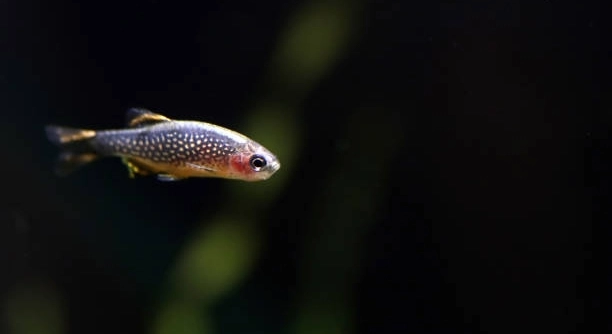
Danios are lively little fish that many enjoy breeding at home. Their care can be rewarding, yet various factors may interfere with the process, causing unexpected challenges for breeders of all experience levels.
Several events can disrupt Danio breeding, including sudden changes in water temperature, poor water quality, overcrowding, incompatible tank mates, inadequate nutrition, stress from handling, and the presence of disease. Each factor can directly impact their reproductive behavior and success.
Knowing these events can help you maintain a healthier breeding environment. Understanding the causes of interruption ensures your Danios have a better chance of thriving.
Sudden Changes in Water Temperature
Danios are sensitive to fluctuations in water temperature. Even small shifts can stress the fish, reducing their desire to breed. Sudden changes may occur from environmental factors like heater malfunctions or seasonal temperature swings. Breeding pairs rely on stable conditions to trigger spawning behaviors, and abrupt changes can halt this process entirely. Regularly monitoring the tank temperature is essential, and using a reliable thermometer ensures consistency. Gradually adjusting the temperature, rather than sudden jumps, helps maintain a stable environment. Stress from temperature changes can also weaken the immune system, making the fish more prone to illness. Keeping the tank in a room with minimal drafts and away from windows can prevent unexpected swings. Observing the fish for signs of stress, such as lethargy or hiding, allows early intervention before breeding is affected. Consistent water parameters support both health and reproductive activity.
Maintaining a steady temperature between 22°C and 28°C is ideal. Sudden shifts above or below this range can disrupt spawning and stress Danios.
Proper heating systems combined with careful monitoring create a controlled environment. This ensures breeding conditions remain stable, and the fish continue their natural reproductive behaviors without interruption. Adjusting temperature gradually allows the fish to acclimate, reducing stress and improving overall health. Consistency in the tank promotes confidence in the breeding process and minimizes the risk of setbacks caused by environmental instability.
Poor Water Quality
Water quality is crucial for Danio breeding. Contaminants like excess ammonia, nitrites, or nitrates can make fish reluctant to spawn. Regular water changes and proper filtration maintain a healthy environment.
Poor water quality affects reproduction by creating stress and weakening immunity. High levels of waste disrupt normal behaviors, preventing effective spawning.
Keeping the tank clean involves monitoring chemical levels, performing consistent water changes, and avoiding overfeeding. Uneaten food decomposes, raising ammonia levels, which is toxic to Danios. Filtration systems should be checked regularly to ensure efficiency. pH levels need to remain stable, ideally around 6.5 to 7.5, as sudden shifts can shock the fish. A well-maintained substrate prevents buildup of harmful bacteria, and careful observation for signs of poor water conditions, such as gasping or dull coloration, allows prompt corrective action. Healthy water supports not only breeding but overall vitality, creating an environment where Danios are more likely to engage in mating behaviors successfully.
Overcrowding
Overcrowding in the tank can stress Danios and prevent them from breeding. Limited space makes it harder for fish to display mating behaviors or find suitable spawning spots.
Too many fish in a confined tank increase competition for food and territory. Stress levels rise, and weaker fish may hide or become aggressive. Overcrowding also affects water quality, as waste accumulates faster, leading to higher ammonia and nitrate levels. Breeding pairs need calm, spacious conditions to perform courtship rituals. Reducing tank population or providing additional space can help. Creating separate breeding tanks ensures pairs have privacy and minimal interference from other fish. Overcrowding often slows growth and delays sexual maturity, which can further hinder reproduction.
Even with proper care, a crowded environment diminishes the likelihood of successful spawning. Ensuring ample space, hiding spots, and controlled population density directly supports natural reproductive behaviors and overall health.
Incompatible Tank Mates
Incompatible tank mates can disrupt breeding by causing stress or aggression. Fish that are aggressive or too active may interfere with courtship or damage eggs.
Certain species chase or harass Danios, creating an environment where breeding is difficult. Peaceful and similarly sized fish are better companions. Aggression triggers stress hormones, which can halt spawning entirely. Selecting compatible tank mates allows Danios to focus on mating behaviors without constant threats. Observing interactions helps identify which fish may need separation during the breeding period. Breeding tanks should minimize external disturbances, ensuring the pair can engage in natural behaviors without fear. Careful planning and monitoring prevent conflicts that interfere with reproduction and improve survival rates for offspring.
Providing a controlled environment with calm tank mates allows Danios to breed more effectively. Separating aggressive species or isolating breeding pairs reduces stress and increases the chance of successful spawning.
Inadequate Nutrition
Danios require a balanced diet to trigger successful breeding. Poor nutrition can reduce energy levels and reproductive readiness.
Feeding them a mix of high-quality flakes, live, or frozen foods ensures proper growth. A nutrient-rich diet supports egg development and enhances spawning behavior.
Stress from Handling
Frequent handling can frighten Danios and interrupt their natural behaviors. Even gentle moves may cause enough stress to delay breeding.
Providing minimal disturbance during tank maintenance or observation helps maintain calm conditions. Stress-free environments encourage normal mating rituals and healthier eggs.
Presence of Disease
Illness in the tank can prevent breeding entirely. Sick fish often lose interest in spawning and may spread infections quickly.
Observing fish for unusual behavior, discoloration, or sluggishness allows early intervention. Quarantining new or affected fish prevents disease from reaching breeding pairs. Maintaining hygiene, proper filtration, and routine water checks minimizes the risk of infections, helping the entire tank remain healthy. Prompt treatment ensures recovery and preserves breeding potential. Healthy fish are more likely to engage in mating behavior consistently, leading to better spawning success and stronger offspring. Regular monitoring is essential for maintaining a disease-free environment.
FAQ
What is the ideal water temperature for Danio breeding?
The best temperature range for Danio breeding is generally between 22°C and 28°C. Maintaining consistent water temperature is crucial because sudden changes can stress the fish and interrupt spawning. Gradual adjustments are safer than sudden shifts. A reliable heater and thermometer help maintain stable conditions, supporting normal reproductive behavior.
How often should I change the water during breeding?
Frequent water changes are essential to keep ammonia and nitrate levels low. Typically, a 20–30% water change every few days is effective. This removes waste and helps maintain clean conditions, reducing stress on Danios. Cleaner water promotes active spawning and healthier eggs. Avoid large or sudden water replacements, which can shock the fish.
Can overcrowding prevent Danios from breeding?
Yes, overcrowding significantly affects breeding. Limited space increases stress and competition for food and territory. Overcrowded tanks may stop fish from displaying courtship behaviors. Providing sufficient space or a separate breeding tank allows pairs to spawn without interference, improving egg survival and fry development.
What tank mates are safe during breeding?
Peaceful species of similar size are generally safe with breeding Danios. Aggressive or overly active fish can disrupt courtship or damage eggs. Minimizing disturbances ensures pairs focus on mating. In some cases, isolating the breeding pair in a separate tank is the most reliable option to protect eggs and support successful spawning.
How does diet affect breeding success?
A balanced, nutrient-rich diet is key. High-quality flakes, live foods, or frozen options provide energy and enhance egg quality. Underfeeding or poor nutrition lowers reproductive readiness and may result in fewer or weaker eggs. Feeding a variety of foods ensures Danios receive all essential nutrients for successful spawning.
What signs indicate stress in Danios?
Stress can prevent breeding. Signs include hiding, lethargy, loss of appetite, or erratic swimming. Environmental stressors like poor water quality, sudden temperature changes, overcrowding, or aggressive tank mates often trigger these behaviors. Observing the fish regularly helps identify stress early, allowing corrective action before reproduction is affected.
How can I prevent disease from affecting breeding?
Maintaining hygiene, proper filtration, and routine water checks prevents infections. Quarantining new or sick fish reduces the spread of disease. Early detection of unusual behavior or discoloration allows prompt treatment. Healthy fish are more likely to breed successfully, and maintaining a clean environment ensures eggs and fry remain safe.
Is it necessary to have a separate breeding tank?
A separate breeding tank is highly recommended. It reduces stress from other fish and allows better control of water conditions. Breeding tanks also prevent eggs from being eaten and make monitoring easier. Providing hiding spots and plants enhances spawning success and creates a calm, suitable environment for reproductive behaviors.
How long does it take for Danios to spawn?
Danios may spawn within a few days under ideal conditions. Stable water temperature, proper diet, and minimal stress all contribute to faster spawning. Observing courtship behaviors, such as chasing and nudging, indicates the fish are ready. Eggs typically hatch within 24–36 hours, depending on water conditions.
Can environmental changes stop breeding after it has started?
Yes, abrupt environmental changes can halt breeding at any stage. Temperature swings, water quality issues, or sudden disturbances can stress the fish, causing them to abandon eggs or stop mating. Maintaining consistent conditions throughout the breeding period is essential to ensure eggs develop and fry survive.
What is the best way to care for fry?
Once eggs hatch, fry require clean water, gentle feeding, and minimal disturbance. Infusoria or finely crushed flakes are suitable initial food. Frequent small feedings support growth. Monitoring water parameters is crucial, as young fry are sensitive to ammonia and nitrate levels. Proper care during this stage increases survival and healthy development.
How can I encourage repeated breeding cycles?
Consistent care encourages multiple breeding cycles. Stable water parameters, a balanced diet, and low-stress conditions keep Danios healthy and ready to spawn again. Gradually simulating seasonal changes, such as slight temperature adjustments, can help trigger additional reproductive behavior. Providing a comfortable environment ensures fish remain active and fertile.
Are all Danios equally likely to breed?
Not all individuals breed at the same rate. Age, health, and previous spawning experiences influence readiness. Some fish may require more stable conditions or time to acclimate. Observing behavior and maintaining optimal conditions increases the likelihood of successful reproduction for most healthy Danios.
How can I tell if eggs are fertilized?
Fertilized eggs are usually clear and slightly shiny, while unfertilized eggs may appear opaque or cloudy. Monitoring eggs for color and development is important. Fertilized eggs will show signs of growth within 24 hours, indicating that the breeding process was successful.
Can stress from handling affect fry survival?
Handling during or after spawning can be harmful. Even gentle movements can disturb eggs or fry. Minimizing direct contact and using soft equipment when necessary helps protect them. Providing a calm environment ensures higher survival rates and reduces the risk of deformities or mortality.
What is the role of plants in breeding tanks?
Live or artificial plants provide hiding spots and surfaces for eggs. They reduce stress and create a more natural environment. Plants help fry avoid being eaten and allow adults to perform normal spawning behaviors. Including appropriate vegetation enhances overall breeding success and egg survival.
How important is lighting during breeding?
Consistent, moderate lighting supports normal behaviors. Too much or too little light can stress Danios and affect spawning. Gradual changes in light cycles, mimicking natural day and night periods, promote routine behaviors and help fish maintain reproductive readiness.
Can older Danios breed as effectively as younger ones?
Older fish may have reduced fertility compared to younger adults. They can still breed, but egg quantity and quality may decline. Ensuring optimal conditions, proper nutrition, and low-stress environments supports successful breeding in mature Danios. Regular observation helps identify the most productive pairs.
How do I manage multiple breeding pairs in one tank?
Managing several pairs requires space, hiding spots, and careful observation. Overcrowding or aggression can occur, so separating pairs may be necessary. Monitoring interactions and maintaining clean water ensures each pair can spawn without interference, improving overall success rates.
Are there seasonal factors that affect breeding?
Yes, subtle seasonal changes can influence reproductive behavior. Slight temperature shifts or longer daylight hours can mimic natural cycles, encouraging spawning. Keeping conditions stable while simulating seasonal variations helps trigger multiple breeding events. Adjustments should be gradual to prevent stress.
How long should I leave eggs in the breeding tank?
Eggs should remain in a stable environment until they hatch, usually within 24–36 hours. Removing adults or using a mesh barrier can prevent egg predation. Monitoring water quality during this period ensures eggs develop properly and fry have the best chance of survival.
What should I do if eggs fail to hatch?
Check water conditions first, as poor quality or temperature fluctuations are common causes. Infertile eggs may also occur naturally. Removing spoiled eggs prevents fungal growth, which can affect healthy ones. Adjusting care routines and maintaining stable conditions improves success in future breeding attempts.
How can I tell if Danios are ready to breed again?
Healthy, active fish that show courtship behaviors, such as chasing or nudging, indicate readiness. Consistent feeding, clean water, and low-stress conditions accelerate recovery after previous spawning, allowing for repeated breeding cycles. Observation and patience are key.
Is it necessary to monitor water chemistry during breeding?
Yes, monitoring pH, ammonia, nitrites, and nitrates is essential. Even minor deviations can stress fish and disrupt spawning. Regular testing allows early correction and maintains optimal conditions for both adults and developing eggs, ensuring higher survival rates.
What is the typical lifespan of Danios in captivity?
Danios usually live around 3–5 years. Proper care, nutrition, and a stable environment maximize longevity. Lifespan affects breeding frequency, as younger adults tend to be more prolific. Maintaining healthy conditions ensures they reach full reproductive potential during their lifespan.
How do I handle aggression between breeding pairs?
Separating aggressive individuals or providing hiding spots reduces conflict. Observing interactions and intervening early prevents stress and injury. Maintaining calm, well-structured environments allows pairs to breed without unnecessary disruptions or competition.
Can tank size influence breeding success?
Yes, larger tanks reduce stress and allow proper spacing for courtship behaviors. Small, crowded tanks often prevent natural mating behaviors, increase aggression, and reduce egg survival. Providing sufficient space supports healthier, more active fish.
How can I prevent fungal growth on eggs?
Maintaining clean water and removing infertile eggs prevents fungal growth. Adding antifungal treatments designed for fish eggs can help. Proper aeration and low-stress conditions also reduce fungal risks, ensuring higher survival rates for healthy eggs.
Do Danios require specific substrates for breeding?
Substrate isn’t always necessary, but fine gravel or plants provide surfaces for eggs. They reduce stress and mimic natural environments. Fry can hide among plants or substrate, improving survival chances. Choosing suitable substrate supports normal reproductive behavior.
How long after spawning can adults breed again?
Recovery time depends on health and conditions. Typically, a few weeks of stable environment and proper nutrition are sufficient. Providing consistent care allows adults to regain energy and engage in subsequent breeding cycles efficiently.
Can I use artificial lighting to simulate seasonal changes?
Yes, gradually adjusting artificial lighting can mimic seasonal shifts, encouraging spawning. Avoid abrupt changes. A consistent day-night cycle with slow variations supports natural behaviors and reproductive readiness, increasing the chances of repeated successful breeding.
What is the best way to transport breeding Danios?
Minimize stress by using oxygenated containers and maintaining water temperature. Avoid sudden movements or temperature changes. Transporting in small numbers helps reduce aggression and ensures fish arrive healthy, ready for spawning in a new environment.
How do I manage feeding during breeding?
Provide small, frequent meals of high-quality food. Avoid overfeeding, which affects water quality. Balanced nutrition enhances reproductive health, supports egg development, and increases the likelihood of successful spawning. Observing appetite helps adjust feeding amounts appropriately.
Are there behavioral signs that eggs are about to be laid?
Males chase females and nudge them near plants or substrate. Females may appear fuller, indicating eggs are ready. These behaviors usually occur in the morning or under stable conditions. Observing these signs helps prepare the tank for egg protection.
How do I protect fry from adults?
Using a breeding net or separating adults prevents predation. Providing plants or hiding spaces allows fry to survive. Monitoring interactions ensures that fry remain safe until they are large enough to swim freely without risk from adults.
Can water hardness affect breeding?
Yes, soft to moderately hard water is preferable. Extreme hardness or softness can reduce spawning behavior or egg viability. Maintaining stable hardness supports healthy reproductive activity and successful fry development.
How do I know when fry are ready for regular feeding?
Fry start accepting finely crushed flakes or small live foods after a few days. Observing active swimming and interest in food indicates readiness. Feeding small portions multiple times a day supports healthy growth.
Is it necessary to separate males and females after breeding?
Not always, but separating can prevent aggression or egg predation. Controlled environments ensure eggs and fry remain safe. Observing interactions helps determine if separation is beneficial for successful breeding outcomes.
Can stress from noise affect breeding?
Yes, loud or frequent disturbances can stress Danios, preventing spawning. Keeping the tank in a quiet location allows natural behaviors and increases breeding success. Reducing vibrations or sudden impacts further protects the fish during critical periods.
How do I increase fry survival rates?
Provide clean water, gentle feeding, hiding spots, and minimal disturbance. Monitoring water parameters and removing infertile eggs reduces fungal growth. Stable conditions and proper nutrition for fry improve growth and survival. Consistent care during early life stages is essential for healthy development.
How long does it take for fry to reach maturity?
Fry typically reach sexual maturity in 2–3 months. Providing a balanced diet, clean water, and low-stress conditions ensures they develop properly. Early care and observation support healthier, stronger adult Danios ready for future breeding.
Can I reuse breeding tanks for multiple cycles?
Yes, as long as tanks are cleaned, water is stable, and conditions remain suitable. Regular maintenance prevents buildup of waste and reduces the risk of stress, disease, or fungal growth, ensuring each breeding cycle is successful.
Do Danios prefer specific times of day for spawning?
Spawning often occurs in the morning when conditions are stable. Maintaining consistent light cycles and calm environments during this time encourages normal reproductive behaviors. Observing patterns helps predict and manage breeding activity effectively.
Are there indicators of poor egg viability?
Cloudy, opaque, or shriveled eggs are often infertile. Fungus may appear on damaged eggs, threatening healthy ones. Removing these eggs promptly maintains optimal conditions for developing embryos and reduces the risk of contamination in the tank.
How can I reduce stress during tank maintenance?
Perform gentle, gradual cleaning, avoid sudden water changes, and minimize handling. Keeping maintenance routines calm and consistent reduces stress, allowing breeding pairs to continue normal behaviors without interruption. Regular observation ensures issues are addressed without causing additional disruption.
What is the role of aeration during breeding?
Aeration keeps water oxygenated, which supports both adults and developing eggs. Low oxygen can stress fish and reduce spawning success. Using air stones or gentle filtration ensures proper circulation without disturbing the fish or eggs.
Can I use tap water for breeding tanks?
Yes, if properly treated to remove chlorine, chloramine, and heavy metals. Using a water conditioner ensures safety for both adults and fry. Testing parameters before adding fish helps prevent stress and promotes successful breeding.
Are Danios sensitive to pH changes during breeding?
Yes, sudden pH fluctuations can stress fish and reduce spawning activity. Maintaining a stable pH between 6.5 and 7.5 supports normal reproductive behavior and egg development. Regular monitoring prevents adverse effects and ensures a suitable breeding environment.
How often should I check on breeding pairs?
Daily observation is recommended, but avoid excessive disturbance. Watching behavior, egg laying, and water conditions ensures problems are detected early. Minimal interference maintains calm conditions conducive to successful spawning and healthy fry growth.
Can lighting color influence breeding?
Natural or white light works best. Avoid harsh or colored lighting, which may stress fish. Consistent light cycles support normal courtship behaviors and encourage reproductive readiness without causing unnecessary stress.
Is it necessary to remove uneaten food immediately?
Yes, leftover food can decompose, raising ammonia levels and affecting water quality. Removing uneaten food promptly reduces stress, supports health, and maintains conditions suitable for breeding and fry survival.
Can temperature drops during the night affect breeding?
Sudden nighttime drops can stress Danios. Gradual, minor fluctuations are tolerable, but large changes may interrupt spawning. Using reliable heaters and insulating tanks helps maintain stable temperatures and reduces risk to reproductive activity.
How do I prevent egg predation by other fish?
Separating adults, using breeding nets, or placing eggs in dedicated containers prevents predation. Providing hiding spots and plants further protects eggs. Controlled environments ensure higher survival rates and support successful fry development.
What are the most common mistakes in Danio breeding?
Overcrowding, poor water quality, sudden temperature changes, inadequate diet, and incompatible tank mates are frequent issues. Stress and disease often result from neglecting these factors. Avoiding these mistakes increases spawning success and supports healthy fry growth.
How can I tell if breeding conditions are optimal?
Healthy, active fish displaying courtship behaviors, consistent egg production, and low stress levels indicate suitable conditions. Regular monitoring of water parameters, diet, and tank environment ensures continued success in breeding efforts.
What should I do if breeding fails repeatedly?
Review water quality, tank size, diet, temperature, and tank mates. Addressing each factor systematically helps identify causes. Making gradual adjustments and ensuring a stress-free environment increases the likelihood of successful breeding in future attempts.
Can Danios breed year-round in captivity?
Yes, with stable conditions, consistent feeding, and minimal stress, Danios can breed throughout the year. Simulating natural seasonal changes can enhance spawning, but maintaining overall optimal care is most important.
Danio breeding can be a rewarding experience, but it requires careful attention to a variety of factors. Maintaining a stable environment is one of the most important aspects. Temperature, water quality, and tank conditions all play a role in whether breeding is successful. Sudden changes in these elements can easily stress the fish, which may cause them to stop spawning or exhibit unhealthy behavior. By regularly monitoring the tank, checking water parameters, and keeping conditions consistent, breeders give their Danios the best chance to engage in natural reproductive behaviors. Even small adjustments, like slowly acclimating fish to new temperatures or keeping the tank away from drafts and direct sunlight, can make a noticeable difference. The goal is to create an environment that feels safe and natural, where the fish can focus on breeding without interruptions or stress.
Nutrition is another key factor that directly affects breeding success. Danios require a balanced diet to remain healthy and active, and poor nutrition can reduce reproductive readiness. Providing a mix of high-quality flakes, live foods, and frozen options ensures they receive all necessary nutrients. Adequate feeding supports egg development in females and increases energy levels in males, both of which are essential for effective spawning. Overfeeding, however, can be just as harmful as underfeeding because it quickly degrades water quality. A well-planned feeding routine, paired with regular water changes, helps maintain both the health of the adults and the cleanliness of the tank. Paying attention to these small but important details can have a direct impact on breeding outcomes and overall fish health.
Finally, minimizing stress and preventing disease are crucial to a successful breeding environment. Overcrowding, aggressive tank mates, frequent handling, or sudden environmental changes can all create stress that interrupts breeding. Observing the fish regularly and adjusting the tank setup as needed allows breeders to identify potential stressors early. Additionally, maintaining proper hygiene, using filtration, and quarantining new or sick fish helps prevent disease, which can otherwise compromise breeding efforts. Creating spaces for hiding, providing plants, and using separate breeding tanks for pairs are all strategies that reduce stress and encourage natural behaviors. When these factors are combined—stable water conditions, balanced nutrition, and a low-stress environment—Danios are more likely to breed successfully, producing healthy eggs and fry. With patience and careful attention to detail, breeders can maintain a thriving tank that supports ongoing reproduction and the overall well-being of the fish.

Hello,
If you enjoy the content that we create, please consider saying a "Thank You!" by leaving a tip.
Every little bit helps us continue crafting quality advice that supports the health, happiness, and well-being of pets around the world, for pets of all shapes, sizes, and species.
We really appreciate the kindness and support that you show us!