
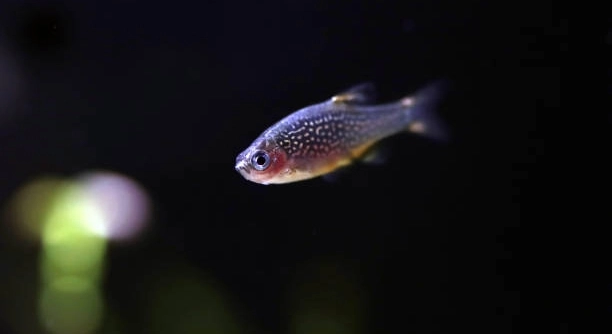
Have you ever noticed how your danios react differently to various foods during feeding times? Observing their behavior can help you understand their preferences and health. Feeding trials are a great way to monitor these patterns in groups.
Running feeding trials with danio groups allows for systematic assessment of dietary preferences, intake rates, and behavioral responses. By carefully designing seven distinct trials, researchers can gather reliable data on feeding efficiency, nutrient acceptance, and overall group health.
These trials offer insights beyond daily observations, revealing how danios interact with food and each other over time. Proper execution can improve both feeding strategies and group well-being.
Trial 1: Single Food Preference Test
Observing how danios respond to a single type of food can reveal their basic preferences. For this trial, I chose a common flake food and offered it to the group at the same time. Each fish’s approach and consumption rate were noted over ten minutes. Some fish immediately went for the flakes, while others hesitated or ignored the food. This simple test helps identify which individuals are more dominant during feeding and which might need additional attention. Repeating this trial over several days provides a clearer picture of consistent preferences versus one-off reactions. Monitoring their behavior also highlighted subtle differences, like nipping or playful chasing, which may influence feeding efficiency. Tracking these patterns ensures the group’s diet can be balanced and everyone gets enough nutrition without stress or competition affecting their health.
This trial helps determine a baseline food preference for the group, guiding later feeding experiments. It sets the stage for more complex trials.
The single food preference test is a practical starting point. By offering only one food type, I could watch each fish’s natural choice without distractions. Recording the time it took for each fish to approach, the amount consumed, and the interaction with others allowed me to identify dominant feeders and shy individuals. Over a week, patterns emerged, showing that some fish consistently ate first, while others waited. These observations help when planning multi-food trials or introducing new diets, as it ensures all fish get fair access. It also highlighted the importance of monitoring group dynamics, as small differences in behavior can affect overall nutrition and growth rates. Knowing these preferences early makes future feeding trials more accurate and useful.
Trial 2: Multiple Food Choice
Offering different types of food at once shows which foods are most appealing to the group.
In this trial, I placed flakes, micro-pellets, and frozen brine shrimp in separate spots in the tank simultaneously. Each fish’s choices were recorded for fifteen minutes. Some fish went straight for the shrimp, ignoring flakes entirely, while others sampled each type. The test highlighted individual preferences and revealed that certain foods triggered competitive behavior. Timing and location in the tank influenced access, as fish closer to the center tended to eat first. Repeating the trial multiple times helped reduce bias caused by positioning or chance. This method gives insight into which foods are most likely to meet the group’s nutritional needs while keeping feeding sessions calm and manageable. Tracking these patterns ensures proper rationing and prevents overfeeding of the preferred foods. It also helps plan future trials where food type may influence learning or activity levels.
Trial 3: Feeding Rate Observation
Watching how fast each danio eats can show differences in appetite and dominance. Timing each fish during feeding sessions helps track who eats quickly, who hesitates, and who may be at risk of underfeeding.
Recording feeding rates over several sessions revealed consistent patterns. Some danios were quick to consume food, often leaving little for slower fish. Others took their time, nibbling gradually and sometimes waiting until more dominant individuals had finished. Noting these behaviors helped me adjust portion sizes and feeding locations. I also observed minor competition, with faster fish sometimes chasing slower ones away. These observations highlighted the need for evenly distributed feeding spots to reduce stress and ensure all fish receive adequate nutrition during group meals.
Tracking feeding rate is essential for group health. It showed which fish may need supplemental feeding or alternative placement to ensure they all get sufficient nutrients. Adjusting feeding strategies based on these rates can improve growth and reduce stress-related behavior in the tank.
Trial 4: Time-of-Day Feeding
Feeding at different times of day can affect consumption and activity. I monitored the group during morning, midday, and evening sessions to compare reactions.
The morning session showed slower responses from most fish, likely due to resting overnight. Midday feedings had the highest activity, with fish actively searching and competing for food. Evening feedings were calmer, with moderate interest and fewer disputes. Recording these patterns helped me plan feeding times to match natural activity peaks, ensuring higher intake and reduced waste. Additionally, fish behavior during each session provided insight into how internal clocks and light cycles influence appetite. This trial emphasized the importance of timing in feeding management and maintaining a healthy routine.
Adjusting feeding times based on observed patterns improved group efficiency. Fish were more active when fed during their peak periods, reducing leftover food and keeping the tank cleaner. Scheduling around these natural rhythms ensures better nutrition and overall well-being.
Trial 5: Portion Size Adjustment
Adjusting portion sizes helps determine how much food the group actually needs. Overfeeding leads to waste, while underfeeding can affect growth and health.
I offered small, medium, and large portions to observe consumption rates. Fish quickly finished small portions, leaving some uneaten in medium and large trials. This showed their approximate daily requirement.
Trial 6: Feeding Location Test
Changing feeding spots in the tank affects access and behavior. I placed food near the front, back, and corners to monitor movement and competition. Fish preferred central areas but gradually explored corners when more food was available, reducing conflicts and ensuring fair access.
Trial 7: Novel Food Introduction
Introducing new food types assesses adaptability and preference. I added freeze-dried bloodworms to the regular diet. Most fish sampled cautiously at first, then gradually accepted the new item. Observing reactions helped gauge flexibility in diet and potential for enrichment.
Trial 7 Continued Observation
Monitoring acceptance over several days confirmed stable integration into feeding routines. Gradual exposure reduced stress and promoted consistent consumption, ensuring all fish could benefit from dietary variety.
How often should I run feeding trials with my danio groups?
Feeding trials don’t need to be daily. Running them once or twice a week is usually enough to observe consistent patterns in behavior and food preference. Spacing the trials allows fish to maintain normal routines and prevents stress from frequent disruptions. Regular observation outside of trials can help confirm if the patterns remain stable. By keeping trials occasional but consistent, you can track dietary habits without overwhelming the group. Monitoring over time also helps spot changes due to growth, health, or seasonal behavior, ensuring feeding strategies remain effective.
What is the best way to track individual feeding behavior?
The simplest approach is to take notes during each trial. I use a small notebook to record the order of feeding, time taken to approach food, and the amount consumed. Video recording can be helpful for later review, especially with larger groups where interactions may be missed. Observing repeated sessions allows identification of dominant, shy, or slow feeders. Tracking consistently ensures fair feeding adjustments and highlights any health concerns. Noting subtle behaviors, like hesitation or chasing, adds depth to the observations, improving understanding of the group’s dynamics.
Can multiple feeding trials stress the fish?
Yes, if done too often or with dramatic changes, trials can increase stress. Danios are sensitive to environmental changes and excessive competition. To reduce stress, introduce new foods gradually, keep trial sessions brief, and maintain familiar surroundings. Ensuring adequate hiding spaces and distributing food evenly helps lower conflicts. Observing for signs of stress, like erratic swimming or hiding, ensures trials remain safe. Trials should aim to gather data, not disrupt daily routines. By balancing observation with normal feeding, fish remain healthy, and results stay reliable.
How do I know if a food is suitable for all fish?
Observe whether all individuals accept and consume the food consistently. If some fish avoid it or show signs of poor digestion, it may not be suitable. Rotating food types gradually can reveal preferences while preventing nutrient gaps. Balanced nutrition is key; no single food should dominate the diet. Combining flakes, pellets, and occasional live or frozen options helps meet dietary needs. Tracking acceptance over multiple trials ensures that both dominant and shy fish receive adequate nutrition. A suitable food is one that supports growth, energy, and activity for the entire group without causing stress or competition.
What should I do if certain fish consistently eat less?
Isolate observation sessions for these fish if needed. Offering smaller portions in quieter areas can help ensure they receive adequate nutrition. Slow feeders may also benefit from food that sinks more slowly or is easier to capture. Keep monitoring their health and weight, adjusting portions as necessary. Ensuring equitable access during group feeding helps prevent malnutrition. Using the data from previous trials, you can design feeding strategies that address individual needs without disrupting group behavior. Gradual adjustments allow these fish to catch up while keeping stress minimal.
How important is consistency in feeding times?
Consistency helps regulate appetite and behavior. Feeding at the same times each day allows danios to anticipate food, reducing stress and increasing efficiency. Irregular feeding can lead to aggression, overfeeding, or food waste. Aligning feeding times with peak activity periods ensures higher consumption and healthier growth. Observing responses at different times helps optimize feeding schedules for the entire group. Consistent routines also make feeding trials more reliable, as results are not influenced by unpredictable behavior linked to timing.
Can feeding trials improve tank cleanliness?
Yes. Observing how much food is eaten and adjusting portions accordingly prevents leftover waste, which can degrade water quality. Trials help identify preferences, reducing the chance of uneaten food. Proper portioning, combined with efficient feeding strategies, supports healthier water conditions and reduces maintenance. Tracking leftover amounts over time provides insights into optimal feeding quantities. Well-managed trials ensure the tank stays clean while keeping all fish properly nourished.
Should I mix live, frozen, and dry foods in trials?
Including a variety is beneficial for nutrition and observation. Live foods can stimulate natural hunting behavior, while frozen and dry foods provide consistent nutrients. Testing each type separately and in combination helps determine preferences and ensures all fish receive a balanced diet. Rotating food types also adds enrichment, encouraging activity and engagement during feeding sessions. Monitoring reactions to different textures and flavors allows you to optimize feeding routines without overcomplicating schedules. A mix supports overall health and prevents dietary monotony.
How long should each feeding trial last?
Short trials are generally better. Ten to fifteen minutes per session is enough to gather useful data without stressing the fish. Longer trials can increase competition or fatigue, affecting behavior. Observing closely during this time captures consumption, approach speed, and interactions. Repeating the same trial across several days gives more reliable insights. Short, consistent sessions maintain natural behavior while allowing detailed tracking. Over time, these brief trials accumulate valuable information for improving feeding management and overall tank health.
Can feeding trials reveal social hierarchy in danio groups?
Yes. Dominant individuals often eat first and control access to preferred food areas, while shy fish wait or avoid competition. Observing patterns across multiple trials highlights these dynamics. Recognizing hierarchy allows adjustment of feeding strategies to ensure all fish receive sufficient nutrition. Positioning food in multiple locations or staggering portions can reduce conflict. Feeding trials give a clear picture of social behavior, which is essential for maintaining harmony and health in group tanks. Tracking these interactions over time also helps predict potential aggression or stress points in the group.
Do I need to record every trial?
Recording each trial is highly recommended. Notes, spreadsheets, or video recordings help track trends over time. Without documentation, it’s difficult to spot consistent preferences or behavioral changes. Keeping detailed records allows comparison between trials, supports feeding adjustments, and ensures no individual is overlooked. Documentation also provides insights into seasonal or developmental changes in appetite. This systematic approach improves the accuracy and reliability of feeding management, leading to healthier, happier danio groups.
Can I combine multiple observations in one trial?
Yes, but it should be done carefully. Combining food preference, feeding rate, and location in one session can save time, but it may complicate interpretation. Clearly noting which behavior corresponds to which variable ensures data remains useful. Combining observations works best once basic trials have established patterns, allowing more complex analysis without overwhelming the fish. This method helps optimize feeding strategies and ensures all individuals are monitored efficiently while maintaining their well-being.
Running feeding trials with danio groups is a practical way to understand their behavior, preferences, and nutritional needs. Each trial provides insight into different aspects of feeding, from which foods are most appealing to how quickly fish eat and how they interact with one another. By observing these patterns over time, you can make informed decisions about diet, portion sizes, and feeding routines. Careful monitoring ensures all fish receive adequate nutrition, reduces competition during feeding, and promotes a healthier tank environment. Paying attention to both dominant and shy individuals is important because it prevents some fish from being overlooked and helps maintain balance in the group.
Consistency and observation are key components of successful feeding trials. Running trials at regular intervals allows you to see stable patterns and detect changes in behavior that might indicate health or environmental issues. Keeping notes or video records helps track trends and compare results across different trials. Observing factors such as feeding location, time of day, and portion size shows how these variables influence the group. Adjusting feeding practices based on the findings improves overall nutrition and reduces leftover food, which keeps the tank cleaner. By taking a systematic approach, you can ensure that feeding remains efficient and stress-free for all fish.
Feeding trials also support the long-term well-being of danio groups. Introducing new foods gradually encourages variety and helps maintain interest in the diet, while also preventing stress from sudden changes. Watching for signs of competition or hesitation highlights areas where adjustments may be needed, such as offering food in multiple locations or providing smaller portions for slower eaters. Over time, these trials help you understand each fish’s needs and the group’s overall dynamics. The information gained from regular observation improves feeding routines, supports healthy growth, and enhances the quality of life for all danios in the tank. A careful, consistent approach to feeding trials makes daily care more manageable and ensures that every fish thrives.

Hello,
If you enjoy the content that we create, please consider saying a "Thank You!" by leaving a tip.
Every little bit helps us continue crafting quality advice that supports the health, happiness, and well-being of pets around the world, for pets of all shapes, sizes, and species.
We really appreciate the kindness and support that you show us!