
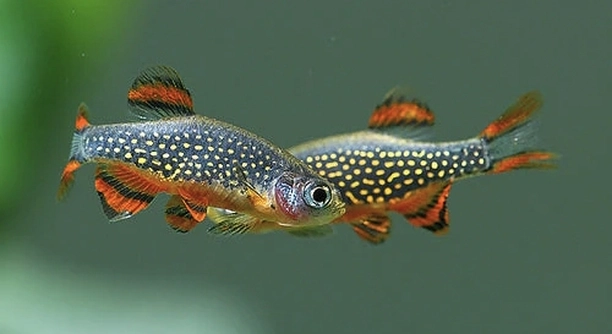
Are your aquariums thriving but feel ready for some lively additions? Introducing danios can bring energy and movement to a mature tank, enhancing both visual appeal and the overall dynamic of your aquatic environment.
Adding danios to an established aquarium requires careful consideration of tank size, existing fish species, water parameters, and gradual acclimation. Following a structured approach ensures compatibility, reduces stress, and supports the long-term health of both new and resident fish.
Proper planning and timing are essential to integrate danios successfully, ensuring your tank remains balanced, healthy, and full of activity.
Choosing the Right Danio Species
Selecting the right danio species is crucial for maintaining harmony in a mature tank. Zebra danios are the most common, known for their hardiness and adaptability, making them ideal for established aquariums. Leopard danios offer vibrant patterns, adding visual interest without aggressive behavior. Giant danios can coexist with larger fish, but their size may intimidate smaller species. When choosing, consider your tank’s current inhabitants, their activity levels, and their temperament. Also, evaluate water temperature and pH requirements to ensure compatibility. Proper research before purchase helps prevent unnecessary stress and potential conflict among fish. Observing the danios in the store for signs of health, such as clear eyes and smooth scales, can also make a difference. Small decisions in selection can have long-lasting impacts on tank balance and aesthetic appeal. Each species brings unique traits, so choose one that complements your established community for a peaceful and lively tank environment.
Matching the species to your tank ensures minimal disruption and promotes a healthy ecosystem.
Proper selection is the first step toward successful integration. It sets the tone for all future interactions and helps maintain a balanced environment. Taking time to understand species compatibility reduces the risk of stress, aggression, or illness. When selecting danios, it’s important to consider their schooling behavior. Danios are social and thrive in groups of at least five, so plan accordingly to prevent isolation. Monitoring your tank’s dynamics after introduction can provide insights into how well the new fish are adjusting. Adjusting water parameters gradually, feeding routines, and observing interactions are essential steps. Over time, well-chosen danios can become an active, harmonious part of your mature aquarium, contributing both energy and aesthetic appeal.
Preparing the Mature Tank
Before adding danios, ensure your tank is stable and well-maintained. Clean the substrate, check filtration, and confirm water parameters are consistent.
Introduce new fish gradually to avoid sudden stress. Quarantine them if possible and acclimate slowly using the drip method. Maintain observation for the first few days.
A mature tank may contain territorial fish, so provide hiding spots and plants to reduce aggression. Monitor interactions closely and be prepared to separate if necessary. Small adjustments, such as rearranging decorations, can help newcomers find comfort zones. Consistent feeding and water changes help maintain balance during the introduction. Proper preparation creates a calm environment, ensuring danios adjust without disrupting the existing tank dynamics.
Acclimating New Danios
Slow acclimation reduces stress and prevents shock. Float the bag in the tank for 15–20 minutes, then gradually mix tank water into the bag.
After initial floating, drip acclimation over 30–60 minutes is ideal. This method allows danios to adjust to temperature, pH, and water chemistry. Sudden changes can cause stress, illness, or death. Using a clean container and avoiding direct handling minimizes risk of injury. Observe the fish closely during this process, noting any signs of lethargy or unusual behavior. Proper acclimation ensures the new fish enter the tank with minimal disruption to the established ecosystem.
Monitor the fish closely during the first few hours after introduction. Avoid feeding immediately, as stress can inhibit appetite. Provide shaded areas or plants to reduce exposure. Maintain normal filtration and aeration, but watch for any sudden aggression from tankmates. Removing overly aggressive individuals temporarily can prevent injuries. Continue to observe behavior over the next several days, noting swimming patterns, interaction with other fish, and response to feeding. Gradual acclimation and careful monitoring help the danios settle in safely, contributing to a harmonious, active tank environment.
Feeding Strategies for Danios
Feed small amounts multiple times a day to match danios’ fast metabolism. Avoid overfeeding to prevent water quality issues.
Danios thrive on a varied diet including flakes, micro pellets, and live or frozen foods. Feeding several times daily in small portions encourages natural foraging behavior and prevents uneaten food from decaying. Monitor feeding closely to ensure all fish get an adequate share. Adjust feeding quantities according to tank population and activity levels. Live foods like brine shrimp or daphnia can enhance coloration and stimulate activity. Avoid introducing food that can upset water chemistry, as danios are sensitive to sudden changes. Proper feeding supports growth, vitality, and social interaction within the tank.
Maintaining a consistent feeding schedule is key for health. Observe the danios during meals to ensure no one is being bullied or starved. Remove leftover food to keep water clean and prevent algae growth. Rotate diet types to provide essential nutrients and promote vibrant coloration. Pay attention to the size of food particles, as small mouths require appropriately sized flakes or micro pellets. Over time, feeding routines establish a predictable pattern, reducing stress and encouraging regular activity. Well-fed danios are more likely to exhibit natural schooling behavior and interact positively with other tank inhabitants.
Monitoring Water Quality
Regularly test water parameters, including ammonia, nitrite, nitrate, and pH. Stable water conditions are crucial for danios’ health and overall tank balance.
Perform partial water changes weekly to maintain cleanliness. Remove uneaten food and debris to prevent spikes in harmful chemicals.
Observing Social Behavior
Danios are active and social fish. Watch for signs of aggression or isolation to ensure all members are integrating properly. Schooling behavior indicates comfort, while hiding or erratic swimming may signal stress. Early intervention can prevent conflicts and health issues in the tank.
Tank Decorations and Hiding Spots
Provide plants, rocks, or driftwood to create shelter and reduce stress. Danios benefit from spaces to retreat during interactions or when resting. Properly placed hiding spots help maintain harmony among tank inhabitants and encourage natural behaviors.
Managing Aggression
If aggression arises, separate the aggressive fish temporarily or rearrange decorations to disrupt established territories. Observe interactions to maintain a peaceful environment and prevent injury.
FAQ
How many danios should I add to a mature tank?
Danios are schooling fish and feel most comfortable in groups of at least five. Adding fewer can cause stress and unusual behavior. Consider your tank size and the number of existing fish to avoid overcrowding. A small school also helps distribute activity evenly and reduces territorial disputes.
Can danios coexist with other species?
Yes, they are generally peaceful and adapt well to community tanks. Avoid pairing them with very slow-moving or long-finned species, as danios are fast swimmers and may nip fins. Research compatibility with your current fish to prevent stress or injuries.
What is the best water temperature for danios?
Most danios thrive between 64–75°F (18–24°C). Keeping the temperature stable is essential, as sudden changes can weaken their immune system. Mature tanks often have stable temperatures, but always monitor daily to maintain comfort.
Do danios require special feeding?
Danios have simple dietary needs but benefit from variety. Flakes, micro pellets, and occasional live or frozen foods like brine shrimp work well. Feed small amounts multiple times a day to prevent overeating and maintain water quality. Observe that all fish get their share during feeding.
How can I prevent stress when introducing new danios?
Acclimation is key. Float the bag in the tank, then gradually add tank water over 30–60 minutes. Provide hiding spots and observe behavior during the first few days. Avoid overhandling and sudden changes in water parameters to reduce stress effectively.
Will danios damage plants or decorations?
Generally, no. They are active swimmers but not destructive. Live plants may sway in the current they create, but danios do not uproot or chew vegetation. Decorations should be secure to avoid tipping from energetic swimming.
How can I tell if my danios are healthy?
Healthy danios swim actively, show vibrant colors, and eat readily. Watch for signs of stress, such as hiding, clamped fins, or erratic swimming. Regular water testing and observation help catch early signs of illness before they become serious.
Do danios breed in a mature tank?
They can, especially if conditions are favorable with stable water and plenty of hiding spots for fry. Breeding may be limited in community tanks, as other fish may eat the eggs. Consider a separate breeding tank if reproduction is a goal.
How often should I clean the tank after adding danios?
Partial water changes once a week are typically sufficient. Monitor water parameters to ensure ammonia and nitrite remain at zero. Uneaten food should be removed daily to prevent spikes in waste and maintain a healthy environment.
Can danios live long in a mature tank?
Yes, with proper care, danios can live 3–5 years or longer. Stable water conditions, regular feeding, and monitoring for stress or disease are critical. Maintaining a peaceful, balanced tank environment supports their longevity and overall wellbeing.
What should I do if aggression occurs?
If aggression is observed, separate the aggressive fish temporarily or rearrange tank decorations to break up territories. Keep monitoring interactions until harmony is restored. Early intervention prevents injuries and reduces stress for both new and established fish.
How important is lighting for danios?
Lighting is important for maintaining natural behavior and coloration. Moderate lighting that mimics a natural day-night cycle helps them stay active during the day and rest at night. Avoid excessively bright lights that may stress the fish.
Are danios sensitive to water chemistry?
They are relatively hardy but thrive in stable water with pH around 6.5–7.5. Regular testing ensures ammonia, nitrite, and nitrate remain at safe levels. Sudden chemical changes can lead to stress or illness, so gradual adjustments are always better.
Can I add danios at any time of the year?
Yes, as long as the tank conditions are stable. Avoid adding during major changes like water heater maintenance or cleaning cycles that may temporarily affect water chemistry. Consistency is more important than the season.
How do I encourage schooling behavior?
Keep at least five danios together and provide open swimming areas. Limited hiding spots or overcrowding can reduce schooling. Observing their interaction helps ensure they are comfortable and active as a group.
Is quarantine necessary for new danios?
Quarantining is recommended to prevent introducing disease into a mature tank. A 2–3 week quarantine allows observation for illness and ensures any treatment occurs outside the main aquarium, protecting existing fish.
How do I know if danios are stressed?
Signs include hiding, clamped fins, rapid gill movement, or erratic swimming. Stress can be caused by aggression, poor water quality, or sudden environmental changes. Identifying stress early allows corrective action before it affects health.
Can danios adapt to different tank sizes?
They are adaptable but need space to swim actively. Larger tanks are preferred, especially for schools. Small tanks may restrict movement, leading to stress or reduced vitality. Proper planning ensures danios thrive without overcrowding or territorial conflicts.
What role do danios play in a mature tank?
Danios add energy, color, and activity. Their schooling creates movement that can stimulate other fish and make the tank visually dynamic. They help establish a lively, balanced ecosystem while remaining generally peaceful.
How do I handle sudden illness?
Isolate the affected fish in a separate container. Test water parameters and correct any issues. Administer treatment carefully, observing dosage instructions. Quick action can prevent spread and maintain tank health.
What maintenance changes are needed after adding danios?
Monitor water quality more frequently for the first few weeks. Adjust feeding amounts, ensure adequate oxygenation, and remove uneaten food. Gradually, the tank stabilizes, but careful observation is essential during the adjustment period.
How long should I wait before adding more danios?
Allow at least 2–4 weeks for the first group to settle. Observe behavior, feeding, and water quality. Only add more if the tank remains stable and all fish appear healthy, preventing overcrowding and stress.
Are there signs danios are happy in the tank?
Active schooling, bright coloration, regular feeding, and exploration indicate comfort. They interact with other fish naturally and utilize open areas without constant hiding. Happy danios contribute to a balanced, energetic aquarium atmosphere.
Adding danios to a mature tank can bring life, color, and activity to an established aquarium. They are lively fish that move constantly, creating a dynamic and engaging environment. Choosing the right species is essential, as it ensures compatibility with existing tank mates. Zebra danios are hardy and adaptable, making them ideal for most mature tanks, while leopard or giant danios provide variety in size and appearance. Considering the temperament, size, and activity level of your current fish helps prevent stress or aggression. Proper research and careful selection are the first steps toward successful integration, setting the foundation for a balanced and harmonious tank. Danios thrive in groups, so planning for a suitable number is important to encourage natural schooling behavior. When introduced thoughtfully, they can complement your aquarium’s ecosystem without causing disruption.
Maintaining water quality and providing a stable environment are critical for the health of both new and established fish. Regular testing of ammonia, nitrite, nitrate, and pH levels ensures that conditions remain suitable for all inhabitants. Partial water changes, careful feeding, and removal of uneaten food help prevent spikes in harmful chemicals. Acclimating new danios gradually reduces stress and helps them adjust to temperature, pH, and water chemistry. Observing behavior closely during the first few days can highlight potential issues, allowing for early intervention if aggression or stress appears. Providing hiding spots and adequate swimming space also supports their comfort, allowing them to explore the tank safely. Paying attention to these details helps create a calm, balanced environment where all fish can thrive together.
Feeding, social behavior, and overall care play equally important roles in the long-term success of adding danios. Offering a varied diet, including flakes, micro pellets, and occasional live or frozen foods, ensures proper nutrition and vibrant coloration. Monitoring interactions within the tank supports harmony, as danios are generally peaceful but can become stressed if crowded or bullied. Introducing them gradually and observing schooling patterns helps maintain a natural balance. Over time, these active fish will integrate seamlessly, providing movement and energy that enhances the visual appeal of the aquarium. By following careful preparation, consistent care, and attentive observation, a mature tank can flourish with the addition of danios, resulting in a lively, healthy, and visually engaging aquatic environment that benefits every inhabitant.

Hello,
If you enjoy the content that we create, please consider saying a "Thank You!" by leaving a tip.
Every little bit helps us continue crafting quality advice that supports the health, happiness, and well-being of pets around the world, for pets of all shapes, sizes, and species.
We really appreciate the kindness and support that you show us!