
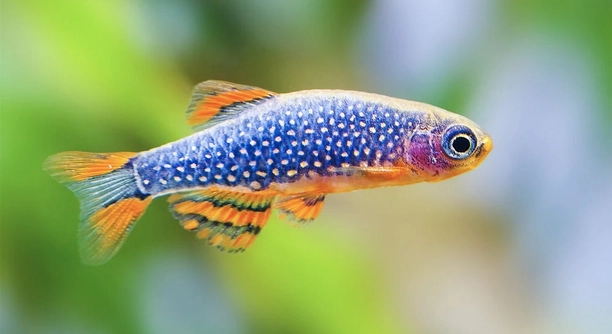
Introducing fry to your home can be exciting but also a little overwhelming. Many new owners make small mistakes without realizing it. Knowing what to avoid can help ensure fry grow healthy and strong in their new environment.
The most important considerations when introducing fry include avoiding sudden water changes, overfeeding, mixing incompatible species, overcrowding, inadequate hiding spaces, poor water quality, and improper acclimation. Each factor can significantly impact fry survival and development.
Following these guidelines will make the first days less stressful and support healthy growth. Paying attention now can prevent problems later as fry start to thrive.
Sudden Water Changes
Sudden water changes are one of the most common mistakes when introducing fry. Fry are extremely sensitive to shifts in temperature, pH, and general water chemistry. Even small differences can shock their systems, leading to stress or death. It’s important to make any water adjustments gradually over several hours. Using a drip acclimation method can help the fry adapt safely to new conditions. Always test the water for ammonia, nitrites, and nitrates before introducing fry. Avoid adding untreated tap water directly, as chlorine and other chemicals can be harmful. Keeping water parameters stable ensures that fry can focus on growing rather than fighting off stress. Observing their behavior during changes can help you gauge if the acclimation is going smoothly. Healthy fry will swim actively, feed well, and show consistent coloration. Regular monitoring during the first days is essential to prevent any avoidable losses.
Gradual acclimation reduces stress and supports healthy growth. Patience here can save many fry.
Careful attention to water changes goes beyond just adding fresh water. Using the drip method or slowly mixing new water with the tank water allows fry to adjust naturally. Even small, unnoticed chemical differences in water can disrupt their balance. Temperature, pH, and dissolved oxygen levels must be close to what they were in the previous environment. Rapid adjustments can make fry sluggish or cause them to hide excessively. Observing their response during the transition is key. If you notice lethargy or abnormal swimming, slow the process and reassess water quality. Proper filtration and partial water changes on a regular schedule also help maintain consistency. Many beginners overlook how minor changes can accumulate, stressing fry over time. By keeping water parameters stable and acclimating carefully, fry can focus on feeding, growing, and developing normally without unnecessary stress.
Overfeeding Fry
Overfeeding fry is easy to do because they seem so small and hungry. It’s tempting to give them frequent meals, but too much food pollutes the water quickly, causing spikes in ammonia and nitrites that can be fatal. Uneaten food can decay fast, leading to poor water quality.
Proper feeding means giving tiny portions multiple times a day and removing leftovers promptly.
Feeding fry correctly involves balancing quantity and frequency. Start with very small amounts they can consume in a few minutes. Use a fine mesh or specialized fry food to make it easier for them to eat. Observe their behavior during feeding to see if they are actively eating or leaving food behind. Too much uneaten food leads to clouded water and bacterial growth, stressing the fry. Water testing after feeding is helpful to ensure no harmful chemical spikes occur. Adjust portion sizes as the fry grow, gradually increasing food but maintaining the same careful monitoring. Consistency in feeding habits supports strong, healthy development and reduces the risk of disease or malnutrition. Even with proper water conditions, overfeeding can undo your best efforts, so it’s important to stay attentive and disciplined.
Mixing Incompatible Species
Mixing incompatible species can quickly lead to stress or predation. Some fish see fry as food, while others may outcompete them for resources. Choosing peaceful tank mates is essential to give fry a safe start.
Keeping fry with larger or aggressive species increases the risk of injury or death. Even fish that seem calm may act unpredictably when fry are present. Consider a separate nursery tank or using a mesh breeder box to protect fry while still allowing water flow. Observing interactions is important because some species may tolerate fry for a while but turn aggressive as they grow. Providing hiding spots like plants or small decorations also helps reduce stress and gives fry a place to escape. Careful planning of tank composition ensures fry have space to grow without constant threats, allowing them to develop normally. Protecting fry from aggression early improves survival and long-term health.
Using a dedicated space for fry prevents unnecessary losses and gives them time to grow safely.
Overcrowding
Overcrowding can stunt fry growth and increase disease risk. Too many fry in one tank reduce oxygen levels and create competition for food, slowing development.
Maintaining proper density is key. Too many fry can cause rapid waste accumulation, leading to spikes in ammonia and nitrites. Each fry needs adequate space to swim, feed, and develop. Overcrowding stresses fish, making them more vulnerable to infections. Separating fry into multiple tanks or using partition systems helps control numbers. Monitoring water quality and adjusting feeding can mitigate overcrowding effects, but prevention is always better. Fry grow faster and stay healthier in less crowded environments. Providing proper space also reduces aggression among fry, creating a calmer tank. Consistent observation allows for timely intervention before overcrowding causes serious problems. Planning tank capacity carefully ensures fry thrive from the start.
Inadequate Hiding Spaces
Fry need hiding spaces to feel secure and avoid stress. Without plants, rocks, or other cover, they can become easy targets and may struggle to grow.
Providing small shelters and dense plants helps fry feel safe. Hiding spaces reduce stress and give them room to explore without constant danger.
Poor Water Quality
Poor water quality can stunt growth and lead to disease in fry. Ammonia, nitrite, and nitrate levels must be monitored closely. Frequent water testing and partial water changes are essential to maintain safe conditions.
Keeping the tank clean and filtering properly ensures fry remain healthy. Uneaten food and waste should be removed promptly. Consistent water maintenance reduces stress and prevents infections, giving fry the best chance to grow strong and thrive in a stable environment.
Improper Acclimation
Rushing fry into a new tank can shock them. Gradually adjusting temperature and water chemistry is essential to prevent stress and improve survival.
FAQ
How often should I feed fry?
Fry should be fed small amounts several times a day. Their tiny stomachs can only handle little food at a time. Overfeeding can quickly pollute the water, so give amounts they can finish in a few minutes and remove leftovers promptly.
What is the best way to acclimate fry to a new tank?
Use a gradual method like drip acclimation to adjust fry to the new water. Slowly mixing tank water with their old water over a few hours helps prevent shock. Avoid sudden temperature or pH changes to reduce stress and support healthy adaptation.
Can fry survive with adult fish in the same tank?
Some adult fish may eat fry, while others can outcompete them for food. It’s safest to use a separate tank or breeder box. Providing hiding spaces can help, but a dedicated fry area gives the best chance of survival and growth.
How do I know if my fry are stressed?
Signs of stress include hiding constantly, sluggish swimming, loss of appetite, or clamped fins. Stress often results from water quality issues, sudden changes, overcrowding, or aggressive tank mates. Monitoring behavior helps detect problems early so you can intervene quickly.
How much space do fry need?
Fry need enough space to swim freely and grow. Overcrowding can stunt growth and increase disease risk. Use a proper tank size or divide fry into multiple tanks as they grow. Ensuring adequate space reduces competition and supports healthy development.
What type of water conditions do fry need?
Stable water is crucial. Maintain appropriate temperature, pH, and clean water free of ammonia, nitrites, and high nitrate levels. Frequent water testing and partial changes help maintain safe conditions. Proper filtration and regular monitoring ensure fry remain healthy and stress-free.
How do I prevent disease in fry?
Maintain clean water and avoid overfeeding. Quarantine new fish before adding them to the fry tank. Avoid overcrowding, provide proper nutrition, and ensure hiding spots to reduce stress. Healthy water and careful observation are the best prevention against infections and growth issues.
Can I use tap water for fry?
Tap water must be treated to remove chlorine and chloramines before use. Untreated tap water can harm or kill fry. Test water parameters and adjust as needed to match their current environment. Gradual acclimation ensures fry can adapt safely to the new water.
When should I start feeding fry solid food?
Fry can start on finely crushed flakes, powdered food, or specialized fry food after their yolk sacs are absorbed. Introduce food slowly and in small amounts. Ensure they are actually eating and remove uneaten food promptly to maintain water quality.
How do I encourage fry to grow evenly?
Provide consistent feeding, clean water, and enough space. Avoid overcrowding and separate fry if some are being bullied or outcompeted. Observing them daily helps spot any slow-growing individuals and allows you to make adjustments to ensure even development.
Is it necessary to use a heater in a fry tank?
Most fry benefit from stable, warm water to support growth. Sudden drops in temperature can cause stress or illness. Use a reliable heater and monitor temperature consistently to keep conditions safe and conducive to development.
What should I do if a fry dies?
Remove deceased fry immediately to prevent water contamination. Check water quality and feeding practices to identify potential issues. Investigating causes early helps protect the remaining fry and maintain a healthy tank environment.
How long does it take for fry to grow into juveniles?
Growth rates vary by species and conditions. With proper care, most fry start developing juvenile features within a few weeks. Providing adequate food, space, and stable water accelerates growth and ensures they mature healthily.
Can I use live plants in a fry tank?
Live plants are beneficial because they offer hiding spots and help maintain water quality. Plants also provide surfaces for biofilm, which some fry can graze on. Choose gentle plants that won’t outcompete fry or release toxins into the water.
How often should I clean a fry tank?
Partial water changes several times a week are usually sufficient. Remove uneaten food and debris daily. Deep cleaning should be minimal to avoid stressing fry. Consistent maintenance supports healthy growth without introducing harmful fluctuations.
How do I tell if fry are eating enough?
Healthy fry are active and consistently feeding during meals. Uneaten food may indicate they are full or the portions are too large. Adjust feeding amounts and observe behavior to ensure all fry are getting adequate nutrition.
Can fry tolerate different types of water?
Fry are sensitive to changes in water chemistry. Sudden shifts in pH, hardness, or temperature can cause stress. Gradual acclimation and stable conditions are essential to keep fry healthy and growing without unnecessary setbacks.
What role does oxygen play in fry survival?
Adequate oxygen is critical. Fry are small but need constant access to well-oxygenated water. Overcrowding or poor water circulation reduces oxygen levels, stressing fry. Using gentle filtration or aeration ensures they have enough oxygen to thrive.
Are hiding spaces necessary even if adult fish aren’t present?
Yes, fry feel safer with plants or decorations to explore and hide. Even without predators, hiding spaces reduce stress, encourage natural behavior, and provide shelter as they grow. Stress-free fry grow faster and healthier in a protected environment.
How long should I keep fry separate from other fish?
Keep fry separate until they are large enough to avoid predation and compete successfully for food. This period varies by species but usually lasts several weeks. Gradually introduce them to other fish once they can swim confidently and tolerate normal tank conditions.
What is the most common mistake beginners make with fry?
Beginners often overfeed, overcrowd, or rush acclimation. These errors can quickly reduce survival rates. Careful attention to water quality, feeding, and space ensures fry thrive and develop properly. Observing their behavior helps catch mistakes before serious problems occur.
Can fry survive without specialized fry food?
Some fry can eat finely crushed flakes, micro worms, or infusoria, but specialized fry food is formulated for growth and nutrition. Using proper food improves survival rates, supports development, and reduces the risk of nutritional deficiencies.
How do I introduce new fry to an existing tank?
Acclimate them gradually using drip methods or by mixing water slowly. Ensure the tank has proper hiding spaces and water conditions. Monitor behavior closely to prevent stress, aggression, or water quality issues. Taking it slow maximizes survival chances.
What signs indicate healthy fry?
Active swimming, steady growth, bright coloration, and consistent feeding are all signs of healthy fry. Fry that hide excessively, move sluggishly, or fail to eat may be stressed or sick. Daily observation helps track their well-being.
How can I prevent fry from being bullied?
Provide plenty of hiding spots, sufficient space, and avoid overcrowding. Separating aggressive individuals or using barriers can help. Ensuring even food distribution reduces competition and promotes calm, healthy growth.
How important is water temperature for fry?
Temperature affects metabolism and growth. Too cold or too hot water can slow development or cause stress. Stable, appropriate temperatures encourage proper feeding and growth, while fluctuations can harm fry survival.
Can fry survive without hiding spots if they are the only fish?
While not always fatal, fry without hiding spaces experience more stress and may grow slower. Providing cover encourages natural behavior, reduces anxiety, and supports healthy development even in peaceful tanks.
How long should I wait before changing water in a fry tank?
Frequent small partial changes are better than large, infrequent ones. Daily observation and minor adjustments prevent stress. Sudden large changes can shock fry, so consistent monitoring ensures stability and safety.
Is filtration necessary in a fry tank?
Yes, gentle filtration helps maintain clean water and oxygen levels. Strong currents can harm fry, so choose filters that provide circulation without creating strong flows. Proper filtration reduces disease risk and keeps the environment stable.
Can fry tolerate tap water additives?
Only use water conditioners safe for fry. Avoid chemicals that stress or harm them. Always treat water to remove chlorine, chloramine, and heavy metals before introducing fry. Safety first ensures healthy growth.
How do I prevent fungal infections in fry?
Keep water clean, avoid overfeeding, and remove dead fry immediately. Maintaining proper temperature and oxygen levels helps prevent fungal growth. Healthy fry in stable conditions are less prone to infections.
Are live foods necessary for fry growth?
Live foods can provide extra nutrition and stimulate natural hunting behavior, but high-quality prepared fry food is usually sufficient. A mix can be beneficial, but consistency in feeding and water quality matters most.
How do I know when fry are ready to eat adult food?
When fry are large enough to consume standard flakes or pellets and can compete for food without stress, you can gradually transition them. Start with small portions and observe feeding behavior.
What is the ideal pH range for most fry?
Most freshwater fry do well in neutral to slightly acidic or slightly alkaline water, depending on species. Stability is more important than exact numbers. Frequent testing ensures conditions remain safe.
Can fry survive in a planted tank?
Yes, planted tanks are ideal. Plants provide hiding spots, reduce stress, and improve water quality. Make sure plants are gentle and do not outcompete fry for food or space.
How long should fry be observed each day?
Daily observation is crucial, even for a few minutes. Watch feeding, swimming behavior, and interactions to detect stress or illness early. Consistent monitoring helps prevent small issues from becoming major problems.
What temperature fluctuations are safe for fry?
Keep changes minimal, ideally less than 1–2°C at a time. Sudden shifts can shock fry and impact growth. Gradual adjustments allow them to adapt without stress.
How do I remove uneaten food safely?
Use a small net, siphon, or pipette to remove leftover food. Avoid disturbing fry too much, and act quickly to prevent water quality deterioration and stress.
Can fry survive without oxygen supplementation?
Fry need adequate oxygen. Gentle aeration or circulation ensures they have enough to thrive. Overcrowding or stagnant water reduces oxygen levels and can harm growth and survival.
How often should I test water parameters for fry?
Check water daily at first, focusing on ammonia, nitrites, nitrates, and temperature. Frequent monitoring helps catch issues early and maintain a safe, stable environment for growth.
What signs show fry are stressed from poor water quality?
Signs include sluggish movement, gasping at the surface, loss of appetite, and abnormal swimming. Immediate water testing and correction of issues can prevent fatalities.
Is it necessary to separate fry by size?
Yes, separating significantly smaller fry from larger ones prevents bullying and competition for food. This helps even growth and reduces stress-related injuries.
How do I transition fry to new water after acclimation?
Introduce them slowly over several hours, matching temperature and chemistry gradually. Observe behavior and adjust pace if signs of stress appear. Gradual transitions reduce shock and improve survival.
Can fry survive without hiding spaces if there are no predators?
While they may survive, hiding spaces reduce stress and encourage natural behavior. Even in safe tanks, cover supports calmer, healthier growth and helps shy individuals.
What is the most critical factor for fry survival?
Stable water quality, proper feeding, adequate space, and protection from stress are all essential. Consistent care ensures fry thrive and develop into healthy juveniles.
How often should fry tanks be monitored for ammonia?
Daily checks during early development are ideal. Ammonia spikes are dangerous for fry, and early detection allows timely partial water changes to maintain safe conditions.
Can fry survive with fluctuating pH levels?
Frequent pH changes cause stress and can lead to disease or death. Gradual adjustments are necessary if water chemistry must be altered. Stability is more important than exact pH values.
Are live plants always better than artificial ones?
Live plants offer additional benefits like oxygenation, hiding spots, and biofilm for grazing. Artificial plants can provide cover but lack these benefits. Both can be used, but live plants improve overall health.
How do I encourage shy fry to eat?
Place food near hiding spots and offer small portions. Observe quietly and avoid sudden movements. Fry feel safer and are more likely to feed when stress is minimized.
Can fry survive in unheated water?
Some species tolerate cooler water, but most grow slower and may be more vulnerable to disease. Stable temperatures suited to the species are preferred for optimal growth.
How do I prevent overcrowding as fry grow?
Plan tank size ahead and separate fry into multiple tanks if necessary. Monitor growth and adjust numbers gradually to maintain space and reduce competition.
What is the safest way to move fry between tanks?
Use a small container with tank water, keeping them calm. Avoid sudden changes in temperature or water chemistry. Introduce them slowly to reduce stress and increase survival chances.
How can I tell if fry are getting enough oxygen?
Active swimming, normal breathing, and avoiding gasping at the surface indicate sufficient oxygen. If fry seem sluggish or cluster near aeration points, oxygen levels may be too low.
Can fry survive in tanks with strong currents?
Strong currents can exhaust fry and increase stress. Use gentle circulation or low-flow filters to maintain water movement without overwhelming them.
How long should fry be fed live food versus dry food?
Live food can be offered in the early stages to stimulate feeding and provide nutrition. Gradually transition to high-quality dry or powdered fry food as they grow to ensure balanced nutrition.
What is the best way to prevent fungal infections in fry?
Keep water clean, remove dead fry promptly, and maintain stable temperature and oxygen. Healthy conditions and proper nutrition minimize fungal growth and other infections.
Can fry survive with minimal hiding spots if the tank is well-planted?
Yes, dense plants serve as natural hiding areas, reducing stress and supporting healthy growth. Minimal additional shelters may still be beneficial for shy individuals.
How do I know when fry are ready for adult tank conditions?
When they are large enough to handle competition for food and can tolerate normal water parameters, gradual introduction to adult tanks is safe. Monitor closely during the transition.
What is the most important daily task for fry care?
Feeding appropriate amounts, observing behavior, and checking water quality are essential. Consistency in these tasks supports healthy growth and prevents avoidable problems.
How long should I quarantine new fry before adding them to a tank?
Quarantine for at least a week to monitor for disease. This prevents spreading illness to existing fry and ensures new arrivals are healthy before mixing.
Can fry tolerate slightly higher nitrate levels?
Even slightly elevated nitrates can stress fry. Keeping nitrate levels as low as possible reduces disease risk and supports consistent growth.
How do I prevent fry from being overfed by mistake?
Use measured portions and observe feeding closely. Remove leftovers promptly and avoid the temptation to add extra, even if they seem hungry.
What is the ideal growth rate for healthy fry?
Growth varies by species, but consistent feeding, proper water quality, and adequate space usually result in steady, visible increases in size weekly. Monitor progress to ensure even development.
How often should I change water in a fry tank during early growth?
Frequent small changes are better than large infrequent ones. Daily observation allows adjustments to maintain safe conditions and prevent sudden water parameter swings.
Are there any signs of malnutrition in fry?
Slow growth, pale coloration, lethargy, and reduced appetite indicate potential nutritional deficiencies. Adjust diet and feeding schedule to correct issues promptly.
Can fry survive in tanks without filtration if water is changed often?
Frequent water changes help, but filtration provides stable oxygen levels and reduces waste accumulation. A gentle filter is recommended even with regular water changes.
How do I avoid accidental predation in a mixed-species tank?
Keep fry separated until they are large enough to avoid being eaten. Use breeder boxes or separate tanks to ensure survival while maintaining water circulation and temperature.
What is the most common feeding mistake with fry?
Overfeeding or giving food that is too large for their mouths. Small, frequent meals with appropriate-sized food are crucial to prevent water pollution and support growth.
How important is light for fry tanks?
Moderate lighting supports plant growth and helps fry orient themselves. Avoid intense light that stresses them. Day-night cycles promote healthy behavior and growth.
How do I prevent overcrowding as fry grow rapidly?
Plan tank size ahead and move fry to additional tanks as needed. Monitor numbers and growth to maintain adequate space and reduce stress-related issues.
Can fry survive in different water hardness levels?
Some fry are sensitive to hardness changes. Gradual adjustments help them adapt, but stability is more important than exact hardness values.
How do I handle sick fry without harming others?
Isolate sick fry in a separate tank or container, treat carefully, and monitor closely. Quarantine prevents disease spread and allows targeted care.
Can fry tolerate small temperature fluctuations at night?
Minor nightly drops are usually tolerable, but large swings can stress fry. Keep temperature as stable as possible for optimal growth.
How do I encourage fry to explore the tank safely?
Provide gentle currents, hiding spots, and consistent feeding areas. Avoid sudden disturbances to let them swim and feed without stress.
What should I do if fry refuse to eat?
Check water quality, ensure food is suitable, and observe for signs of illness. Adjust feeding methods and maintain stable conditions to encourage feeding.
Can fry survive without a heater in tropical species tanks?
Tropical fry usually require warm, stable temperatures. Without a heater, growth slows and survival drops. Use a reliable heater to maintain ideal conditions.
How often should I clean decorations and plants in a fry tank?
Clean gently during partial water changes to remove debris without disturbing fry. Deep cleaning should be avoided to prevent stress and sudden water parameter changes.
What is the best way to measure fry growth?
Use small rulers or observe relative size weekly. Keep track of even growth across the group and separate slower-growing individuals if necessary to prevent competition.
Can fry survive without live plants if water quality is excellent?
Yes, but live plants provide natural cover, reduce stress, and help maintain water quality. Even with clean water, plants improve overall fry health and behavior.
How do I prevent water contamination from decaying food?
Remove uneaten food promptly, feed small portions, and monitor water quality. Proper filtration and aeration also help maintain a safe environment for fry.
Can fry survive with minimal aeration?
Gentle circulation is important to provide oxygen without stressing fry. Stagnant water can reduce oxygen levels, slowing growth or causing mortality.
How do I know if fry are ready for partial water changes?
Once they are active, feeding well, and showing normal behavior, small partial changes can begin. Observe closely for stress and adjust accordingly.
**Can fry survive without hiding places if tank
Introducing fry into a tank can be a rewarding experience, but it requires careful attention to detail. Fry are delicate and sensitive to many factors that adult fish can tolerate. Their environment must be stable, clean, and safe for them to thrive. Small mistakes can lead to stress, slowed growth, or even death, so following proper care practices is essential. Avoiding sudden water changes, overcrowding, and incompatible tank mates are some of the first steps toward creating a suitable habitat. Providing hiding spaces, stable water conditions, and appropriate food helps fry develop strong and healthy. Paying attention to these basic needs early makes a noticeable difference in their survival and long-term growth.
Feeding fry correctly is just as important as maintaining water quality. They have tiny stomachs and require frequent, small meals rather than large portions. Overfeeding can lead to water pollution, which in turn causes health issues and can overwhelm filtration systems. Choosing the right type of food for their stage of development ensures proper nutrition and supports growth. Watching their behavior during feeding helps detect if some fry are being left out or if they are stressed. Adjusting feeding schedules and portion sizes as they grow ensures they develop evenly and remain active. Regular observation is also important for spotting early signs of illness or stress, allowing for quick intervention before problems worsen.
Finally, patience and consistency are key to raising fry successfully. Proper acclimation, gradual adjustments in water parameters, and careful monitoring create a secure environment that supports healthy development. Fry benefit from gentle filtration, adequate space, and quiet surroundings, as sudden disturbances can cause stress. Maintaining stable conditions and addressing problems early prevents setbacks and improves survival rates. While fry require more care than adult fish, the effort pays off as they grow into strong, healthy juveniles. With careful attention to water quality, feeding, space, and shelter, fry can thrive and develop properly, giving you a rewarding and successful experience in fish care.

Hello,
If you enjoy the content that we create, please consider saying a "Thank You!" by leaving a tip.
Every little bit helps us continue crafting quality advice that supports the health, happiness, and well-being of pets around the world, for pets of all shapes, sizes, and species.
We really appreciate the kindness and support that you show us!