
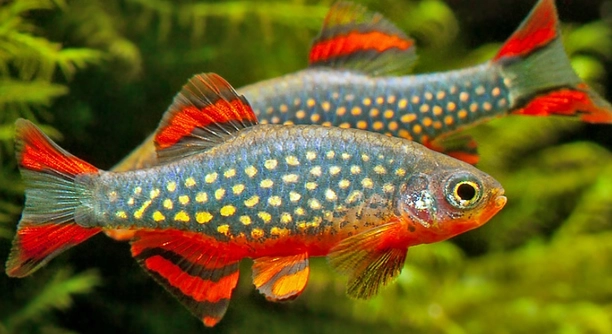
Danios are small, active fish that often swim together in groups. Their movements can seem random, but they use subtle behaviors to navigate around each other and maintain personal space in their tanks.
Danios establish space through gentle nudges, fin displays, brief chasing, and positioning themselves strategically in the tank. These interactions reduce conflict while allowing each fish to maintain its preferred area, ensuring a balanced and stable social environment within the group.
Observing these behaviors can help you understand your danios’ social dynamics and create a more harmonious tank environment for them to thrive.
Gentle Nudging and Body Contact
Danios often use light nudges or brief touches to communicate boundaries without causing harm. These movements are rarely aggressive and are more about signaling presence and intention. When a danio swims close and lightly nudges another, it is marking its position or checking the other fish’s reaction. Over time, fish learn to respect these signals, which helps prevent unnecessary conflict. This behavior can be subtle, sometimes only noticeable if you watch the tank closely. Many aquarists overlook it, thinking the fish are simply brushing past one another. In reality, this is a sophisticated way of establishing space and maintaining group harmony. Paying attention to these interactions allows you to see the social patterns and understand which fish are more dominant or more passive.
These nudges and contacts are intentional signals. They maintain order, reduce stress, and allow each fish to occupy its own space effectively.
Watching these gentle touches over time makes it easier to anticipate conflicts and understand how danios naturally interact in shared tanks. Patterns emerge, showing who leads, who follows, and how boundaries are respected among group members.
Fin Displays and Posturing
Fin displays are a common non-aggressive way for danios to establish presence and authority.
By spreading their fins or raising their dorsal fin, danios communicate confidence and territory without physical confrontation. This signaling allows fish to assess each other visually, reducing direct conflict. Observing these movements shows which fish feel secure and which are more submissive. Over time, the group forms a balance, with less dominant fish keeping distance and more dominant ones taking central positions. Fin displays can occur during feeding, swimming, or moments of curiosity. Recognizing these signs helps aquarists manage tank space more effectively and ensure fish are not stressed by overcrowding or repeated challenges. Understanding these subtle cues allows the tank to function smoothly, promoting overall health and reducing injuries that could occur in a more aggressive environment. Proper observation also builds a connection between the keeper and their fish, helping interpret behavior accurately.
Brief Chasing
Danios sometimes chase each other in short bursts to establish dominance or reinforce space boundaries. These chases are quick and rarely cause harm, serving more as a signal than aggression. Watching the direction and speed helps identify dominant and submissive fish within the tank.
Short chases allow danios to assert control without physical harm. One fish may dart after another, then quickly return to normal swimming. These interactions are part of a complex social order, helping fish recognize each other’s limits. The chased fish usually responds by adjusting its position, keeping distance while still staying within the group. Over time, these small chases help maintain balance, prevent overcrowding, and reduce stress within the community.
Chasing is often linked with feeding or exploration. A fish may briefly pursue another when moving toward food or a preferred area. These interactions are short-lived and rarely escalate, but they are an important social signal. By observing chasing patterns, it’s easier to understand the hierarchy and how each danio navigates its environment. Proper tank setup, with hiding spaces and open swimming areas, supports these interactions, allowing the group to maintain harmony without constant conflict.
Strategic Positioning
Danios often select spots in the tank that allow them to monitor others while staying safe.
Positioning helps fish control their surroundings and avoid unnecessary confrontation. Some prefer central areas where they can observe all tank mates, while others stay near plants or decorations for protection. Positioning also affects access to food and preferred swimming routes.
Fish adjust their location constantly based on the behavior of others. Dominant danios often occupy open, visible areas, while less assertive fish find corners or shaded spots. This spatial arrangement reduces direct conflict, allowing all fish to coexist. Watching how danios shift positions during feeding, resting, or exploring provides insight into their personalities. Some fish are bold, claiming prime spots, while others carefully avoid overlap. The overall balance of positions shows the natural social order, helping aquarists anticipate potential stress points. Providing a variety of structures and clear swimming paths supports these preferences, creating a healthier and calmer tank environment.
Tail Flicks
Danios use quick tail flicks to signal boundaries or warn others of approaching too closely. These movements are subtle but effective, often stopping potential conflicts before they escalate. Watching tail flicks helps recognize when a fish feels crowded or threatened.
Tail flicks can also indicate excitement or readiness to move. A fish may flick its tail before darting toward food or swimming rapidly across the tank. This behavior communicates intent to others, maintaining smooth interactions within the group.
Short Glances
Danios often use brief eye contact to gauge each other’s intentions. A quick glance helps a fish decide whether to approach or retreat, reducing unnecessary physical contact. These glances are a vital part of their social communication.
Minor Bumping
Danios sometimes bump gently against each other while swimming. These bumps are usually non-aggressive and serve as spatial reminders or playful interactions. Observing patterns in bumping helps understand social hierarchies and preferences within the tank.
Why do danios chase each other briefly?
Danios chase each other as a way to establish dominance and maintain personal space. These chases are usually short and do not result in injury. A chasing fish is signaling confidence, while the chased fish responds by giving way or adjusting its position. These quick interactions help maintain order within the group and prevent overcrowding in certain areas of the tank. Observing these chases allows you to identify dominant and more submissive fish, which can guide how you arrange tank decorations or feeding areas to reduce potential stress.
Are fin displays a sign of aggression?
Fin displays are not always aggressive. They often serve as visual communication to assert presence or establish boundaries without physical contact. By spreading their dorsal or pectoral fins, danios signal confidence, allowing other fish to understand their position in the social hierarchy. Less dominant fish may react by moving away or holding back from certain areas. These displays prevent actual fights while maintaining balance among the group. Understanding fin displays helps you recognize which fish are confident and which need space, helping you manage tank dynamics more effectively.
Do tail flicks mean a fish is stressed?
Tail flicks can indicate mild stress, but they are primarily a communication tool. Fish flick their tails to warn others of their proximity or readiness to move. While frequent tail flicks could suggest discomfort, occasional flicks are normal and help maintain spacing within the tank. Watching the context of tail flicks—whether during feeding, swimming, or interactions—provides insight into their social behavior. Providing ample swimming space and hiding spots can reduce unnecessary flicks caused by overcrowding, allowing fish to interact naturally without escalating tension.
Why do danios bump each other gently?
Minor bumping is a natural way for danios to communicate and reinforce spatial boundaries. These bumps are rarely aggressive and are used to remind other fish of nearby space or to engage playfully. Monitoring bumping behavior helps aquarists understand social structures and individual personalities. Bold fish often initiate gentle bumps, while more passive fish may tolerate or avoid them. Creating an environment with multiple swimming paths and hiding spots allows all fish to express these behaviors safely. Understanding bumping helps reduce stress and ensures the group maintains a harmonious balance.
How can I tell if my danios are stressed during interactions?
Stress signs include persistent chasing, repeated fin clamping, hiding, or refusal to eat. While occasional displays, flicks, and bumps are normal, consistent tension or over-chasing indicates stress. Watching tank interactions carefully helps determine whether environmental changes are needed. Providing space, decorations, and clear swimming routes can reduce stress and support natural behavior. Observing fish over time also helps you identify patterns in hierarchy and social tolerance, enabling adjustments that keep all danios comfortable and healthy.
Is positioning important for danios’ social structure?
Yes, positioning is essential. Dominant fish often occupy central or open areas where they can monitor the tank, while less assertive fish stay near decorations or corners for safety. Fish adjust positions continuously based on the movements of others, creating a dynamic balance. Strategic positioning reduces conflict, ensures fair access to food, and helps each fish feel secure. Observing these spatial preferences allows you to understand personalities, support social balance, and make informed decisions about tank layout to encourage harmony among all tank members.
Do danios establish long-term territories in a community tank?
Danios rarely claim fixed territories like some other species, but they do develop temporary preferred areas within the tank. These zones are influenced by hiding spots, food sources, and social interactions. Fish shift their locations depending on the behavior of others, but certain positions are favored consistently. Recognizing these patterns helps in arranging tank decorations, ensuring dominant fish have space while less dominant ones can retreat safely. Supporting natural preferences minimizes stress, encourages normal social interactions, and allows the group to thrive with minimal conflict.
Can environmental changes affect danios’ social behavior?
Yes, environment strongly impacts interactions. Changes in tank size, decorations, or hiding spots can alter dominance displays, chasing frequency, and positioning. Adequate space and consistent environmental features help fish maintain stable social hierarchies. Abrupt alterations may trigger increased chasing or stress signals. Careful observation after changes allows you to adjust layout or stocking density to keep interactions calm. Providing a variety of hiding spots, open swimming paths, and consistent feeding routines supports natural behavior and reduces tension within the tank.
How do I know if my tank setup supports healthy social interactions?
A well-structured tank allows fish to express nudges, chasing, tail flicks, and positioning naturally. Fish should have enough space to retreat and choose their preferred areas without constant conflict. Observing calm interactions, limited injuries, and balanced swimming patterns indicates a supportive environment. Adjusting decorations, plants, and open swimming areas ensures all fish can interact safely while maintaining social order. Tracking behavior over time highlights any changes or tensions, helping you respond promptly to maintain a harmonious tank.
Are subtle interactions as important as aggressive displays?
Yes, subtle behaviors are crucial. Nudges, tail flicks, glances, and minor bumps communicate space, intention, and confidence without escalating into aggressive encounters. These behaviors maintain balance, reduce stress, and allow each fish to occupy its preferred position. Ignoring these subtle cues can lead to overcrowding or unnoticed tension, which may eventually cause injuries. Observing and understanding these interactions allows you to support the social needs of your danios and create a stable, comfortable environment where all fish can coexist peacefully.
Word count: 517
Danios are small, active fish, but their social interactions are surprisingly complex. Even though they swim together in groups, they each have a sense of personal space. Understanding these behaviors helps you keep a balanced and peaceful tank. Observing how they interact—through nudges, tail flicks, fin displays, brief chases, and gentle bumps—can give insight into their social hierarchy. Each subtle movement serves a purpose, letting fish communicate intentions and maintain order without serious conflict. Paying attention to these signs helps you recognize which fish are more dominant and which are more passive, making it easier to manage a group in a shared tank.
Creating a tank environment that supports these interactions is essential. Danios need enough space to swim freely while also having hiding spots or decorations to retreat to if needed. Open areas allow dominant fish to assert their position without causing constant stress, while corners and shaded spaces let more timid fish feel safe. Feeding routines, swimming paths, and tank layout all influence how fish interact. By providing variety in the tank, each fish can find its preferred spot and express natural behaviors comfortably. Over time, you’ll notice patterns in how fish position themselves, interact, and even establish temporary territories, all of which contribute to a more harmonious community. Understanding these preferences also helps prevent injuries, overcrowding, or ongoing tension that could affect fish health.
Observing danios closely makes caring for them more rewarding. The subtle signals and interactions may seem small, but they are the backbone of the group’s social structure. Each nudge, glance, tail flick, or minor bump plays a role in communication and space management. Recognizing these behaviors allows you to respond appropriately if a fish is stressed or if the tank setup needs adjustment. Watching danios interact teaches patience and awareness while creating an environment where all fish can thrive together. Supporting their natural behaviors fosters a calmer, healthier, and more balanced aquarium, making your tank both visually appealing and socially stable for the fish.
Word count: 403

Hello,
If you enjoy the content that we create, please consider saying a "Thank You!" by leaving a tip.
Every little bit helps us continue crafting quality advice that supports the health, happiness, and well-being of pets around the world, for pets of all shapes, sizes, and species.
We really appreciate the kindness and support that you show us!