
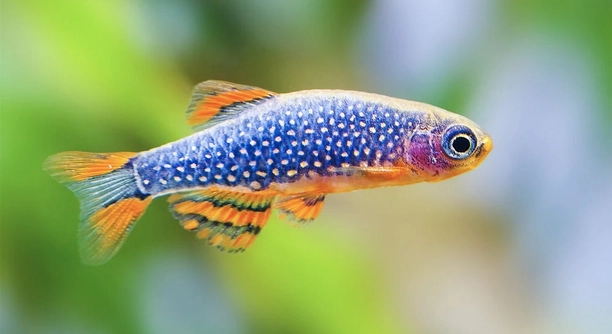
Setting up a 10-gallon tank for danios can feel overwhelming at first. With so many options for plants, decorations, and hiding spots, creating a balanced environment may seem challenging for both beginners and experienced aquarists.
Smart layouts for a 10-gallon danio tank focus on providing ample swimming space, hiding areas, and visual appeal. Using layered substrates, strategic plant placement, and carefully chosen decorations ensures a healthy, stimulating, and aesthetically pleasing habitat.
These layout tips will guide you in creating a tank that is both functional and attractive for your danios to thrive in.
Open Swimming Space Layout
Creating open swimming areas in a 10-gallon danio tank is essential. Danios are active fish that need room to dart and explore. Start by placing decorations and plants along the edges and corners, leaving the center mostly free. Using low-profile plants or short stems near the foreground keeps the middle open while still offering shelter. Rocks or driftwood can be positioned to provide interest without crowding swimming paths. Floating plants can offer shade without taking up floor space, creating a natural, layered look. Avoid overstocking with decorations, which can stress the fish and limit movement. Maintaining open water also makes cleaning easier and reduces waste accumulation. Observing your danios’ behavior helps in adjusting plant density and decoration placement. If they appear hesitant or constantly bump into obstacles, rearranging items can improve comfort. Open layouts encourage natural schooling behavior and enhance the tank’s visual appeal.
Leaving space for free swimming ensures your danios remain active and healthy while keeping the tank visually balanced and easy to maintain.
Open swimming areas are crucial because danios thrive in movement. By arranging plants and decorations along the sides, you create a safe, engaging environment. Short plants in the foreground prevent obstruction, and minimal decorations in the center let them dart freely. Floating plants add cover and visual depth. Watching their schooling patterns helps identify if adjustments are needed. Overcrowding with ornaments or tall plants can stress the fish and reduce activity. Rocks and driftwood should complement the open space rather than block it. Proper lighting enhances their colors and highlights movement, making the tank dynamic. Regularly observing and tweaking the layout ensures the fish stay healthy and engaged, promoting natural behavior and overall well-being.
Layered Substrate Layout
Layering substrates adds depth and interest to the tank. By using fine sand or gravel in the front and larger stones in the back, you can create a visually appealing slope.
A layered substrate provides both visual appeal and functional areas for plants to root and fish to explore.
Using different textures and heights encourages natural digging and foraging behavior, making the tank more stimulating. The contrast in layers also highlights plant arrangements, creating a dynamic, structured environment that is both attractive and practical.
Driftwood and Rock Arrangement
Driftwood and rocks provide structure without taking up too much space. Position larger pieces toward the back and corners, leaving the center open for swimming. Smaller rocks can be scattered naturally to create hiding spots and visual interest.
Placing driftwood and rocks strategically adds both function and appeal. Driftwood offers surfaces for biofilm and algae, giving danios natural grazing opportunities. Rocks create shelters and break lines of sight, reducing stress and promoting exploration. Combining different textures and shapes prevents the tank from looking flat or monotonous. Use smooth edges to avoid injuries, and consider anchoring lightweight pieces to prevent tipping. Observing your fish’s behavior helps identify which spots are favored for hiding, resting, or schooling. Over time, adjustments may be needed as plants grow or decorations shift.
Arranging driftwood and rocks carefully encourages natural activity while enhancing the tank’s depth. Different shapes, sizes, and textures provide both hiding spots and visual contrast. Danios will use these features for exploration, giving them a more engaging environment that mimics natural habitats. Smooth, stable pieces ensure safety, while strategic placement balances open swimming areas and sheltered zones. Regular observation allows fine-tuning to match fish behavior and plant growth, keeping the tank functional, visually appealing, and comfortable for the danios.
Plant Cluster Layout
Grouping plants into clusters creates natural hiding spots and defines sections of the tank. Use a mix of tall and short species to add height and dimension.
Clustered plants offer shelter, reduce stress, and create focal points in the tank.
Positioning plants in distinct clusters rather than evenly spreading them allows for open swimming lanes and shaded areas. Tall background plants like vallisneria or amazon swords provide vertical height, while shorter foreground plants like dwarf hairgrass add texture. Clusters encourage danios to explore and dart between open spaces and cover, promoting active behavior. Mixing plant types enhances visual interest and mimics natural environments. Floating plants can complement clusters by providing overhead shade without crowding the substrate. Regular trimming prevents overgrowth, keeping pathways clear and maintaining balance between shelter and swimming space. Proper plant placement also supports water quality and oxygen levels.
Floating Plant Canopy
Floating plants create shade and break up light without taking floor space. They provide shelter from bright lights and reduce stress, giving danios a comfortable area to swim beneath.
These plants also help absorb excess nutrients, keeping water clearer. Lightweight varieties like duckweed or frogbit are ideal, and they can be thinned or repositioned as needed to maintain open swimming lanes.
Minimalist Layout
A minimalist layout focuses on open space with only essential plants and a few decorations. It emphasizes swimming room and makes maintenance easier, while still offering simple hiding spots.
Keeping decorations minimal prevents overcrowding and stress. This style works well for small tanks where activity and visibility are priorities.
Background Plant Wall
Using tall plants along the back creates a solid visual backdrop. This gives the tank depth and allows danios to feel secure while swimming.
Placing dense plants like Amazon swords or hornwort at the rear prevents shadows from being too harsh. The background wall enhances the tank’s aesthetic while balancing open swimming areas in front. It also provides natural grazing surfaces and hiding spots. Consistent trimming maintains height and density, preventing overgrowth and ensuring water circulation. By carefully arranging the back wall, the tank achieves both functional and visual appeal, supporting healthy danio behavior and creating a layered, natural appearance that is easy to manage.
FAQ
How many danios can I keep in a 10-gallon tank?
A 10-gallon tank is best for a small school of 5 to 6 danios. Keeping more can lead to overcrowding, increased waste, and stress. Danios are active swimmers, so providing enough open space is crucial for their health and natural behavior.
What plants work best in a 10-gallon danio tank?
Short foreground plants like dwarf hairgrass, and taller background plants like Amazon swords or vallisneria, work well. Floating plants like duckweed or frogbit add shade. Avoid dense carpeting plants that limit swimming space. Mix textures for interest and provide both open areas and hiding spots.
Do danios need hiding spots?
Yes, hiding spots reduce stress and mimic natural habitats. Rocks, driftwood, and clustered plants offer shelter while maintaining open swimming lanes. Danios often dart in and out of cover, so multiple options help them feel secure.
How often should I clean the tank?
A weekly partial water change of about 20-30% keeps water quality high. Substrate vacuuming removes debris, while filters should be cleaned monthly. Avoid full water changes unless necessary, as they can disrupt beneficial bacteria and stress fish.
Can I use artificial plants in the tank?
Yes, but choose smooth, non-toxic materials. Artificial plants require less maintenance but lack the natural benefits of live plants, such as oxygenation and nutrient absorption. Combining artificial and live plants can provide both aesthetics and functionality.
How do I arrange decorations without overcrowding?
Place larger decorations along the back and corners. Keep the center open for swimming. Scatter smaller rocks or driftwood naturally, and observe fish behavior to adjust placement. Ensure decorations are stable to prevent tipping and injury.
Do floating plants affect water flow?
Yes, dense floating plants can reduce surface movement, affecting oxygen exchange. Thin them regularly and leave some open areas to maintain water circulation while still providing shade and cover.
How important is lighting for a 10-gallon danio tank?
Lighting supports plant growth and highlights fish colors. Moderate light is usually sufficient, and too strong light may stress fish or encourage algae growth. Use timers to maintain a consistent day-night cycle.
Can I mix danios with other fish?
Danios are generally peaceful but active, so tank mates should tolerate their speed. Avoid slow or long-finned fish that may be stressed or nipped. Small tetras, rasboras, or peaceful bottom dwellers are compatible choices.
How do I prevent algae growth?
Control lighting duration, avoid overfeeding, and maintain a regular cleaning schedule. Adding floating plants or fast-growing stem plants can compete with algae for nutrients. Regular water changes and a balanced feeding routine also reduce algae buildup.
Should I trim plants regularly?
Yes, trimming prevents overgrowth, ensures swimming space, and maintains light penetration. Remove dead or decaying leaves promptly to protect water quality. Regular pruning keeps both the tank functional and visually appealing.
Can I change the layout after setting it up?
Yes, but do it gradually to minimize stress. Rearrange plants and decorations carefully while observing fish behavior. Frequent or drastic changes may cause anxiety, so small adjustments are better for a stable environment.
Is substrate type important?
Yes, fine gravel or sand is ideal for a 10-gallon danio tank. Layering substrates can create visual depth and support plant roots. Avoid sharp or coarse materials that could injure fish. Proper substrate aids in natural digging and foraging.
Do danios require a heater?
Danios are hardy but prefer temperatures between 72-78°F. A heater is useful in cooler climates to maintain consistent water temperature, especially during seasonal changes. Stable temperatures reduce stress and support overall health.
How can I encourage natural behavior in my danios?
Provide a mix of open swimming areas, hiding spots, and visual variation with plants and decorations. Observing their movement helps you adjust layout. Regular interaction with lighting and feeding schedules also supports natural schooling and foraging behaviors.
What maintenance tips ensure long-term tank health?
Perform weekly water changes, monitor water parameters, prune plants, and clean filters regularly. Avoid overfeeding, maintain open swimming space, and observe fish for signs of stress or disease. Consistent maintenance promotes a balanced and healthy environment for danios.
Can I add new fish to an established 10-gallon danio tank?
Yes, but quarantine new fish first. Introduce them slowly to avoid stress or aggression. Monitor behavior and water quality closely after adding new fish to ensure the tank remains stable.
Final Thoughts
Setting up a 10-gallon tank for danios requires careful consideration of space, decoration, and plant placement. Danios are active swimmers, so leaving open areas for movement is essential. At the same time, providing hiding spots reduces stress and supports natural behavior. Balancing open swimming areas with clusters of plants, driftwood, or rocks creates a functional and visually appealing environment. Overcrowding with decorations or tall plants can limit movement and make maintenance more difficult. Observing the fish’s behavior over time helps determine if adjustments are needed. If the danios seem hesitant or avoid certain areas, rearranging plants or decorations can improve comfort. Using a layered substrate, combining different plant heights, and strategically positioning driftwood or rocks adds depth and natural structure without reducing swimming space.
Maintaining water quality and tank health is as important as the layout itself. Regular partial water changes, substrate cleaning, and filter maintenance keep the environment stable. Overfeeding or neglecting cleaning can quickly lead to poor water conditions, which affect both plant growth and fish health. Floating plants can help absorb excess nutrients, while trimming background and foreground plants ensures light reaches all areas. Consistent lighting schedules and proper temperature management further contribute to a stable and healthy tank. Combining these maintenance practices with a thoughtful layout ensures that the tank is not only attractive but also functional for the danios to thrive. By paying attention to both the physical arrangement and the care routine, the tank becomes easier to manage while providing a comfortable, natural habitat for the fish.
Every tank setup is unique, and small adjustments can make a big difference in how the fish interact with their environment. Paying attention to how danios swim, school, and use hiding spots allows for fine-tuning the layout for both aesthetics and functionality. Keeping the center of the tank open, clustering plants thoughtfully, and using driftwood or rocks strategically all contribute to an environment that is engaging and safe. A well-balanced tank encourages natural behavior, reduces stress, and enhances visual appeal. Over time, plants may grow, decorations may shift, and fish behavior may change, requiring small updates to maintain harmony. By following these principles, the tank remains a healthy, functional, and visually satisfying habitat. Proper planning, consistent maintenance, and observation create a 10-gallon danio tank that is both enjoyable to watch and supportive of the fish’s well-being.

Hello,
If you enjoy the content that we create, please consider saying a "Thank You!" by leaving a tip.
Every little bit helps us continue crafting quality advice that supports the health, happiness, and well-being of pets around the world, for pets of all shapes, sizes, and species.
We really appreciate the kindness and support that you show us!