
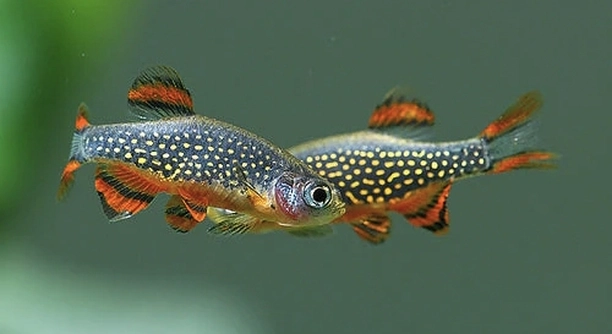
Many aquarium enthusiasts enjoy watching their danios swim gracefully. These small fish show comfort through their movements. Recognizing these signs can help owners ensure their fish feel safe and well-cared for in their tank.
Danios exhibit safety through specific behaviors such as steady swimming, schooling closely, gentle fin movements, exploring without sudden darting, maintaining vertical position, approaching familiar areas, and responding calmly to environmental changes. These movements indicate trust and minimal stress.
Observing these behaviors can improve your tank management and help your danios thrive in a secure environment.
Steady Swimming Patterns
Danios that feel safe often swim at a steady pace, without abrupt bursts or frantic darting. Their movements are smooth and continuous, which shows they are comfortable in their surroundings. Watching them glide calmly across the tank indicates that they do not feel threatened. Sudden jerks or rapid changes in direction can be a sign of stress or fear. A tank with enough space, plants, and hiding spots encourages steady swimming. Maintaining clean water and stable temperatures also helps them remain calm. Observing their natural patterns can reveal much about their well-being. Consistent swimming without hesitation is a reliable signal that the fish perceive their environment as secure. Danios are social and active creatures, so their swimming reflects both comfort and confidence. Ensuring the tank mimics natural conditions can promote this behavior, contributing to healthier and happier fish.
Steady swimming signals comfort, confidence, and low stress, demonstrating that the tank environment meets the fish’s physical and social needs effectively.
By noticing steady swimming, you can adjust tank conditions to better suit your danios. Subtle changes in temperature or decorations can affect their behavior, so careful observation ensures they remain calm and active, reinforcing their sense of safety and stability.
Schooling Closely
Danios that feel secure often swim in tight groups, moving together in harmony. This behavior reduces stress and shows they trust the environment.
Swimming in schools provides a sense of protection and social reassurance. Fish coordinate their movements to stay aligned with the group, avoiding collisions and maintaining smooth patterns. Schooling reduces anxiety because each fish feels part of a collective unit, which mimics natural behavior in rivers and streams. It also allows them to explore more of the tank safely, knowing they have backup nearby. Fish that isolate themselves or constantly stray from the group may be uncomfortable or stressed. Proper lighting, minimal sudden movements around the tank, and regular feeding schedules encourage schooling behavior. Observing your danios move together is a strong indicator of comfort. It is also visually appealing, creating a dynamic display of synchronized movement. Supporting these natural tendencies ensures that your fish stay active, healthy, and confident in their tank.
Gentle Fin Movements
Danios that feel secure move their fins slowly and evenly. Rapid or clamped fins often signal stress, while relaxed fins indicate comfort and confidence in their surroundings.
Relaxed fin movements are a clear sign that danios are not sensing immediate threats. When fins are gently waving, it allows them to maintain balance and navigate efficiently. Stressful conditions, such as sudden changes in lighting, temperature fluctuations, or overcrowding, can cause fins to stiffen. Providing ample space and hiding spots helps them feel safe. Feeding routines and tank cleanliness also influence fin behavior, as healthy fish display natural movements without hesitation. Observing gentle fin activity consistently over time confirms that your fish are thriving and content.
Gently moving fins also indicate social comfort within the tank. Fish in secure groups often mirror each other’s movements, creating a synchronized, calm environment. This behavior shows that danios feel protected both by their surroundings and by their companions, strengthening their overall sense of safety and stability.
Exploring Without Sudden Darting
Danios that explore slowly and deliberately feel safe in their tank environment. Sudden darting is a sign of anxiety or disturbance.
Careful exploration allows danios to investigate their surroundings without stress. They often check plants, decorations, and substrate while maintaining smooth swimming patterns. This behavior shows that the fish are comfortable enough to move around freely and feel secure in open spaces. Abrupt movements or rapid retreats usually indicate fear or an unsafe environment. Providing consistent lighting, minimal loud activity nearby, and stable water conditions encourages calm exploration. Fish that explore confidently are likely healthier and more active, showing that their tank meets their environmental needs. Watching them move slowly through the tank helps you understand how they perceive safety and comfort in their habitat.
Calm exploration also promotes social interactions and reduces conflicts. When multiple danios navigate the tank together without panic, they build trust within the group, increasing their overall sense of security. Maintaining stable conditions ensures that exploration remains safe and stress-free, supporting both physical health and behavioral well-being.
Maintaining Vertical Position
Danios that hold a steady vertical position feel safe and balanced in the water. Sudden tilting or floating erratically often signals stress or illness.
A stable vertical posture helps fish navigate easily and conserve energy. It shows they are comfortable with water flow, tank layout, and tankmates, allowing natural behaviors to continue without fear or hesitation.
Approaching Familiar Areas
Danios often return to specific spots in the tank where they feel secure. These familiar areas offer comfort and reduce stress during daily activity.
Repeatedly visiting the same plants, corners, or decorations shows that the fish trust their environment. Familiar locations act as safe zones where danios can rest, feed, or observe the tank calmly. Providing multiple secure spots encourages this behavior, reinforcing their sense of safety and stability. Consistent tank maintenance and gentle handling enhance this comfort. Observing your fish’s preferred areas can help you understand their habits and adjust the tank layout to support a relaxed, confident community.
Calm Response to Environmental Changes
Danios that remain composed during minor changes show high levels of trust and security in their tank environment.
Their calm reactions indicate that they feel prepared for adjustments such as lighting shifts, new decorations, or the presence of other fish. Stress signals, like rapid swimming or hiding, are minimal when changes are introduced gradually. Stable water quality, routine feeding, and predictable tank conditions support this behavior. Over time, fish develop confidence in coping with minor disturbances, which strengthens their overall sense of safety. Monitoring these responses helps owners maintain an environment where danios stay healthy, relaxed, and active without unnecessary stress.
FAQ
How can I tell if my danios feel safe in their tank?
You can observe their behavior closely. Danios that feel secure swim steadily, move fins gently, explore without sudden darting, maintain vertical posture, school closely, and respond calmly to minor environmental changes. These behaviors indicate comfort, trust, and low stress levels.
Why do danios sometimes dart suddenly?
Sudden darting usually shows stress or fear. It can be triggered by abrupt changes in lighting, loud noises, aggressive tankmates, or poor water conditions. Ensuring a stable, calm environment with hiding spots and clean water reduces this behavior. Gradual introductions of new elements help them adjust safely.
Is schooling important for danios’ sense of security?
Yes. Schooling provides social reassurance and protection. When danios swim together, they feel safer and are less likely to panic. Tight coordination among group members also reduces anxiety, encourages natural behaviors, and promotes overall well-being in the tank environment.
What tank conditions help danios feel safe?
Stable water temperature, proper pH levels, and regular maintenance are crucial. Adequate space, hiding spots, and gentle water flow help danios feel secure. Avoid overcrowding and sudden environmental changes. Predictable feeding schedules and minimal disturbances further support their sense of safety.
How do fin movements show comfort or stress?
Relaxed, gently waving fins indicate calmness and contentment. Clamped or stiff fins often suggest stress, discomfort, or illness. Observing fin activity alongside other behaviors gives a clearer picture of how secure your danios feel in their environment.
Can the layout of the tank affect their sense of safety?
Absolutely. Danios need plants, decorations, and open spaces to explore while having areas to retreat. A well-planned layout allows natural behaviors, encourages exploration without fear, and reduces stress caused by constant exposure or lack of hiding spots.
What role does feeding play in their security?
Consistent feeding routines build trust and reduce stress. Danios learn when to expect food, which helps them feel more confident. Sudden changes in feeding or poor-quality food can increase anxiety and lead to frantic behavior.
Do danios react to people outside the tank?
Yes, but reactions vary. Fish that feel safe may swim near the front of the tank calmly or observe without panic. Frantic or hiding behavior may indicate stress. Approaching slowly and avoiding sudden movements can reinforce their sense of security.
How can I reduce stress during tank maintenance?
Perform maintenance gently and gradually. Avoid sudden water changes or moving decorations too quickly. Cleaning filters, adjusting temperatures, and introducing new items slowly allows danios to remain calm. Consistent routines help them predict changes, reinforcing safety.
Are there signs that my danios are unsafe despite appearing calm?
Yes. Subtle stress signs include slightly clamped fins, hesitancy while exploring, minor color changes, or occasional isolation from the school. Monitoring these behaviors alongside their usual patterns helps identify hidden stressors that might need attention.
Can introducing new tankmates affect their sense of safety?
Introducing new fish can create temporary stress. Danios may dart or hide initially. Gradual introductions, quarantine for new fish, and ensuring compatibility reduce anxiety. Over time, they adapt if the tank remains stable and supportive of their needs.
How often should I observe their behaviors for signs of safety?
Daily observation is ideal. Short checks during feeding or calm periods reveal steady swimming, fin movements, schooling, and exploration. Keeping a mental or written note of changes over time helps identify patterns, ensuring they continue feeling secure.
Do environmental enrichments make a difference in their safety?
Yes. Plants, decorations, and gentle water currents provide stimulation while offering safe areas. Enrichments prevent boredom, reduce stress, and encourage natural behaviors. Observing how danios interact with these features can show how secure they feel in their habitat.
Can stress affect their long-term health?
Persistent stress weakens the immune system, slows growth, and may cause disease. Providing stable conditions, proper tankmates, and observing for safety signals ensures danios remain healthy, active, and less prone to illness.
What is the easiest way to encourage calm exploration?
Maintain stable water quality, offer multiple hiding spots, and avoid sudden changes in lighting or decorations. Gradual introductions of new objects, regular feeding, and minimal disturbance create confidence, allowing danios to explore without fear.
How do I know if my tank is too small for my danios?
If they dart excessively, isolate, or display erratic fin movements, the tank may be overcrowded. Adequate swimming space, at least 10 gallons for small groups, reduces stress, promotes schooling, and encourages natural behaviors, contributing to overall safety.
How long does it take for danios to feel safe in a new tank?
Adjustment varies but usually takes several days to a week. Steady swimming, schooling, gentle fin movement, and exploration are signs they are acclimating. Gradual introductions, stable conditions, and minimal disturbances speed up their sense of security.
Are some danios naturally more skittish than others?
Yes, individual personality affects reactions. Some fish are cautious and slower to explore, while others adapt quickly. Providing supportive tank conditions ensures even skittish danios feel secure and gradually build confidence.
How can I tell if a danio is stressed versus just energetic?
Energetic swimming is coordinated and smooth, often part of schooling or exploration. Stress-driven activity is erratic, sudden, and frantic. Watching patterns over time alongside fin movements and social behavior helps distinguish natural energy from anxiety.
What are the most common mistakes that reduce danios’ sense of safety?
Sudden environmental changes, poor water quality, overcrowding, incompatible tankmates, inconsistent feeding, and lack of hiding spots all increase stress. Observing behaviors and correcting these factors ensures the tank environment supports calm, secure, and healthy danios.
Final Thoughts
Observing danios closely is the best way to understand how safe they feel in their tank. Their behaviors, such as steady swimming, gentle fin movements, schooling closely, and calm exploration, all provide clues about their comfort levels. When these behaviors are consistent, it is a strong indication that the tank environment meets their needs. Paying attention to these patterns allows you to make small adjustments that can improve their well-being. Changes in water quality, temperature, or tank decorations can affect their sense of security, so regular observation is important. By noting how they react over time, you can better anticipate what keeps them calm and what might cause stress. These small details help ensure that your fish live in a safe and stable environment, promoting healthier and more confident behavior.
Providing a tank that supports natural behaviors is essential for the long-term health of danios. Plants, hiding spots, and open swimming areas encourage exploration and schooling, which both indicate comfort. Maintaining consistent feeding schedules also builds trust and reduces anxiety, giving fish a sense of predictability in their environment. Even minor adjustments, such as rearranging decorations slowly or monitoring tankmates’ interactions, can make a noticeable difference in how secure they feel. It is also important to remember that each danio may have individual differences in temperament. Some may take longer to adapt, while others quickly display signs of safety. Understanding these differences allows you to support each fish appropriately, giving them the space and resources they need to feel comfortable.
Ultimately, creating a secure and comfortable environment for danios involves a combination of observation, maintenance, and understanding of their natural behaviors. By focusing on how they move, interact, and respond to changes, you can assess their comfort levels accurately. Providing clean water, sufficient space, and appropriate tankmates promotes steady swimming, calm exploration, and healthy social behavior. Supporting these natural behaviors ensures that your danios remain active, stress-free, and healthy. Regularly monitoring their habits and making thoughtful adjustments when needed strengthens the overall sense of security in the tank. Over time, a stable and supportive environment allows your fish to thrive, demonstrating that careful attention and proper care directly contribute to their comfort and well-being.

Hello,
If you enjoy the content that we create, please consider saying a "Thank You!" by leaving a tip.
Every little bit helps us continue crafting quality advice that supports the health, happiness, and well-being of pets around the world, for pets of all shapes, sizes, and species.
We really appreciate the kindness and support that you show us!