
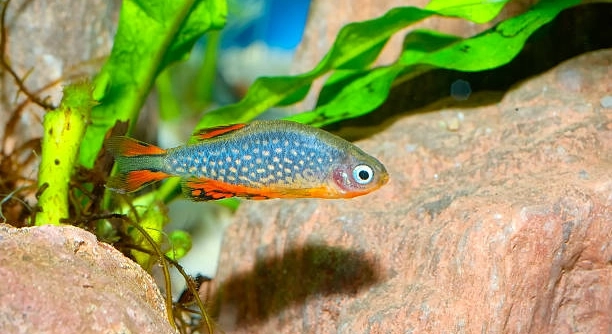
Have you ever tried raising danio fry and noticed how quickly their tiny bodies seem to change from one day to the next, creating small surprises that shape your daily care routine in unexpected ways.
Danio fry display varied growth rates influenced by genetic diversity, nutritional quality, and social interactions. These factors interact to produce irregular patterns that require close observation, measured adjustments, and consistent maintenance to ensure stable progress across their early life stages.
Understanding these changing patterns creates a path for raising healthy fry and encourages attentive care that supports their developing needs.
Genetic Influences on Fry Development
Genetic influences play a strong role in shaping how danio fry grow, creating noticeable differences even when they share the same environment. I have watched fry from the same spawn grow at separate speeds, forming small groups that seem to carry their own pace. Some develop deeper colors earlier, while others hold a softer look for longer periods. These variations reflect inherited traits that affect metabolism, appetite, and physical formation. When these traits combine with subtle environmental conditions, the differences become more visible. Careful observation helps identify which fry may need additional support, such as slightly more frequent feedings or a calmer area within the tank. Paying attention to these early signs supports healthy development and keeps growth on a steady path. Even though these changes can appear unpredictable, understanding their roots provides clarity and helps maintain balanced care. Consistent monitoring helps ensure every fry receives the conditions it needs.
Genetic traits shape growth differences by influencing how fry process food, develop bone structure, and respond to tank conditions. These traits lead to varied sizes and strengths, making it important to observe each fry closely and provide steady care that supports balanced development across the group, through each stage daily.
Recognizing these genetic differences helps guide practical adjustments that support healthy fry. I often notice that slower fry benefit from calmer spaces, while faster growers adapt quickly to mild changes in feeding or flow. These small distinctions matter because growth patterns shape overall strength and future resilience. Careful feeding helps ensure every fry receives proper nutrition without stress. Stable water helps maintain predictable development and reduces uneven growth. Observing fry individually makes it easier to understand what each one needs. With steady attention, these genetic influences become manageable details that support a balanced and healthy group in their early stage.
Environmental Effects on Growth Patterns
Environmental factors influence how danio fry develop by shaping daily conditions that support growth. Temperature, lighting, and water stability all affect how quickly fry mature. Keeping these elements consistent helps reduce uneven growth and provides a steady foundation that supports strong development throughout their early stages in the growing period.
Environmental conditions shape fry development in significant ways, influencing how they respond to food, light, and movement within the tank. I have seen fry thrive when water stability remains steady because predictable conditions help reduce stress and support regular feeding. Temperature holds a major role by shaping metabolic activity and determining how quickly fry build strength. Slight fluctuations can slow growth or increase energy use, which leads to uneven sizes within the group. Lighting patterns also contribute to stability by guiding activity levels and helping fry maintain steady routines that support healthy development. Clean water enhances overall growth by reducing harmful waste and supporting oxygen exchange. Gentle filtration helps maintain clarity without overwhelming smaller fry that may struggle in strong currents. These combined details create a foundation that supports balanced growth across the tank. When environmental elements remain consistent, fry display more predictable patterns that help make care easier. Observing these conditions closely helps guide practical adjustments that support strong development. With steady attention and a calm environment, fry build the strength they need to continue growing in a healthy and stable way. This consistent care supports reliable development and strengthens each fry as it grows through important early stages.
Nutritional Variations in Early Growth
Feeding differences shape how danio fry develop, creating noticeable variations that appear even when using similar food types. I often see some fry respond quickly to richer meals, while others grow slower and require smaller servings that keep them comfortable and able to process nutrients effectively each feeding moment daily.
Balanced nutrition supports steady growth by giving fry the energy they need for healthy development. I have seen strong responses to finely crushed foods that provide consistent nourishment without overwhelming smaller fry. When meals are spaced throughout the day, growth remains more even, and fry show fewer size gaps within the group. Protein levels play an important role by supporting muscle formation and improving overall strength. Maintaining predictable feeding times keeps fry calm and helps them adjust to steady routines. These simple habits support reliable development and reduce the unpredictable differences that often appear during early growth stages for fry.
Feeding quality also affects coloration and body shape, making it a key factor when monitoring changes in fry appearance. I notice that higher quality foods create clearer patterns and steadier growth, while inconsistent feeding schedules lead to mild stress that slows development. Offering gentle portions prevents digestive strain and keeps fry active throughout the day. Consistent lighting during feeding times helps fry locate food quickly and reduces competition among them. Separating slower fry for a short period can prevent them from missing meals and gives them a chance to strengthen at their own pace without added pressure in early growth.
Social Dynamics and Space Allocation
Space within the tank influences how danio fry develop by shaping their comfort and movement. I often see fry grow better when they have room to swim without constant disruption from stronger individuals. Adequate space reduces stress and helps maintain even feeding opportunities that support healthy development. Proper spacing also limits aggressive nudging that slows weaker fry and disrupts steady progress, allowing each one to gain strength through calm movement and balanced daily routines together.
Social interactions shape fry behavior and influence how quickly they develop. I have watched groups form small clusters that shift throughout the day, creating moments of calm or competition depending on their placement. Larger fry often take more space near feeding areas, leaving smaller fry to adjust by exploring quieter places within the tank. Creating gentle flow patterns helps reduce these imbalances and gives weaker fry access to food without pressure. Plants or small hiding areas give fry natural boundaries that reduce stress and provide a sense of structure during early growth. When fry have organized spaces, their movements become smoother and less frantic, which supports steady development. Consistent observations allow small adjustments that help every fry feel secure and able to grow predictably forward.
Water Stability and Microbial Balance
Stable water keeps danio fry calm and able to grow without sudden stress. I often notice improved development when the water remains clear and gentle. Regular checks help prevent small changes from building up and affecting how fry respond to feeding and movement throughout the day.
Microbial balance also supports steady growth by creating a comfortable environment. Beneficial bacteria help break down waste and keep water cleaner for longer periods. Fry respond well to this stability, showing smoother development and fewer unpredictable dips in activity. Consistent maintenance helps preserve this balance.
Temperature Fluctuations and Metabolic Shifts
Temperature shifts influence how fry use energy and how quickly they develop. I have seen fry grow stronger when kept within a stable range that supports balanced metabolism. Sudden changes often create mild stress that slows their progress. A careful approach to temperature control helps maintain predictable growth. Stable readings also support calm behavior, steady feeding, and clearer coloration as fry mature through early stages. When temperature remains consistent, fry show more reliable patterns that make care simpler and more effective.
Early Behavioral Differences
Behavioral changes appear quickly in fry, shaping how they interact with their surroundings. I often notice some becoming active sooner, while others stay cautious. These early differences influence feeding habits and movement, guiding simple adjustments that support balanced growth within the group.
FAQ
Why do some danio fry grow faster than others?
Growth rates vary due to genetics, nutrition, and minor environmental differences. I often see fry from the same spawn develop at different speeds. Genetic traits influence metabolism and appetite, while subtle differences in water flow or food access can create noticeable size gaps even under the same care routine.
How can I support slower-growing fry without overfeeding others?
Separating slower fry temporarily during feeding helps ensure they receive enough nutrition. I often use a small divider or calm corner of the tank. Feeding smaller, frequent portions prevents overfeeding while giving all fry a fair chance to grow steadily. Observation during feeding is key.
What role does water quality play in fry growth?
Clean, stable water supports healthy growth by reducing stress and preventing illness. I test parameters regularly, maintaining consistent temperature, pH, and ammonia levels. Beneficial bacteria help break down waste, creating an environment where fry can digest food properly and develop predictably.
Can lighting affect growth patterns?
Yes, consistent lighting helps fry maintain regular activity and feeding habits. I keep lights on a steady schedule to encourage predictable routines. Sudden changes in brightness or extended dark periods can reduce activity, slowing growth and increasing stress within the group.
How important is temperature stability?
Temperature directly affects metabolism. I notice fry thrive when temperatures remain within a narrow, stable range. Sudden fluctuations can cause stress, reduce appetite, and slow development. Using a reliable heater and thermometer helps maintain a steady environment that supports predictable growth.
Do social interactions impact development?
Fry interact constantly, influencing access to food and movement. Larger or more active fry may dominate, leaving smaller ones less active. I arrange hiding spaces or mild flow adjustments to reduce competition, helping weaker fry grow without excessive stress or missed meals.
What feeding techniques work best for uniform growth?
Crushed or finely powdered foods distributed evenly work well. I feed small portions multiple times daily, observing which fry need extra attention. Ensuring all fry access food prevents gaps in growth while avoiding overfeeding that could degrade water quality.
Why do fry sometimes stop growing temporarily?
Temporary growth pauses often result from stress, water fluctuations, or minor illness. I monitor water quality, feeding habits, and behavior. Slower growth may resolve when conditions stabilize, and fry adjust. Patience and consistent care are more effective than rushing interventions.
Can tank setup influence fry growth patterns?
Yes, tank layout matters. Open swimming areas, plants, and gentle flow reduce stress and allow fry to explore safely. I often rearrange decorations slightly to balance activity and feeding access, ensuring fry develop evenly across the group.
How can I identify health issues early?
Observe appetite, swimming behavior, and coloration daily. I watch for lethargy, abnormal movements, or faded colors. Early detection allows adjustments in feeding, water quality, or isolation of affected fry, preventing growth disruptions and supporting overall development.
Is it normal for fry sizes to vary widely?
Yes, some variation is natural due to genetics and environmental microdifferences. I track growth trends rather than focusing on single fry. Over time, most fry catch up when care is consistent and stress is minimized.
How do I prevent aggressive behavior from affecting growth?
Providing sufficient space, gentle flow, and hiding areas reduces dominance and stress. I sometimes separate overly aggressive fry temporarily to allow weaker individuals uninterrupted feeding and calm development.
What is the best approach for long-term monitoring?
Daily observations of feeding, behavior, and water quality are essential. I keep notes on growth patterns to identify trends. Adjustments based on consistent monitoring help maintain predictable growth and reduce surprises during early fry development.
How often should water changes be done for optimal growth?
Regular small water changes maintain quality without shocking fry. I typically replace 10–20% of water weekly, depending on tank size and feeding levels. This keeps parameters stable, supporting consistent development and preventing stress-related slow growth.
Are there signs that a fry may never catch up?
Persistent small size despite consistent care may indicate genetic limitations. I separate these fry for special attention, ensuring they still thrive but understanding their growth may remain naturally slower compared to siblings.
Raising danio fry requires attention to several small but important details that affect their growth. Each fry develops differently, and this is influenced by a combination of genetics, nutrition, water quality, temperature, and social interactions. Even when conditions seem identical, slight differences can create variations in size, behavior, and development speed. Observing fry carefully allows you to notice these differences early, which helps you make small adjustments to support all individuals. Providing consistent feeding, maintaining stable water conditions, and offering enough space for swimming are simple steps that make a noticeable difference in growth patterns. Paying attention to these factors helps create an environment where fry can thrive more predictably and reduces surprises that often come from unexpected growth changes.
Genetic differences are a natural cause of varying growth rates, and understanding this can reduce frustration when fry develop unevenly. Some fry may grow faster, develop stronger coloration, or reach physical milestones sooner, while others appear slower or smaller. This does not necessarily indicate poor care but reflects inherited traits. Adjusting feeding methods and tank arrangements can support these slower-growing fry without compromising the health of the rest of the group. Careful monitoring ensures each fry receives sufficient nutrition and a calm environment that encourages steady growth. Over time, even smaller or slower fry can develop strength and vitality if their needs are consistently met. Recognizing and accepting these natural differences makes managing a group of fry more manageable and rewarding.
Environmental and social factors also play a significant role in development. Stable water quality, gentle filtration, steady temperature, and adequate lighting all contribute to a calm and supportive habitat. Fry are sensitive to stress caused by sudden changes or overcrowding, which can slow growth or cause uneven development. Providing hiding spots, gentle flow, and structured spaces allows each fry to feed and move comfortably, reducing competition and promoting even growth. Maintaining regular observation routines helps identify problems before they affect development and allows timely adjustments to feeding, space, or water conditions. Focusing on consistency, patience, and close attention to detail ensures that your danio fry grow healthy, strong, and more predictably, making the process of raising them smoother and more successful overall.

Hello,
If you enjoy the content that we create, please consider saying a "Thank You!" by leaving a tip.
Every little bit helps us continue crafting quality advice that supports the health, happiness, and well-being of pets around the world, for pets of all shapes, sizes, and species.
We really appreciate the kindness and support that you show us!