
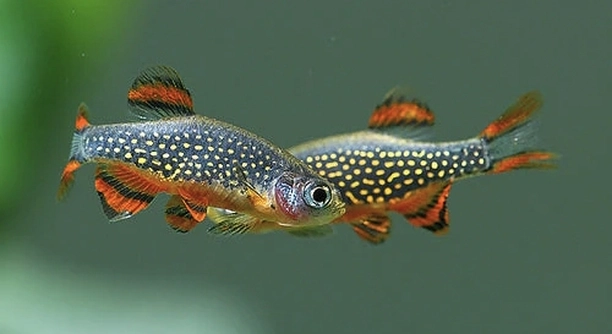
Do your Celestial Pearl Danios seem to be spending more time at the water surface than usual? Observing this behavior can be worrying for any fish keeper. Surface gasping may indicate issues with water quality or the fish’s health.
Surface gasping in Celestial Pearl Danios is commonly caused by low oxygen levels, poor water quality, high ammonia or nitrite concentrations, temperature stress, overcrowding, parasitic infections, or insufficient aeration in the aquarium environment.
Understanding the reasons behind surface gasping is important for maintaining healthy fish. Addressing these causes promptly can prevent long-term health problems and ensure a stable, thriving aquarium.
Low Oxygen Levels
When your Celestial Pearl Danios gasp at the surface, low oxygen levels in the water are often a key factor. These small fish rely on dissolved oxygen to breathe properly, and stagnant or warm water can reduce oxygen availability. Tanks with poor circulation, dense plant growth, or surface scum can make it difficult for oxygen to mix evenly. Even a healthy-looking aquarium can suffer from pockets of low oxygen if water movement is insufficient. Installing a reliable air stone or filter that promotes water movement can significantly improve oxygen levels. Regular monitoring of temperature and oxygen levels helps maintain a stable environment, preventing stress for your fish. Surface gasping may appear suddenly after changes in water temperature or after adding new fish. Observing your Danios closely during feeding and rest periods can indicate whether oxygen levels are stable or if intervention is needed.
Low oxygen can cause serious stress and affect growth, making early detection critical for tank management.
Keeping a consistent temperature and ensuring proper aeration allows your Celestial Pearl Danios to thrive. Moving water gently across the surface, avoiding overcrowding, and trimming plants if needed keeps oxygen levels balanced. Regular partial water changes also help restore oxygen while removing waste buildup that may deplete the tank.
Poor Water Quality
Poor water quality directly impacts Celestial Pearl Danos’ breathing and overall health. Accumulated ammonia, nitrites, and nitrates from uneaten food and waste can irritate gills and cause surface gasping. Frequent testing of water parameters is essential to maintain a safe environment.
Ammonia or nitrite spikes can be deadly, requiring immediate action to stabilize water conditions.
Maintaining clean water involves regular water changes, proper filtration, and monitoring chemical levels. Filtration systems must handle the bioload without overtaxing the tank. Sudden changes in water chemistry can stress the fish, so any adjustments should be gradual. Avoid overfeeding, as leftover food increases waste and worsens water quality. Observing your fish daily allows you to notice subtle signs of stress, like lethargy or unusual swimming patterns. Even minor imbalances in pH or hardness can trigger surface gasping. Over time, consistent care and routine maintenance ensure a healthy environment where Celestial Pearl Danios can breathe comfortably and display natural behavior, reducing the risk of disease and long-term damage.
Temperature Stress
Sudden changes in water temperature can make Celestial Pearl Danios gasp at the surface. These fish are sensitive to both heat and cold, and even a few degrees’ fluctuation can trigger stress. Consistent tank temperature is essential for their well-being and normal behavior.
Rapid temperature shifts disrupt their metabolism and breathing patterns. Warmer water holds less oxygen, which can exacerbate surface gasping. Cooling or heating the tank too quickly can shock the fish, making them more susceptible to illness. Using a reliable heater and thermometer helps maintain a stable environment. Placing the tank away from windows, vents, or direct sunlight prevents sudden spikes or drops in temperature, protecting the fish from unnecessary stress and ensuring consistent oxygen levels.
Stress from temperature changes may also weaken the immune system. Fish may hide more often, reduce feeding, or develop clamped fins. Gradual adjustments when needed and monitoring daily activity are key to keeping Celestial Pearl Danios healthy and preventing long-term respiratory issues caused by environmental instability.
Overcrowding
Overcrowded tanks limit space and oxygen, forcing Celestial Pearl Danios to compete for air at the surface. Maintaining proper stocking levels ensures enough room for swimming and natural behaviors, reducing surface gasping.
Excess fish produce more waste, which degrades water quality and increases ammonia and nitrite levels. These compounds irritate gills and can stress fish, causing them to gasp for oxygen. Even a few extra fish can upset the delicate balance in small aquariums. A proper filtration system and regular water changes are critical when stocking is higher, but space and oxygen availability remain limiting factors.
Crowding also promotes aggression and stress, weakening the immune system. Fish may swim erratically or hide frequently. Spreading fish into multiple tanks or reducing numbers in a single tank helps restore balance. Ensuring enough plants and hiding spots can reduce tension, but overcrowding will always compromise oxygen levels. Managing population carefully allows Celestial Pearl Danios to thrive, swim naturally, and breathe comfortably without constant surface gasping.
Insufficient Aeration
Insufficient aeration reduces oxygen levels, forcing Celestial Pearl Danios to gasp at the surface. Air stones, sponge filters, or strong water flow can improve oxygen distribution throughout the tank, supporting healthier breathing and activity levels for your fish.
Even small tanks benefit from gentle aeration. Proper circulation prevents stagnant areas where oxygen is depleted.
Parasitic Infections
Parasitic infections can damage gills, making it difficult for Celestial Pearl Danios to absorb oxygen. Symptoms often include rapid gill movement, rubbing against surfaces, and lethargy. Early detection and treatment are essential to prevent serious health problems.
Ammonia and Nitrite Spikes
Ammonia and nitrite spikes are highly toxic and irritate fish gills. Even low levels can cause surface gasping, stress, and weakened immunity. Frequent testing and prompt water changes are critical. Maintaining a stable nitrogen cycle ensures these compounds remain at safe levels, protecting Celestial Pearl Danios from respiratory distress.
Overfeeding
Overfeeding produces excess waste that breaks down into harmful chemicals, affecting water quality. Reducing food amounts and removing leftovers helps maintain oxygen levels and prevents surface gasping, supporting a healthier, stable environment for your fish.
FAQ
Why is my Celestial Pearl Danio gasping at the surface even though the water looks clean?
Even if the water appears clear, it may still have low oxygen or invisible toxins like ammonia or nitrites. Surface gasping often signals that oxygen is insufficient or water chemistry is off. Testing the water and ensuring proper aeration is key to correcting this issue.
How can I increase oxygen in my tank quickly?
Adding an air stone, sponge filter, or adjusting the water flow from your filter can help oxygenate the water. Even gentle movement at the surface improves gas exchange. Regular partial water changes also replenish dissolved oxygen.
Can temperature affect surface gasping?
Yes, sudden changes in temperature stress the fish and reduce oxygen availability in warmer water. Maintaining a stable temperature appropriate for Celestial Pearl Danios, around 22–26°C (72–79°F), prevents stress and reduces surface gasping.
Could overcrowding be the problem?
Overcrowding limits swimming space and oxygen availability, causing competition for air at the surface. Reducing the number of fish or providing multiple tanks with adequate filtration and aeration can relieve stress and improve overall health.
How often should I test water quality?
Frequent testing, at least once a week, is recommended. Checking ammonia, nitrite, nitrate, pH, and temperature helps detect issues early. Even small spikes can irritate gills and cause surface gasping if left uncorrected.
Is overfeeding dangerous for my Danios?
Overfeeding leads to excess waste, which breaks down into ammonia and nitrites, harming gill function. Feeding only what the fish can consume in a few minutes and removing uneaten food helps maintain water quality and reduces surface gasping.
Could parasites cause surface gasping?
Yes, parasitic infections can damage gills, making oxygen absorption difficult. Watch for signs like rubbing against objects, clamped fins, or lethargy. Treatment may require specific medications, and isolating affected fish can prevent spread.
Do plants affect oxygen levels?
Live plants generally improve oxygen during the day but consume oxygen at night. Too many dense plants can create areas with low oxygen, contributing to surface gasping. Proper pruning and aeration prevent oxygen depletion while still providing hiding spots.
What immediate steps should I take if my Danios are gasping?
First, test water for oxygen, ammonia, nitrites, and temperature. Increase aeration and perform a partial water change. Check for overcrowding and reduce fish numbers if needed. Observing behavior closely helps identify if medical treatment or further adjustments are necessary.
Can surface gasping be a permanent problem?
If underlying causes like poor water quality, overcrowding, or infections are addressed promptly, surface gasping usually resolves. Ignoring the issue can lead to long-term health problems, including weakened immunity and organ damage, making early intervention essential.
How can I prevent surface gasping in the future?
Maintain consistent water quality, temperature, and aeration. Avoid overfeeding and overcrowding. Monitor fish daily for unusual behavior. Regular tank maintenance, including water changes and filter cleaning, ensures a stable environment where Celestial Pearl Danios can thrive.
Are certain tank setups better for preventing gasping?
Tanks with good filtration, moderate water flow, and adequate surface area support oxygen exchange. Using air stones, ensuring proper spacing, and limiting dense plant clusters reduces stress. A stable, well-maintained environment is the most effective long-term prevention.
Can stress alone cause surface gasping?
Yes, environmental stressors like sudden water changes, aggressive tank mates, or improper lighting can make fish gasp at the surface. Reducing stress by maintaining a consistent routine and providing hiding spots helps fish remain calm and healthy.
Is it normal for Danios to occasionally visit the surface?
Brief visits to the surface for food or exploration are normal. Persistent surface gasping, especially if paired with rapid gill movement or lethargy, indicates a problem that requires attention. Observing patterns over time helps distinguish normal behavior from signs of distress.
Should I separate affected fish?
If surface gasping is caused by illness or parasites, isolating affected fish in a quarantine tank prevents the spread and allows targeted treatment. Healthy fish remain undisturbed, reducing overall stress and helping maintain tank stability.
Final Thoughts
Observing Celestial Pearl Danios gasping at the surface can be alarming, but understanding the common causes makes it easier to address the issue. Low oxygen levels, poor water quality, temperature fluctuations, overcrowding, overfeeding, insufficient aeration, and parasitic infections are all factors that can lead to this behavior. Identifying which factor or combination of factors is affecting your fish is essential to maintaining a healthy aquarium. Simple measures like improving aeration, stabilizing temperature, reducing stocking density, and performing regular water changes can have a significant impact on the overall well-being of your Danios. These steps create a more comfortable and balanced environment, allowing your fish to swim naturally and exhibit normal behavior without the stress of oxygen deprivation or poor water conditions.
Maintaining a clean, stable, and properly aerated tank is the foundation of good fish care. Regularly testing water parameters for ammonia, nitrites, nitrates, pH, and temperature helps detect problems before they become serious. Observing your fish daily allows you to notice changes in behavior or appearance, which may indicate stress or disease. Even minor issues, such as slight overcrowding or overfeeding, can create cumulative effects over time, leading to surface gasping. Using reliable equipment, like heaters, filters, and air stones, ensures that environmental conditions remain consistent. Balancing plants and decorations with adequate swimming space also supports oxygen levels while providing shelter and enrichment for your fish.
Addressing the causes of surface gasping promptly prevents long-term health problems and improves the quality of life for your Celestial Pearl Danios. Small adjustments in routine care, feeding, and tank maintenance can prevent recurring issues. Taking proactive steps to monitor water quality, maintain stable temperature, and reduce stress through proper tank management creates a safe and supportive environment. Over time, consistent care fosters a thriving aquarium where Danios remain active, healthy, and free from respiratory distress. By paying close attention to their needs and making gradual improvements, you can ensure that your fish enjoy a balanced habitat and display the vibrant behavior that makes them a pleasure to keep.

Hello,
If you enjoy the content that we create, please consider saying a "Thank You!" by leaving a tip.
Every little bit helps us continue crafting quality advice that supports the health, happiness, and well-being of pets around the world, for pets of all shapes, sizes, and species.
We really appreciate the kindness and support that you show us!