
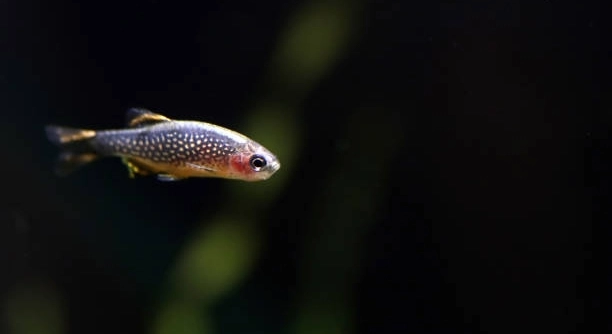
Are your danios showing signs of stress or illness after treatment? Many fish owners struggle with giving medications without harming these delicate swimmers. Proper dosing is crucial to keep them healthy and active in your aquarium.
Accurate dosing for danios involves calculating the correct amount based on water volume and fish size. Using precise measurements and following manufacturer guidelines helps prevent overdosing, underdosing, and potential harm, ensuring that treatments are both effective and safe for your fish.
Knowing the right methods for dosing can improve your danios’ recovery and overall well-being. Applying these tips will help you maintain a healthy, thriving aquatic environment.
Understanding Proper Dosage
Getting the dosage right for danio medication starts with knowing the volume of water in your tank. Even a small miscalculation can affect how the medicine interacts with your fish. Always measure the water carefully before adding any treatment. Next, consider the number of fish and their size. Smaller fish are more sensitive, and larger fish may require slightly more medication. It is important to follow the manufacturer’s instructions exactly, as these are based on research and testing. Overdosing can cause stress, lethargy, or even death, while underdosing may allow illness to persist. Keep a record of every treatment, including dates and amounts used. Regularly checking water parameters such as temperature, pH, and ammonia levels also ensures that the medication works as intended. Proper preparation and careful monitoring create a safe environment for your danios to recover quickly and thrive.
Measuring both water and fish properly prevents errors that can harm your danios during treatment.
Maintaining consistency in dosing requires a routine. Using a syringe or dosing cup can help deliver exact amounts. Always mix the medication thoroughly in a separate container before adding it to the tank. Observe your fish closely after dosing to spot any signs of stress or adverse reactions. Keep in mind that some medications may require multiple doses over a few days, and skipping or doubling doses can create problems. Avoid combining medications unless recommended, as interactions may affect your fish’s health. Temperature changes can also affect how the medication works, so maintain stable tank conditions during treatment. Recording every treatment step allows you to adjust future doses safely. Careful attention to these factors ensures that your danios receive effective care while minimizing unnecessary risks.
Timing and Frequency
Follow the prescribed schedule to avoid overmedicating. Even slight deviations can impact treatment outcomes.
Administering medication at consistent intervals is essential. Some treatments need daily dosing, while others require only a single application. Keep a clear schedule and set reminders to ensure you do not miss doses. Fish metabolism and water conditions can influence how quickly medicine works, so sticking to the recommended frequency is important. Observe your fish daily, checking for changes in behavior, appetite, and appearance. Adjustments to frequency should only be made under guidance from reliable sources or veterinarians. Proper timing maximizes treatment effectiveness and supports a faster recovery for your danios. Avoid rushing the process, as recovery is gradual and requires patience. Documenting each session helps track progress and prevents accidental overdosing.
Consistency in timing is vital for medication effectiveness. Fish respond better to steady treatments.
Skipping or doubling doses can lead to complications. Daily observation helps detect early warning signs, such as fading colors or sluggish movement. Temperature fluctuations or changes in water chemistry can alter how medications interact with fish. By maintaining steady conditions and monitoring closely, you create the best chance for a full recovery. Recording every dose allows for accurate adjustments in future treatments. This methodical approach reduces stress for the fish while ensuring the medicine works as intended. Understanding the importance of timing improves overall treatment outcomes and helps prevent avoidable mistakes. Proper scheduling combined with careful observation ensures your danios stay healthy and resilient during and after treatment.
Using a Proper Measuring Tool
Accurate dosing starts with the right tool. Syringes or small cups with clear markings help ensure you give the correct amount of medication without guessing.
Measuring tools reduce the risk of errors. Using a syringe or dropper allows you to control even small doses precisely. Avoid using kitchen spoons or other household items, as they are not accurate. Some medications require splitting doses into fractions of a milliliter, which is only possible with proper equipment. Marking your syringe for repeated doses can make the process quicker and more consistent. Clean your tools before and after use to prevent contamination or leftover residue from affecting future treatments. Proper measuring creates a safer, more controlled environment for your danios.
Consistent measurement also helps track progress. When doses are accurate, you can better evaluate how your fish respond to treatment.
Observing Fish Behavior
Pay attention to changes in swimming, appetite, or color. These signs indicate how well the medication is working.
Behavioral observation provides immediate feedback on treatment effectiveness. Fish that are swimming actively, eating regularly, and showing natural coloring usually respond well. Lethargy, rapid gill movement, or hiding can indicate stress or side effects from medication. Keep a log of behavior changes to identify trends and potential problems. Adjust water conditions if necessary, since poor water quality can amplify medication effects. Observing your danios allows for timely intervention if adverse reactions occur, making it easier to prevent serious health issues and support recovery.
Regular monitoring helps identify early warning signs. Acting quickly can prevent minor issues from becoming serious.
Tracking behavior over time reveals patterns related to feeding, temperature, or water chemistry. Some medications may cause temporary changes in activity, which is normal, but prolonged symptoms require attention. Compare observations across multiple fish to see if issues are isolated or affecting the entire group. Keeping notes allows you to provide accurate information to veterinarians or experts if further guidance is needed. Paying close attention also reduces stress on your fish, as you can make adjustments promptly without guessing. This method improves overall treatment outcomes and supports your danios’ well-being.
Preparing the Tank
Remove any carbon filters or chemical media before dosing. These can absorb medication and reduce its effectiveness.
Ensure the tank is clean but avoid major water changes immediately after adding medicine. Sudden changes can stress the fish and interfere with treatment absorption.
Avoiding Overcrowding
Too many fish can stress your danios and make medication less effective. Keep stocking levels moderate to maintain proper oxygen and water quality. Proper spacing ensures each fish can access treated water evenly, improving recovery and reducing competition during treatment periods.
Following Manufacturer Instructions
Always read and follow the instructions on the medication label. Dosage, timing, and duration are based on extensive testing to maximize effectiveness while minimizing risks. Using more or less than recommended can harm fish or reduce treatment results. Stick strictly to these guidelines.
Maintaining Water Stability
Keep temperature and pH levels stable during treatment. Sudden fluctuations can interfere with medication effectiveness and add unnecessary stress to your danios.
FAQ
How do I know if I’m giving the right dose?
Check the medication label carefully and measure the water volume in your tank. Use a syringe or measuring cup to calculate the exact amount needed. Keep a record of each dose and monitor your danios closely for any unusual behavior or signs of stress during treatment.
Can I combine medications?
Combining medications is risky unless specifically recommended. Some drugs can interact and cause harmful effects. Always consult a reliable source or veterinarian before adding more than one type of medication. Combining treatments without guidance can lead to overdosing or ineffective results.
What if my danios don’t respond to treatment?
If there is no improvement after the recommended period, reassess the water conditions and dosage accuracy. Poor water quality can reduce medication effectiveness. Consider consulting a vet or aquatic specialist to ensure the issue isn’t due to underlying illness or environmental stressors.
How often should I monitor water parameters?
During treatment, check temperature, pH, ammonia, and nitrite levels daily. Stable water conditions ensure medication works properly. Sudden changes can stress the fish and reduce effectiveness, so consistent monitoring is essential for a safe recovery environment.
Is it safe to medicate young or small danios?
Young and smaller fish are more sensitive, so doses must be calculated carefully. Even minor overdoses can harm them. Measure water and dosage precisely, and consider reducing the treatment concentration slightly if the label provides guidance for sensitive populations.
Should I remove decorations and plants during treatment?
It’s not always necessary, but be aware that porous decorations or activated carbon in the filter can absorb medication. Remove or bypass these temporarily to ensure the correct dosage reaches your fish. Avoid major disruptions to prevent stress.
Can I do water changes during medication?
Small water changes may be allowed depending on the medication, but avoid large changes that could dilute the treatment. Always follow the instructions, as some medications require a stable environment for a full treatment period.
How do I prevent future illnesses in my danios?
Maintain clean water, proper stocking levels, and a balanced diet. Regular observation and quarantine of new fish help prevent infections. Early detection of symptoms allows treatment with smaller, safer doses and reduces the need for aggressive medication.
What should I do if a fish shows severe reactions?
If a danio shows extreme stress, gasping, or unusual behavior, remove it to a separate hospital tank with clean, untreated water. Provide gentle care and consult a veterinarian for guidance. Severe reactions require immediate action to prevent loss.
Can overdosing happen even with careful measurement?
Yes, mistakes can happen, especially if water volume is miscalculated or medication is misread. Double-check labels, tools, and measurements every time. Precision is crucial, as even small overdoses can be harmful to delicate danios.
How long should medication remain in the tank?
Follow the label instructions for duration. Some treatments require days, others longer. Removing medication too early can result in incomplete treatment, while leaving it too long may stress fish or affect water chemistry. Timing is essential for both effectiveness and safety.
Are natural remedies effective for danio illnesses?
Some home remedies may help minor issues, but most serious infections require proper medication. Relying solely on untested treatments can allow disease to worsen. Use proven products for reliable results and monitor fish closely throughout treatment.
Is it safe to medicate during feeding times?
Avoid feeding right before or immediately after dosing, as leftover food can interfere with water quality and medication absorption. Administer medication to a clean tank, then resume feeding according to normal schedules once the treatment is underway.
How do I know when treatment is complete?
Observe your fish for normal behavior, activity, and appetite. Follow the label’s full course, even if symptoms improve quickly. Stopping too early may allow disease to persist or return, undermining your efforts to maintain a healthy aquarium.
Can I reuse measuring tools for different medications?
Tools should be cleaned thoroughly between uses to prevent cross-contamination. Residues from previous medications can interact with new treatments, affecting dosage accuracy and safety. Dedicated tools for each type of medication are ideal whenever possible.
What’s the best way to track treatment progress?
Keep a daily log noting dosage, water conditions, and fish behavior. Recording progress helps identify trends, assess effectiveness, and provide accurate information if consultation with a vet becomes necessary. It also prevents accidental overdoses or missed doses.
How do I reduce stress during treatment?
Maintain stable water parameters, avoid sudden changes, and minimize handling. Quiet surroundings and gentle observation help fish stay calm, making medication more effective. Stress reduction is just as important as proper dosing for a successful recovery.
Can medications affect water clarity or plants?
Some treatments may temporarily cloud water or impact sensitive plants. Monitor both and make adjustments if needed. Avoid adding chemicals that could harm the tank ecosystem while medication is in use. Balance treatment with overall tank health.
Is quarantine necessary before treatment?
Quarantine helps prevent spreading disease to other fish. It also allows closer observation and controlled dosing, reducing stress on the main tank population. Quarantine tanks are particularly useful for new or sick danios.
How do I safely dispose of leftover medication?
Follow local disposal guidelines or pharmacy instructions. Never pour medication into drains or natural waterways. Proper disposal prevents environmental contamination and accidental exposure to other animals.
This FAQ provides practical guidance to make dosing safer and more effective, keeping your danios healthy and minimizing risks during treatment.
Final Thoughts
Proper medication dosing is a critical part of caring for danios. Small mistakes in measurement or timing can cause unnecessary stress or harm. By taking the time to measure water volume, calculate doses accurately, and use the right tools, you can ensure that your fish receive safe and effective treatment. Even experienced fish owners can make errors if they skip steps or rely on guesswork. Careful preparation before adding medication reduces risks and allows your danios to recover more quickly. Keeping everything consistent, from water temperature to filter setup, supports the effectiveness of the medicine and helps maintain a stable environment for your fish to thrive.
Observation plays an equally important role in medication success. Watching your fish for changes in swimming, appetite, or behavior can provide early warnings if something is off. Documenting your observations can help identify patterns or issues that may need adjustment, such as water conditions or medication frequency. Behavior changes often happen before visible symptoms, so attentive monitoring is essential. This approach also helps you make better decisions about future treatments, reducing the chances of overdosing or underdosing. In combination with proper dosage and timing, regular observation ensures that your danios receive the care they need without unnecessary stress.
Finally, consistency and patience are key. Treatments may take several days or longer, and rushing the process can create complications. Follow the manufacturer’s instructions carefully and avoid shortcuts, even if your fish seem to improve quickly. Maintaining stable water conditions, minimizing stress, and recording every step of treatment contribute to a safer recovery. Preparing in advance, monitoring progress, and adhering to schedules all work together to protect your danios’ health. By approaching medication dosing with care and attention, you create a reliable and safe environment that supports long-term well-being for your fish, ensuring they remain active, vibrant, and healthy in your aquarium.

Hello,
If you enjoy the content that we create, please consider saying a "Thank You!" by leaving a tip.
Every little bit helps us continue crafting quality advice that supports the health, happiness, and well-being of pets around the world, for pets of all shapes, sizes, and species.
We really appreciate the kindness and support that you show us!