
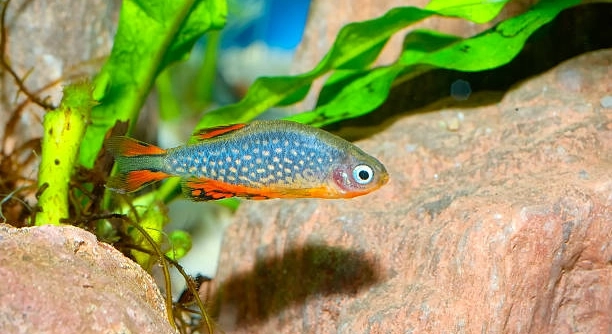
Have you ever noticed how your danios seem to behave differently at various times of the day? Observing these small fish can reveal patterns and rhythms in their activity, which often go unnoticed during casual aquarium care.
Observing danios at different times provides insights into their natural behaviors, feeding patterns, social interactions, and stress responses. Regular observation helps maintain optimal tank conditions, improves health monitoring, and enhances understanding of these active freshwater fish.
Learning when danios are most active can improve your care routine and help you enjoy their behaviors more fully throughout the day.
Understanding Activity Patterns
Danios are naturally active fish, and their behavior changes depending on the time of day. Morning observations often reveal heightened activity as they search for food after resting. Midday, they tend to explore the tank more calmly, interacting with plants and decorations. Evening periods usually show a reduction in movement as they prepare to rest, although some may continue swimming in short bursts. Noticing these activity patterns can help you plan feeding schedules and tank maintenance more effectively. Observing their behavior across different times also provides insight into their energy levels and social interactions. By watching when they are most active, you can identify any unusual behavior early, which may indicate stress or illness. Patterns are often influenced by tank lighting, temperature, and the presence of other fish, making observation a key part of proper aquarium care. Paying attention to these cues supports healthier, happier fish in the long term.
Regularly watching their activity helps you notice small changes and adapt care routines accordingly.
Observing danios at varying times provides a clearer picture of their behavior. You can see which fish lead the group, which ones are shy, and how they respond to changes in lighting or tank layout. This information helps in arranging the tank to reduce stress and ensures all fish receive adequate food. Behavioral cues observed in the morning may differ from those at night, highlighting the importance of multiple observation periods. Regular checks can reveal patterns in aggression, feeding habits, and interactions that might otherwise be overlooked. These insights are valuable not only for maintaining healthy fish but also for creating a stable environment that encourages natural behaviors. Over time, consistent observation builds an understanding of each fish’s unique personality and social role within the tank, improving overall care and satisfaction for the caretaker.
Feeding Behavior Insights
Feeding behavior can vary throughout the day, with danios often showing the greatest enthusiasm in the morning or early evening.
Monitoring feeding times allows you to track which fish eat first, how much they consume, and whether all fish are receiving adequate nutrition. Careful observation helps prevent overfeeding and reduces the risk of water quality issues. By noting the times when fish are most responsive, you can adjust feeding schedules to match their natural habits.
Tracking feeding behavior at different times reveals patterns in appetite and activity levels. Morning feeding often shows rapid movement toward food, while midday snacks may be slower and less competitive. Observing who eats first and who lags behind can help identify weaker or stressed individuals. Feeding behavior also indicates overall health; a sudden decline in appetite can signal illness. Additionally, understanding their natural rhythms reduces waste and maintains water clarity, creating a cleaner, healthier tank. You may also notice preferences for certain foods at different times, allowing you to provide a balanced diet. Consistent observation informs your approach to feeding, tank maintenance, and care decisions, ultimately supporting the well-being of all danios in the aquarium.
Social Interactions
Danios often display different social behaviors depending on the time of day. Morning swims can show playful chasing, while midday may bring calmer group formations. Observing these patterns helps understand hierarchy and compatibility within the tank.
Watching danios interact at various times reveals leadership roles, territorial behaviors, and levels of shyness. Some fish consistently lead while others follow, and subtle movements indicate comfort or stress. Patterns change with light intensity and tank activity, making multiple observations essential. Social behavior insights guide decisions about tank mates, decorations, and space allocation, reducing conflicts. Noticing shifts in group dynamics can also help identify health or stress issues early.
Repeated observation highlights how environmental changes influence social interactions. Lighting, feeding schedules, and rearranged decorations can temporarily alter group patterns. Some danios become more assertive during certain periods, while others retreat. Tracking these behaviors provides a clearer understanding of social hierarchy, helping you anticipate conflicts or aggression. By noting responses to different times of day, you can create a more harmonious environment. Observing their interactions also enhances enjoyment, as it reveals subtle gestures and patterns often missed in a single viewing, giving a richer picture of their daily life.
Stress Indicators
Stress signs in danios may be subtle, changing with light, noise, or tank activity. Observing behavior helps detect issues early.
Noticing variations in swimming speed, color, or hiding behavior provides insight into their stress levels. Morning and evening patterns may differ, highlighting sensitive periods. Recognizing these changes allows for timely adjustments in tank care, such as modifying lighting, feeding, or tank arrangement. Stress monitoring also aids in preventing illness, as prolonged stress can weaken immunity. Careful observation ensures interventions are based on accurate behavior assessment, promoting a stable environment.
Observing danios at different times gives a clearer understanding of stress triggers. Morning activity may reveal heightened sensitivity to sudden movements or noise, while midday may show calmer responses. Stress indicators include darting, clamped fins, or sudden color changes, often overlooked without consistent observation. Adjusting tank conditions based on observed patterns reduces chronic stress and supports healthier fish. Environmental factors such as temperature fluctuations, aggressive tank mates, or overcrowding can be mitigated by noticing changes early. Over time, this approach improves both the well-being of the fish and the overall balance of the aquarium ecosystem.
Environmental Responses
Danios react to changes in their tank environment at different times. Lighting, water flow, and decorations can influence their movement and comfort levels.
Observing how they respond to these changes helps identify preferences for hiding spots, swimming areas, and social interactions. Timing can highlight peak sensitivity periods.
Health Monitoring
Regular observation at various times makes it easier to notice early signs of illness. Changes in swimming, appetite, or coloration often appear subtly before other symptoms develop. Catching these signs early allows for prompt care adjustments, treatment, or isolation if necessary, supporting overall tank health and fish longevity.
Behavioral Variation
Danios display unique behaviors at different times of day, including play, exploration, and rest. These variations help in understanding their natural rhythms, improving feeding schedules, and enhancing tank organization to suit their habits.
FAQ
How often should I observe my danios throughout the day?
Observing danios at least three times a day—morning, midday, and evening—gives the clearest picture of their activity patterns. Morning observations show feeding behaviors and group dynamics after rest. Midday reveals calmer exploration and interactions, while evening helps identify winding-down routines. This schedule allows you to notice any unusual changes promptly, including shifts in swimming, color, or social behavior. Regular observation also helps track individual differences, like which fish are more active or shy. Consistency is key, as sporadic checks may miss important behavioral cues, making it harder to maintain optimal tank conditions.
What are the signs of stress in danios?
Stress can appear in several ways. Common signs include clamped fins, rapid or erratic swimming, hiding more than usual, and faded colors. Some danios may stop eating or isolate themselves from the group. Stress often results from poor water quality, overcrowding, sudden temperature changes, or aggressive tank mates. Observing behavior at different times of day helps identify which periods make fish more sensitive. Early detection allows you to adjust lighting, feeding, or tank layout to reduce stress. Tracking changes over days or weeks also highlights patterns that may otherwise go unnoticed, giving insight into overall fish health.
How can observing danios improve feeding habits?
By watching when danios are most active, you can schedule feedings to match their natural energy peaks. Morning and early evening often show the greatest appetite, while midday feeding may require smaller portions. Observation helps identify which fish eat first and which may need extra attention to avoid underfeeding. Monitoring their approach to food also shows preferences for specific types, allowing a more balanced diet. Adjusting feeding times based on activity reduces leftover food, which keeps water quality stable. Noticing changes in appetite can also signal illness, giving you a chance to intervene before it becomes serious.
Can social interactions indicate health problems?
Yes. Danios that suddenly avoid the group, show aggression, or fail to follow normal leadership patterns may be stressed or unwell. Observing them at different times allows you to notice subtle shifts in group dynamics. Morning playfulness or evening calm may be disrupted if a fish is sick. Social observation also helps detect bullying or dominance issues, enabling better tank management. Consistent monitoring ensures that weak or stressed individuals receive attention, preventing prolonged stress that can lead to illness. These insights guide adjustments in tank setup, such as rearranging plants or adding hiding spots, improving both health and harmony.
What environmental factors should I monitor alongside behavior?
Water temperature, pH levels, and cleanliness directly influence danio behavior. Light intensity and tank decorations also affect activity and stress levels. Observing behavior at different times can reveal preferences for shaded areas, slow currents, or open swimming space. Changes in environment often trigger noticeable behavioral shifts, such as hiding or erratic swimming. By correlating these changes with the time of day, you can better understand the conditions that promote healthy activity. Adjustments like rearranging décor, fine-tuning lighting, or ensuring stable water conditions help maintain both comfort and well-being for all fish.
How can I tell if my danios are happy?
Active swimming, playful chasing, vibrant colors, and consistent feeding responses are strong indicators of well-being. Observing their behavior across morning, midday, and evening shows normal energy cycles. Fish that explore, interact, and rest predictably generally experience low stress levels. Lack of appetite, fading colors, or persistent hiding can signal problems. Regular observation helps distinguish temporary changes from ongoing health or environmental issues. By tracking their habits consistently, you ensure that your danios are thriving and that any concerns are addressed promptly.
What is the benefit of observing behavior at multiple times instead of just once?
Behavior varies throughout the day, reflecting natural rhythms and environmental influences. Single observations can miss critical information, such as early signs of stress or illness. Morning may show feeding competition, midday highlights calmer exploration, and evening reveals winding-down patterns. Multiple observations provide a complete understanding of activity, social dynamics, and health. This knowledge guides tank management, feeding, and adjustments, supporting healthier fish and a more balanced aquarium environment. Consistent observation also strengthens your awareness of individual differences, helping to prevent problems before they escalate.
How do I track changes effectively?
Maintain a simple log noting activity levels, feeding responses, color, and social interactions at each observation period. Record any unusual behaviors or environmental changes. Over time, patterns emerge, highlighting potential issues or confirming normal behavior cycles. This method makes it easier to detect small changes that could indicate stress, illness, or environmental discomfort. Keeping notes also helps you adjust feeding, cleaning, and tank arrangements in a structured way. Comparing observations across days and weeks ensures a more precise understanding of your danios’ needs, improving both health and enjoyment.
How long does it take to see patterns in danios’ behavior?
Consistent observation over one to two weeks usually reveals clear patterns. Morning, midday, and evening checks show energy peaks, feeding habits, social roles, and rest periods. Early patterns help guide tank management, feeding schedules, and environmental adjustments. Longer-term observation allows recognition of seasonal or gradual behavioral shifts, improving overall care.
Can observing behavior help with breeding or population management?
Yes. Watching interactions and activity levels identifies compatible pairs and highlights dominance structures. Fish that show normal social behavior, active feeding, and calm exploration are more likely to breed successfully. Observing multiple times ensures that compatibility is genuine, rather than a temporary pattern caused by stress or environmental changes. Regular monitoring helps create a supportive environment for breeding while preventing conflict or overcrowding. Tracking behavior also informs population management decisions, like adding new fish or separating aggressive individuals, ensuring a balanced and healthy tank.
Observing danios at different times of the day provides valuable insight into their natural behaviors and overall well-being. Each period—morning, midday, and evening—offers a unique perspective on how these fish interact with each other and their environment. Morning is often when they are most active, exploring the tank and competing for food. Midday tends to bring calmer activity, with fish swimming leisurely, exploring decorations, or resting in shaded areas. Evening often shows winding-down behavior, with some fish becoming less active as they prepare to rest. By paying attention to these patterns, you can gain a better understanding of their daily rhythms, which helps in planning feeding schedules, tank maintenance, and monitoring for any early signs of illness or stress. Consistent observation also allows you to notice individual differences, as some danios may be naturally more active or shy than others. Recognizing these differences supports more informed decisions about care, ensuring that all fish receive proper attention and a comfortable environment.
Behavioral observation also plays a significant role in monitoring the health and social dynamics of your tank. Fish that show sudden changes in swimming patterns, appetite, or coloration may be experiencing stress or illness. Observing them at different times makes it easier to detect subtle changes that might otherwise go unnoticed. Social interactions, including chasing, following, or hiding behaviors, reveal hierarchy and compatibility among the fish. Understanding these dynamics helps reduce conflict, prevent bullying, and ensure that each fish has access to sufficient space and resources. Environmental factors, such as lighting, water flow, and decorations, influence behavior and comfort levels. By noting how danios respond to these conditions at different times of day, you can make adjustments to improve their living environment. This approach not only maintains health but also encourages natural behaviors, making the aquarium a more balanced and enjoyable space for the fish.
Regular observation also enhances your connection with the tank and deepens your understanding of your danios’ habits. Tracking activity, feeding, and social interactions over time provides a clearer picture of their preferences and needs. Patterns emerge that can guide feeding schedules, tank arrangements, and maintenance routines. Noticing small changes early allows for timely interventions, reducing stress and supporting long-term health. Observing behavior also adds enjoyment, as you can watch subtle movements, interactions, and personalities develop over time. Ultimately, taking the time to watch your danios at different times helps create a stable, healthy, and stimulating environment that supports both their well-being and your ability to care for them effectively. Consistent observation is a simple practice that yields long-term benefits for both the fish and the overall tank ecosystem.

Hello,
If you enjoy the content that we create, please consider saying a "Thank You!" by leaving a tip.
Every little bit helps us continue crafting quality advice that supports the health, happiness, and well-being of pets around the world, for pets of all shapes, sizes, and species.
We really appreciate the kindness and support that you show us!